Archivo de la etiqueta: Nils Frahm 2013

«I can change the world with my music» Exclusive interview with NILS FRAHM

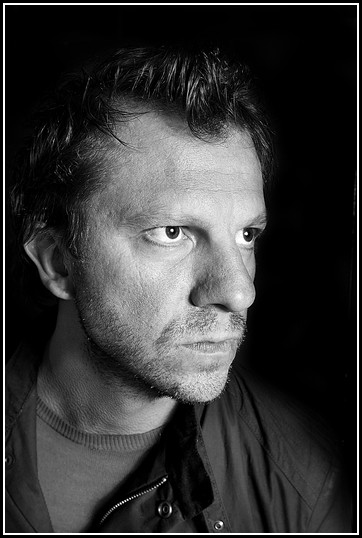
Nils Frahm pics

We have the honour to talk with one of those musicians we especially love in ROCKAST. Because he’s not like the others. He’s not a rock star, but creates more emotion than most of them. German pianist Nils Frahm is one of those few artists extremely inspiring and talented who is always working in different projects and record production. He broke his thumb in an accident, but that didn’t mean he was going to rest as the doctor suggested. He kept going playing piano with just 9 fingers, and made a collection of beautiful peaceful songs, in a record he gave away. To his surprise, this no-record called Screws was inmediately loved by fans and critics. It’s an pleasure for us to talk with an outstanding artist in and out of the stage.

We catch the musician on his way to Brussels to perform at the Ancienne Belgique.

«Music is the highest art to create feelings.»

Hi Nils, How are you? What project are you involved with at the moment? Or what do you have in mind to do in short term?

Well, lot of things. Lot of things. I’m working on a live album right now, which will hopefully come out this year. I’m also working on collaborations, with the German singer Anne Müller, and I’m also working on my new solo album.

I’ve seen you’ve recently produced Sara Neufeld (Arcade Fire) debut album.

Yeah that was fun. She’s on tour now in Germany and Europe. She’s fantastic.. I’m working in the production of a Swedish songwriter doing her debut on Bella Union, and also, I’m doing the production for Sleeping Dog, a Belgium singer songwriter, and some more. These days I’m finishing the rework of Juno 12’’. I’m also going to US and Canada and some Europe dates now.

You’re working as producer quite often lately. But, in this area, what do you think we are missing in music nowadays? What do you like to try that you don’t see when listening music?

I don’t think there’s so much music missing. I mean, there’s still so much music that I love and I admire.  But usually that’s music from the past. I observe myself listening to a lot of old music. Maybe it has something to do with… I don’t know, honesty? Or people who record good sounding records, like recorded in a session, which is always very pleasure to listen to. I feel like this old skills of crafting a record has slowly disappeared because of the digitalization of music production. And people get used to scratch on their work from the computer, editing all the failures now, and edit way too much of the material and in the end things often become kind of plain. To be honest, I focus so much on the past right now. I’m listening to old classical records, jazz records, and all kind of crazy music. For me is important that I feel something really human and quite unique in somebody’s music. I think some of the bedroom recordings made these days are good and some are just not. Music in the past was usually produced in high quality studios done by really great technicians and producers. We should try to keep up the standard of music production and not let it go down. I feel like since I’m aiming for certain kind of perfection, I’m at the right spot to help people catching their vision of what they want to do, and I learn so much about all the recording techniques and I’m happy to help.

NF3


 I’d like to talk about the noise possibilities. I’ve heard somewhere, that the most beautiful sound is the silence. So that’s why Screws sounds so minimalist?

That’s what they said about ECM master chief, “the most beautiful sound next to silence”, is Manfred Eicher music.(laughs). It is kind of a celebration of the silence. And the celebration of the countless and quietness. My expertise is that we try to push the loudness, there are many loud records out there, like Metallica’s, I don’t remember the title of the record. I feel like we’re pushing the possibilities of noise to a degree when all is possible and you can add anything to it. We have such a noisy and aggressive music out there that I feel that the most radical statement you can do is to make something really calm and quiet. Because then people wonder why is so calm, why is so quiet, maybe at least became impressed of people’s hearts and ears is actually dramatically quiet and dramatically calm. But without being just ambient music. I don’t want to see my music as something you only listen to in a background. I also want to tell a story, or read a poem in a music way. I feel like people can focus on the content of music, and the micro-universe of little detail sounds, tiny details and noise sounds, since I take care of all this little sounds like noise and mechanical sounds as a piano, and nothing is totally by accident. I really sculpture these sounds. I feel like there’s still enough musical information, but it’s on the edge. It’s so little, especially on Screws. There are so little efforts, so little noise, so little volume, so little everything, that is almost disappearing of the whole thing. That’s why I was curious about how little can you do and still feel like is music.

Also Screws was supposed to be a gift for your fans, but it has been very well received. Did you expect that?

No, totally not. I felt that it was so little music like I said, that I didn’t want to charge people for it. But when you give somebody, like you go somewhere and pick a tiny flower, and you give it to somebody, people will appreciate the gift, take the little flower and treat it like a gift, they won’t just throw it away. If people would have bought, there certainly would have been people who would have said, “well compared to the last record this is not so good because bla blab bla, it’s so minimalist, I like Felts better because there’s so much going on…”  I can already hear the criticism. But it sounds good for me this way. For me it was also a gift to myself because it kept me going in the time I broke my thumb, and I felt like maybe I could never really play piano again. I couldn’t play more because of my broken finger. But it was giving me all my hope and passion for music back. It gave me so much that I already feel like I got everything I wanted from this record, so the only thing I could do was to share this with my friends. It was a very spontaneous idea. I didn’t think of any critics of it because it wasn’t my next release really. I made it everything for free so people can’t really criticize like it’s a new album because… c’mon! I’m just improvising with my fingers but I feel like it’s my favourite record that I’ve ever done. Momentum of quietness and calmness and serenity. But also harmless. I heard something new when I play it, and I probably wouldn’t experience if I didn’t have the accident. So now I know that I can play that way. I’m very grateful. It’s all mono, one microphone, piano, and tape machine. That’s it. It’s so efficient and economical in that sense.

«The more pressure I have, the better my music is.»

 I think your music is very visual, as the note that follows the previous note seems like the only one in the world that could go there, pretty much like books, Do you think your music is more open to the listener imagination that pop music?

It might be. It’s visually inspiringly for sure. Lot of people ask me if I’m interesting in making music for films. I’m already doing this. But just without the movie. The movie people see, is what they see in their heads. They’re kind of directing their own movie at the moment they’re listening to my music. I think this is the potential my music has. It creates pictures, is like reading a book. My music is more like reading a book than watching a movie. Is up to the imagination of the listener what they feel, see or sense.
It’s the highest art to inspire certain kind of pictures or feelings. I try to have as much control as possible. I can write a piece and I know that people will think of water. I can write a piece and I know that people will think of love. It’s incredible that you can kind of connect certain images or reactions to the music.

So how is the creative process? Are you very perfectionist or do you prefer to improvise?  Do you ever think about the listener when composing music?

I do actually. I wouldn’t do music without people listening. It’s not that I only do this for myself, of course. I love playing music for myself too, but when I work on an album I want it to be something that people love. That doesn’t mean that I want to do it as flat as possible so everybody loves it. I consider that my music will be listened for many people, and I want it to be very good. That gives me a lot of motivation. The more pressure I have, and the more people listening to my music, I feel like, the better my music is. Playing live, for example. I know that the people are there. The concert wouldn’t be the same without the people. They give me certain feedback. They create a certain atmosphere in the room, and it comes back to me onstage. There’s a feedback between the audience and myself. The audience is a very big part of my music, and very big part of my motivation.

«We’re doing something pretty radical and unique»

I read that you like to work pretty late on the day. So the pianist life demands to sacrify somehow, the social life?

Yeah, I definitely sacrify my private life for doing this. In the past I couldn’t have a relation because I’m always on tour. I don’t see my friends and my family very much. I’m alone a lot. Even though I’m with people, I feel quite isolated sometimes. It comes to a point that there’s so much silence around me, and silence in myself that you really can listen to this quite pieces I play. It’s a certain kind of mind-set you have to enter before you can do this. You can’t do this in a noise part of Brooklyn. You just need to find this surrounding which is so quite and calmed that you enter a door where these very quite tunes and quite charm I’m playing, become something loud and powerful I guess. And this is what I expect from my listener too. When I play quite, I feel that people become quite as well, and they stop making noise with their hands and stop moving. After a while I realize that I’ve transformed the room into a different place where these very quite notes can still be heard, because everybody’s ready for it. But you need time for it. For me, to produce this music I need to be alone a lot. To be my myself
NF2

We’ve seen your name in lots of modern music pages, or even indie music pages, and you’re playing Primavera Sound next week. Why do you think these modern music pages turn to your music or Olafur?

Because of the feeling that we’re doing something pretty radical and we’re not compromising ourselves. Sounds stupid when I say that, but this is what other artists do. They do what they need to do. I don’t try to do this or that to be loved. I just want to share something really honest, something which confirms me and my vision is that I can change the world, and people’s attitude with my music. I think people see that this quite radical and unique, and musicians don’t try to create some kind of pop phenomenon or whatever. They trust themselves and play classical instruments, and they still attract a young audience, and that keeps me going. And when I’m playing at a festival I’m never fitting in. Primavera is a rock indie festival, and I’m playing piano. And when I play at a jazz festival, I’m not the jazz guy,  and the people see it like something different and interesting. Same happens in classical contexts. When people play Mozart and I play my own music. When I play for young people is always odd, but at the end they’re really surprised for what they’ve experienced. And then they go on their blogs and don’t know how to labelled me. I feel very free. I could make an electronic album next. I could also play with a band. I could play piano and synthesizers shows, or classical shows. Even if I decided to be a songwriter.

Have you ever thought of adding voice to your compositions? Have you ever been offered that possibility? What do you think about it?

Yeah I’m also working on some choir ideas right now. Nothing myself, I don’t really like myself singing. But more in a way of, turning voices into sound, and sounds into voices.

«Melancholy is the happy side if being depressed»

Last time I saw you in concert was in Madrid last summer, in a free concert were the sponsor was also giving beer for free. I remember you invited a person from the crowd to play with you, and it was amazing, everyone was blown away. Do you always invite a person from the crowd to improvise with you?

No no no. It’s quite a long time since I don’t do it. Just if I feel comfortable with it. It depends. I can sense what is going on in the room, and if people need something different. It’s not only about playing piano, but make it a wonderful show. In the end is about the whole evening, and what the people think of it. People think it’s kind of brave to do so. Because it could be very horrible. But it’s never horrible. The intention of inviting somebody is wonderful and a loving thing. People might not really listen to the wrong notes we’re hitting. They just hear it with an open heart, because they think it’s a wonderful moment, it’s generous and it’s brave. These are all emotions that we as human beings feel and they’re conscious about love and peace, and they will go home and will feel better.

Are you happy?

Often. Often. I’m never scared of the future. No scared of the present or the past. But I’m a very melancholic person too and sometimes I get very frustrated about the world out there. Sometimes I shut everything down and listen to myself. I think melancholic is the happy and artistic side if being depressed. Without the art I wouldn’t be happy. The piano is like medication for me.

David Bernardo

«Puedo cambiar el mundo con mi música» Entrevista exclusiva con Nils Frahm

Nils Frahm pics

La música y el músico que traemos hoy no requieren prisa.
Porque de un tiempo a esta parte, parece reivindicarse en silencio, y sin atisbo de importancia, la música clásica contemporánea de la mano de algunos de los mejores pianistas de los últimos tiempos.
Sus nombres no son ni mucho menos conocidos por el gran público. Y difícilmente lo serán nunca. Estos pianistas contemporáneos se alejan del concepto clásico del piano para experimentar desde el minimalismo, la electrónica, o el post-rock, acercando este instrumento a un público cada vez más joven y con gustos musicales más cercanos a la música independiente que a la clásica.

Hablamos de esa escuela que se ha formado sin siquiera proponérselo, y que está compuesta entre otros por Nils Frahm, Ólafur Arnalds, Peter Broderick o Dustin O’Halloran. Nombres que empiezan a aparecer con fuerza en revistas, webs y blogs de música independiente de todo el mundo.

Aprovechando que Nils Frahm viene a tocar al Primavera Sound, hemos querido charlar con el alemán para saber como son los puntos de vista de un artista con un aura especial. Un fuera de serie que hace imposibles, dejando auditorios enteros boquiabiertos mientras toca simultáneamente más pianos que manos tienen sus brazos. Tremendamente inspirador para muchos artistas, Frahm es un workaholic que no se detuvo ni cuando un desafortunado accidente en su pulgar casi le deja sin volver a tocar. Al contrario. Tal fue su frustración, que decidió no escuchar los consejos de su médico y grabó un compendio de temas improvisados (Screws) que ofrecería de forma gratuita, y que se convertiría en uno de los no-álbumes mejor recibidos. De camino a Bruselas para su próximo concierto, esto es lo que nos cuenta:

¿Qué tal Nils? ¿En qué estás trabajando ahora mismo?

Bueno en muchas cosas. Muchas cosas. Ahora mismo estoy trabajando en un disco en directo que espero que salga este año. Estoy colaborando con la cantante alemana Anne Müller, y también estoy trabajando en mi próximo lanzamiento en solitario.

He visto que recientemente has producido el álbum en solitario de Sara Neufeld de Arcade Fire.

Sí, fue muy divertido. Ahora está en Alemania y Europa de Tour. Es fantástica. También estoy trabajando en el debut de una cantautora sueca de Bella Union, y en la producción de Sleeping Dog, un cantautor belga, y algunos más. Durante estos días estoy trabajando también en el rework 12’’ de Juno. Y me voy a Estados Unidos y Canadá de gira, además de algunos conciertos en Europa ahora.

«Para mi es importante sentir algo realmente humano en la música»

Estás trabajando mucho como productor últimamente. ¿Crees que en este área nos estamos perdiendo algo en la música hoy en día? ¿Qué te gustaría probar que no veas cuando escuchas un disco?

No creo que nos estemos perdiendo mucha música. Todavía hay mucha música que amo y admiro. Pero normalmente es música del pasado. Escucho mucha música antigua. Quizás tiene algo que ver con la honestidad. O con las personas que graban discos que suenan bien, como los grabados durante una sesión, que siempre es un placer escucharlos. Creo que el viejo oficio de crear un disco ha desaparecido lentamente debido a la digitalización en la producción. Creo que la gente se ha acostumbrado a hacer todo el trabajo desde sus ordenadores. Ahora editan todos los fallos, editan demasiado y al final queda un poco vulgar.

La verdad es que me concentro mucho en el pasado ahora mismo. Estoy escuchando viejos discos de música clásica, discos de jazz, y todo tipo de música rara. Para mí es importante sentir algo realmente humano y bastante único en la música. Pienso que algunos de los discos caseros que se hacen hoy en día son buenos, pero otros sencillamente no lo son. La música en el pasado normalmente se producía en estudios con mucha calidad y los hacían técnicos y productores realmente buenos. Deberíamos de intentar mantener el estándar en la producción musical y no dejar que disminuya. Yo siento que al pretender cierto tipo de perfección, puedo estar en el lugar adecuado para ayudar a la gente visualizar lo que quieren conseguir. Y aprendo muchísimo de todas las técnicas de grabación y soy feliz de poder ayudar.

NF3

Me gustaría hablar de las posibilidades del ruido. En algún sitio escuché que el sonido más bonito es el silencio. ¿Es por eso que Screws (2012) y Felt (2011) son tan minimalistas?

Eso es lo que dijeron del jefe de la ECM (Edition of Contemporary Recordings, reputada discográfica alemana), “el sonido más bonito junto al silencio” es la música de Manfred Eicher (risas).
Es como una celebración del silencio. Y una celebración del sosiego y lo incontable. Mi experiencia me dice que intentamos impulsar el volumen alto. Hay tantos discos ruidosos ahí afuera, como Metallica, no recuerdo el nombre del álbum. Creo que impulsamos las posibilidades del ruido a un nivel en el que todo vale y puedes añadir cualquier cosa. Tenemos un ruido y una música tan agresiva que siento que lo más radical que podemos hacer es hacer algo realmente calmado y tranquilo. Porque entonces la gente se preguntaría por qué es tan silencioso. Y puede que para impresionar el corazón o el oído de la gente necesites algo dramáticamente silencioso y calmado.

Pero sin ser solamente música ambiental. No quiero ver mi música como algo que solo escuchas de fondo. También quiero contar una historia, o leer un poema musicalmente hablando. Creo que la gente se puede concentrar en el contenido de la música, y ese micro-universo de sonidos, pequeños detalles y ruidos. Cuido de todos estos pequeños sonidos como los ruidos y los sonidos mecánicos como los del piano, y absolutamente nada suena por accidente. Realmente esculpo esos sonidos. Creo que hay mucha información musical. Pero es tan diminuta, especialmente en Screws. Hay tantos pequeños esfuerzos, tantos pequeños ruidos, tan poquito volumen, y tan poco de todo que parece que desaparece del todo. Por eso tenía curiosidad de ver cómo de minimalista lo puedes hacer y sentir que todavía es música.

Screws se creó como un regalo para los fans, pero ha sido muy bien recibido. ¿Te lo esperabas? ¿Lo podrías considerar entonces como un disco y colgarlo junto al resto de tu discografía?

Definitivamente no me lo esperaba. Sentía que era una música tan pequeña como he dicho, que no quería cobrar a la gente por ello. Pero cuando regalas algo, como si fueras a cualquier sitio y cogieras una pequeña flor y se la dieras a alguien, esa persona agradecerá el regalo, lo cogerá, lo tratará como un regalo, y no lo tirará. Si la gente lo hubiese comprado, seguro que habría algunos que dirían, bueno, comparado con su último disco éste no es tan bueno por esto y por esto, bla bla bla, es muy minimalista… A mi me gusta más Felts porque hay muchas cosas en ese disco. Ya puedo oír las críticas. Pero a mi me gusta como está. Fue un regalo también para mi mismo porque hizo que siguiera tocando cuando me rompí el pulgar y pensé que nunca más volvería a tocar el piano. No podía tocar más por que tenía el dedo roto, pero me devolvió toda mi esperanza y mi pasión por la música. Me dio tanto que sentía que ya tenía todo lo que quería de ese disco, así que lo único que podía hacer era compartirlo con mis amigos. Fue una idea muy espontánea. Nunca he pensado en las críticas porque realmente no era mi siguiente trabajo. Lo hice completamente gratis así que la gente realmente no puede criticarlo como si se tratase de un álbum nuevo. ¡Venga ya!… Solo estoy improvisando con mis dedos, pero siento que es mi disco favorito de todos los que he hecho. Un impulso de placidez, de calma y de serenidad. Es inocente también. Escucho algo nuevo cada vez que lo toco, y probablemente no lo experimentaría si no hubiera tenido el accidente. Así que ahora sé que puedo tocar de esa manera. Estoy muy agradecido. Es todo en Mono, con un micrófono, un piano y una grabadora de cassette. Ya está. Es muy eficiente y económico en ese sentido.

«Tengo la sensación de que cuanta más presión tengo, y más gente escucha, mejor es mi música»

Creo que tu música es muy visual. Parece que cada nota que sigue a la anterior es única y que no existe otra en el mundo que pueda sustituirla. Parecido a lo que sucede con los libros. ¿Crees que tu música está más abierta a la imaginación del oyente que la música pop?

Puede ser. Es visualmente inspiradora, eso seguro. Mucha gente me pregunta si estoy interesado en hacer música para películas. Y ya lo estoy haciendo. Pero sin la película. La película que ve la gente, es la que ven en sus cabezas. Es como si ellos mismos la dirigieran en el momento en que escuchan la música. Creo que ese es el potencial que tiene mi música. Crea imágenes. Es como leer un libro. Mi música es más como leer un libro que ver una película. Lo que sientan o vean depende de cada persona. Es el arte más grande para inspirar cierto tipo de sentimientos. Intento tener tanto control como sea posible. Puedo escribir una pieza y saber que la gente pensará en agua. O puedo escribir una pieza y saber que la gente pensará en el amor. Es increíble como puedes asociar ciertas imágenes o reacciones a la música.

¿Cómo es el proceso creativo? ¿Piensas en la persona que va a escuchar el disco cuando compones?

Lo hago, de hecho. No haría música sin gente que lo escuchara. Por supuesto no es que solamente lo haga para mí. Me encanta tocar música para mí también, pero cuando trabajo en un álbum quiero que sea algo que a la gente le guste. Eso no quiere decir que lo vaya a hacer tan simple que le guste a todo el mundo. Considero que mi música va a ser escuchada por mucha gente, y quiero que sea muy buena. Eso me da mucha motivación. Tengo la sensación de que cuanta más presión tengo, y más gente escucha, mejor es mi música.

El hecho de tocar en directo por ejemplo. Yo sé que la gente está ahí. Y el concierto no sería lo mismo sin la gente. Ellos me dan un cierto feedback. Crean una atmósfera en el auditorio que puedo sentir en el escenario. Hay una retroalimentación entre la audiencia y yo. El público es una gran parte de mi música. Y una gran parte de mi inspiración.

«Cuando toco en un festival, nunca encajo.»

Te gusta trabajar hasta bastante tarde por la noche. ¿Sacrifica su vida social un pianista?

Totalmente. Yo sacrifico mi vida privada por hacer esto. En el pasado no podía tener una relación porque estaba siempre de gira. No veo mucho a mis amigos ni a mi familia. Paso mucho tiempo solo. Aunque estoy con gente, a veces me siento bastante solo. Llega un punto en que hay tanto silencio a mi alrededor que puedes incluso escuchar estas piezas silenciosas que escribo. Es como una actitud en la que tienes que entrar antes de poder hacerlo. No lo puedes hacer en una parte ruidosa de Brooklyn. Imagino que necesitas encontrar un entorno que sea lo bastante tranquilo, para que al cruzar la puerta esos temas minimalistas y carismáticos se conviertan en algo llamativo y poderoso. Y eso es lo que espero de los oyentes también. Cuando toco temas tranquilos, siento que la gente se tranquiliza también. Dejan de hacer ruido con las manos y dejan de moverse. Después de un rato me doy cuenta de que he transformado el auditorio en un sitio completamente diferente, donde todavía se pueden escuchar las notas casi inaudibles. Porque todo el mundo está preparado. Y necesitas tiempo. Necesito estar solo mucho tiempo para crear esta música.

NF2

Nils, hemos visto tu nombre en importantes webs musicales más dedicadas a música indie, o últimas tendencias. Incluso tocas en el Primavera Sound en unos días. ¿Por qué crees que se fijan ahora en ti?

Por la sensación de que estamos haciendo algo muy radical, y de que no nos comprometemos. Suena estúpido cuando lo digo yo, pero es lo que hacen otros artistas. Hacen lo que tienen que hacer. Yo no hago esto o aquello para ser querido. Solo quiero compartir algo realmente honesto, algo que me autoafirme. Mi visión es que puedo cambiar el mundo y la actitud de la gente con mi música. Creo que la gente ve que es único y muy radical, y los músicos no intentan crear ninguna clase de fenómeno pop o lo que sea. Confían en si mismos y tocan instrumentos clásicos que todavía atraen a la gente joven, y eso es lo que me hace seguir adelante.
Cuando toco en un festival nunca encajo. Primavera Sound es un festival de rock indie y yo voy a tocar el piano. Cuando voy a un festival de jazz, no soy el chico del jazz, entonces la gente habla y lo ve como algo diferente e interesante. Lo mismo pasa en entornos clásicos. Cuando la gente toca Mozart yo toco mi propia música. Y cuando toco para gente joven es raro, pero al final se quedan sorprendidos por la experiencia. Y luego van a casa y escriben en sus blogs y no saben como etiquetarme. Me siento muy libre. El siguiente álbum podría ser electrónico. Podría también tocar con una banda. Podría ofrecer conciertos con piano y sintetizadores, o conciertos clásicos. Incluso podría decidirme por ser cantautor.

¿Alguna vez has pensado en añadir voz a tus temas?

Sí, estoy trabajando en algunas ideas con coros ahora mismo. Nada de mi mismo, no me gusto mucho cantando. Pero más bien en el sentido de transformar voces en sonido y sonido en voces.

«La melancolía es la parte feliz de la depresión»

La última vez que te vi en directo recuerdo cómo solicitabas la ayuda de un voluntario entre el público para que tocase contigo. ¿Lo haces siempre?

No no no. Hace mucho tiempo que no lo hago. Solamente si me siento a gusto. Depende. Puedo sentir lo que sucede en el auditorio y si la gente necesita algo diferente. No solamente es tocar el piano, sino hacer un buen show. Al final se basa en el concierto entero y lo que la gente piense de ello.

La gente es muy valiente por ofrecerse. Porque podría ser horrible. ¡Pero nunca lo es! La intención de invitar a alguien es maravillosa. La gente puede que no escuche las notas erróneas que tocamos. Escuchan con el corazón abierto, porque piensan que es un momento maravilloso. Es generoso y es muy valiente. Todas estas emociones las sentimos como seres humanos, y el público es consciente de ese amor y esa paz, y se irán a casa y se sentirán mejor.

Y la última pregunta. ¿Eres feliz?

A menudo. A menudo. Nunca tengo miedo del futuro. Nunca tengo miedo del pasado. No tengo miedo del presente. Pero soy una persona muy melancólica y a veces me frustro por el mundo que hay ahí afuera. A veces lo apago todo y me escucho a mi mismo. Creo que la melancolía es el lado feliz y artístico de la depresión. Sin el arte no sería feliz. El piano es como la medicación para mí.

David Bernardo.