

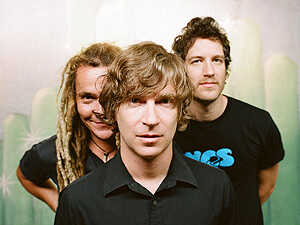
Race Horses son una banda galesa con un carismático líder cuya música pretende con éxito ir a contracorriente de las modas del momento. Acaban de lanzar su segundo LP, llamado Furniture, que ha recogido muy buenas críticas de la prensa especializada. Los paisanos de Super Furry Animals, sorprenden con un gran álbum que bebe del pop más brillante de los 80 pero con registros que recuerdan por momentos a Richard Hawley, Smiths, Orange Juice o Squeeze, y con una voz, la de Meilyr Jones que como el grupo, parece aún por descubrir y explotar.
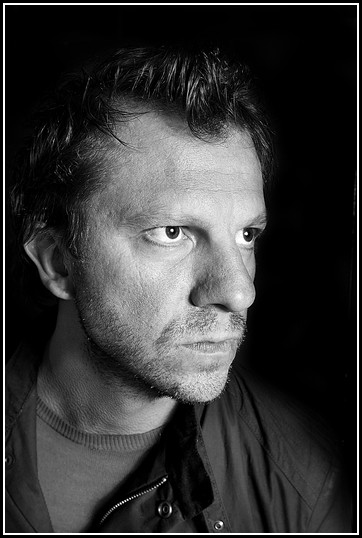
Meilyr es un tipo con un karma especial. Habla detenidamente, haciendo pausas, y no duda en devolverte la pregunta cuando menos te lo esperas. Nos atiende sentado en el suelo y nos sorprende con unas respuestas que destilan una especial sinceridad.
Se encuentran en plena gira europea acompañando a Bat For Lashes. El día anterior en Barcelona había sido un poco ajetreado para la banda. El cierre apresurado de la Sala Apolo propició que tuvieran que ofrecer su concierto en la adyacente Artèria, sin tiempo prácticamente para desembarcar, ofrecieron un set acústico en medio de la sala subidos en un cubo que llevaban en la furgoneta. Con todo, llegaban a Madrid con muchas ganas y sin pensar en el duro viaje que les esperaba hasta París el día siguiente.
ROCKAST // ¿Cómo va el Tour? ¿Qué tal la experiencia de girar con Bat For Lashes?
MEILYR JONES: Increíble. Sabes? Es nuestra primera vez en Europa y son encantadores, han sido muy amables con nosotros. Es increíble tocar noche tras noche, conocer nueva gente y ver las buenas reacciones. Es una gran experiencia para nosotros. Surgió porque a la compañía les gustó y nos pidió que fuéramos los teloneros.
También habéis tocado con British Sea Power o Fanfarlo. ¿Se aprende de bandas como ellos?
Sí, se aprende mucho. Pienso que aprendes de lo que te gusta, de lo que significa para tí, pero también de lo que sientes, por eso tocar en directo para nosotros es tan importante, es muy físico y contiene mucha energía, más que cualquier otra cosa. Intentamos que sea distinto, más que hacer siempre lo mismo.
Furniture ha sido muy bien recibido, con buenas críticas en la prensa. Estaréis orgullosos, ¿verdad?
Estamos muy felices. Lo grabamos muy rápido y hemos puesto mucho de nuestra parte. Es bonito. Estamos muy emocionados de que la gente venga a nuestros conciertos, de que escuchen nuestra música y estén disfrutando del disco.
¿Cuál es la diferencia entre Goodbye Falkenberg y Furniture?
Con Goodbye Falkenberg todavía estamos, digamos, experimentando, escuchando nuevas canciones y descubriendo nuevas bandas, prácticamente nueva música cada 2 semanas. Escribíamos los temas con eso en mente, así que era como un collage realmente, pura experimentación. Básicamente lo vemos como si Furniture fuera nuestro primer álbum. En el sentido de tener una idea y un sentimiento más fuertes, mientras que Goodbye Falkenberg era más salvaje.
«Hay gente que le gusta la música insensible, pero para mí, el lado humano es lo más importante»
¿Cómo es el proceso de creación? ¿Escribís todos juntos?
Bueno, yo escribo la mayoría, escribo la letra y luego hacemos los arreglos.
Habéis pasado de ser un trío a una banda de 5 músicos. ¿Cambia la filosofía de la banda de alguna manera?
Sí que lo hace. El grupo ha cambiado mucho y tienes que adaptarte sabes?, Tener a Mali en la banda, que tiene experiencia con la música clásica, ha cambiado cosas también. Pero digamos que todos queríamos en cierto modo huir del hecho de centrarnos solamente en las guitarras y tener menos límites.
Ya no cantas en Galés en el álbum. ¿Es definitivo?
No, no lo es. Por aquella época vivía con mi novia de entonces en Londres, y solamente hablaba inglés, y todas las películas que veía eran inglesas o europeas, así que nuestra cultura era básicamente en inglés. Bueno ahora vivo en Gales de momento así que puede que nuestro siguiente álbum sea todo en galés quién sabe…
Meylir, te pusiste un traje para cantar My Year Abroad, luego te desnudaste para hacer algunos coros… Parece un modo de inspiración bastante radical.
(risas) Bueno yo pienso que todo, desde el corte de pelo, a la dieta, a las horas de dormir o lo que sea, influye en lo que haces y en tu humor. Quería experimentar entrando en diferentes tipos de mentes, y me encanta sentir que soy una persona distinta.
«Cuando haces música, te colocas en extremos opuestos. Probablemente no sea la manera más razonable de vivir»
Muchas bandas hoy en día hacen música bastante similar, con muchos samplers y sintetizadores, pero vosotros parece que queréis tomar la dirección opuesta.
Es interesante porque lo estaba hablando con la banda de Natasha anoche, y creo que hay gente que le gusta música bastante insensible, pero para mí, el lado humano es lo más importante. Incluso nosotros tenemos quizás 2 temas donde hay un secuenciador, e incluso eso es difícil porque cuando tienes ésta música tienes que atenerte a él, como una canción de apoyo, y no puedes cambiarla de una noche a otra. Pienso que cuando tocas en directo, las reacciones cambian cada noche, por eso para nosotros es importante el lado humano en ese sentido.
¿Está perdiendo la música el romanticismo?
Eso es muy interesante. Pienso que es verdad. O al menos creo que la gente es menos radical ahora. O quizás es que la música de los 50 o 60 era más rebelde. Entonces la gente empezó a hacer dinero por ello y quizás la gente que era tan radical pensó que podía sonar de tal manera y hacer algo de dinero. Creo que es cierto. El comportamiento, en general, en la sociedad, no es tan radical. De todos modos el romanticismo es realmente importante para mí.
¿Cuáles son tus principales influencias?
Creo que mucha música clásica. Pero también la Velvet Underground. Y Dexus Midnight Runners son una influencia enorme. También muchas películas.
¿Planes para el año que viene?
Me gustaría tocar todo lo que pudiera, volver al Reino Unido con la banda y luego, espero que nos quieran de vuelta. Creo que vamos a hacer un montón de festivales éste año.
¿Eres feliz?
Emm… Es una pregunta realmente buena! (piensa 10 segundos) …No. Bueno, es una pregunta muy difícil. A veces, y a veces no. Pienso que hacer música, o hacer otras cosas a las que eres normalmente adicto, te pone en una posición de extremos. Probablemente no sea la manera más razonable de vivir. Porque no tienes base. No tengo un hogar realmente. Siempre estoy viajando de ciudad a ciudad y luego vuelvo a casa y descanso pero no es una vida estable. Y es peligroso vivir en esos extremos. Así que diría que quizás no soy feliz en éste momento, pero soy optimista, en cierto modo. Llegará un momento pronto en el que seré muy feliz. Es extraño porque lo que odio de la industria de la música es que preguntas como ésta no son respondidas honestamente. Porque existe esa idea de que siempre tienes que decir que eres feliz y que lo amas todo.
Race Horses – Furniture (PIAS/2012) Ya a la venta.
DB

























 R O C K A S T / /