
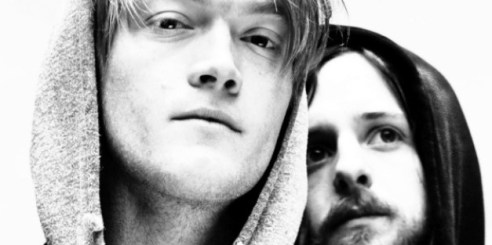
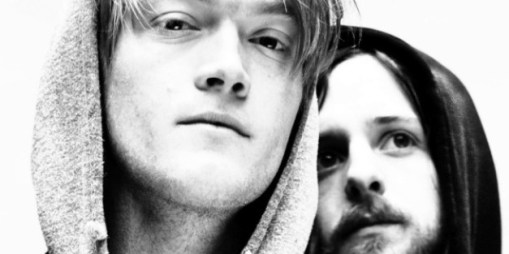
El dúo de San Francisco vuelve a escena después de 5 años para presentarnos un nuevo álbum llamado The Bloom And The Blight. En éstos años, ambos se han embarcado en sus proyectos en solitario, aunque el cantante y guitarrista Adam Stephens también ha tenido que superar el terrible accidente casi mortal que tuvo en la furgoneta de la gira de su anterior grupo. Llegado el momento y casi recuperado totalmente, vuelve a la banda en la que lleva tocando más de una decada para presentarnos posiblemente uno de sus mejores trabajos.
Adam y Tyson se conocen desde que tenían 5 años. Empezaron a tocar a la vez e hicieron sus primeros bolos en la calle, en house parties, en cuartos de estar o allá donde les dejaran. Aunque son etiquetados comunmente como una banda de folk, su último álbum destila un blues garajero desgarrador. La voz de Stephens está más afilada que nunca y en The Bloom And The Blight demuestra que nadie en el rock actual chilla como él. Tienen talento de sobra para estar mucho más alto que donde están. Aunque esto sea algo que aparentemente no les quita el sueño.
Los californianos han estado haciendo pleno en sus conciertos en España y han tenido tiempo para sentarse a hablar con nosotros.
Han pasado 5 años desde vuestro último álbum. En este tiempo habéis lanzado cada uno vuestros propios trabajos, ¿Ha influido esto en el nuevo álbum?
TYSON VOGEL: Bueno el estudio no es el sitio más confortable para nosotros, pero creo que grabar discos distintos nos ha permitido a ambos digamos el poder explorar el estudio de una manera diferente. Esto definitivamente inspiró nuestro planteamiento sobre el disco.
En The Bloom And The Blight trabajáis con un gran productor como es John Congleton (Modest Mouse, David Byrne, Explosions In The Sky). ¿Marca la diferencia un gran productor?
ADAM STEPHENS: Es genial, es un hombre muy inteligente, una experiencia muy reveladora. Ha sido un placer trabajar con él y fue divertido. Creo que el término productor es un término grande, porque tradicionalmente el productor tenía mucho que ver con los arreglos de las canciones, y cómo una canción determinada estaba compuesta, en cierta manera. Pero todo eso básicamente lo hacemos nosotros, él más o menos nos guía. Si teníamos alguna duda sobre algo él nos ayudaba. Si Tyson y yo no nos poníamos de acuerdo en algo el era algo así como la 3ª voz, y nos ayudaba a movernos en la dirección correcta ¿sabes? Pero creo que es mas bien un ingeniero con mucha perspicacia y mucha opinión. Quiero decir… quizás no le debería haber llamado eso.
TV: Asegúrate de que no salga en América. (risas)
Empezásteis en Alive Records, luego Saddle Creek y ahora con la compañía de Dave Matthews, ATO Records. ¿Significa eso que desconfiáis de las grandes compañías?
TV: Absolutamente. Pero la mayoría de nuestros planteamientos digamos que necesitan un ambiente artístico, con gente que innova, que tiene maneras creativas de promocionar la música y la cultura. En realidad Dave Matthews no tiene nada que ver con ATO Records, excepto que lo empezó e invirtió en ello pero básicamente es un socio ¿sabes? ATO lo lleva un grupo de 15 tipos realmente buenos.
AS: Es más un tema de relación personal, queríamos sentirnos en casa en algún sitio y ser amigos de la gente con la que trabajamos. No creo que tuviéramos esa clase de relación en una gran discográfica.
«En la música es bueno tener que pasar apuros.»
¿Cómo el el proceso de elaboración del álbum? ¿Construís los temas juntos?
TV: Sí bueno, creo que el método cambia con cada canción. Nunca es muy consistente realmente.
¿De donde sacáis la inspiración?
TV: Supervivencia.
Habéis tocado mucho en la calle, en fiestas, en bares… ¿Es algo que todo músico debería hacer?
AS: No creo que todo el mundo toque la música apropiada para estos ambientes. En la música es bueno empezar humildemente, tener que pasar muchos apuros y hacer muchos conciertos cutres. Adquieres un sentimiento de gratitud hacia cualquier logro que consigues. Pero esos conciertos fueron los más divertidos. Nunca hacíamos dinero, pero básicamente aprendimos a tocar y a montar un show. El estar tan cerca de la gente, cuando tocas en casa de alguien o en una pequeña habitación, todos sudando, es una experiencia muy impactante, estar tocando o incluso sólo mirando.
¿Lo echáis de menos?
AS: Bueno, lo cierto es que hicimos 3 giras por EEUU como esa, tocando en casas y espacios de arte y realmente en cualquier sitio que podíamos y fue duro ¿sabes? Muchas veces aparecías en una ciudad y no venía nadie a verte, o no había concierto, o el tipo que lo organiza se le olvida, o tocas en un salón con un tío y su hermano y cosas así. Todavía hacemos algo de eso cuando podemos, sobre todo en San Francisco, en casas y tal…
¿Intentáis reflejar las buenas vibraciones de los directos en el álbum?
TV: Intentamos ser lo más honestos que podemos en el disco. Cada álbum que hemos hecho ha sido un intento por capturar el sentimiento de un ambiente de directo. En las actuaciones las cosas cambian, el ambiente etc… así que intentamos encontrar esa pequeña área de control. El directo es probablemente la mejor manera de convencer a la gente.
«El directo es probablemente la mejor manera de convencer a la gente.»
¿Alguna vez habéis pensado añadir algún instrumento o incluso algún miembro a la banda?
AS: Lo hicimos cuando empezamos, pero enseguida fuimos un dúo y según íbamos tocando la gente pensaba que era bueno, así que lo decidimos así. No hacíamos otra cosa que tocar tocar y tocar y nos dimos cuenta de que estaba funcionando así que genial.
¿Parece que Brooklyn y Nashville se llevan la fama como cunas de escenas musicales pero cómo está la cosa en San Francisco?
TV: Es divertido porque SF siempre ha sido un lugar con gente muy artística. Hay muchas bandas haciendo mucha música allí. De hecho, en cierto modo, prefiero que no tenga la reputación de Brooklyn o Nashville, porque así lo hace único. Hay una cantidad ecléctica increíble de música en el corazón de San Francisco. Y así es como fuimos capaces de tocar nuestros primeros conciertos. Aprendimos que nos lo podíamos montar en la calle básicamente en cualquier lugar. Hacíamos conciertos callejeros robando electricidad de la estación de autobús. Éramos 3 bandas tocando 3 canciones cada una y compartíamos los instrumentos. A veces aparecían 150, 200 personas. Es algo que ya no existe pero representa de alguna manera el espíritu de San Francisco.
¿Influye de algún modo el lugar donde naces en vuestro estilo? ¿Sonarías igual si hubierais nacido en algún otro lugar?
AS: Creo que SF realmente nos ha permitido ser músicos y ser excéntricos ¿sabes? Sentirnos cómodos haciendo lo que queríamos hacer. Las condiciones en las que hemos crecido estaban muy ligadas a la creatividad. No era una locura la idea de intentar ser músico. Quiero decir, mis padres no parecían muy contentos al principio, pero en otros lugares hubiera sido en plan “ah, quieres ser músico, vaya pérdida de tiempo” pero en SF no sé, hay tal sensación de libertad artística y expresiva que tuvo mucho que ver en que lo intentáramos ¿sabes?
«Cuando estás fuera de casa lo único estable es lo inestable»
¿Qué escucháis fuera de Two Gallants?
TV: Escuchamos muchas cosas diferentes, desde el country al hip/hop. Pero ambos, como músicos que somos, digamos que es nuestra obligación escuchar música y aprender lenguajes que provengan de diferentes formas. Es importante ser abierto e intentar escuchar tanto como podamos. Además creo que nos mantiene sanos! (risas)
Habéis sido comparados en muchas ocasiones con White Stripes o Black Keys, pero ¿Con qué bandas os gustaría que os comparasen? ¿Qué bandas os influyen?
AS: Creo que no es una buena idea. Quiero decir, cuando empezamos a tocar era música de los años 20 y 30 y cosas de ese estilo, música americana, música de raíces sureñas. Tyson es más de cosas contemporáneas pero no sé, hay grandes bandas, My Morning Jacket es una gran banda, Elvis Perkins in Dearland es un disco que nos gusta mucho a ambos. Cass McCombs mola también.
TV: Vamos a tocar algunos shows con Deer Tick al final del año, esa es una banda muy buena.
¿Cuáles son vuestros planes inmediatos para el año próximo?
TV: Bueno, tenemos 4 conciertos en la costa Este, luego 2 semanas libres y luego un tour por la costa Oeste, California, y luego vamos a Australia. Luego creo que volveremos aquí. Confiamos en tocar tanto como podamos.
Última pregunta. ¿Sois felices?
TV: Mmm esa es difícil.
AS: Creo que eso es como una tarea diaria. Hay algunos factores que tienen que ver, como cuando estás fuera de casa y lo único estable es la inestabilidad. Es como si nunca supieras cómo te vas a sentir en tu regreso. Pero una cosa que puedo decir, es que cada vez que subimos al escenario, me siento bien. Eso es lo que hace que el resto del día valga la pena.
DB
Two Gallants – The Bloom And he Blight (PIAS) 2012. Ya a la venta.





















 R O C K A S T / /