

Sonic Youth, Nirvana, Dinosaur Jr, Pixies. Cuántas bandas no habrían nacido de no ser por estos padres. Se pueden imaginar el placer y el honor de entrevistar hoy a una banda que durante casi 30 años ha marcado tanto y a tantos. Una banda cuyo líder, J Mascis, llegó a rechazar ser el guitarrista de los Nirvana de Don Kurt Cobain hasta en DOS ocasiones. De ahí la fe de una banda que ya existía antes que Nirvana y cuya confianza compulsiva en sí mismos les ha llevado a lo más alto que una banda puede pedir: Tener un sonido propio, hacer buenos discos, triunfar, no venderse, y mantenerse en lo más alto.
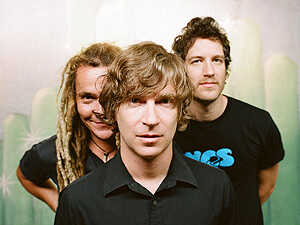
Con apenas unas horas de preaviso, el trío (o ex-trío) de Massachusetts nos concede una entrevista que tarda apenas unos segundos en incendiarse. Hablamos con Lou Barlow, que parece tomarse su participación en Dinosaur Jr más bien como un trabajo. El bajista, que antes de la reunión de la banda en 2005 había dedicado a J algunos bonitos improperios, está contento con la vuelta, acepta la situación dictatorial del grupo aunque las viejas rencillas no desaparecen. La primera en la frente:
¿Qué tal estás Lou? Es el primer concierto de vuestra gira europea, ¿cómo te sientes?
Estoy bien. Bueno, de hecho Murph nuestro batería huyó el día anterior en que se supone que cogíamos el avión para venir a Barcelona, así que tenemos un batería que le sustituye. Es un poco extraño.
¿Ha huido?
Sí… No se subió al avión. (risas)
¿Pero viene para el resto del Tour?
No, no viene.
¿Hay algún problema?
No. Ha cambiado de opinión y eso es todo.
Lou, ¿Cuál es la peor parte de estar de gira?
Supongo que tratar de estar sano, es duro. Hecho de menos estar en casa. Es horrible. Pero también me gusta viajar y hacer conciertos, así que no puedo decir que estoy triste, porque soy bastante feliz cuando estoy de gira. Es un balance bastante desconcertante entre la gente que amas y lo que haces.
Algunas reuniones de bandas acaban bastante mal, pero no sucedió con vosotros. ¿Temíais que no pudiera terminar bien cuando empezasteis? (la pregunta estaba prevista antes de saber lo de Murph)
Bueno quizás sí que tenía miedo al principio pero tan pronto como empezamos a tocar ya no sentía ningún temor.
«La banda es más importante que las relaciones entre nosotros.»
¿El hecho de tener familia y niños os ayuda a mantener la normalidad dentro de la banda?
No lo sé. Pero tener niños es tan natural para mí ahora que no puedo imaginarme sin ellos. Es duro imaginar que haría sin ellos. Antes de tener niños, mi vida estaba ya bastante preparada para tenerlos.
¿Qué es lo más importante para que una banda funcione? ¿Necesitáis ser amigos o solo hace falta que exista química entre vosotros?
¿Sabes? La música es lo más importante. La banda es más importante que las relaciones personales, las relaciones entre nosotros. Pero la música es lo más importante. Sin ser los mejores amigos posibles, si reconoces que la música es lo más importante puedes sobreponerte, porque te centras en un objetivo común.
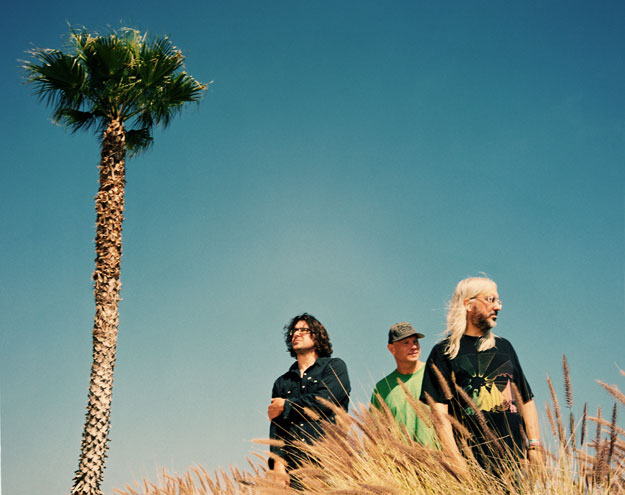
¿Cómo se siente uno cuando sabes que has creado escuela y has creado tu propio sonido del que copian muchas bandas?
Reconozco que la banda tiene un sonido único. Pero como fan de la música también reconozco que una banda que tenga un sonido propio es bastante inusual. Hay muy pocas. Los Ramones tenían un sonido propio, y las bandas imitaban ese sonido. Y por supuesto hay otras bandas pero en general me sorprende lo intercambiable que es la música rock. Creo que somos muy afortunados de tener ese sonido. Pero es porque nos centramos en ello cuando éramos jóvenes. Nos centramos en hacer un sonido que era muy intenso y que llegó a ser algo instintivo para nosotros.
En cierta manera no pienso en ello, pero como fan de la música lo entiendo. Aquí en Primavera creo que Animal Collective puede tener un sonido bastante único. O Grizzly Bear también, que cada vez que los escucho sé que son ellos. Pero es divertido como la mayoría de las bandas, incluso algunas que me gustan, suenan como comediantes de otras bandas.
«Tendríamos el mismo sonido sin un productor»
Habéis trabajado mucho con John Agnello. ¿Es tan importante la labor del productor en el sonido de la banda?
Bueno creo que sin productor tendríamos el mismo sonido… Aunque el sonido realmente le cae a J, J es realmente el productor de sonido. Quiero decir que John Agnello graba a otras bandas y el sonido es totalmente diferente a Dinosaur Jr. Y cuando graba con Dinosaur escucha lo que J quiere. J le dice a John lo que hay que hacer. Solo que John… como productor tiene… J ha trabajado con John desde principio de los 90. Casi 20 años de hecho. Creo que es más bien la relación que tiene J con John. Pero realmente pienso que podríamos mantener el sonido de la banda en cualquier momento porque J es muy particular en lo que quiere.
Tocasteis en el Terminal 5 de NY en el aniversario de You’re Living All Over Me con muchos amigos. ¿Cómo fue?
¡Oh sí, claro! ¡Me encantó. Lo pasé muy bien en ese concierto. Fue uno de los mejores.
«Hacer un álbum como You’re Living All Over Me es cuestión de suerte»
J dijo que era imposible hacer ese álbum otra vez. ¿Estás de acuerdo?
Sí, quizás. Sí creo que estaría de acuerdo en eso. Pero pasa con muchas otras bandas. ¿Haría Pink Floyd de nuevo The Piper At The Gates Of Dawn? No. ¿Haría Black Sabbath alguna vez Master Of Reality? No. O los Ramones. No puedes. O Lou Reed. ¿Haría Lou Reed The Velvet Underground & Nico? No. (risas)
Es suerte. Tuvimos suerte. Pero como he dicho, éramos muy jóvenes y estábamos muy concentrados en conseguir nuestro propio sonido y en hacer una banda única. Y lo conseguimos.
Las relaciones con J en el pasado han sido muy tensas, pero en este último álbum has participado más que nunca. ¿Te imaginarías Dinosaur Jr sin J?
¿Sin J? ¡Por supuesto que no! (risas). El puso el nombre a la banda, el creó el concepto de la banda, el sonido de su guitarra… (risas) él es la banda. No puedes ni siquiera escuchar el bajo o la batería en los discos. J es la voz dominante de la banda (risas).
¿Cambiarías algo en el sonido de la banda?
Sí me gustaría cambiar cosas. Como en los discos. J toca la guitarra principal y no hay más guitarras, luego baja hasta la batería y el bajo. Sería como sucede en el directo; me gustaría reflejar nuestro sonido en directo un poco más. Con suerte algún día. Y así es. Pero tan solo estoy soñando.
Pero para mí por ejemplo una banda me gana cuando definitivamente su directo supera con creces sus discos. Como es vuestro caso.
Sí, bueno lo sabemos pero… A lo mejor en el futuro. Creo que me encantaría hacerlo algo más minimalista.
¿Cuánto tiempo podremos contar con Dinosaur Jr?
No lo sé. No lo sé. Ahora que nuestro batería se fue corriendo no lo sé…
¿Cómo va tu proyecto con Sebadoh?
Acabamos de terminar el disco, tenemos un EP que sale en vinilo el mes que viene, y luego un LP que saldrá en vinilo por septiembre en Domino. Así que hay bastante música que saldrá pronto.
¿Cambiarías algo del pasado? ¿Crees que podrías haber sido un fenómeno tan grande como Nirvana?
No lo sé. J siempre dice que Dinosaur nunca podría haber sido tan grande como Nirvana por su voz, porque es muy chillona. Y Kurt Cobain tenía una gran voz para el rock and roll. Pero creo que si los Dinosaur originales hubiéramos seguido juntos podíamos haber sido un poquito más grandes. Pero nunca como Nirvana.
Y última pregunta: ¿Eres feliz?
¿Si soy feliz? (risas) Bueno, no soy infeliz. Tengo muchas cosas en mente.
David Bernardo































 R O C K A S T / /
«New bands shouldn’t listen to old bands» OCEAN COLOUR SCENE Interview.
We’ve had the opportunity to interview some very fascinating people here in Rockast, and probably the best part of interviewing somebody whose entire life is made of music, is to look at their eyes and realize they’re really up for the moment and won’t dodge any question. It’s just a little way of having contact with the fans and try to explain themselves from another point of view. Without the help of their music.
And some of those artists have always something to say and must always be heard. Especially the most experienced ones.
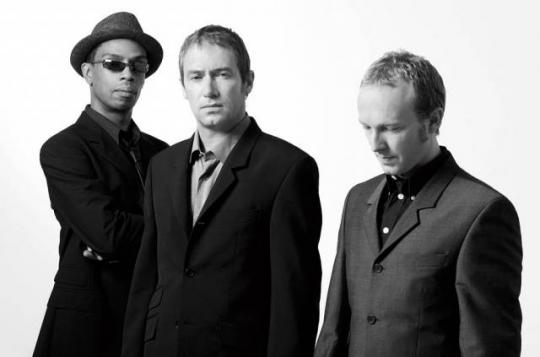
It’s an honour for us having Simon Fowler and Steve Cradock from Ocean Colour Scene here today. They’ve just released their 10th album called ‘Painting’ ([PIAS] 2013), and right in the middle of their Spanish tour, they let us get on their massive tour bus to have a chat about Brit Pop, drugs, record stores, Oasis, Paul Weller, Peace, bands that make shitty music, and even their next record! Definitely not to be missed.
How is the tour going so far?
SIMON FOWLER: It’s going pretty well, thanks. We’ve played 3 gigs so far in Spain. Zaragoza, Santiago and San Sebastián. Very good gigs.
I’ve seen you’ve also played outdoors this morning
STEVE CRADOCK: Yeah at the station, it was just 5 minutes walking from here. That was a bit strange, out of our routine
Painting is your 10th album, it’s been very well received, how do you feel about it? Were you looking forward to make it after your solo albums?
SF: Ahm, I think we really wanted to do it. We wanted to make a new album because we wanted to have new songs to play. And to play live. We spent the year before doing most of the shows up. And we needed something new. I found out that once an album it’s released, you kind of forget about it. We’ve been listening to some things Steve has been working on for the next record, we’ve been listening that the other night.
But you’ve released Paintings less than 2 months ago.
SC: You just don’t sit around and listen to albums really.
SF: I’ve never sat around listened to our own albums once they’ve been made.
SC: I think the reason might be that it’s quite intense when you’re recording it, isn’t it? You hear it so much when you’re recording that…
SF: Is the last thing you want to listen!
SF: You can listen to ZZ Top or Billie Piper’s new cd instead! (Laughs)
Which is the album your most proud of?
SC: I love the B-sides, Seasides and Freerides.
SF: Yeah that’s my favourite album too.
Back on the 90’s, the press was talking about Brit Pop, but now seems like everything is about TV shows and non-sense pop acts. So I guess, after all the Brit Pop scene wasn’t that bad, was it?
SF: It was good fun! Good fun all the time! Wasn’t it? Everyone was young, and everyone was taking lots of drugs. Everyone thought they were in the Beatles or Stones or the Who or the Kings! (laughs). It was a bit like being at school. But I’m not sure that we were Brit pop, I guess to you we are…
SC: Are we?
SF: I guess we were, but we didn’t feel.
But you’re always tagged as Brit pop, maybe just because you were there at that time.
SF: Yeah it was just because we were there. But we were taking us as far too seriously so that we were never a pop band. And I don’t think we were a pop band really.
SC: I think all that happen in London as well, and we lived in Birmingham. There’s 120 miles distance. And all bands lived in London really.
SF: As soon as Oasis made any money what did they do? They fucked off from Manchester and went to London.
SC: I think that everybody was going out and circulating in the same places that we never were really.
But you played with Paul Weller and Oasis back then, did that suppose a decisive boost for Ocean Colour Scene or is not that important?
SF: It’s probably not as important as people imagine, in terms of how we actually became popular. The two are different. Paul was our guardian I guess, our sponsor, a big brother. Steve started playing with him, and because of that we started going out on those early tours doing the support, going in coaches like this, into hotels and cities across Europe… It seemed that it was real, rather than just a hobby.
And Oasis… (thinks for few seconds), well playing with Oasis probably did nothing for us. It put a name in the cool crowd. But in terms of making us popular it didn’t. When we supported them on the first tour, when they were very popular, quite frankly no-one in the crowd wanted to see us. What really happened is that DJ Chris Evans played our song and made our album reached number 2 and stayed 6 months there. I think if it hadn’t been for Chris, it could have only been number 38 for 2 weeks, or something like that. That was the difference, the difference was radio.
You’ve been together more than 20 years, in these years many bands have come and gone, is there like a secret formula to be in the front line all this time?
SC: I think it’s because we stay friends.
SF: And I think the other thing is that, in reality, having that success in 1996, meant that it was something we could carry on doing and something that we could say that’s how we’re going to live adult lives, you know? And make a living. If it hadn’t happen in ’96, I don’t know what would have happen in reality. I’d like to think that we wouldn’t have split up but… I don’t know what would have happen really. So I guess it’s the fact that we are friends, and also became a real band, a real touring band, very professional.
SC: And also none of us got into heroin. I think that’s probably important.
If you had to start all over again, would you change something?
SF: I would change his jacket! (Pointing Steve’s jacket and laughing hard) Well I would have worked harder. I would have written more songs, I think.
But you used to write 3 songs in an afternoon right?
SF: Yeah that’s right. I used to write so that we had something to do. Me and Steve in particular, when we got into the recording studio near to where we lived. If I hadn’t written a couple of songs that night we wouldn’t have nothing to do the following day. And we should carry on writing more I think. But apart from that, no, because even the things that went wrong were funny. (Laughs) Most of the times we got into horrible trouble, that was funny as well. And still is.
The way to make music has changed a lot since you started, but do you reckon it’s actually easier for musicians this way than it was before?
SC: Yeah definitely. It’s much easier. When we started we recorded in 2’’ tapes, like the way they recorded in the 40’s, 50’s or 60’s. And the last 10 or 15 years, it’s totally changed. I don’t think they make tapes anymore.
SF: Yeah they probably don’t, do they?
SC: It’s all made on the digital age. Even Neil Young records, he records on tapes still, but he left digital computer software running alongside it.
SF: Well I’m useless with technology, I can’t use computers, I never use them, but Steve has learnt to record using a machine like this big, instead of the size of this bus, like they used to be. I think that we could make an album in this room. Which in a way I think… Is it sad?
SC: I think it’s a great idea.
SF: It’s actually funny, it’s like the punk ethos, has come around and no one knew how would fulfill it. There’s a democratization of music, anyone can really start making records, and they don’t need a hundred thousand pounds from a major record label, who are going to tell them how to make it.
Do you think listeners are getting lazy or superficial when listening music with the new options they have now? Seems like no one buys albums anymore.
SF: That’s a bit of a concern, when you’re in band, selling records. I don’t know to be honest, because I’m not of the generation. There’s so much information, within seconds you can listen any record, from any artist, from any era, and whatever type of music it is, that’s got to be good. But if you go to record shops, second hand record shops, you pay a fortune for records, £30 for a record I remember I sold for about a fiver when I was on the door with no money and no drugs. That’s crazy. Some of them are £12, some of them are £27, some of them are 30 quid, they don’t seem to have a…
SC: I think it’s the thickness of the vinyl, it makes the heaviest vinyl they normally are £20 in England I think.
Now that we can consider you music veteran, what would be your advice to the bands trying to make themselves a name out there?
SF: Don’t listen to old bands. Get a lawyer. I’d say. Get somebody who you can trust. I’m sure that a lot of bands have problems here and there with money, but I don’t know really.
SC: Get a lawyer and avoid heroin, I would say.
Birmingham’s got a huge musical background. Do you have any recommendations on new bands that you’re currently listening to?
SC: The Boatyman, but they’re not on the internet. Well, there’s just a song recorded at the Irish Centre. Oh and Peace. Do you know Peace?
Yes indeed, they got lot of press. I think they sound a little bit like The Stone Roses in some songs. (I’m thinking in Waste Of Saint, for instance)
SC: I don’t think they do, I think they sound more Brit Pop, poppy vocals…
If you had the chance to play your music anywhere or anytime in history, which place would it be?
SF: Monterrey festival, I think that’s the best festival I remember. But what about tonight in Madrid?
SC: King’s Road 67, when all went colourful.
What’s happening in music when a quality band like OCS doesn’t get to play Arenas more often?
SF: Well to play arenas, I think it’s just U2, Coldplay and probably Oasis, but they’re kind of all very bland don’t they? I don’t think they’re very intimate.
SC: Maybe you just have to play shit like that to get that big.
Are you happy?
SC: Yeah!
SF: Yeah I’m pretty happy, tonight yeah!
SC: He’s never happy. He’s always moody. He’s a miserable old man.
SF: No I’m not!! (laughing)
Paintings has been released by [PIAS] in 2013.
Comparte esto:
Deja un comentario
Publicado en Blues, british rock, folk, indie, rock
Etiquetado ocean colour scene 2013, ocean colour scene comments, ocean colour scene interview 2013, ocean colour scene new album 2013, ocean colour scene paintings, ocean colour scene paul weller, ocean colour scene vs oasis