It’s been an intensive journey for Band Of Skulls. Their new album evokes bluesy rock at its best and shows an increasingly distinctive sound. They have released “Himalayan”(Psycollective / [PIAS] 2014) this year and it has received very positive reviews from critic and fans.
Tired of being compared to QOTSA or White Stripes, the new album confirms they’re one of the most interesting bands in the british rock nowadays.
We got the chance to talk to Emma, Russell and Matt at their last visit to Spain during last edition of the DCode festival.
How are you? How is the tour going on?
Emma – Good. Yeah. We had a bit of time off but we’ve been touring from February this year, really.
Because now you’re playing until November I think and then going to Australia?
Russell – Yeah it never stops.
I think Himalaya it’s a pretty loud record. I don’t know if you agree but, Was that your intention after releasing Sweet Sour?
Emma – The loud sound.
Russell – Yeah I guess we compare our work with the other work we’ve done. So yeah we listened to the other records before we went into this new album. I guess we have to try to better ourselves, you know. I think this record’s quite a good combination of all the elements of the band. It almost sits in the middle of the other two records.
Your live performances are very powerful, were you trying to reflect that energy in the album?
Russell – Yeah, to a certain amount, but it is difficult. Making records is a different thing completely to playing a gig. But we try and keep the records not too, what’s the word? We try to keep them free. So when we record we might try and take a whole take and we don’t use any click tracks or anything if we can help it. We recorded all of the backing tracks together, which was a first for us really.
Are you still all involved in the writing process? Do you think is something important in order to keep a band together?
Russell – It takes a long time but it does produce really great songs I think. It’s the way we work. It just takes a long time for everyone to show their ideas and then we all start working on everything all at once. When we first start making a record there’s hundreds of ideas and we have to then edit them down into probably twelve songs.
Is there something in this album you’re particularly proud of, that for instance, you couldn’t hear in previous albums?
Russell – Particularly proud? No.
What makes this album special?
Emma – I think every record is special. We worked with Nick Launay for the first time. He produced this album. He mixed Sweet Sour so that’s how we got to know him. But he came in and brought his head and his ideas with it, which was a really great process and we learnt a lot. We were pushed and we pushed ourselves to follow through new ideas.
How’s been working with producer Nick Launay?
Russell – There’s freedom to try new ideas. Also it gave us the feeling that we could work with other people. We started to realise what elements are us and we can recognize what elements other people bring in. We learnt a lot. We understand our band a bit more after this record I think.
Do you kind of, get rid of pressure with the 3rd album?
Russell – Different kind of pressure.
Matt – There’s always pressure but it’s pressure we but on ourselves. Not from an outside kind of point of view. We want to make something we’re 100% proud of. That’s a big pressure in itself. So we were very pleased at the end of the process when we could sit and listen to this record and be 100% proud.
Russell – And having three records now has almost taken the pressure off. At our gigs, we’ve got enough songs now to make our show how we’ve always wanted it to be I think. But then you’ve got this responsibility of all this other music. It gets difficult to choose the songs to play.
«Everyone is putting synthesizers on a record because they feel they have to»
I reckon Band Of Skulls is a band that don’t complicate too much when recording an album, but are you tempted to add digital sounds, synthesizers or something like that?
Russell – We have lots of things on are records and we always have done. We just never talk about it so no one ever says, “there’s a synthesizer there.” If you really listen there’s a lot of things that are not quite as they seem. That’s what making records is. It’s not the powerful live thing. It’s making an experience for your headphones. So we’re really open minded in the studio. We use small, subtle sounds that just make the record more interesting. And just under a hundred guitars.
Emma – It’s all for the good of the song. It’s got to benefit the song somehow if we’re going to use a different instrument. There’s got to be a reason for it.
Matt – Yeah. Anyone putting synthesizers on a record because they feel they have to, because everyone else is, that’s a very bad way to approach making records.
In fact, you’re pretty difficult to label or to tag you in a specific style. Is that the secret to survive in the music industry today?
Russell – The secret really is to be yourself and then if someone criticises your music you go, “OK we’re just being ourselves”. You’re not trying to be of a certain style or era or fashion. And then when people do like what you’re doing you can feel 100% proud because it’s your work. That’s probably our secret. We believe in our music because it really is from us. There’s no other thing going on.
The album has been out for only few months, but do you already have an idea of how do you want to sound like in the next album?
Russell – It comes naturally. I think in the next few months we’ll start talking about it. You always learn from making a record and then touring that record. So I think we’ve learnt a bit more about ourselves by playing these songs live. We tried to write quite challenging songs this time. They weren’t easy to play. It might be nice to play some more natural songs. Songs that come a bit more naturally. We’ll have to see though. Who knows?
I want to ask you something. Talking with Liam from The Courteeners, he said that it comes down to one person, in the UK to get on Radio 1. Is it really that hard? Is it something that you worried about or do you consider yourselves more of a word of mouth band?
Russell – We definitely started out as a word of mouth band. But we have also had some moments of being played on the radio. And it’s true, it’s a very small amount of people that can say yes or no to which music goes on the radio. The trick is not to be too disheartened if this particular moment is not yours. You just have to carry on working and it comes around again. You can’t have the same ten songs on the radio all year long. Just go and write another song.
Also, I’d like to ask you about your covers, they look very psychologic.
Emma – They’re kind of abstract. It’s a collaboration usually. We came up with a theme that we wanted from the beginning and that’s fed through all three albums. So the first was a painting of mine, the second was a sculpture we had made by someone else and the third was a computer generated image of the sound waves of Himalayan, the song. So we just tried to keep a theme.
Russell – The covers are much more difficult than the music. Coming up with another idea to beat digital soundscapes is going to be… who knows?
What about the name of the album?
Russell – It was something to aim for. There was a lyric and then a song. And then Emma came in with the title, put it in the pot for consideration like we do with everything. It felt like a good thing to call the record that we hadn’t finished. It gave us something to aim for. You can’t make a record call Himalayan and it be damp. It has to be proud of itself. So that’s when the record got even louder – when it got it’s title. And last quesiton. Are you happy?
Emma – Yeah
Russell – We’re in Spain so if today we weren’t happy it would be bad. So we’re very happy. And why not?
El tercer álbum de Band Of Skulls no debería pillarnos de sorpresa. Los de Southampton continúan en “Himalayan” (Psycollective / [PIAS] 2014) un intenso viaje cargado de rock blusero y ganchos directos evocativos a la época del glam. Sus intensas giras con Queens Of The Stone Age o Muse, parecen haberles servido para encerar un sonido que empieza a ser rápidamente reconocible. Cansados de las comparaciones con White Stripes, QOTSA, o BRMC, vienen a presentar un nuevo disco que arriesga sin escatimar en riffs y les coloca en una cómoda posición entre el mejor rock británico del momento.
Hoy tenemos la oportunidad de hablar con el trío aprovechando su paso por España. Emma Richardson,Russell Marsden y MattHayward nos explican sus impresiones del nuevo álbum, la industria británica y sus secretos en la composición.
¿Qué tal estáis? ¿Cómo está yendo el tour?
Emma: Bien, tuvimos algo de tiempo libre pero realmente hemos estado de gira desde Febrero este año.
Estáis de gira hasta Noviembre y luego Australia ¿Verdad?
Russell: Sí, esto nunca se detiene.
Pienso que Himalaya es un álbum que suena muy potente. No sé si estáis de acuerdo, pero ¿era esa vuestra intención después de lanzar Sweet Sour?
Emma: El sonido tenía que ser fuerte.
Russell: Sí supongo que comparamos nuestro trabajo con los otros álbumes que hemos hecho. Escuchamos los otros discos antes de ponernos con este álbum. Supongo que tenemos que intentar superarnos a nosotros mismos. Creo que este disco es una buena combinación de todos los elementos de la banda. Se encuentra entre los otros dos álbumes.
Vuestros directos son muy potentes, ¿Intentabais recoger esa energía en el álbum?
Russell: Sí, hasta cierto punto, pero es difícil. Hacer discos es algo completamente diferente a los directos. Pero intentamos que los discos no sean… ¿Cómo es la palabra? Intentamos que se mantengan libres. Así que cuando grabamos podemos probar y hacerlo todo en una toma sin metrónomo si lo podemos evitar. Grabamos todas las bases juntos, lo que ha sido algo nuevo para nosotros.
¿Seguís componiendo los tres juntos? ¿Ayuda de alguna manera a mantener la banda unida?
Russell: Lleva mucho tiempo, pero sí que hace que de verdad se produzcan grandes canciones yo creo. Es la manera en que trabajamos. Solo que lleva más tiempo para todos el mostrar las ideas y luego comenzar a trabajarlo todo a la vez. Cuando empezamos a hacer un disco siempre hay cientos de ideas y tenemos que editarlas y dejarlas en 12 canciones probablemente.
¿Hay algo de este álbum de lo que estéis particularmente orgullosos?
Russell: Particularmente orgullosos no…
¿Qué hace especial este álbum?
Emma: Yo creo que cada disco es especial. Hemos trabajado con Nick Launeay por primera vez. Él ha sido quien ha producido el álbum. Había mezclado “Sweet Sour” así que así es como le conocimos. Pero vino y se trajo su cabeza y sus ideas, lo que resultó en un gran proceso del que aprendimos mucho. Nos presionaba y nos presionábamos a nosotros mismos para conseguir nuevas ideas.
¿Cómo ha sido trabajar con Nick Launay?
Russell: Hay libertad para intentar nuevas ideas. También nos dio la confianza de saber que podíamos trabajar con otra gente. Empezamos a darnos cuenta de los elementos que son nuestros y los que ha traído otra gente. Aprendimos mucho. Entendemos nuestra banda un poco más después de este disco.
¿Se sacude uno la presión al tratarse del tercer álbum?
Russell: Es un tipo de presión diferente.
Matt: Siempre hay presión, pero es presión que nosotros mismos nos imponemos. No desde un punto de vista del exterior. Queremos hacer algo de lo que estemos 100% orgullosos. Eso es ya una gran presión en sí mismo. Así que estábamos encantados al final del proceso, cuando nos pudimos sentar a escuchar el disco y estar orgullosos al 100%
Russell: El hecho de tener tres discos ya nos ha quitado casi toda la presión. En los conciertos ahora tenemos suficientes canciones para hacer el espectáculo como siempre hemos querido que fuera. Pero luego tienes toda la responsabilidad para toda esta otra música. Se vuelve difícil qué canciones elegir para tocar.
«Hay muchas cosas que no son lo que parecen»
Creo que Bands Of Skulls es una banda que parece que no tiende a complicarse demasiado a la hora de grabar añadiendo sonidos digitales, capas y sintetizadores.
Russell: Tenemos muchas cosas en nuestros discos y siempre las hemos tenido. Nunca hablamos de ello así que nunca nadie dice “hay un sintetizador ahí”. Si te fijas bien hay muchas cosas que no son lo que parecen. De eso se trata al hacer discos. No solo es el tema de directos potentes. Es el hecho de hacer una experiencia para tus auriculares. Tenemos la mente realmente abierta en el estudio. Utilizamos pequeños sonidos, imperceptibles que consiguen hacer el disco más interesantes. Y unas cien guitarras.
Emma: Todo es por el bien de la canción. Tiene que ser en beneficio de la canción de alguna manera si vamos a usar un instrumento diferente. Tiene que haber una razón para ello.
Matt: Sí, todo el mundo está poniendo sintetizadores en los discos porque sienten que lo tienen que hacer, porque todo el mundo lo hace, y es una mala estrategia para hacer discos.
De hecho, sois bastante complicados para etiquetaros en un estilo. ¿Es ese el secreto para sobrevivir en la música hoy en día?
Russell: El secreto realmente es ser tu mismo y luego si alguien critica tu música puedes decir “Vale, estamos siendo nosotros mismos”. No estás intentado ser de un estilo, de una era o de una moda. Entonces cuando a la gente le gusta lo que haces te puedes sentir orgulloso al cien por cien porque es tu trabajo. Ese es probablemente nuestro secreto. Creemos en nuestra música porque viene de verdad de nosotros. No hay nada más.
“Himalaya” ha salido hace solo unos meses, pero tenéis en mente ya alguna idea de cómo queréis que suene el próximo álbum?
Russell: Surge de forma natural. Creo que en los próximos meses empezaremos a hablar sobre ello. Siempre aprendes de hacer un disco y salir de gira con ese disco. Así que creo que hemos aprendido un poco más sobre nosotros al tocar esas canciones en directo. Hemos intentado escribir canciones más exigentes esta vez. No eran fáciles de tocar. Puede ser bonito tocar canciones más naturales esta vez. Canciones que surjan manera más natural. Tenemos que ver eso, ¿quién sabe?
Quería preguntaros algo. Hablando con Liam Fray de los Courteeners, me comentaba que en Reino depende de una sola persona salir en BBC Radio 1. ¿Es realmente tan duro? ¿Es algo que os preocupe u os consideráis una banda de boca a boca?
Russell: Definitivamente empezamos como una banda de boca a boca. Pero hemos tenido algunos momentos en los que nos han puesto en la radio. Y es verdad, hay una cantidad muy pequeña de personas que pueden decir sí o no a qué música sale en la radio. El tueco está en no desanimarte si este momento en particular no es el tuyo. Solo tienes que seguir trabajando y volverá de nuevo. No puedes tener las mismas diez canciones sonando en la radio todo el año. Tienes que ir y escribir otra canción.
¿Qué hay de las portadas? Parecen muy psicológicas.
Emma: Son algo abstractas. Normalmente son una colaboración. Salió un tema que queríamos desde el principio y es lo que se ha ido alimentando a lo largo de los tres discos. Así que el primero era un cuadro mío, el segundo era una escultura que nos hicieron, y el tercero es una imagen generada por ordenador de las curvas de sonido de “Himalayan”, la canción. Intentamos mantener una temática.
Russell: Las portadas son mucho más difíciles que la música. Conseguir otra idea que supere los paisajes digitales a va a ser… ¿Quién sabe?
¿Y el nombre del álbum?
Russell: Era algo que teníamos como objetivo. Había una letra y luego una canción. Y luego Ema sugirió el título y lo puso sobre la mesa para considerarlo como hacemos con todo. Nos pareció buena idea llamarlo así a un disco que no habíamos terminado. Nos dio un objetivo que teníamos que conseguir. No puedes hacer un disco llamado Himalaya y que sea una decepción. Tiene que estar orgulloso en sí mismo. Y es ahí cuando el disco se volvió incluso más potente, cuando le pusimos el título.
Última pregunta. ¿Sois felices?
Emma: ¡Claro!
Russell: Estamos en España así que si hoy no somos felices eso sería triste. Somos muy felices, ¿Porqué no serlo?
Music can be very cruel at times. It must have happened somewhere, somehow and for a reason which is hard to explain. James stated making music back in 1982, and managed to make themselves a name into the complicated British music scene, alongside names like Smiths, DeaconBlue, SimplyMinds or U2. It’s just incredible to name those who were their openers these years: HappyMondays, StoneRoses, Nirvana, Radiohead, Supergrass, Doves or Coldplay among others, saw their popularity grow after playing for the mancunians. Great musicians who have taken their music across the globe, getting to be widely recognised in every corner of the planet with completely different albums in each country.
James have made music in four different decades, and now more than ever, they consider themselves a family. The media and music industry has been unfair to them, and it still seems like the music owes them something. This year they’ve released “La Petite Mort” (BMG/Cooking Vinyl), six years after their last LP. The subject of the death is floating around the album, but viewed from a different perspective, after the mother and best friend of Tim Booth passed away.
It’s an honor for us to talk to them through Jim Gleenie, co-founder and bassist of James, who speaks about the career of the band, the importance of the success and their brand new album.
In 2008 you were singing “I’m alive” during the song “Bubbles”,and on this new album your focus on death actually. Does it seem like a big change in few years?
Well, I think it probably does, I mean I suppose, you know, the song «Bubbles» was reflecting the birth of Tim’s son and lots of the members of the band have got children. And I’ve got children, you know, so I think we’ve all been through through that very incredibly positive, wonderful, you know amazingly magical experience which is the birth of a child. It’s also, I mean being, you know, the age that we are though as men and musicians, we’ve also experienced someone dying. And I think something like birth is addressed very much, you know, in life. You know, it’s a topic of conversation which is obviously very positive. But something like death, I think particularly in the west and particularly well from our knowledge actually in Britain, death is something which isn’t discussed. It’s something which happens but then we talk about it like it doesn’t exist for the rest of the time. And I think this record, well reflects to some degree I think the bands personal experience of losing your mother and a close friend last year, which I think impacted on the lyrics. But I think also, just our desire to somehow kind of shed some light on the subject and not in a negative way, not in a sad, depressing way but quite a joyous uplifting way. But you’re right, the contradiction, I’d never really thought of it like that I suppose. Yeah, and the contrast between that and “Bubbles” and the concept of some of these songs is quite different isn’t it?
«I don’t think we’ve got the recognition we deserved»
Despite of the title of the album and the main subject, I think the album is very positive don’t you think?
Yes, I do, I do indeed. I think musically it’s focused and the emotion on the record is very positive. I think this is kind of what we wanted to get, ‘cause the thing is it’s difficult when you say that this an album dealing with something about death. Because it entails of your songs to be very miserable and I don’t think the record is. But I think also Tim had to use it, death as a metaphor for change as well, you know, it’s not just literally about people dying. And we have made the record very, very low places and very joyous and very celebratory. And even with the album title, «La Petite Mort», you know it means it means the little death bed often means often means an orgasm. You know, it’s body is trying trying to get humor in it. The album’s lead, the stork, you know, that kind of utilizing Day of the Dead in between. Day of the Dead is a huge celebration of you know relatives and family friends that have died. It’s certainly not a depressing and miserable time. And I think that’s kind of what we wanted to reflect on the record, you know that death is something which – like it or not – you know, it happens to us all. And somehow treat it in a more everyday way but on the same hand, you know thinking positive. The last thing we wanted to do was make a miserable record.
Now Tim lives in California, is it harder to keep the band together when it comes to make an album?
Well we all live quite a long way from each other, even the people that still live in Britain, we don’t really live close to each other It’s quite an effort, I mean we have to put, you know, the time in just to make sure that we can write songs and that we can work on songs. We kind of need to be in the same room together because we can’t do it digitally like I did things for each other. So what we tend to do is, we just make sure that we have that time. You know, we could play a festival and take some extra days and well go to the studio and we’ll write some music. We just make sure, you have to make that time, you know? You have to dig a little bit more difficult because we don’t just live down the road from each other. You have to kind of block in, block the time. But it tends to be quite tense, you know it’s like when we get together to do some work like that, you’ll have long days, having a ball what we’re doing. So it tends to be more productive, I think that’s because you know it’s not that easy to get together. Well you’ve just got to, you know, work around those issues, but it’s not been a problem.
«We couldn’t have handle the success of the Smiths»
In La Petite Mort you’ve worked with Max Dingel. How was it? Did he take the best of you?
I think so yeah, with this record I think we were, we knew we’d written a good bunch of songs, we knew knew we were very, very happy with the songwriting. And we wanted a great sounding record and we liked the stuff that Max Dingel has really got, Glasvegas, and Killers and Muse. And he’s made great sounding records. And we met him and we liked him, we liked his attitude, and we went in the studio for three days with him just to see how things worked out, and it worked really well. He kinda brought like a sonic power, I think an energy to what we do. I think we’ve had that live in the past, but maybe not always translated in a record. And Max is, he’s like a mad scientist. He has all the proper equipment that he’s kind of gathered from all corners of the globe and he fills the studio with it. And he’s arranging, kind of really, really focusing in on the sound of his instruments, getting it sounding incredible before you actually play anything. And I think the record reflects that, that we’re really, really, really happy with how it went on from the core. I mean it’s brutal at times, it’s a big record, the songs are quite abrasive. But I think that’s to do – I think that that is some of the energy and the power that we get when we play live. I think he’s captured that on the record.
You started making music before The Smiths, but they got famous very quick. If you James have had the same quick success, could you have handled it? would you have been able to handle it?
Well absolutely not. Isn’t it, it’s funny you’ve asked that question because myself and Tim were talking about this the other day. How The Smiths were instantly ready for success. As soon as you saw the clip, you know, you knew they were going to be massive and they were ready for it. James took a long time to get recognition and we were very fragile as a band in the early years, us as people, and we wouldn’t have survived – absolutely certainly not. And our road has been a long one, it’s been quite a slow, laborious, difficult road at times, but we’ve needed that, and I think that is the reason we’re still here. You know, we’ve had a chance to let our music find out what we want to be. The relationships in the band have changed. We’ve gone through disasters and fixed the disasters and you know we called friends again. And that’s that journey, it’s been quite private, I don’t think it’s been something that’s been out there in the public limelight. And I think that’s because, a lot of the time we kind of keep ourselves to ourselves. We’re not a band that looks for glory or we’re not a band that’s been in a hurry to kind of get that success and God blessed us there. I think you’re dead right, if we’d have had the success that quickly, as quickly as The Smiths did, we’d have burnt out, we’d have had probably two or three years to the max at the end of it.
«We’ve had a chance to let our music find out what we want to be.»
At this point of your career, what would you think is the secret of success? What would be your advice for the young bands trying to make themselves a name out there?
Wow, I think still enjoying what you do, being happy doing what you do. Still looking for challenges in yourself. I think as a band, which we still think that there’s something that we need to achieve, we need to prove something. I don’t know what that is and I don’t know who we’re to prove, you know? Whether we’re trying to prove it to the world or to ourselves, I don’t know. But there’s a hunger still there that we kinda want something, that we need something and I really don’t know what that is. And I think you still have to have that, and you have to get on with each other. Bringing up something in the past which James has suffered from, you know, we’ve had – we’ve made great records, but a lot of the time it’s been quite difficult. It’s been difficult within the industry, it’s been difficult within the relationships within the band. But I think what we’ve learned from the last probably 10 years of being together is that you can actually enjoy it. You can not just have a great job where you’re doing what you love, but you can actually enjoy it at the same time. And I think it took a long time for us to realize that to be honest.
Quite often, being a musician means that you have to show your personality and personal life in the music you make, so you lose some intimacy. Is it something that is implicit in a musician?
I mean is it, your private life becomes public, is that what you’re saying? I think you’re right but I think that obviously when you choose to do the job that we’ve chosen, a large proportion of your life is public and there’s nothing you can do about that, you know? If you look for success then you’re going to get that attention and you can’t switch that off at all, but you want to. You know, you can’t ask people not to be there some of the time and there’d be, you know, other times it sucks you are in the public eye. What you do, what you say any lyrics you write, your attitude, and you’re out there for the world to see. I think it’s especially now with social media, you know, things get spread very, very quickly. So you can say something and bang it’s right across the world. Perhaps that’s just the nature of the world we live in isn’t it? It seems like there’s a loss less privacy. You have people on social media that means less privacy, I’ve noticed that’s quite rife. But I suppose just that, you know, you have the option. James has a public face, you have to try to keep some part of you private and where you have to try to keep some part of that into normality in your life and not let something like James rule everything, you know? I think we’re lucky in some respects, you know we’re not huge mega stars who can’t leave the house, you know? We don’t have that kind of difficulty to deal with. But I suppose it’s, one of the negatives, one of the few negatives of a job which is very, very positive.
Now that you’ve been making music in 4 different decades, could you tell me your point of view about the situation of music nowadays? What’s the best and the worst from these days we’re living?
I love what music is out at the moment. I mean, I listen to a lot of music. The last albums I bought, I suppose were, the new Elbow album, or TheNational… I think there’s some great music out there still. But the industry’s changed a lot, a completely huge change in the time that I’ve been involved in the music business. It’s just how the industry has shifted. Is it better, is it worse? I don’t really know, I think in some respects, it’s both. It’s easier for a band to be getting on without having to deal with the industry, you know? Because you’ve got Facebook, you can get your music out to people very easily. And it comes down to a lot of choice, not just one in the change of music out there. I think we still have got, you know, you’ve still got to look hard to find good music. And I call to the fact that the industry has shifted away to some degree from this record thing. In your mind, there’s more of them to see from live music then, which is absolutely wonderful but that might close because that’s without even a chance to be found. People still come to concerts, people still come to festivals, you know? But for us that is fantastic, but will not always be. We expect it to be this then we have to do the job. So it’s always changing, I mean the industry now doesn’t seem know what it’s going to be or what it wants to be. And in a band you have to reflect that, you have to kind of keep an eye on the changes that are happening around you. And change what you do, then change your plans accordingly.
«The music industry now doesn’t seem to know what it’s going to be or what it wants to be»
If you had to start the band now, would it be harder than in 1982?
I think it probably would. I think the way that we got successful was down the very traditional route. But it seemed quite obvious what we had to do, it was the specific need to do it. But I think there’s a very traditional route there. You go play concerts, you get you know, some articles in the press and you get in contact with a record company, you maybe get signed, you need to clothes, get on the radio. The route to the industry was a lot clearer than I think it is now. I don’t know, I wouldn’t know how to do it now, of what to do. Yeah, I think it is harder, I think I’d be harder for us at least. I wouldn’t quite know how to do it, I wouldn’t know where to start really, the relationship is vague they just go out there and play some music and see what happens. I don’t know, I really don’t know.
At the end o the day, if a final moment had to come, would you think the people, fans, not fans, musicians, the media, have done justice to all what James has given to the music? Do you think you have the recognition you deserve?
This is going to sound terrible, and it’s going to sound really, really ungrateful and I don’t mean it to sound like this. But no I don’t think we’ve got the recognition we deserve. Which sounds ridiculous because I’ve had an amazing life of music and am having an amazing life of music. But no I don’t think we’re big as we deserve to be and I don’t think we’ve had the recognition from the press or the media or the industry that we deserve. You know, again, as I say, I was embarrassed to say that because my life has been a wealth of riches because of music but I have had an amazing life. The whole of my adult life has been doing something that I absolutely love and to passionately dispute that it could have more is confusing. However, for me to say something that’s negative about our position that was ridiculous. Because I am in such a privileged position. Though I’ve had to, the answer is that yes I sort of do feel a bit lacking of recognition.
And last question, are you happy?
Very happy, very, very happy. I’m happy in James, I’m happy in my personal life, I got married a few years ago. I’m very happy. I live in a lovely part of Scotland, and Music quite seems to have gone wonderfully well for us at the moment. It feels like almost a new chapter for James with this record. It feels like some doors have been opened which has been a struggle for us. And we’re loving playing the songs, and as I said before, we’re getting on well, which means we’re obviously enjoying being together.
La música en ocasiones puede ser muy cruel. Debió suceder en algún sitio, de alguna manera y por alguna razón que es difícil de explicar. James empezaron en la música en el lejano año 82, y consiguieron hacerse un hueco en la complicada escena británica, junto a nombres como Smiths, DeaconBlue, SimpleMinds o U2. Solo nombrar a quienes fueron sus teloneros estos años da vertigo: HappyMondays, StoneRoses, Nirvana, Radiohead, Supergrass, Doves o Coldplay entre otros, veían como su popularidad crecía tras abrir para los de Manchester, mientras estos se quedaban a verlas venir. Grandes músicos curados de todo espanto, han conseguido llevar su música por todo el planeta, logrando incluso el mérito de ser abiertamente conocidos en cada rincón del planeta con álbumes completamente diferentes en cada país.
James han hecho música en cuatro décadas distintas y han sabido sobreponerse a las dificultades contra viento y marea. Es precisamente ahora, después de sus más y sus menos, cuando se consideran más que una familia. Destinados a sufrir la indiferencia intermitente de los medios, viven con la espina clavada de saber que la música les debe una. Una banda que nunca contó con la estrella de los Smiths, pero de quienes pronto se ganaron el respeto, consiguiendo que los de Morrissey canten sus canciones y les inviten incluso a tocar con ellos.
Este año han lanzado “La Petite Mort” (BMG/Cooking Vinyl) seis años después de su último LP. El álbum viene envuelto en la temática de la muerte, pero vista desde otra perspectiva. Abarcándola con total naturalidad, después de la muerte de la madre y el mejor amigo de Tim Booth.
Es un honor para Rockast poder hablar con ellos a través de Jim Gleenie, co-fundador y bajista de la banda, que nos explica con toda sinceridad su interesante punto de vista del nuevo álbum, la historia de la banda o las nuevas tecnologías.
¿Qué tal Jim? En 2008 cantabais “I’m alive” en la canción “Bubbles” y en este nuevo álbum os centráis en el tema de la muerte. Parece un gran cambio en en pocos años.
Supongo que sí que lo es. Quiero decir, la canción “Bubbles” reflejaba el nacimiento del hijo de Tim (Booth). Surgió en una época donde muchos de los miembros de la banda tuvieron niños, así que creo que todos hemos pasado por esa experiencia increíblemente mágica, positiva y maravillosa, que es el nacimiento de un niño. Pero al mismo tiempo, con la edad que tenemos, como hombres y como músicos, también hemos experimentado la muerte de alguien. Un nacimiento se plantea sobre todo en vida. Quiero decir, es un tema de conversación que es obviamente muy positivo. Pero algo como la muerte, particularmente en el oeste y por lo que conocemos también en el resto de Gran Bretaña, es algo que no se discute. Es algo que sucede pero luego hablamos de ello como si no existiera el resto del tiempo. Creo que este disco refleja hasta cierto punto, el punto de vista personal de la banda al perder a tu madre y a un íntimo amigo el pasado año, algo que influyó en las letras. Pero también nuestro deseo de alguna manera, de arrojar algo de luz en el tema, pero no de una manera negativa, ni triste, ni deprimente, sino una manera alegre e inspiradora. Pero sí, tienes razón en la contradicción, nunca he pensado en ello de esa manera. El contraste entre este tema y “Bubbles”, y el concepto con algunas de las canciones del álbum es bastante diferente ¿Verdad?
«Como banda, todavía hay algo que tenemos que demostrar. Pero no sabemos qué es, ni a quién se lo tenemos que demostrar.»
A pesar del título y temática del disco, es un álbum bastante positivo.
Sí, sí que lo es de hecho. Pienso que musicalmente está basado en la emoción y eso es algo muy positivo. Creo que es más o menos lo que buscábamos. Es difícil cuando dices que este álbum trata sobre la muerte. Porque eso implica que tus canciones deban ser tristes, y no creo que el disco lo sea. Pero creo que Tim también tenía que utilizar la muerte como una metáfora para el cambio. Es decir, no trata literalmente de gente muriendo. Hemos hecho un disco de perfil bajo, muy gozoso y muy festivo. Incluso el título del álbum, “La Petite Mort”, significa “la pequeña muerte”, que se refiere a un orgasmo. ¿Sabes? El disco intenta sacar el humor que lleva dentro. Pero se guía por el Día de los Muertos. El Día de los Muertos es una gran celebración de familiares y amigos que han fallecido. Y en absoluto es un momento triste o depresivo. Y creo que eso es lo que queríamos reflejar en el disco, el hecho de que la muerte es algo, que te guste o no, nos pasa a todos. Y tratarlo de un modo normal y llevadero, pero al mismo tiempo pensando en positivo. Lo último que queríamos hacer era un disco triste.
Ahora que Tim vive en California, ¿Es más duro mantener la banda unida cuando llega la hora de grabar un álbum?
Bueno, todos vivimos bastante lejos los unos de los otros. Incluso la gente que estamos en Gran Bretaña tampoco vivimos realmente cerca entre nosotros. Supone un gran esfuerzo. Tenemos que organizar bien el tiempo para asegurarnos de que podemos escribir canciones y trabajar en ellas. Pero también por la manera que tenemos de escribir. Tenemos la necesidad de estar todos juntos en el mismo lugar, porque no podemos hacerlo digitalmente, como solíamos hacer en el pasado. Así que tendemos a asegurarnos de que disponemos de tiempo. Podemos tocar en un festival y coger unos cuantos días extra e ir al estudio y escribir nuevos temas. Nos aseguramos de tener ese tiempo. Tienes que organizarte un poco más, y es difícil porque no vivimos uno al lado del otro. Tienes que bloquearte esos días. Y son muy intensos. Cuando nos juntamos para trabajar, son largos días disfrutando al máximo de lo que hacemos. Tienes que arreglártelas con esos inconvenientes pero no ha sido un problema.
«No creo que tengamos el reconocimiento que merecemos»
En “La Petite Mort” trabajais con Max Dingel. ¿Cómo ha sido? ¿Ha sacado lo mejor de vosotros?
Creo que sí. Mientras escribíamos el disco sabíamos que estábamos escribiendo un buen puñado de canciones. Estábamos muy contentos con la composición. Queríamos un disco que sonara grande y nos gustaba mucho lo que había hecho Max Dingel con Glasvegas, los Killers o Muse. Ha hecho grandes discos que suenan muy bien. Nos conocimos y nos gustó. Nos gustó su actitud. Pasamos tres días en el estudio para ver cómo funcionaban las cosas y fue realmente bien. Es como si aportara una especie de poder sónico, más energía a lo que hacemos. Creo que hemos obtenido eso en directo antes, pero quizás nunca lo hemos trasladado a un disco. Y Max es como un científico loco. Tiene todo el equipo adecuado, con el estudio lleno de todo lo que ha ido reuniendo por todos los rincones del mundo. En los arreglos se concentra especialmente en el sonido de los instrumentos, consiguiendo que suene increíble incluso antes de que toques algo. Y creo que el disco refleja que realmente estábamos muy, muy, muy felices con cómo fue desde la base Quiero decir, por momentos es brutal, es un gran disco, las canciones son bastante abrasivas. Pero eso es lo que somos. Creo que eso es algo de la energía y la potencia que conseguimos cuando tocamos en directo. Pienso que Max ha capturado eso en el disco.
Empezasteis a hacer música antes que los Smiths, pero ellos se hicieron famosos muy rápido. Si James hubiera tenido el mismo éxito, con la misma rapidez, ¿Crees que hubierais sabido llevarlo?
En absoluto. Es curioso que me preguntes esto porque el otro día precisamente lo hablábamos Tim y yo. De cómo los Smiths estaban instantáneamente preparados para el éxito. Tan pronto como veíais el videoclip, sabías que iba a ser grandes y que estaban preparados para ello. A James le llevo un largo tiempo conseguir reconocimiento; éramos muy frágiles en los primeros años como banda, y nosotros como personas, no hubiéramos sobrevivido. En absoluto. Con toda certeza. Nuestra carretera ha sido larga. Muy lenta y laboriosa. Difícil por momentos, pero era lo que necesitábamos y creo que esa es la razón por la que estamos aquí todavía. Sabes, hemos tenido la oportunidad de dejar que nuestra música descubriera lo que quería ser. Las relaciones en la banda han cambiado. Hemos pasado por muchos desastres, hemos arreglado esos desastres y hemos vuelto a ser amigos. Y ese es el viaje. Ha sido bastante privado, no creo que sea algo que se haya aireado en el primer plano de los medios. Y creo que es porque la mayor parte del tiempo nos reservamos para nosotros mismos. No somos una banda que busque la gloria, o una banda que haya tenido prisa por conseguir el éxito rápidamente, o al menos tan rápido como lo hicieron los Smiths. Lo hubiéramos quemado. Al final solamente hubiéramos aguantado dos o tres años al máximo.
Llegados a este punto de vuestra carrera, ¿Cuál crees que es el secreto de vuestro éxito? ¿Cuál sería vuestro consejo para las bandas jóvenes que intentan hacerse un nombre en la música?
¡Wow! Creo que disfrutar y ser feliz con lo que haces, seguir buscando retos con lo que haces…Creo que como banda hay algo que todavía tenemos que conseguir; necesitamos demostrar algo. No sé lo que es, ni sé a quién se lo tenemos que demostrar. ¿Sabes? No sé si se lo tenemos de demostrar al mundo o a nosotros mismos. No lo sé. Pero hay un deseo todavía dentro, como si quisiéramos algo, como si necesitáramos algo y realmente no sé lo que es. Y no nos arrepentimos del pasado. James ha sufrido en el pasado, hemos tenido grandes discos, pero durante mucho tiempo ha sido bastante difícil. Ha sido difícil con la industria, ha sido difícil con las relaciones en la banda… Pero hemos aprendido probablemente de los últimos 10 años juntos que precisamente estando juntos es cuando puedes de hecho disfrutarlo. Es imposible no tener un buen trabajo si lo que haces es lo que amas, y además puedes disfrutarlo al mismo tiempo. A nosotros nos llevo mucho tiempo darnos cuenta, si te soy honesto.
«Es imposible no tener un buen trabajo si lo que haces es lo que amas.»
Muy a menudo, ser músico significa que tienes que mostrar tu personalidad y vida personal en la música que haces, así que terminas perdiendo intimidad. ¿Es algo implícito en la vida de un músico?
¿Cuándo tu vida privada se transforma en tu vida pública? Sí, creo que tienes razón. Obviamente, al hacer el trabajo que has elegido, hay una gran proporción de tu vida que es pública y no hay nada que puedas hacer. Si buscas tener éxito, vas a atraer toda esa atención y no es algo que puedas sencillamente apagar aunque quieras hacerlo. No puedes pedir a la gente que no esté ahí durante ciertos momentos, pero a veces es desagradable estar en el ojo público. Lo que haces, lo que dices, cualquier letra que escribes, tu actitud, tu opinión… está ahí fuera para que lo vea el mundo. Especialmente ahora que con las redes sociales todo se difunde muy rápidamente. Puedes decir algo y ¡Bam! está por todo el mundo. Quizás esa sea la naturaleza del mundo en el que vivimos ¿verdad? Parece que hay mucha menos privacidad. Cada vez tienes más gente en redes sociales y eso significa menos privacidad. Me he dado cuenta de que esto está bastante extendido. Pero supongo que tienes elección. James tiene una cara pública, y tienes que intentar mantener una parte de ti privada, e intentar mantener esa parte en la normalidad de tu vida diaria, y no dejar que James lo decida todo. ¿Me entiendes? Creo que somos afortunados en algunos aspectos; no somos grandes mega estrellas que no puedan salir de casa. No tenemos que tratar con ese tipo de dificultad. Pero pienso que es una de las pocas cosas negativas de un trabajo que es muy, muy positivo.
Ahora que habéis hecho música en cuatro décadas diferentes, ¿Podrías decirnos vuestro punto de vista sobre la situación de la música hoy en día? ¿Qué es lo mejor y peor de estos días que vivimos?
Me encanta la música que se hace ahora. Quiero decir, escucho mucha música. El último álbum que compré, supongo que fue el nuevo disco de Elbow, o The National. Creo que aún hay mucha buena música ahí fuera. Pero la industria ha cambiado mucho. Un cambio absolutamente enorme en el tiempo que llevo involucrado en el negocio de la música. Sencillamente cómo se ha desplazado. ¿Es mejor o es peor? Realmente no lo sé. Pienso en ambos casos y creo en los dos; es más fácil para una banda sobrellevarlo sin tener que tratar con la industria. Porque tienes Facebook, y puedes conseguir que tu música se escuche fácilmente. Y eso conlleva muchas opciones, no solo una en el intercambio de música. Creo que es difícil y aún tenemos que buscar mucho para encontrar buena música. Y lo digo por el hecho de que la industria ha cambiado el sentido de los álbumes. Ahora hay muchas más bandas para ver en directo, lo que es absolutamente maravilloso. La gente todavía viene a conciertos, viene a festivales, y para nosotros es fantástico. Pero siempre está cambiando. La industria ahora no parece que sepa lo que va a ser o lo que quiere ser. En una banda tienes que tenerlo en cuenta y andarte con ojo con los cambios que suceden a tu alrededor.Tienes que cambiar lo que haces, y cambiar tus planes del mismo modo.
«La industria de la música no sabe lo que quiere ser»
Si tuvieras que empezar la banda ahora, ¿Sería más difícil que en 1982?
Probablemente sí. La manera en que conseguimos el éxito era muy tradicional. Aunque parecía bastante obvio lo que teníamos que hacer, eran necesidades específicas. Hay un camino muy tradicional; haces conciertos, consigues algunos artículos en la prensa, te pones en contacto con una discográfica, igual consigues un contrato, luego necesitas ropa, vas a la radio… El camino en la industria musical era más claro que ahora . No sé, ahora mismo no sabría por dónde empezar la verdad.
Al final, ¿Crees que se ha hecho justicia con James? La gente, los fans, los medios, los mismos músicos, ¿Se ha hecho justicia con todo lo que James ha hecho?
Esto va a sonar terrible, va a sonar realmente desagradecido y no tengo la intención de que suene así, pero no, no creo que tengamos el reconocimiento que merecemos. Suena ridículo porque he tenido una vida increíble de música. Pero no, no creo que seamos tan grandes como merecemos ser, y no creo que tengamos el reconocimiento de la prensa, los medios o la industria que merecemos. De nuevo, como he dicho, me avergüenza decirlo porque en mi vida no me ha faltado de nada gracias a la música, y he tenido una vida increíble. Toda mi vida adulta he estado haciendo algo que adoro absolutamente, y rebatir que podríamos haber obtenido más es confuso. De todas formas, decir algo negativo de nuestra posición es ridículo, porque estoy en una posición muy privilegiada. Aunque si tengo que contestar, la respuesta es que sí, la verdad es que siento un poco de falta de reconocimiento.
¿Eres feliz?
Muy feliz. Muy, muy feliz. Soy feliz en James y soy feliz con mi vida personal. Me casé hace unos años y soy muy feliz. Vivo en una parte estupenda de Escocia. La música parece que ha ido maravillosamente bien para nosotros por el momento. Este disco parece casi como un nuevo capítulo para James. Da la sensación de que se han abierto algunas puertas, algo que se nos estaba poniendo cuesta arriba. Nos encanta tocar estos temas. Estamos envejeciendo bien, lo que significa que obviamente disfrutamos estando juntos.
It’s a fact. They’ve become one of the most respected and talented bands in the UK nowadays. Not only the fans but the critics are on their side, and they seemed to be in a very sweet moment in their careers. Wild Beasts have released «Present Tense»(Domino/PIAS, 2014) this year, which is the fourth album for the british musicians. They’re in Spain to present the album in Madrid and Barcelona this month, and we don’t want to miss the opportunity to talk to them.
We had the chance to talk to Ben Little, who plays guitar and keyboards, and who also co-founded the band with Hayden Thorpe 10 years ago. He speaks clear about the life of the band, their music or their future plans.
How are you?
Yeah, good. I’m in London at the moment, we’ve just come back off tour, we were in Bergen for a couple of weekends. It’s been nice doing festivals every weekend now and just sometimes you know, fly in and fly out. Festivals are good, you know, they give you a break from the touring, you know the travel time period and you’re just doing it every weekend, so it’s quite, it’s quite relaxing to be honest.
You’ve been together now for 12 years, which is a considerable time nowadays.
You know, when we started out, we were young kids doing it for a hobby and it fast became something to really put a lot of effort into, and a lot of time went into it. You know, at first we were rehearsing once a week. Just me and Hayden, I’d just go around to his house, we’d play guitar together for a while and then by the time we were like 16, 17, we were renting out a tiny little room which only cost us like 50 pounds a month or something ridiculously cheap. Which I can’t believe now but we had this little room and we’d go there pretty much every night and Chris the drummer has come down, and that’s where it started getting serious. And I think when that happened, we always sort of knew that, that’s what we wanted to do, and I guess we’ve never looked back since then really. I guess after 10 years have passed, you know we’ve been doing it for the whole of our life. It’s somewhat strange that we’ve been doing it for 10 years but it’s not like we’ve got a lot to prove and you know we’ve got a lot of work to do, so it’s just you know the four of us are always wanting to keep making music together I guess. We’re on our fourth record now and we’re looking towards the fifth already.
«After 10 years, we haven’t got a lot to prove, but we’ve got a lot of work to do»
Would you think that the fact of being loyal to your style since the beginning has been the key to get where you are now?
I don’t know how successful we are, we’re still trying out best to – you talk about being successful, I guess we still feel like it’s very much hand to mouth and what we do is, it doesn’t make us a lot of money or anything should you know that but I guess the success that we do have is that we get to keep making music together. I think the secret is probably just wanting to be making the music you want. Once we finished touring with Smother, when we went into the studio, then we realised that oh this is what we’re actually doing it for. Being in the studio, we actually really enjoy it and it’s almost like a compulsion to want to make the best record we can and I think the secret is just enjoying it and getting better.
How did you approach “Present Tense” and what are the feelings after releasing the new album?
We toured Smother for a long time, and it was almost quite a down album really. You know, it’s quite soft in a way. And after touring that, we realised like, we’re doing these festival spots and doing bigger shows and bigger shows, and we thought we needed songs to fit the show that we were doing. It was almost that we all sort of listened to music that was a lower tempo and that bus driving. And I guess when we were writing, that’s where it started along and when it came out, I guess it began to pick up and it feels really good now. It feels like people are getting it and having the benefit of having 4 albums out, it’s rare what people ask what we’re getting as well. Because when the first record came out, people just didn’t know what to make of it.
«What we do doesn’t make us a lot of money»
Was there something you wanted to prove yourselves, something that you didn’t try in other albums?
I mean with a song like «Beautiful Truth”, we wanted to make a track that was, you know, undeniable, like a proper pop song that didn’t hold back. But I think we sort of achieved that, it’s like a song that’s light on it’s feet and yeah we just wanted that sort of like undeniable groove that you get from a song. And so that was something new that we’ve done because usually you know, you’d go just mainstream and something like that steer away from it because we’re scared that, you know, whole knock something out, but you know dancing in the mainstream is a dangerous thing. And with this one we didn’t make specifically to be true, we wanted to make, you know, a proper pop song. And I’m sure it’s not like a pop song that will be played on the radio, not sure if it is a pop song.
You got to cover Milley Cyrus’s Wrecking Ball, will we ever see you making that kind of pop song?
I think what we do, whatever comes out, it sounds like Wild Beasts, you know? It’s Hayden and Fleming singing and it’s inevitably us. You know, my voice is sort of almost dictates the, where the song’s going to be perceived I guess because maybe you know, Hayden’s voice maybe couldn’t succeed as a pop voice, you know. So maybe we would try to, like you know write songs like that. I mean, that’s a great, great track, you know the level of production and the song writing, you know. Something that interests us all I think it’s like a ghostwriters guide. You know it’s quite slick in the rhythm, you’ve got a big team and a lot of money to put into it to make this perfect song but you know they’re paying for it. The artist, the resources that they hire, the money that we can stretch for our investment to make these sort of songs. But you know, also we’re not like massive huge fans of Miley Cyrus or anything. It’s just an interesting prospect to cover a song like that.
And on the other side, what’s that thing you’ve thought that you could try to make it in a record but haven’t done it yet?
I mean, it’s strange ‘cause I think once you tour, tour an album, when you get to the end of a touring cycle that’s when the chaps can answer the question, because you know some of the experiences that happened and what worked out great and properly yeah. So you know, you’re on a different head space when you get to that point but in terms of trying something new, we always try, try not to repeat ourselves but in terms of the exact thing, I’m not sure. Like I mean we’re always changing you know, we’ve cracked all that we use each others scribble in songs and I’m sure by the time we get to write the next album, we’ll be listening to you know different sorts of rhythms than we do now, so I’m not sure really. I think you’re mainly influenced by what you’re listening to and like I said before we’ve sort of got to sound like Wild Beasts because more songs get together in a room it no matter how lucky you are or how poppy a track sounds.
Would you like an album to be more focused on the guitars rather than in laptops and shynts or are you comfortable with that?
I play guitar and keys and at the start of this record, I was very interested in the production side of things and you know we started on laptops and that’s where the idea sort of, sort of grew from and personally you know I’m very interested in the production side of it, very interested in marrying my own techniques, you know like a band in a room sort of sound with you know, use of like software, plugins, synthesizers, you know, modulars. It’s all very interesting, they’re all tools to help us make songs. So personally, you know I started out on guitars then the more we’ve gone on, sort of moved into a room where I’m sitting on a computer all day or during a gig or, it’s a playing a card. You know, it’s something that you can use to make music.
If “Present Tense” had to be a journey, which places would you think it would visit?
Maybe it would start where we’re all from. Then travel down to Manchester where we all do the gigs you know in the early days and we’d get on a plane at Manchester Airport and fly to maybe Istanbul. We like Istanbul a lot. The people there are amazing and they were just great, they all seem to like it when we go there but like a round the world trip, we could maybe stop off in Spain.
We always liken it to being in London, like having taken homage for a while, and it’s quite an intense period and then say if you’re like on a train from London back up to Lake District, you know it’s often nice to get out, as soon as you get out of London and you’re seeing some green… and that’s why I like half way through the album it sort of often does, it’s a lot more soft and by the end of the album, you’re like back home, back up north. So I think we definitely started off where it’s made and that’s in London.
And last question. Are you happy?
Yeah, of course yes, it’s an amazing, amazing thing to be doing, you know in every day life, it’s an amazing job to have when you’re working with your best friends that you grew up with and travelling the world and making music that people enjoy. So yeah, I mean, there’s a hell of a lot of positives and sometimes you have to pinch yourself and realise that sometimes actually it is great what you’re doing. Although, you don’t see reward in say money or you know, you don’t get to see your song sell much, or maybe that, maybe you get down about that but then sometimes you’ve just got to realise that actually what you’re doing is worthwhile and it’s a special teenage thing to do, you know get into trouble with one of your friends and go play music for people that enjoy it and I know that all the guys are always happy right now.
Su último lanzamiento les ha servido para ganarse la unanimidad de crítica y público, además del respeto definitivo del mundo de la música. Son una de las bandas predilectas del Reino Unido en los últimos años, y estarán los próximos 12 y 13 de Septiembre en Barcelona y Madrid respectivamente.
El gran nivel de sus cuatro álbumes y sobre todo la gran acogida del reciente “Present Tense” (Domino / PIAS), son el prolegómeno perfecto de cara a sus inminentes conciertos. Hablamos con Ben Little, guitarrista y teclista de Wild Beasts.
¿Qué tal Ben? Cómo estás?
Bien muy bien. Ahora mismo estoy en Londres ya que acabamos de volver del tour. Hemos estado en Bergen un par de semanas. Ha estado muy bien hacer festivales cada fin de semana y volar de un sitio a otro. Son buenos los festivales ¿sabes?, te dan un respiro de la gira y es algo bastante llevadero si te digo la verdad.
Ya lleváis juntos más de diez años, lo que es un tiempo considerable hoy en día.
Cuando empezamos éramos unos críos haciéndolo simplemente por hobby, pero rápidamente se convirtió en algo en que poníamos mucho esfuerzo y donde empleamos mucho tiempo. Al principio ensayábamos Hayden y yo una vez por semana. Me pasaba por su casa y tocábamos la guitarra un rato. Luego cuando teníamos 16 o 17, ya alquilamos un local diminuto que nos costaba solamente unas 50 libras, algo ridículo. Ahora no lo puedo creer pero empezamos a ir casi cada noche a ese pequeño habitáculo, y fue cuando se unió Chris, el batería, cuando empezamos a ir en serio. Creo que cuando sucedió eso fue cuando nos dimos cuenta de que aquello era realmente lo que queríamos hacer, y supongo que por eso nunca hemos mirado atrás desde entonces. Después de diez años es como si lleváramos en esto toda la vida. En cierta manera es extraño, porque después de diez años tampoco es que tengamos mucho que demostrar, pero sí tenemos mucho trabajo por delante, y al final supongo que solo somos nosotros cuatro intentando hacer música juntos. Estamos en nuestro cuarto álbum y con muchas ganas ya del quinto.
«Después de diez años tampoco es que tengamos mucho que demostrar, pero sí tenemos mucho trabajo por delante
¿Crees que el hecho de ser fieles a vuestro particular estilo desde el principio ha sido la clave de vuestro éxito?
No sé el nivel de éxito que tenemos, nosotros intentamos hacerlo lo mejor que podemos. Hablas de éxito pero creo que se basa sobre todo en el boca a boca. Lo que hacemos no nos hace ganar mucho dinero. Supongo que el éxito es seguir haciendo música juntos. Creo que el secreto probablemente sea sencillamente el hecho de querer hacer la música que quieres. Cuando terminamos la gira de “Smother”y nos metimos en el estudio, nos dimos cuenta de por qué lo hacemos. Realmente disfrutamos estando en el estudio; es casi una obsesión el querer hacer el mejor disco que podamos, y el secreto es sencillamente disfrutarlo y conseguir superarse.
¿Cómo os habéis planteado “Present Tense” y qué sensaciones tuvisteis después del lanzamiento?
Giramos con “Smother” durante mucho tiempo, y era un álbum bastante más sosegado en cierto sentido; después de girar con este álbum nos dimos cuenta de que al hacer festivales y directos cada vez más grandes, necesitábamos canciones que encajaran en esos conciertos. Ya entonces escuchábamos canciones con un tempo diferente, y supongo que fue mientras estábamos escribiendo cuando surgió la idea. Cuando el álbum empezó a despuntar nos sentimos muy bien. Parece que la gente lo entiende y tienen la ventaja de cuatro discos, así que es raro que nos pregunten sobre el sentido del álbum, porque cuando salió el primero no sabían qué hacer con él.
«Lo que hacemos no nos hace ganar mucho dinero»
¿Hay algo que os queráis demostrar a vosotros mismos, o algo que queráis probar en otros discos?
Bueno, hay algo de eso en una canción llamada “Beautiful Truth”. Queríamos hacer una canción pop que fuera incuestionable, un tema pop bien hecho que no fuera un lastre. Y creo que más o menos lo logramos. Es una canción con luz propia y queríamos que tuviese un guiño groovie inconfundible. Teníamos miedo porque podría haber sido comercial pero se ha mantenido alejado. Bailar con el mainstream es una cosa peligrosa. Con este tema solamente queríamos hacer una buena canción pop. Aunque estoy seguro de que no es una canción que sonará en las radios. De hecho no estoy seguro de que sea una canción pop. (Risas) Hace poco también hicisteis una version del Wrecking Ball de Miley Cyrus, ¿Hay alguna posibilidad de que os veamos de manera más regular haciendo temas de ese estilo?
Creo que lo que hacemos, lo que quiera que sea, suena a Wild Beasts. Con Hayden y Fleming cantando es inevitable que somos nosotros. Sus voces nos dictan como va a ser la percepción de una canción; aunque quizás la voz de Hayden no podría tener éxito como una voz de música pop. Podríamos intentar escribir temas del estilo a “Wrecking Ball”. Quiero decir, es un gran, gran tema, el nivel de producción, la letra… Algo que nos interesa a todos es el tema de los escritores fantasma que hay detrás, los que escriben para ellos. Son muy hábiles con los ritmos, tienen un equipo muy logrado y mucho dinero que invertir para conseguir la canción perfecta. Pero pagan por ello. Tienen recursos y pueden estirar la inversión para hacer este tipo de canciones. Pero tampoco es que seamos unos grandes fans de Miley Cyrus ni nada por el estilo. Hacer una versión de esa canción fue solo una posibilidad interesante.
¿Hay algo que os gustaría probar en futuros discos que no hayáis intentado todavía?
Es curioso porque creo una vez que has lanzado el disco y has hecho la gira, es decir cuando llegas al final del ciclo “álbum-gira” es cuando podríamos responder esa pregunta. Porque ya has vivido algunas experiencias y sabes lo que ha funcionado correctamente. Estás en un estado mental diferente cuando llegas a ese punto. Pero si hablas de probar cosas nuevas, nosotros siempre intentamos no repetirnos, pero en el sentido estricto de la palabra, no estoy seguro. Quiero decir, siempre estamos cambiando. Nos conocemos perfectamente y en las canciones todos usamos los borradores de todos. Estoy seguro de que para cuando escribamos el siguiente álbum estaremos escuchando diferentes tipos de ritmos de los que escuchamos ahora, así que no lo sé. Creo que estás influenciado principalmente por lo que escuchas, y como dije antes, al final conseguimos sonar a Wild Beasts, independientemente de lo absurda o popera que pueda sonar una canción.
«Independientemente de lo absurda o popera que sea una canción, al final es inevitable que sonemos a Wild Beasts»
Ben, ¿Te gustaría un álbum más enfocado en las guitarras en vez de sintetizadores y sonidos hechos por ordenador?
Toco la guitarra y los teclados y al comenzar este disco estaba muy interesado en toda la parte de producción. Empezamos con los portátiles y la idea creció a partir de ahí. Estoy muy interesado en unir mis propias técnicas, desarrollar el sonido de una banda tocando en un local, el uso de softwares, plugins, sintetizadores modulares… Es todo muy interesante, son herramientas que nos ayudan a hacer mejores canciones. Personalmente empecé con las guitarras, pero a medida que hemos ido creciendo, me he ido cambiando al ordenador y ahora paso la mayor parte del día o durante los conciertos sentado frente a un portátil. Pero es algo que puedes utilizar para hacer música. Si “Present Tense” fuera un viaje, ¿Cómo sería?
Londres es cerrado y muy insular y siempre hemos asemejado el álbum a Londres. Creo que el comienzo sería allí porque es donde lo hemos hecho. Sería como hacerle un pequeño homenaje ya que está siendo un periodo bastante intenso. Luego cogeríamos un tren hasta Lake District. Está bien salir de aquí y ver un poco de verde ahí fuera. Por eso me gusta esa mitad del álbum. Es mucho más tranquila. Hacia el final del disco, estaríamos ya de vuelta en casa, de vuelta al norte.
¿Eres feliz?
¡Sí por supuesto que sí! Es algo increíble el hacer esto en tu día a día. Es un trabajo increíble, además trabajas con tus mejores amigos, con los que has crecido y estás viajando por el mundo haciendo música que la gente disfruta. Hay una burrada de cosas positivas y a veces tienes que pellizcarte para darte cuenta de que estás haciendo algo grande. Aunque no ves la recompensa en términos monetarios, no ves tu canción vender mucho y a veces te desanimas por eso, pero entonces te das cuenta de que lo que estás haciendo merece la pena.
I should have been at the door of the press area a while ago, but overconfidence made me think that the slender white tents of the entrance acted as «press lounge.» With my interview notebook in one hand and an ocasional beer in the other, I got to the new press area of Primavera Sound, which is located at the back of the Sony stage, just at the beginning of the now called «mordor zone» of the festival.
On the other side, talking with his bandmates, is Dylan Baldi, the leader of Cloud Nothings (Cleveland, Ohio). He has been doing dizzying and addictive rock for 6 years and has earned the respect of audiences and critics alike. I didn´t have the press credentials with me so the interview is going to have a second drawback. Luckily there are always artists whose promo is not as heavy as another, and they´re happy to be interviewed between the wave of comings and goings of thousands of attendees who want to see the Spoon concert. Nevertheless, Cloud Nothings aren´t going to enter the big leagues in the short term, so for now their faces, but not their music, go unnoticed in Spain.
.
Baldi is a sincere guy who answers bluntly and makes his point pretty clear. Prolific as ever, and leading the way for his band, he is in great form with Here And Nowhere Else ([PIAS] 2014), where the band gets great compliments wherever they go.
.
..
Are you still living in Paris? What was the reason you moved from Cleveland to Paris? How was the change?
Yeah, I went to live in Paris because I met a french girl , so now I’m living here. (laughs)
.
You’ve been playing lots of shows since the release of “Here And Nowhere Else”.How is the tour going on?
It’s going great, actually. Every show is really fun. There hasn’t been not even one to say, “oh that really sucks” so it’s great.
It’s been just a year and a half since the release of your last album, How did you approach this new album this time?
.
Well, the same way I did with the last one actually. I just sort of, sat down for a month, and make a bunch of songs that I like. I try not to think about what other people say about the records or the music. I just do stuff that I like, and that’s the way that I’m good, I think.
«I think it sounds good as a three piece. And is nice because no-one can hide behind anything else.»
On “Attack On Memory” you worked with Steve Albini whereas on this record it’s been another big name like John Congleton with the production. Why did you choose John Congleton? What’s the difference between them?
We had a manager actually at that time that just suggested John Congleton. It was ok, working with him it was actually very similar to working with Steve. They were both very hands off, never really told us what to do, they just sort of, let us play the songs and record them really well. So it’s always a very easy process for us.
As you’re very prolific, I guess we may get a new record at some point in the next 2 years. Do you have any producer in mind for that record?
I don’t know yet. But I wanna do one next year. For sure. I don’t know anything about it yet (laughs)
Or have you ever think about produce the album yourself?
I kind of did that it in the beginning, but it sounds silly, and I don’t know what I’m doing, so it’s way easier to have a professional guy to make it for you.
It’s said that a band really proves themselves with the live sound, is that why you put a lot of effort to sound in the record as close as you sound live?
Yeah, I like records that just sounds like a live band. I don’t like when I listen to a record, and I go to see the band and sounds totally different. I want the record to sound like the show. That’s why we do it that way. We just record live.
«I haven’t seen many bands that sound like us.»
Joe Boyer is not in the band anymore, and there’s still no replacement for him. Will you go on as a three-piece band?
For now yeah, I think it sounds good as a 3 piece. And is nice because everybody has to like, work (laughs) you know, no-one can hide behind anything else. That’s very good. It’s nice to be a 3 piece band.
Does it change something for the band or the music?
It definitely does. It makes it a little bit heavier and more powerful actually, to just have just like really intense basic things going on when every things connected, rather than fancy playing (laughs)
Cloud Nothings lyrics are very self-related, do you feel like the music is the best way for you to talk about yourself or the things that kind of happened to you?
Every record is just like a little picture of what I’m thinking, and where I’m at when I’ve made the record, so it’s very much the only way that I talk about myself actually.
But are you still writing the lyrics to the music in a last minute basis?
I am. Because is the only way I think I can get something that feels like honest and real, I guess. If I sat down and talk for a long time, it would not be good. So it’s a good way to make sure everything is as direct as I can make it.
Again 8 songs in the album. any reason in particular why 8 songs and not more nor less? Is there a perfect amount of tracks or time for an album?
I think so. 8 songs, 30 minutes. If you can’t get your point across you should maybe re-think what you’re doing.
What is it with your videoclips? You take them very seriously as you’re probably one of the bands with the best videos around.
Actually, we have a friend, Ryan Manning who is a crazy video guy, so every time we’re like, Ran, do whatever you want. And he does something amazing every time. We just trust him, and it’s pretty cool.
«Every record is just like a little picture of what I’m thinking, and where I’m at when I’ve made the record»
Have you ever seen or heard a band that you’ve liked it so much that to say “I want to sound like them”or I want to make this thing the way they’re doing it”?
Yeah definitely, there’s a lot of bands that I just rip off, (laughs). I like a band called The Wipers, an old punk band, they are my favourites. Life Without Buildings as well, I heard their records and I was like “oh, I have to do that”.
What would you think is the secret behind the success of Cloud Nothing?
I think a big part is that we just do whatever we think sounds fun, or cool to do at the moment. Like we don’t worry about image or other people. We don’t worry about doing things that we like and enjoy and it comes across in the music
How do you find the music scene nowadays? Do you feel like lots of bands are doing a very similar music? Do you miss the guitar music in the new bands?
I haven’t seen many bands that sound like us. But I mostly see bands that listen the same records that I do. And that’s pretty cool. They use them in a different way, like the bands sounds different, but it’s fun to see a band and think “oh, I might be friends with them, cos we like the same stuff.”
Does the fact of living in Paris gave you the change to discover some european or french bands that you like? La Femme?
Kind of. I like a lot of european music, mostly jazz or even noise music. But in Paris I mostly sit down to the guitar.
Debería de estar en la puerta de la zona de prensa hace un rato pero un exceso de confianza me hizo pensar que las esbeltas carpas blancas de la entrada hacían las veces de «press lounge». Con el cuaderno de las entrevistas en una mano y una cerveza pasajera al otro, llegamos a la nueva zona de prensa del Primavera Sound, que queda detrás del escenario Sony, al comienzo de la ya denominada «zona mordor» del festival.
Al otro lado, charlando con sus compañeros se encuentra Dylan Baldi, el risueño líder de Cloud Nothings, una banda de Cleveland, Ohio, que viene haciendo un rock vertiginoso y adictivo desde hace 6 años y que ha sabido ganarse el respeto de público y crítica. Otro año más no tengo acreditación de prensa, por lo que la entrevista va a contar con un segundo inconveniente. Por suerte siempre hay artistas cuya promo no les resulta tan pesada como a otros, y acceden a realizar la entrevista entre el fragor de idas y vueltas de miles de asistentes que quieren ver el concierto de Spoon. A pesar de todo, Cloud Nothings no están por entrar a corto plazo en el gran mercado, y de momento sus caras, que no su música, pasan desapercibidas en España.
Baldi es un tipo sincero que va al grano y responde sin rodeos. Prolífico como siempre, e inteligente marcando el camino de su banda, está en un gran momento de forma con Here And Nowhere Else ([PIAS] 2014), donde consigue que la banda recoja halagos haya donde vaya.
¿Quétal Dylan? ¿Sigues viviendo en Paris? ¿Quétal el cambio?
Bien. Sí, me fui a vivir a París porque conocí a una chica francesa, así que ahora vivo aquí. (risas)
Habéis girado mucho desde el lanzamiento de “Here And Nowhere Else”. ¿Cómo va el tour?
Está yendo muy bien de hecho. Cada concierto que damos es muy divertido. No ha habido un solo día en el que hayamos dicho “vaya mierda”, así que es genial.
Solamente ha pasado un año y medio desde el lanzamiento de vuestro último álbum. ¿Cómo has encarado este nuevo disco esta vez?
Bueno de la misma manera que lo hice en el último la verdad. Básicamente me siento durante un mes y escribo un puñado de canciones que me gustan. Intento no pensar en lo que otra gente pueda decir sobre el disco o la música. Solamente hago cosas que me gustan, creo que es la única manera en la que soy bueno.
«Creo que sonamos bien como trío. Nadie se puede esconder detrás de nada y hace que el sonido sea más potente e intenso»
En “Attack On Memort”trabajasteis con Steve Albini, mientras que en este disco habeís trabajado con otro gran nombre como es John Congleton. ¿Por quéelegisteis a Congleton? ¿Quédiferencias encontrasteis entre ellos?
Teníamos un manager en ese momento que nos sugirió a John Congleton. Estuvo bien. Trabajar con él fue muy parecido a trabajar con Steve. Ambos son muy condescendientes, realmente nunca nos dijeron qué teníamos que hacer. Ellos nos dejan tocar las canciones y luego lo graban muy bien, así que fue un proceso muy sencillo para nosotros.
Al ser tan prolífico escribiendo, imagino que veremos un nuevo disco en algún momento en los próximos 2 años. ¿Tienes algún productor en mente?
Aún no lo sé. Pero quiero sacar un nuevo disco el año que viene. Seguro. Aunque no sé nada todavía (risas)
¿Has pensado en producirlo tú mismo?
Lo hice al principio, pero suena ridículo y no sé lo que estoy haciendo, así que es mucho más fácil dejar que un profesional lo haga por ti.
Se dice que una banda realmente muestra su valía en el directo. ¿Es por eso que ponéis tanto esfuerzo en sonar en el estudio como en el directo?
Sí, me gustan los discos que suenan a directo. No me gusta cuando escucho un disco y voy a ver a la banda y suena totalmente diferente. Quiero que el disco suene como el directo. Por eso grabamos en directo.
«No he visto muchas bandas que suenen como nosotros»
Joe Boyer no estáya en la banda, y no hay sustituto para él. ¿Vais a continuar como trío?
Por ahora sí. Pienso que suena bien como trío. Y es bonito porque todo el mundo tiene que, digamos, ¡trabajar! (risas) ¿Sabes? nadie se puede esconder detrás de nada. Y eso está muy bien. Es bonito ser una banda de tres músicos.
¿Cambia algo la banda o la música?
Absolutamente. El hecho no ser tan sofisticados y tener sonidos más básicos tocados intensamente, hace que el sonido sea un poco más pesado y potente.
Las letras de Cloud Nothings son muy personales. ¿Sientes que la música es la mejor forma de hablar de ti mismo o las cosas que te suceden?
Cada disco es un pequeño cuadro de lo que estoy pensando, y donde me encuentro cuando estoy haciendo el disco. Es básicamente la única manera en la que hablo sobre mí mismo.
¿Sigues escribiendo las letras en el último minuto?
Sí sigo haciéndolo. Porque es la única manera en la que pienso que puedo conseguir algo que sea honesto y real. Si me siento y hablo durante mucho tiempo, no saldría bien. Así que es una buena manera de asegurarme de que todo sea tan directo como pueda.
De nuevo ocho temas en el disco. ¿Es la cantidad perfecta de temas?
Pienso que sí. Ocho canciones, treinta minutos. Si no consigues explicarte, quizás debas repensar lo que estás haciendo.
¿Quépasa con vuestros videoclips? Sois una de las mejores bandas haciendo videoclips que existen en la actualidad.
Gracias. Tenemos un amigo, Ryan Manning, que es un loco de los videoclips, así que siempre que lo necesitamos le decimos “Ryan, haz lo que quieras”. Y él siempre hace algo increíble. Confiamos en él plenamente. Es un tío guay.
“Cada disco es un pequeño cuadro de lo que estoy pensando y del lugar en que me encuentro»
¿Habéis visto o escuchado alguna banda que os haya gustado tanto que hayáis dicho “quiero sonar como ellos”?
Sí claro, hay muchas bandas a las que copio. Me gusta una banda llamada The Wipers, una vieja banda punk, son mis favoritos. También Life Without Buildings. Escuché sus discos y me dije “oh, tengo que hacer eso”.
¿Cuál creéis que es el secreto detrás del éxito de Cloud Nothings?
Creo que una gran parte es que hacemos lo que creemos que suena divertido en cada momento. No nos preocupamos de la imagen o de la gente. No nos importa hacer cosas que nos gustan y divertirnos, y eso se refleja en la música.
¿Cómo veis la escena musical actual? ¿Notáis que hay bandas haciendo música similar? ¿Echáis de menos la música de guitarra?
No he visto muchas bandas que suenen como nosotros. Pero sobre todo veo bandas que escuchan los mismos discos que yo. Y eso está genial. Los usan de una manera diferente. Las canciones suenan diferentes pero es divertido verlos y pensar “quizá podría ser colega de ellos porque nos gusta la misma música”
¿El hecho de vivir en París te ha dado la posibilidad de descubrir algo de música europea o francesa que te haya gustado?
En cierta parte. Me gusta mucho la música europea. Pero sobre todo el jazz. Incluso el noise. Pero en París realmente me ciño a la guitarra.
¿Cuáles son tus planes para este año?
Girar durante todo el año. Y nada más.
¿Eres feliz?
Oh sí claro. Además lo estamos pasando muy bien aquí.
La vuelta de Spoon es una de las más esperadas este año. La particular visión del rock de los tejanos les ha convertido en una de las bandas más interesantes de EEUU. Después de tres años de inactividad, la banda ha puesto especial empeño en un nuevo álbum llamado They Want My Soul. Durante estos años sin embargo no han perdido el tiempo. De 2001 a 2010 lanzaron 5 discos, que no está mal bajo los standards de hoy en día, donde como ellos afirman, son los promotores de conciertos los que llevan las riendas del negocio. En ese tiempo, el cantante Britt Daniel ha seguido con su exitoso proyecto con Divine Fits, con el ex-Wolf Parade Dan Boeckner mientras Jim Eno ha producido más de 20 álbumes a artistas tan dispares como Tennis, !!!, Alejandro Escovedo o Poliça. El bajista Rob Pope también ha aprovechado para abrir un bar en Austin y grabar otro álbum con sus The Get Up Kids, y el multi-instrumentista Eric Harvey ha lanzado un álbum en solitario llamado “Lake Disappointment”.
They Want My Soullo saca Loma Vista, ya que han dejado la mítica Merge Records después de un montón de años. En esta ocasión el disco lo hicieron en dos mitades. Aunque no son muy amigos de trabajar con productores, para la primera mitad contaron en la producción con Joe Chiccarelli (Morrissey, My Morning Jacket, Strokes) y en la mezcla con Dave Fridmann (The Flaming Lips, MGMT). Para la segunda parte prefirieron dejarlo todo en manos de Fridmann, ya que los temas de la segunda parte eran más atípicos y la combinación Spoon-Friedmann tenía más química. Chiccarelli era el productor de los Bee-Gees de “More Than A Woman” y tiene un sentido musical más comercial. En el caso de Friedmann, había trabajado en los discos de MGMT, y su habilidad para poner nuevas ideas encima de la mesa, unido a la permisividad que ofrece a la banda para trabajar a su ritmo, hacen que su modus operandi conecte de inmediato con los deseos musicales de la banda.
Los álbumes de Spoon suelen ser lo que los anglosajones llaman “growers”, ya que tienden a crecer con las escuchas. Los primeros momentos son para el esqueleto de la canción, que se va rellenando poco a poco mientras desciframos sus intenciones hasta llegar a la clásica magia de la banda. Hablamos de ese saber hacer que muy pocos consiguen. De su manera de interpretar la música, su gallardía innata que les hace llegar al oyente, sonando a una banda que realmente disfruta con lo que hace.
En They Want My Soul, la banda sigue teniendo el punch de siempre, con melodías perfectamente encuadradas y ritmos revueltos que no les quitan un ápice de frescura. El single elegido para dar a conocer su vuelta fue Rent I Pay, donde se contonean algo cabreados con un machacante riff. El productor Dave Fridmann ha añadido beats de batería electrónica en un medio tiempo como es Inside Out, y en Knock Knock Knock, dondeha sugerido también la distorsión de las guitarras, que se mezclan con los silbidos, palmas o susurros que no estaban incluidos en las demos iniciales.
Después de Rent I Pay e Inside Out, aparece Rainy Taxi, un tema con un puente genial y unas guitarras frenéticas, que dan paso sin pausa a uno de los temas del disco, Do You, con un gancho clásico infalible al más puro estilo de “Ga Ga Ga Ga Ga” (2007).
Otro gran tema es el que da título al álbum. They Want My Soul juega con el estéreo en las guitarras, mientras advierte en contra de las personas tóxicas, que Britt identifica como manipuladores, chupópteros, o sanadores.
También hay lugar para las versiones. En este caso, se marcan una excelente versión de Ann-Margret en I Just Don’t Understand de principios de los 60. En un principio iba a ser incluida para la revista Rookie, a petición de su editora Jessica Hopper, amiga de Daniel, pero concluyeron que sonaba demasiado bien y podía ser incluida en el álbum.
Uno de los momentos más sorprendentes del álbum sin duda llega con Outlier, un estirado tema con beats y vocales que recuerdan los años de gracia de Ian Brown y los Stone Roses. Nunca se han casado con nadie, y es probable que Zach Braff no les llame para su próxima banda sonora después de escuchar precisamente en este tema a Daniel cantar: “I remember when you walked out of Garden State / You had taste, you had taste / You had no time to waste.”
El álbum en general, tiene una línea de urgencia intrínseca que continúa hilvanándose hasta el último tema, New York Kiss, y que reafirma a Spoon como una de las bandas con más personalidad del panorama musical. La impresión es la de ser una banda con un alma inquebrantable, que siempre ha estado en absoluto control de todo lo que hacen y la manera en que lo hacen. Independientemente de si utilizan o no productores. Los tipos saben lo que quieren y cómo lo quieren, y se afianzan en esa liga especial de grandes bandas con sonido y carácter propio. Sin más aditivos especiales que su propia intuición, han hecho lo que se podía esperar de ellos, sin resultar repetitivo y sonando más fresco que nunca. Un álbum sin complejos y altamente disfrutable.
Se han convertido en la banda de metal del momento en la gran manzana. Y quizá hayan traspasado fronteras por el cuantioso contrato que han firmado con Sony, pero lo cierto es que estos niños atesoran un enorme talento con la edad que tienen. Unlocking The Truth, son una banda de Brooklyn, cuyos miembros tienen entre 12 y 13 años, y que han tocado ya en Coachella y en los Playoffs de la NBA, además de abrir paralos mismísimos Guns ’n’ Roses el mes pasado.
La banda, a la que algunos se han apresurado a colgar la vistosa etiqueta de childcore, lleva tocando solamente dos años. Está compuesta por el guitarrista Malcolm Brickhouse, de 13 años; el bajista Alec Atkins, también de 13, y el batería Jarad Dawkins, de 12. Se convirtieron rápidamente en una de las bandas más conocidas en NY gracias especialmente a sus actuaciones en Times Square y otros parques de la ciudad que ahora causan furor en YouTube. Esto les llevaría a recalar eventualmente en SXSW, y ser la banda más joven en tocar en Coachella.
El contrato de Sony les valdrá para producir los dos primeros discos, con opción a un total de seis. El montante del contrato suma la generosa cuantía de 1.7 millones de dólares, y debido a su edad, deberá de obtener primero el visto bueno de la corte suprema del estado de NY. A pesar de todo, la madre del batería afirma que el colegio sigue siendo primordial para los chicos.
Abajo les pueden ver en una de sus actuaciones más recientes.


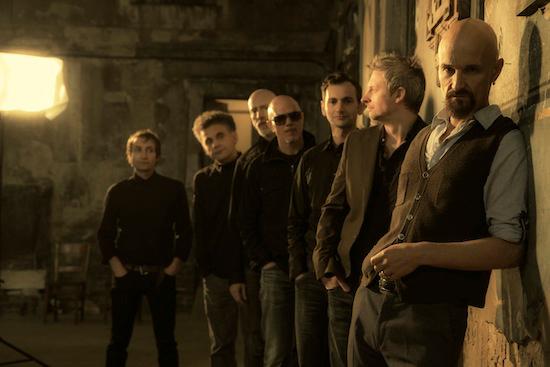


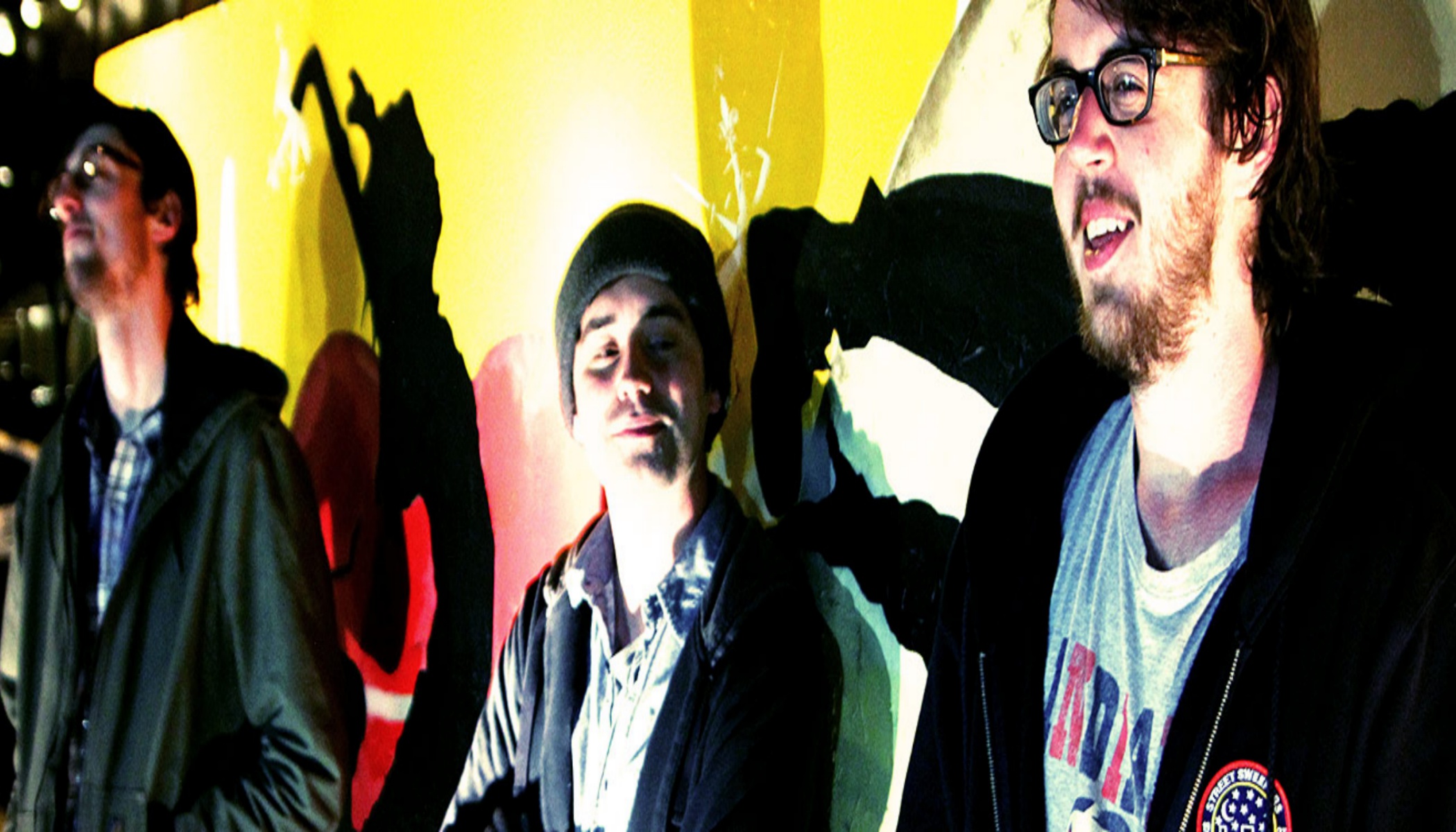



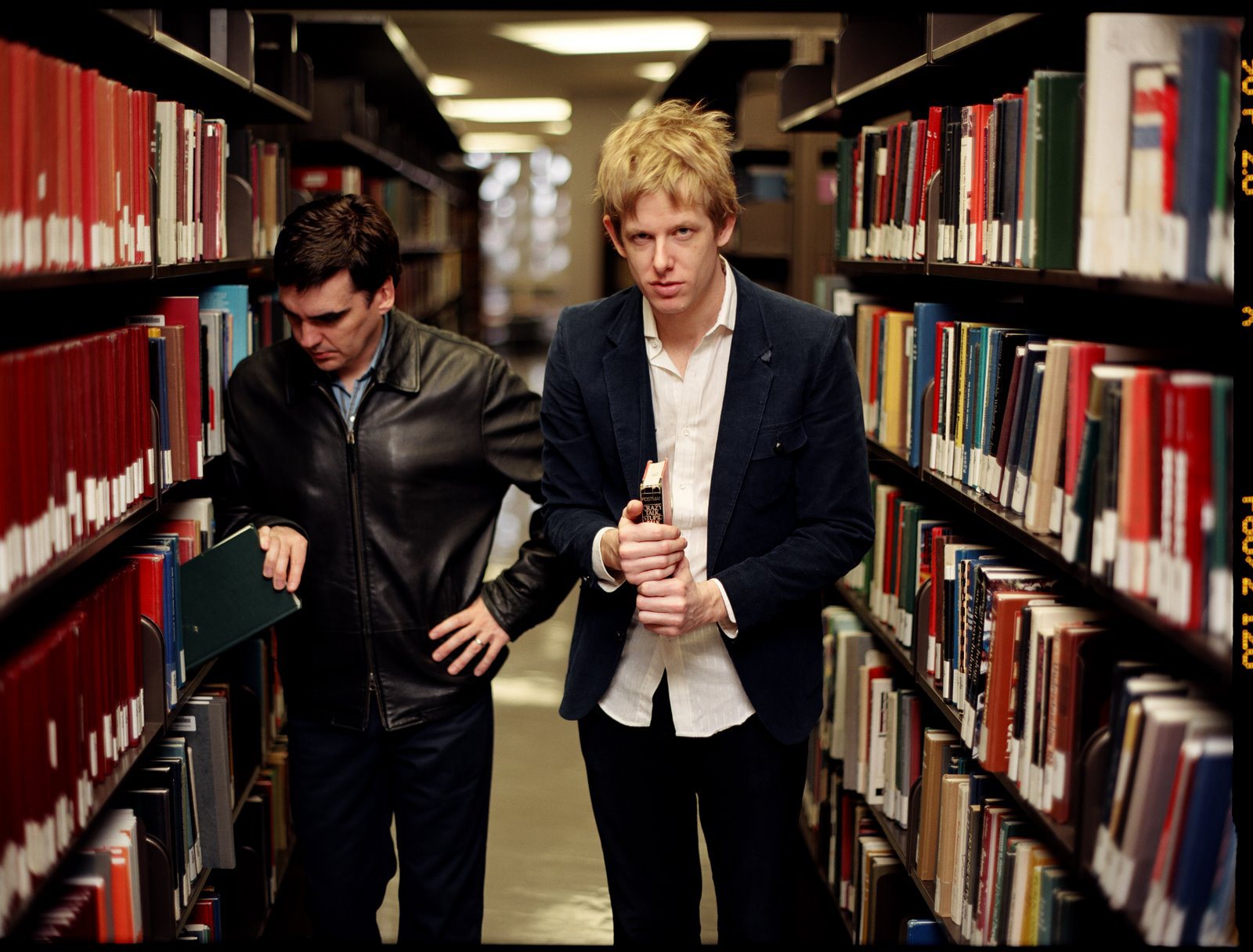















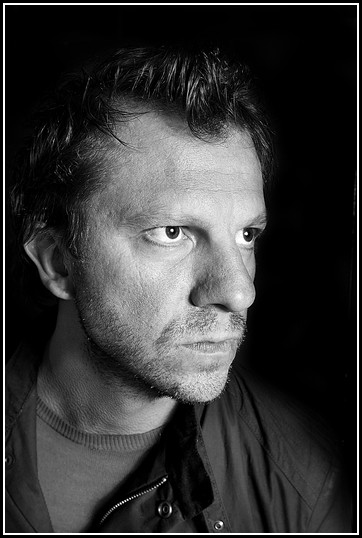

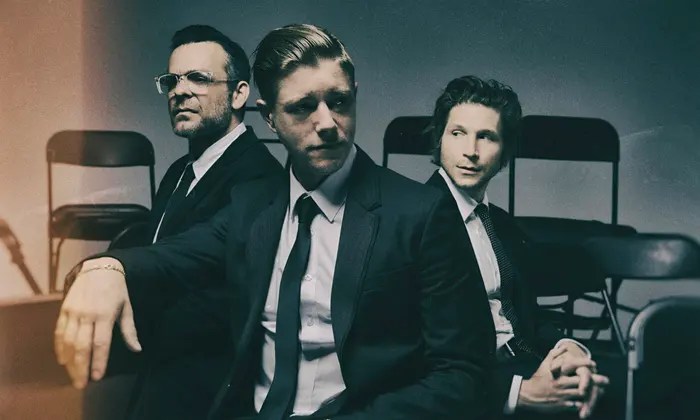



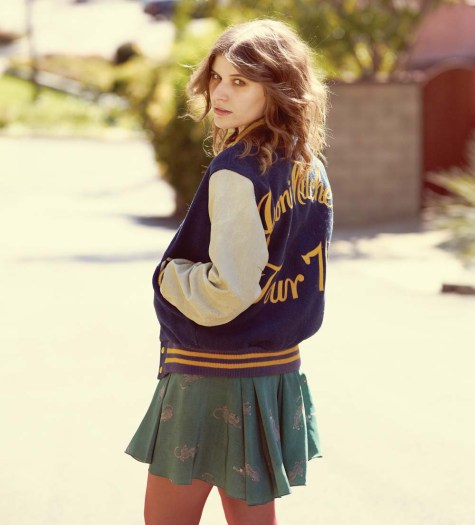

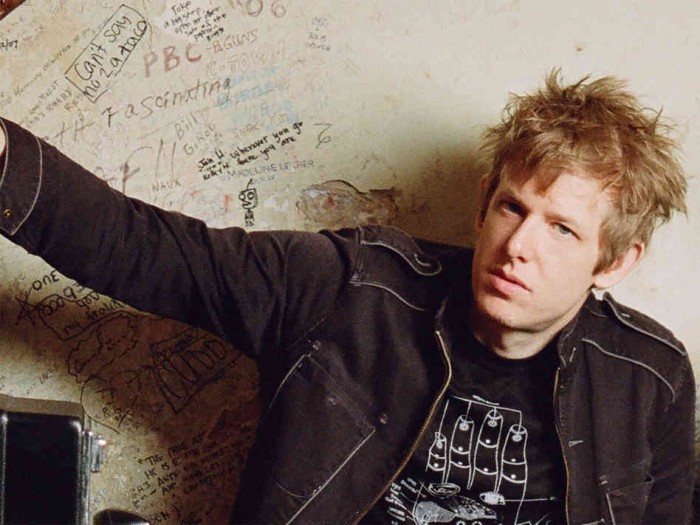



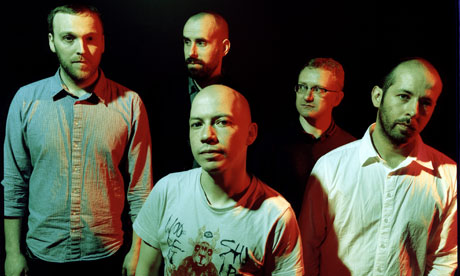







 R O C K A S T / /
«Dancing in the mainstream is a dangerous thing» Interview with Wild Beasts
It’s a fact. They’ve become one of the most respected and talented bands in the UK nowadays. Not only the fans but the critics are on their side, and they seemed to be in a very sweet moment in their careers. Wild Beasts have released «Present Tense» (Domino/PIAS, 2014) this year, which is the fourth album for the british musicians. They’re in Spain to present the album in Madrid and Barcelona this month, and we don’t want to miss the opportunity to talk to them.
We had the chance to talk to Ben Little, who plays guitar and keyboards, and who also co-founded the band with Hayden Thorpe 10 years ago. He speaks clear about the life of the band, their music or their future plans.
How are you?
Yeah, good. I’m in London at the moment, we’ve just come back off tour, we were in Bergen for a couple of weekends. It’s been nice doing festivals every weekend now and just sometimes you know, fly in and fly out. Festivals are good, you know, they give you a break from the touring, you know the travel time period and you’re just doing it every weekend, so it’s quite, it’s quite relaxing to be honest.
You’ve been together now for 12 years, which is a considerable time nowadays.
You know, when we started out, we were young kids doing it for a hobby and it fast became something to really put a lot of effort into, and a lot of time went into it. You know, at first we were rehearsing once a week. Just me and Hayden, I’d just go around to his house, we’d play guitar together for a while and then by the time we were like 16, 17, we were renting out a tiny little room which only cost us like 50 pounds a month or something ridiculously cheap. Which I can’t believe now but we had this little room and we’d go there pretty much every night and Chris the drummer has come down, and that’s where it started getting serious. And I think when that happened, we always sort of knew that, that’s what we wanted to do, and I guess we’ve never looked back since then really. I guess after 10 years have passed, you know we’ve been doing it for the whole of our life. It’s somewhat strange that we’ve been doing it for 10 years but it’s not like we’ve got a lot to prove and you know we’ve got a lot of work to do, so it’s just you know the four of us are always wanting to keep making music together I guess. We’re on our fourth record now and we’re looking towards the fifth already.
Would you think that the fact of being loyal to your style since the beginning has been the key to get where you are now?
I don’t know how successful we are, we’re still trying out best to – you talk about being successful, I guess we still feel like it’s very much hand to mouth and what we do is, it doesn’t make us a lot of money or anything should you know that but I guess the success that we do have is that we get to keep making music together. I think the secret is probably just wanting to be making the music you want. Once we finished touring with Smother, when we went into the studio, then we realised that oh this is what we’re actually doing it for. Being in the studio, we actually really enjoy it and it’s almost like a compulsion to want to make the best record we can and I think the secret is just enjoying it and getting better.
How did you approach “Present Tense” and what are the feelings after releasing the new album?
We toured Smother for a long time, and it was almost quite a down album really. You know, it’s quite soft in a way. And after touring that, we realised like, we’re doing these festival spots and doing bigger shows and bigger shows, and we thought we needed songs to fit the show that we were doing. It was almost that we all sort of listened to music that was a lower tempo and that bus driving. And I guess when we were writing, that’s where it started along and when it came out, I guess it began to pick up and it feels really good now. It feels like people are getting it and having the benefit of having 4 albums out, it’s rare what people ask what we’re getting as well. Because when the first record came out, people just didn’t know what to make of it.
Was there something you wanted to prove yourselves, something that you didn’t try in other albums?
I mean with a song like «Beautiful Truth”, we wanted to make a track that was, you know, undeniable, like a proper pop song that didn’t hold back. But I think we sort of achieved that, it’s like a song that’s light on it’s feet and yeah we just wanted that sort of like undeniable groove that you get from a song. And so that was something new that we’ve done because usually you know, you’d go just mainstream and something like that steer away from it because we’re scared that, you know, whole knock something out, but you know dancing in the mainstream is a dangerous thing. And with this one we didn’t make specifically to be true, we wanted to make, you know, a proper pop song. And I’m sure it’s not like a pop song that will be played on the radio, not sure if it is a pop song.
You got to cover Milley Cyrus’s Wrecking Ball, will we ever see you making that kind of pop song?
I think what we do, whatever comes out, it sounds like Wild Beasts, you know? It’s Hayden and Fleming singing and it’s inevitably us. You know, my voice is sort of almost dictates the, where the song’s going to be perceived I guess because maybe you know, Hayden’s voice maybe couldn’t succeed as a pop voice, you know. So maybe we would try to, like you know write songs like that. I mean, that’s a great, great track, you know the level of production and the song writing, you know. Something that interests us all I think it’s like a ghostwriters guide. You know it’s quite slick in the rhythm, you’ve got a big team and a lot of money to put into it to make this perfect song but you know they’re paying for it. The artist, the resources that they hire, the money that we can stretch for our investment to make these sort of songs. But you know, also we’re not like massive huge fans of Miley Cyrus or anything. It’s just an interesting prospect to cover a song like that.
And on the other side, what’s that thing you’ve thought that you could try to make it in a record but haven’t done it yet?
I mean, it’s strange ‘cause I think once you tour, tour an album, when you get to the end of a touring cycle that’s when the chaps can answer the question, because you know some of the experiences that happened and what worked out great and properly yeah. So you know, you’re on a different head space when you get to that point but in terms of trying something new, we always try, try not to repeat ourselves but in terms of the exact thing, I’m not sure. Like I mean we’re always changing you know, we’ve cracked all that we use each others scribble in songs and I’m sure by the time we get to write the next album, we’ll be listening to you know different sorts of rhythms than we do now, so I’m not sure really. I think you’re mainly influenced by what you’re listening to and like I said before we’ve sort of got to sound like Wild Beasts because more songs get together in a room it no matter how lucky you are or how poppy a track sounds.
Would you like an album to be more focused on the guitars rather than in laptops and shynts or are you comfortable with that?
I play guitar and keys and at the start of this record, I was very interested in the production side of things and you know we started on laptops and that’s where the idea sort of, sort of grew from and personally you know I’m very interested in the production side of it, very interested in marrying my own techniques, you know like a band in a room sort of sound with you know, use of like software, plugins, synthesizers, you know, modulars. It’s all very interesting, they’re all tools to help us make songs. So personally, you know I started out on guitars then the more we’ve gone on, sort of moved into a room where I’m sitting on a computer all day or during a gig or, it’s a playing a card. You know, it’s something that you can use to make music.
If “Present Tense” had to be a journey, which places would you think it would visit?
Maybe it would start where we’re all from. Then travel down to Manchester where we all do the gigs you know in the early days and we’d get on a plane at Manchester Airport and fly to maybe Istanbul. We like Istanbul a lot. The people there are amazing and they were just great, they all seem to like it when we go there but like a round the world trip, we could maybe stop off in Spain.
We always liken it to being in London, like having taken homage for a while, and it’s quite an intense period and then say if you’re like on a train from London back up to Lake District, you know it’s often nice to get out, as soon as you get out of London and you’re seeing some green… and that’s why I like half way through the album it sort of often does, it’s a lot more soft and by the end of the album, you’re like back home, back up north. So I think we definitely started off where it’s made and that’s in London.
And last question. Are you happy?
Yeah, of course yes, it’s an amazing, amazing thing to be doing, you know in every day life, it’s an amazing job to have when you’re working with your best friends that you grew up with and travelling the world and making music that people enjoy. So yeah, I mean, there’s a hell of a lot of positives and sometimes you have to pinch yourself and realise that sometimes actually it is great what you’re doing. Although, you don’t see reward in say money or you know, you don’t get to see your song sell much, or maybe that, maybe you get down about that but then sometimes you’ve just got to realise that actually what you’re doing is worthwhile and it’s a special teenage thing to do, you know get into trouble with one of your friends and go play music for people that enjoy it and I know that all the guys are always happy right now.
DB
Comparte esto:
Deja un comentario
Publicado en british rock, pop, rock
Etiquetado Wild Beasts 2014, Wild Beasts albums, Wild Beasts Ben Little, Wild Beasts comments, Wild Beasts interview, Wild Beasts music, Wild Beasts Present Tense