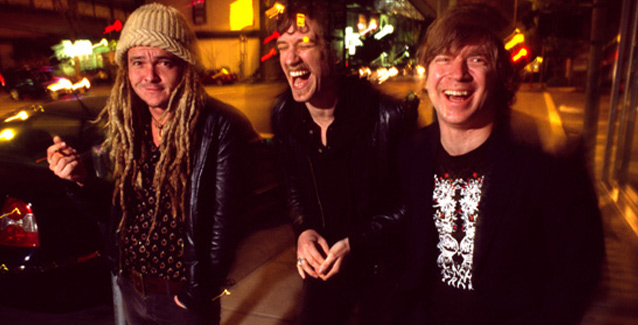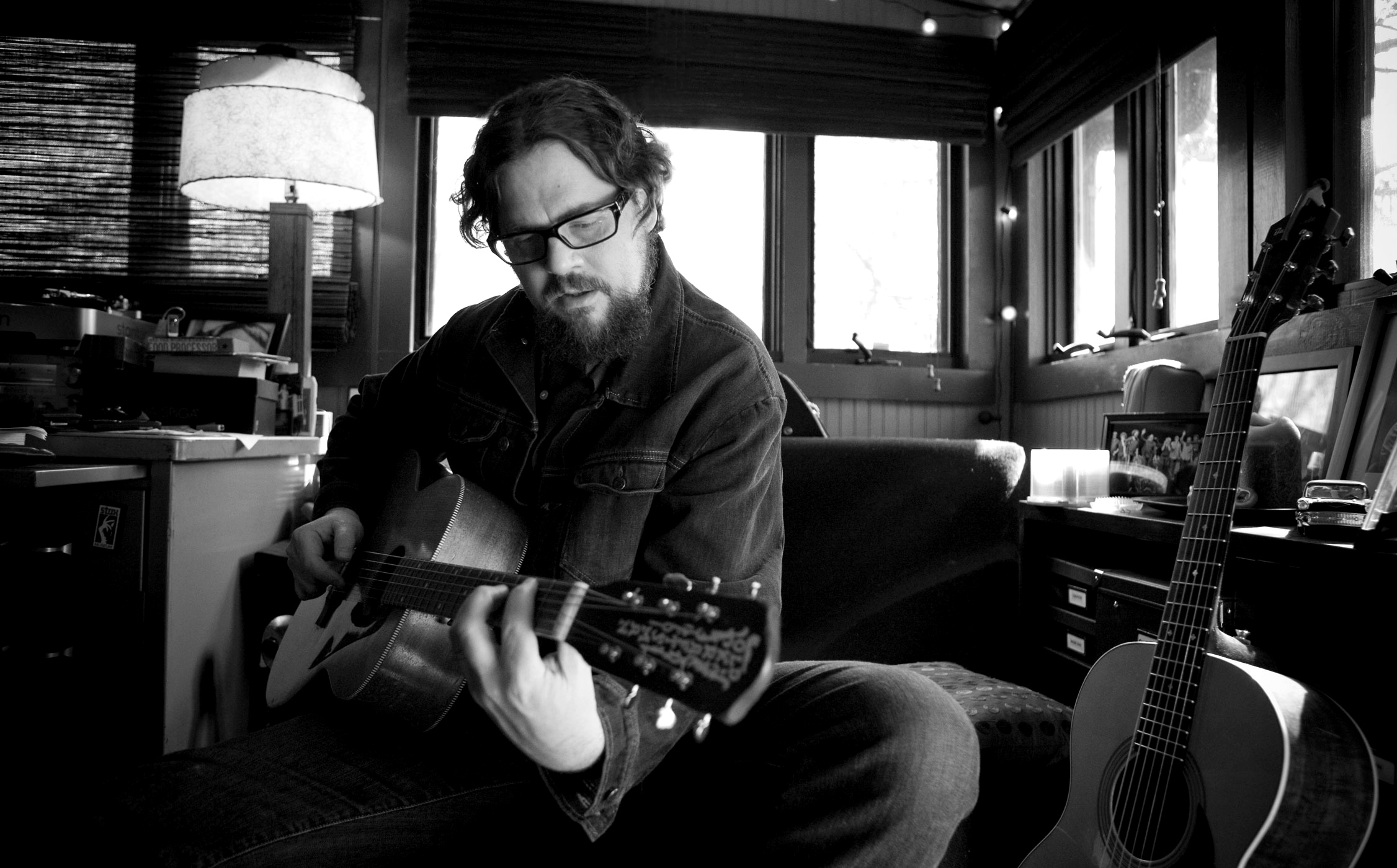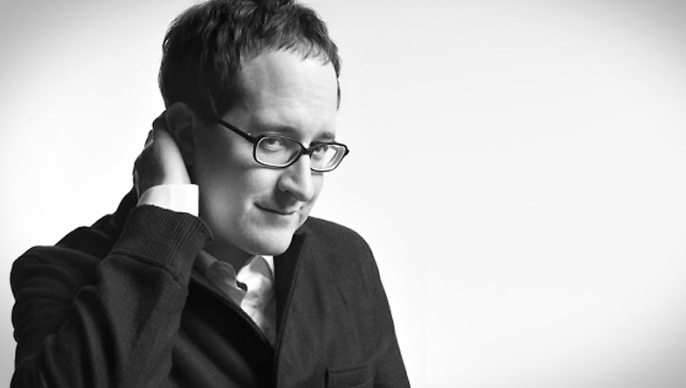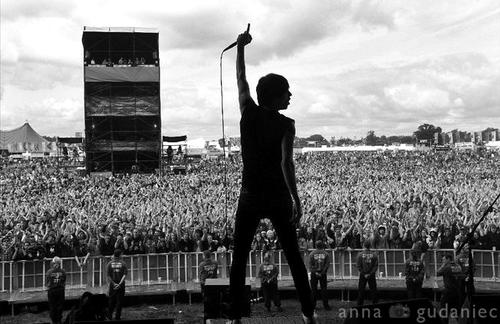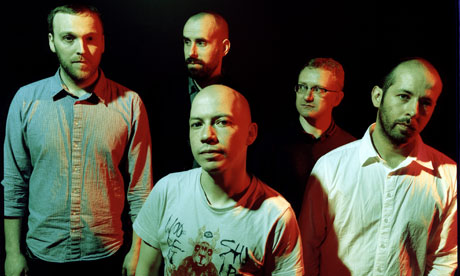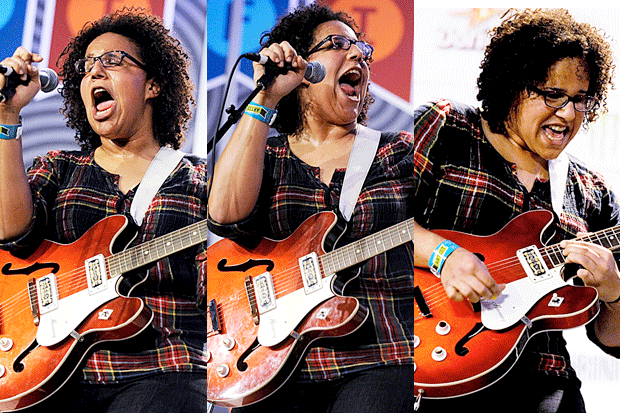
«No es buena idea que nos comparen con Black Keys» Entrevista con Two Gallants.

2g_pic2

El dúo de San Francisco vuelve a escena después de 5 años para presentarnos un nuevo álbum llamado The Bloom And The Blight.  En éstos años, ambos  se han embarcado en sus proyectos en solitario, aunque el cantante y guitarrista Adam Stephens también ha tenido que superar el terrible accidente casi mortal que tuvo en la furgoneta de la gira de su anterior grupo.  Llegado el momento y casi recuperado totalmente,  vuelve a la banda en la que lleva tocando más de una decada para presentarnos posiblemente uno de sus mejores trabajos.

Adam y Tyson se conocen desde que tenían 5 años. Empezaron a tocar a la vez e hicieron sus primeros bolos en la calle, en house parties, en cuartos de estar o allá donde les dejaran. Aunque son etiquetados comunmente como una banda de folk, su último álbum destila un blues garajero desgarrador. La voz de Stephens está más afilada que nunca y en The Bloom And The Blight demuestra que nadie en el rock actual chilla como él. Tienen talento de sobra para estar mucho más alto que donde están. Aunque esto sea algo que aparentemente no les quita el sueño.

Los californianos han estado haciendo pleno en sus conciertos en España y han tenido tiempo para sentarse a hablar con nosotros.

Han pasado 5 años desde vuestro último álbum. En este tiempo habéis lanzado cada uno vuestros propios trabajos, ¿Ha influido esto en el nuevo álbum?

TYSON VOGEL: Bueno el estudio no es el sitio más confortable para nosotros, pero creo que grabar discos distintos nos ha permitido a ambos digamos el poder explorar el estudio de una manera diferente. Esto definitivamente inspiró nuestro planteamiento sobre el disco.

En The Bloom And The Blight trabajáis con un gran productor como es John Congleton (Modest Mouse, David Byrne, Explosions In The Sky). ¿Marca la diferencia un gran productor?

ADAM STEPHENS:  Es genial, es un hombre muy inteligente, una experiencia muy reveladora. Ha sido un placer trabajar con él y fue divertido. Creo que el término productor es un término grande, porque tradicionalmente el productor tenía mucho que ver con los arreglos de las canciones, y cómo una canción determinada estaba compuesta, en cierta manera. Pero todo eso básicamente lo hacemos nosotros, él más o menos nos guía. Si teníamos alguna duda sobre algo él nos ayudaba. Si Tyson y yo no nos poníamos de acuerdo en algo el era algo así como la 3ª voz, y nos ayudaba a movernos en la dirección correcta ¿sabes? Pero creo que es mas bien un ingeniero con mucha perspicacia y mucha opinión. Quiero decir… quizás no le debería haber llamado eso.

TV: Asegúrate de que no salga en América. (risas)

Empezásteis en Alive Records, luego Saddle Creek y ahora con la compañía de Dave Matthews, ATO Records. ¿Significa eso que desconfiáis de las grandes compañías?

TV: Absolutamente. Pero la mayoría de nuestros planteamientos digamos que necesitan un ambiente artístico, con gente que innova, que tiene maneras creativas de promocionar la música y la cultura. En realidad Dave Matthews no tiene nada que ver con ATO Records, excepto que lo empezó e invirtió en ello pero básicamente es un socio ¿sabes? ATO lo lleva un grupo de 15 tipos realmente buenos.

AS: Es más un tema de relación personal, queríamos sentirnos en casa en algún sitio y ser amigos de la gente con la que trabajamos. No creo que tuviéramos esa clase de relación en una gran discográfica.

«En la música es bueno tener que pasar apuros.»

¿Cómo el el proceso de elaboración del álbum? ¿Construís los temas juntos?

TV: Sí bueno, creo que el método cambia con cada canción. Nunca es muy consistente realmente.

¿De donde sacáis la inspiración?

TV: Supervivencia.

Habéis tocado mucho en la calle, en fiestas, en bares… ¿Es algo que todo músico debería hacer?

AS: No creo que todo el mundo toque la música apropiada para estos ambientes. En la música es bueno empezar humildemente, tener que pasar muchos apuros y hacer muchos conciertos cutres. Adquieres un sentimiento de gratitud hacia cualquier logro que consigues. Pero esos conciertos fueron los más divertidos. Nunca hacíamos dinero, pero básicamente aprendimos a tocar y a montar un show. El estar tan cerca de la gente, cuando tocas en casa de alguien o en una pequeña habitación, todos sudando, es una experiencia muy impactante, estar tocando o incluso sólo mirando.

¿Lo echáis de menos?

AS: Bueno, lo cierto es que hicimos 3 giras por EEUU como esa, tocando en casas y espacios de arte y realmente en cualquier sitio que podíamos y fue duro ¿sabes? Muchas veces aparecías en una ciudad y no venía nadie a verte, o no había concierto, o el tipo que lo organiza se le olvida, o tocas en un salón con un tío y su hermano y cosas así. Todavía hacemos algo de eso cuando podemos, sobre todo en San Francisco, en casas y tal…

¿Intentáis reflejar las buenas vibraciones de los directos en el álbum?

TV: Intentamos ser lo más honestos que podemos en el disco. Cada álbum que hemos hecho ha sido un intento por capturar el sentimiento de un ambiente de directo. En las actuaciones las cosas cambian, el ambiente etc… así que intentamos encontrar esa pequeña área de control. El directo es probablemente la mejor manera de convencer a la gente.

«El directo es probablemente la mejor manera de convencer a la gente.»

¿Alguna vez habéis pensado añadir algún instrumento o incluso algún miembro a la banda?

AS: Lo hicimos cuando empezamos, pero enseguida fuimos un dúo y según íbamos tocando la gente pensaba que era bueno, así que lo decidimos así. No hacíamos otra cosa que tocar tocar y tocar y nos dimos cuenta de que estaba funcionando así que genial.

¿Parece que Brooklyn y Nashville se llevan la fama como cunas de escenas musicales pero cómo está la cosa en San Francisco?

TV: Es divertido porque SF siempre ha sido un lugar con gente muy artística. Hay muchas bandas haciendo mucha música allí. De hecho, en cierto modo, prefiero que no tenga la reputación de Brooklyn o Nashville, porque así lo hace único. Hay una cantidad ecléctica increíble de música en el corazón de San Francisco. Y así es como fuimos capaces de tocar nuestros primeros conciertos. Aprendimos que nos lo podíamos montar en la calle básicamente en cualquier lugar. Hacíamos conciertos callejeros robando electricidad de la estación de autobús. Éramos 3 bandas tocando 3 canciones cada una y compartíamos los instrumentos. A veces aparecían 150, 200 personas. Es algo que ya no existe pero representa de alguna manera el espíritu de San Francisco.

¿Influye de algún modo el lugar donde naces en vuestro estilo? ¿Sonarías igual si hubierais nacido en algún otro lugar?

AS: Creo que SF realmente nos ha permitido ser músicos y ser excéntricos ¿sabes? Sentirnos cómodos haciendo lo que queríamos hacer. Las condiciones en las que hemos crecido estaban muy ligadas a la creatividad. No era una locura la idea de intentar ser músico. Quiero decir, mis padres no parecían muy contentos al principio, pero  en otros lugares hubiera sido en plan “ah, quieres ser músico, vaya pérdida de tiempo” pero en SF no sé, hay tal sensación de libertad artística y expresiva que tuvo mucho que ver en que lo intentáramos ¿sabes?

«Cuando estás fuera de casa lo único estable es lo inestable»

¿Qué escucháis fuera de Two Gallants?

TV: Escuchamos muchas cosas diferentes, desde el country al hip/hop. Pero ambos, como músicos que somos, digamos que es nuestra obligación escuchar música y aprender lenguajes que provengan de diferentes formas.  Es importante ser abierto e intentar escuchar tanto como podamos. Además creo que nos mantiene sanos! (risas)

Habéis sido comparados en muchas ocasiones con White Stripes o Black Keys, pero ¿Con qué bandas os gustaría que os comparasen? ¿Qué bandas os influyen?

AS: Creo que no es una buena idea. Quiero decir, cuando empezamos a tocar era música de los años 20 y 30 y cosas de ese estilo, música americana, música de raíces sureñas. Tyson es más de cosas contemporáneas pero no sé, hay grandes bandas, My Morning Jacket es una gran banda, Elvis Perkins in Dearland es un disco que nos gusta mucho a ambos. Cass McCombs mola también.

TV: Vamos a tocar algunos shows con Deer Tick al final del año, esa es una banda muy buena.

¿Cuáles son vuestros planes inmediatos para el año próximo?

TV: Bueno, tenemos 4 conciertos en la costa Este, luego 2 semanas libres y luego un tour por la costa Oeste, California, y luego vamos a Australia. Luego creo que volveremos aquí. Confiamos en tocar tanto como podamos.

Última pregunta. ¿Sois felices?

TV: Mmm esa es difícil.

AS: Creo que eso es como una tarea diaria. Hay algunos factores que tienen que ver, como cuando estás fuera de casa y lo único estable es la inestabilidad. Es como si nunca supieras cómo te vas a sentir en tu regreso. Pero una cosa que puedo decir, es que cada vez que subimos al escenario, me siento bien. Eso es lo que hace que el resto del día valga la pena.

DB

Two GallantsThe Bloom And he Blight (PIAS) 2012. Ya a la venta.

Two Gallants Interview

2g_pic2

The San Francisco duo have released the first album in 5 years and seems like they have definitely recharged their batteries. The new album is called The Bloom And The Blight and it’s as powerful as it can get.  They have an almost unique style that leads them to be compared with huge acts like White Stripes and The Black Keys. But if you listen with care you get to realize that they’re following a different path.  Adam and Tyson has been friends since they were 5 years old, and they’ve been playing together for more than 10 years now.

ROCKAST had the chance to sit and talk to them during their last visit to Spain:

It’s 5 years since your last album, in these 5 years you both released your own records, but has that influence somehow the recording of the new album?

TYSON VOGEL: Well the studio is not the most comfortable place for us, but I think recording different records allowed us both to kind of explore the studio in a different form. So it definitely informed our approach recording this record.

On The Bloom And The Blight, you have worked with a big producer like John Congleton, how was the experience with him?

ADAM STEPHENS: It’s great; he’s a very smart man, very insightful experience. It was a pleasure to work with him and we had fun.

Is it that essential to have the right producer on each album? Does he make a really big difference?

 AS: Well I think the term producer is kind of a big term, because traditionally producer would have a lot to do with the arrangements of the songs, and how a certain song was actually composed in some ways, but we kind of do all that, he more or less was kind of, guiding us along. If we had any doubts about something he would help us. If Tyson and I didn’t like agree on something, he would kind of be like a third voice, and help us moving on direction, which is very helpful you know?

You started on Alive Records, then Saddle Creek and now with Dave Matthews’s ATO Records, do you kind of distrust the big record companies?

TV: Absolutely. But most of our approaches kind of, just wanted to be in an artistic environment, with people that innovate, and have creative ways of promoting music and culture. I mean Dave Matthews really doesn’t have anything to do with ATO, apart from that he started and he invested on it, but he’s basically a partner you know? ATO is run by a group of 15 really good folks.

AS: Is more like a personal relationship, we wanted to feel at home somewhere and be friends with the people that we’re working with. I don’t think we would have that kind of relationship on a larger label.

«The live show is probably the best way to convince the audiences»

How is the writing process? Do you pretty much build the songs together I guess?

TV: Yeah I think it changes song by song. It’s never really consistent you know?

Where do you get the inspiration from?

TV: Survival.

You got to play lots of concerts in house parties, bars, even in the street… How is the experience? Do you think every musician should play on places like these before anything else?

AS: I mean I don’t think everyone plays proper music for that environment. It’s good to start with humble beginnings in music, to have to go through a lot of struggles, and play a lot of really shitty shows. You kind of acquire a sense of gratitude for any accomplishment that you get. But those shows were like the most fun shows. We didn’t make any money ever, but we learned how to play basically, or how to performance and how to put out a show. Just being that close to an audience, when you’re playing at someone’s house, or a small little room you know, all sweating together meaning on each other it’s a pretty powerful experience, to be either playing or even just watching.

Do you miss it?

AS: Yeah well, the thing is that we also did like 3 US tours like that, playing houses and art spaces and whatever we could really, and it was hard you know, like a lot of times we would show up to a town and nobody would come, or there wouldn’t even be a show, or the guy who organized it just forgot about the show, or playing in his living room with him or one guy with his brother or something like that…

TV: Smells

AS: We still do that stuff whenever we can, mostly in San Francisco, houses and stuff.

Do you try to reflect the vibes of your gigs on your albums?

TV: I think that we try to be as honest as possible on the record. Each record that we’ve made has been an attempt to capture that feel, like a live environment. On live performances things change, the environment etc… so we try to find that little ground of control. The live show is probably the best way to convince the audiences.

Have you ever thought of adding an instrument or a member to the band?  

AS: We did it when we started, but we went on as a duo and as we were playing shows people were thinking that it was good, so it wasn’t like we decided it that way ,it was just we were just playing, playing and playing and we realized that it was working so… whatever.

Seems like Brooklyn or Nashville get all the fame as music scenes but how is it in San Francisco?

TV: It’s funny because cos I think San Francisco has always been a place with very artistic people. A lot of bands does a lot of music out of there. Actually, in some ways I prefer that it doesn’t have the reputation of Nashville or Brooklyn, cos it makes it unique. There’s an incredible eclectic amount of music in the heart of SF. And that’s how we were able to first play shows. We learned that we could set up on the street basically everywhere. We had these street shows on the corner where we were stealing electricity from the bus station, it was 3 bands playing 3 songs each and sharing the equipment around. Sometimes like 150 or 200 people would show up. It doesn’t really exist anymore but it represents the spirit of SF somehow.

«I don’t think it’s a good idea to compare us with White Stripes or The Black Keys»

Do you think the place where you are or where you are born influences in your style somehow?  I mean, would you sound the same if you were born in other place?

AS: I think SF really allowed us to feel comfortable doing whatever we wanted and like being someone eccentric and being musicians you know? The conditions in which we’ve grown up were very conditioned to creativity. It wasn’t like a crazy idea trying to be a musician, I mean, my parents weren’t quite happy at first but it wasn’t that… in other places would be like “oh you want a be a musician, that’s a waste of time” but in SF I don’t know, there’s such a sense of artistic freedom and expression so that had a lot to do with us trying to go for it you know?

When you’re not playing your music, what music do you like to listen to?

TV: We listen to a lot of different stuff but from country to hip/hop. But we both as musicians, it’s sort of our duty to listen to music and to learn languages that comes from different forms. It’s important to be open and try to listen as much as we can and it also kind of keeps us healthy. (laughs)

You’ve been compared many times to White Stripes and Black Keys, but which bands do you like to get compared to? Which bands influences you?

AS: I don’t think it’s a good idea. I mean when we started playing it was music like the 20’s and 30’s and stuff like that, American music, southern roots music. Tyson a little bit more like contemporary stuff but I don’t know, there are great bands, My Morning Jacket is a great band, Elvis Perkins in Dearland is a record we both like a lot, Cass McCombs is pretty cool.

TV: We’re playing some shows with Deer Tick at the end of the year, that’s a really good band.

What are your immediate plans for next year?

TV: well we’re playing 4 shows on the East Coast, then 2 weeks off, and then we do like a West Coast tour, California, and then Australia after that, and then I think we’re coming back here. We’re committed to play as much as we can

Last question, are you happy?

TV: Oh that’s a tough question.

AS: I mean that’s kind of a daily thing. There’s some factors going through, like when you’re away from home and the only consistent thing is inconsistency, is like you never know how are you going to feel on your way back. But one thing I can say pretty much every single time we get on stage I feel good. That’s the thing that makes all the rest of the day worthwhile.

Two Gallants – The Bloom and the Blight (PIAS, 2012)

DB

Entrevista exclusiva con Race Horses.

Race Horses son una banda galesa con un carismático líder cuya música pretende con éxito ir a contracorriente de las modas del momento. Acaban de lanzar su segundo LP, llamado Furniture, que ha recogido muy buenas críticas de la prensa especializada. Los paisanos de Super Furry Animals, sorprenden con un gran álbum que bebe del pop más brillante de los 80 pero con registros que recuerdan por momentos a Richard Hawley, Smiths, Orange Juice o Squeeze, y con una voz, la de Meilyr Jones que como el grupo, parece aún por descubrir y explotar.

Meilyr es un tipo con un karma especial. Habla detenidamente, haciendo pausas, y no duda en devolverte la pregunta cuando menos te lo esperas. Nos atiende sentado en el suelo y nos sorprende con unas respuestas que destilan una especial sinceridad.

Se encuentran en plena gira europea acompañando a Bat For Lashes. El día anterior en Barcelona había sido un poco ajetreado para la banda. El cierre apresurado de la Sala Apolo propició que tuvieran que ofrecer su concierto en la adyacente Artèria, sin tiempo prácticamente para desembarcar, ofrecieron un set acústico en medio de la sala subidos en un cubo que llevaban en la furgoneta. Con todo, llegaban a Madrid con muchas ganas y sin pensar en el duro viaje que les esperaba hasta París el día siguiente.

ROCKAST // ¿Cómo va el Tour? ¿Qué tal la experiencia de girar con Bat For Lashes?

MEILYR JONES: Increíble. Sabes? Es nuestra primera vez en Europa y son encantadores, han sido muy amables con nosotros. Es increíble tocar noche tras noche, conocer nueva gente y ver las buenas reacciones. Es una gran experiencia para nosotros. Surgió porque a la compañía les gustó y nos pidió que fuéramos los teloneros.

También habéis tocado con British Sea Power o Fanfarlo. ¿Se aprende de bandas como ellos?

Sí, se aprende mucho. Pienso que aprendes de lo que te gusta, de lo que significa para tí, pero también de lo que sientes, por eso tocar en directo para nosotros es tan importante, es muy físico y contiene mucha energía, más que cualquier otra cosa. Intentamos que sea distinto, más que hacer siempre lo mismo.

Furniture ha sido muy bien recibido, con buenas críticas en la prensa. Estaréis orgullosos, ¿verdad?

Estamos muy felices. Lo grabamos muy rápido y hemos puesto mucho de nuestra parte. Es bonito. Estamos muy emocionados de que la gente venga a nuestros conciertos, de que escuchen nuestra música y estén disfrutando del disco.

¿Cuál es la diferencia entre Goodbye Falkenberg y Furniture?

Con Goodbye Falkenberg todavía estamos, digamos, experimentando, escuchando nuevas canciones y descubriendo nuevas bandas, prácticamente nueva música cada 2 semanas. Escribíamos los temas con eso en mente, así que era como un collage realmente, pura experimentación. Básicamente lo vemos como si Furniture fuera nuestro primer álbum. En el sentido de tener una idea y un sentimiento más fuertes, mientras que Goodbye Falkenberg era más salvaje.

«Hay gente que le gusta la música insensible, pero para mí, el lado humano es lo más importante»

¿Cómo es el proceso de creación? ¿Escribís todos juntos?

Bueno, yo escribo la mayoría, escribo la letra y luego hacemos los arreglos.

Habéis pasado de ser un trío a una banda de 5 músicos. ¿Cambia la filosofía de la banda de alguna manera?

Sí que lo hace. El grupo ha cambiado mucho y tienes que adaptarte sabes?, Tener a Mali en la banda, que tiene experiencia con la música clásica, ha cambiado cosas también. Pero digamos que todos queríamos en cierto modo huir del hecho de centrarnos solamente en las guitarras y tener menos límites.

Ya no cantas en Galés en el álbum. ¿Es definitivo?

No, no lo es. Por aquella época vivía con mi novia de entonces en Londres, y solamente hablaba inglés, y todas las películas que veía eran inglesas o europeas, así que nuestra cultura era básicamente en inglés. Bueno ahora vivo en Gales de momento así que puede que nuestro siguiente álbum sea todo en galés quién sabe…

Meylir, te pusiste un traje para cantar My Year Abroad, luego te desnudaste para hacer algunos coros… Parece un modo de inspiración bastante radical.

(risas) Bueno yo pienso que todo, desde el corte de pelo, a la dieta, a las horas de dormir o lo que sea, influye en lo que haces y en tu humor. Quería experimentar entrando en diferentes tipos de mentes, y me encanta sentir que soy una persona distinta.

«Cuando haces música, te colocas en extremos opuestos. Probablemente no sea la manera más razonable de vivir»

Muchas bandas hoy en día hacen música bastante similar, con muchos samplers y sintetizadores, pero vosotros parece que queréis tomar la dirección opuesta.

Es interesante porque lo estaba hablando con la banda de Natasha anoche, y creo que hay gente que le gusta música bastante insensible, pero para mí, el lado humano es lo más importante. Incluso nosotros tenemos quizás 2 temas donde hay un secuenciador, e incluso eso es difícil porque cuando tienes ésta música tienes que atenerte a él, como una canción de apoyo, y no puedes cambiarla de una noche a otra. Pienso que cuando tocas en directo, las reacciones cambian cada noche, por eso para nosotros es importante el lado humano en ese sentido.

¿Está perdiendo la música el romanticismo?

Eso es muy interesante. Pienso que es verdad. O al menos creo que la gente es menos radical ahora. O quizás es que la música de los 50 o 60 era más rebelde. Entonces la gente empezó a hacer dinero por ello y quizás la gente que era tan radical pensó que podía sonar de tal manera y hacer algo de dinero. Creo que es cierto. El comportamiento, en general, en la sociedad, no es tan radical. De todos modos el romanticismo es realmente importante para mí.

¿Cuáles son tus principales influencias?

Creo que mucha música clásica. Pero también la Velvet Underground. Y Dexus Midnight Runners son una influencia enorme. También muchas películas.

¿Planes para el año que viene?

Me gustaría tocar todo lo que pudiera, volver al Reino Unido con la banda y luego, espero que nos quieran de vuelta. Creo que vamos a hacer un montón de festivales éste año.

¿Eres feliz?

Emm… Es una pregunta realmente buena! (piensa 10 segundos) …No. Bueno, es una pregunta muy difícil. A veces, y a veces no. Pienso que hacer música, o hacer otras cosas a las que eres normalmente adicto, te pone en una posición de extremos. Probablemente no sea la manera más razonable de vivir. Porque no tienes base. No tengo un hogar realmente. Siempre estoy viajando de ciudad a ciudad y luego vuelvo a casa y descanso pero no es una vida estable. Y es peligroso vivir en esos extremos. Así que diría que quizás no soy feliz en éste momento, pero soy optimista, en cierto modo. Llegará un momento pronto en el que seré muy feliz. Es extraño porque lo que odio de la industria de la música es que preguntas como ésta no son respondidas honestamente. Porque existe esa idea de que siempre tienes que decir que eres feliz y que lo amas todo.

Race Horses – Furniture (PIAS/2012) Ya a la venta.

DB

Race Horses exclusive interview.

Meilyr Jones is the charismatic leader of Race Horses, a young Welsh band that are here to stay. They’ve just released their second album, called Furniture, that has gathered rave reviews in the press. A truly great album with songs that’ll remind you the likes of Orange Juice, Richard Hawley, Smiths,  or Squeeze.

Meilyr is an atypical guy with a special karma. He talks with us while sitting on the ground and he pauses when he talks. The band is supporting Bat For Lashes on their european leg. Last nite they had a hectic day in Barcelona as the venue they were playing at got closed the very same day. In a venue nearby Meilyr and his colleagues had managed to perform an intimate acoustic set  in the middle of the audience.

Despite all the fuss, they got to Madrid full of enthusiasm and willing to make a good show, without even thinking about the long travel to Paris they had the do following day on their van.

ROCKAST: How is it to tour with Bat For Lashes? How did this opportunity come up?

MEILYR JONES: Amazing! You know, it’s our first time in Europe, and they’re lovely, they’ve been really kind to us. Is amazing playing night after night, meeting people, and see good reactions. It’s a really great experience for us.  The record company liked it and asked us to support them.

You’ve also toured with bands like British Sea Power or Fanfarlo, is it a good chance to learn from them?

Yeah, really a lot. I think you learn from what you like, and what they do on you, and also from what you feel, so for us, live is really important, it is very physical, has a lot of energy, more than anything. We try to keep it differently, rather than just doing the same thing.

Furniture has been very well received with great critics in the press. You must be proud of it I guess.

We’re really happy with it, I mean, we recorded it very quick and we put a lot into it so it means a lot to us, so it’s nice.  And we’re very excited that people come to the gigs, like our music and are listening to the music and enjoying the record.

What’s the difference between Goodbye Falkenberg and Furniture?

With Goodbye Falkenberg we were still kind of, experimenting, hearing new songs and discovering new bands like, new music every 2 weeks, and then we would write a song with that in our mind, so it was more like a collage really, just pure experimentation. So we almost see it like this is our first record, in terms of having a strong idea and a strong feeling, while Goodbye Falkenberg was quite wild.

«Some people like quite clinical music, but for me, the human side is the most important thing»

Do you write all the stuff together?

Well I write most, I write the words, and then we make the arrangements.

You were a trio and now you’re a 5-piece band, has that changed the band philosophy somehow?

Yes it does. The group has changed a lot and you just got to go with what it is you know? Having Mali on the band, who has a classical background, has changed things as well. But we kind of wanted to get away from just guitars and have less limits.

You’re not singing in Welsh in this album, is that for good?

No it’s not. At that time I was living in London and my girlfriend at that time spoke only English, and all the films I was watching were either European or English, so our culture was mainly English so… Well I live in Wales at the moment so maybe our next record could be all in Welsh I don’t know…

Meylir, you dressed up in a suit to sing My Year Abroad, and got naked to do some vocals as well… Seems like a very radical way of inspiration, isn’t it?

(laughs) Well I think everything, down to haircut, down to diet or down to sleep or anything, influence what you make and your mood. And I wanted to experiment with getting into different kinds of mind, and I love how I feel like a different kind of person.

«When you make music, you put yourself in a position of extremes»

Lots of bands nowadays are playing very similar music, with lots of samplers and synthesisers. But you’re going the opposite way. How does it feel?

It’s interesting because I was having a chat about it last night with the band that does all the music for Natasha and Bat For Lashes, and I think some people like quite clinical music, but for me I think the human side is the most important thing. Even we have maybe 2 songs where there’s a sequencer going through, and even that is difficult because when you’ve got this music you’ve got to stick to it, you know like a backing track, you can’t change from night to night, and I think when you’re playing live, the reactions change every night. So for us is important that human aspect in music.

Is music losing the romanticism?

That’s really interesting. I do think that’s true. Or at least I think the people are less radical now. Or maybe is that music of the 50’s or 60’s was more of a rebellious thing. Then people started to make money from it, and maybe the people who were so radical thought “I could sound like this and make some money”… I think is true. Behaviour, generally, in society is not that radical as well. So I think romanticism is really important to me anyway.

What are your main influences?

I think, a lot of classical music. But also The Velvet Underground, and Dexys Midnight Runners is a massive influence as well. But also a lot of films

What are your plans for next year?

I would like to tour as much as we can, return to the UK with the band and then, I hope they want us to come back. I think we’re going to do a lot of festivals next year.

Are you happy?

Emm… that’s a really good question. (thinks for 10 seconds). No. Well, that’s a really difficult question. Sometimes, and sometimes not. I think maybe to do music or to make things, you’re generally addicted to, you put yourself in a position of extremes. So it’s probably not the most senseful way to live really. Because there’s no grounding. I don’t really have a home. I’m always travelling from city to city and then I go back home and I rest but is not a stable life. And is dangerous to have those extremes. So I would say maybe I’m not happy at the moment, but I’m optimistic, always optimistic, in certain way. So there will be a time where I’ll be very happy soon. Is strange, because what I hate about music industry is that questions like that are not answered honestly. Because there’s always this idea that you have to say that you’re happy and that you love everything.

Race Horses – Furniture (2012, PIAS)

DB


Entrevista con Nada Surf

Nada Surf es una de esas pocas bandas que después de todos estos años aún siguen haciendo buena música. Aunque Matthew, Ira y Daniel han visitado España en numerosas ocasiones, al público parece no importarle. La última visita por la capital data del pasado Febrero, cuando vinieron a presentar su último trabajo, The Stars Are Indifferent To Astronomy, de la mano de Ernie Records, un álbum que pretende capturar la energía del directo de la banda.

Los de Brooklyn siempre ha sido capaz de lanzar buenos álbumes, consiguiendo nuevos seguidores con cada uno de ellos y lo más importante, sin perder a los más clásicos, aquellos que empezaron con el mítico Popular de High/Low (1996).

ROCKAST habla con la voz cantante, Matthew Caws, justo después de sus conciertos en España.

Matthew, ¿Cuáles son tus impresiones del Tour?

Hasta ahora está siendo un Tour fantástico. No somos la ultra-banda de 5 músicos que éramos al principio, cuando estaba Martin Wenk, ya que Calexico han lanzado un nuevo disco muy bueno y está de Tour con ellos, pero la banda se siente genial. Doug Gillard aporta mucho como guitarra solista. El público ha sido entusiasta y realmente bueno.

¿Tenéis pensado algún plan para cuando termine?
Cuando acabemos tenemos un par de semanas libres y luego tenemos un tour por los EEUU antes de parar en Navidad.

Matthew no sé si sigues residiendo en Cambridge, pero ¿Cómo os afecta el hecho de estar separados por un océano? Por ejemplo, a la hora de escribir.

Sí, sigo en Cambridge. Me mude ahí hace como un año, pero Daniel ha estado viviendo fuera de NY durante años, así que hemos trabajado a distancia durante mucho tiempo. Escribir es distinto en ese sentido. Ahora esperamos hasta que tengamos unas cuantas canciones escritas para juntarnos , así tenemos suficiente material para trabajar durante todo el día durante muchos días seguidos. Hace años, cuando todos vivíamos en NY, íbamos al local solamente unas pocas veces a la semana durante unas horas, en algunos meses. Escribíamos las canciones sobre la marcha. Echo de menos ese método de trabajo, pero éste también es bueno. Dicho esto, pienso que los años que pasamos haciéndolo de la primera manera es lo que dio a la banda su sonido, por que realmente nos podíamos tomar nuestro tiempo.

«No puedes contar con la admiración. Para tener el respeto de la gente, ayuda el respetarte a ti mismo.»

Lleváis 20 años juntos, y durante éstos años muchas bandas han ido y venido. Desde vuestro punto de vista, ¿Cuál crees que es el secreto, o la fórmula para ser tan admirado y respetado?

Bueno, la verdad es que no se como responderte… La admiración no es algo con lo que puedas contar. Para tener el respeto de la gente, supongo que ayuda el respetarte a ti mismo, y eso depende completamente de cada individuo. Nunca hemos hecho música de la que no estuviéramos orgullosos. Respetamos los sentimientos de la gente por la música y no nos lo tomamos a la ligera. Siempre hemos valorado a los fans por encima de todo, sin cancelar nunca un show y teniendo siempre tiempo para hablar con cualquiera que quisiera hablar con nosotros. Para ser sincero,  a veces cuando estamos cansados o nos sentimos abrumados nos quedamos en el backstage, pero en general somos bastante cercanos.

¿Cuáles han sido los mejores y peores momentos de vuestra carrera?

Hay muchos. Uno de los mejores fue escucharnos en la radio la primera vez. El peor fue cuando nuestra discográfica decidió, mientras estábamos haciendo nuestro segundo álbum, que no iba a ver ningún single. Empezaron a mirarnos por encima del hombro y fue algo muy incómodo. Y los últimos Tours han sido tan buenos que casi cada noche ha sido uno de los mejores momentos de nuestra carrera. Suena un poco ridículo lo de casi, pero es verdad.

Imagina que puedes tocar tu música en cualquier sitio y cualquier lugar de la Historia. ¿Qué sitio o qué momento elegirías?

Abrir para los Beatles en el Cavern Club, el Monterey Pop Festival, Woodstock… o dentro de 100 años en lo que quiera que se haya convertido NY.

¿Cómo se organiza el trabajo en una banda de rock? ¿Os dedicáis a escribir y componer canciones dejando la organización y promoción a otros, u os gusta involucraros en aspectos extra musicales?

Bueno, todos tenemos nuestros diferentes roles, hasta cierto punto. Por ejemplo, la banda hace música y nuestro manager toma las decisiones de negocios, pero todos estamos un involucrados un poco en todo porque estamos juntos en esto. Después de todo éste tiempo, somos amigos de aquel con el que trabajamos, así que todos podemos coger el teléfono y hablar si queremos.

«Valoramos a los fans por encima de todo»

Matthew, ¿en qué banda te hubiera gustado tocar si pudieras?

Habría sido emocionante estar en los Byrds durante los primeros años, cuando sacaban singles pop. Luego se hicieron una banda country, pero aunque me encanta la música country y me encanta ese periodo, creo que ser parte de la explosión del comienzo, cuando tocaban en Los Ángeles todo el tiempo, habría sido muy emocionante.

¿Tenéis instrumentos favoritos que os guste tocar más a menudo? ¿Sigue Daniel tocando con el mismo bajo con el que empezó en la banda?

Sí que los tenemos. Mis 2 favoritos son una Les Paul Cusotm 1968 y una acústica 1991 J-200. Daniel sigue usando el mismo bajo, pero está en EEUU así que usa uno diferente en Europa.

¿Eres feliz?

Como músico de Rock and Roll sí, soy muy feliz. Como ser humano, cambia cada semana, pero creo que es así para todo el mundo.

Nada Surf / The Stars Are Indifferent To Astronomy (2012) Ernie Producciones

David Bernardo

Nada Surf interview.

Nada Surf is one of those bands that are still making good music and releasing good records after all these years. Although Ira, Matthew and Daniel have visited our country many times, people doesn’t seem to care. They had presented the new album called The Stars Are Indifferent To Astronomy last February, an album that tries to capture the energy of the band during their gigs.

It’s not easy to make wrongly called simple songs. They manage to deliver good albums every time, get brand new fans with each of them, and most importantly, not losing any of the old ones.

ROCKAST talk with singer Matthew Caws right after their last concerts in Spain.

Matthew, what are your impressions at this point of the tour?

This has been a fantastic tour so far. We’re not the five-piece ultra-band that we were the first time around, when Martin Wenk was also with us, as Calexico have a new very good record out and he’s on tour with them, but the band feels really great. Doug Gillard adds so much on lead guitar. The audiences have been really good and enthusiastic.

Any plans you’re willing to do after it finishes?

When it’s done, we have a couple of weeks off and then we’re doing one last tour of the States before stopping at Christmas.

«To have people’s respect helps to respect yourself»

You’ve been together for 20 years now, and in all these years many bands have come and gone. From your point of view, what do you think is the secret, or the formula for being admired and respected during all this time?

Well, I really don’t know how to answer that question. Admiration isn’t anything you can count on. To have people’s respect, I suppose it helps to respect yourself, and that is completely up to the individual. We’ve never released music we weren’t proud of, we respect people’s affection for the music and we don’t take it lightly. We’ve always valued fans over everything, never canceling a show and always taking time to talk to anyone who wants to talk to us. To be truthful, sometimes when we’re tired or feeling overwhelmed, we’ll stay backstage, but in general we’re pretty approachable.

I don’t know if you’re still residing in Cambridge, but if so, does the fact of being separated by an ocean affect you somehow, like in the writing process for instance?

I’m still in Cambridge. I moved there just over a year ago, but Daniel has been living away from New York for years, so we’ve been operating at a distance for a long time. The writing process is different in that. Now we wait to get together until there are a lot of songs written, so that we have enough to work on all day for many days in a row. Years ago, when we all lived in NY, we would go to the practice space just a few times a week for a few hours for months at a time. The songs were written as we went along. I sort of miss that type of process, but this one is good too. That being said, I think the years we spent doing it the first way are what gave the band its sound, because we could really take our time.

What is the best and worst moment of your career so far?

There are so many. One best moment was hearing ourselves on the radio for the first time. The worst moment was when our record company decided, while we were making our second album, that there wasn’t a single. They started looking over our shoulders and it was a very uncomfortable feeling. The last few tours have been so good though that almost every night feels like one of the best moments of our career. Sounds silly to say maybe, but it’s true.

Imagine you can make an appearance and play your music anywhere or anytime you wanted in time or history, which place or moment would you choose?

Opening for The Beatles at the Cavern Club, the Monterey Pop Festival, Woodstock, a hundred years from now in whatever New York City has become…

How is the work organized in a rock band? Do you dedicate yourselves to write and compose songs and leave the promotion and organization to others or do you like to get involved in more extra musical aspects?

Well, we all have our different roles to a certain extent, i.e. the band makes music and our manager makes business decisions, but we’re all involved a little bit in all of it because we’re all in it together. After all this time, we’re friends with everyone we work with and we can all pick up the phone and talk if we want to.

If you could have the chance to play in any band you wanted, which one would it be and why?

It would have been exciting to be in The Byrds for the first few years, when they put out pop singles. They became a country rock band later, and although I love country music and I love that period of theirs, I think being part of the early explosion, when they were playing in Los Angeles all the time, would have been so exciting. It would have been a thrill to be involved in those harmonies.

Do you have any favorite instruments do you use more often? Is Daniel still using the same bass he was using when starting the band?

Yes, my two favorite instruments are a black 1968 Les Paul Custom and a 1991 J-200 acoustic guitar. Daniel’s still using the same bass, but it lives in the States, he uses a different one in Europe.

Are you happy?

As a rock and roll musician, I am very happy. As a human being, it changes every week, but I think it’s like that for a lot of people.

David Bernardo

Entrevista con Craig Finn y Patterson Hood

Hoy es un día atípico. Los líderes de The Hold Steady y Drive-By Truckers, están en la ciudad para presentarnos sus respectivos trabajos en solitario. Dos de las personalidades más destacadas de la musica Norteamericana más auténtica dejan a un lado sus bandas habituales para lanzar Clear Heart Full Eyes y Heat Lightning Rumbles On The Distance.

Patterson Hood no necesita presentación. A pesar de la altura del listón que impone automaticamente su padre, el respetado bajista y productor David Hood, Patterson ha conseguido el reconocimiento con el rock sureño de Drive-By Truckers, probablemente una de las mejores bandas de alt-country de la tierra.

Y Finn tampoco. Si Bruce hubiera establecido ya su propia Escuela de Rock, seguramente Craig Finn sería el alumno más aventajado de su promoción. La genialidad de The Hold Steady ha conseguido sacudir América con genuino Rock de bar a pie de calle. Un rock informal que osa colarse tanto en las casas más comunes como en el salón de Mick Jagger. Autores de uno de los mejores discos de 2006, Boys And Boys In America, The Hold Steady toman un respiro antes de grabar su 6º álbum de estudio. Es aquí cuando su cantante y compositor Craig Finn aprovecha para lanzar su primer álbum en solitario, Clear Heart Full Eyes, que viene a presentar a España con una gira cuanto menos original: Acompañado de sus amigos Patterson Hood, y Will Johnson, de los también americanos Centro-Matic y que también viene a presentar su álbum en solitario, llamado Scorpion.

Craig y Patterson se hicieron amigos a principios de década. El primero dejó su banda local de Boston, Lifter Puller, que solo conseguía ser reconocida en el estado de Massachussets, para mudarse a NY. Es allí donde apagaría la música durante un par de años, justo el tiempo que tarda el destino en llevarle al mítico Bowery Ballroom para ver el concierto que esa noche ofrecían unos superlativos Drive-By Truckers. Se pueden imaginar que eso fue el detonante que le llevaría formar The Hold Steady 10 años atrás, con los que ha editado ya 5 discos y dado varias vueltas al mundo con sus giras.

Es considerado el Kerouac del rock americano y uno de sus mejores song-writers, aunque en ocasiones es injustamente infravalorado. Dos talentos innegables con sendos álbumes más que interesantes. ROCKAST tiene el placer de sentarse con ellos para hablar de música:

Pregunta obligada: ¿Quién tuvo la idea del Tour conjunto?

CRAIG FINN: Fue en Febrero, yo estaba en pleno Tour de mi disco en solitario y comiendo un día con Patterson empezamos a hablar de hacer algo juntos. Pensamos inmediatamente en Will porque canta en mi disco, canta en el disco de Patterson, y también sacaba disco en solitario al mismo tiempo que nosotros así que nos dijimos, vamos a intentarlo!, y es una de esas cosas de las que hablas muchas veces pero aquí estamos, realmente sucedió.

PATTERSON HOOD: Will y Craig son dos de mis cantantes, compositores, músicos, e intérpretes favoritos del mundo, además de dos de mis mejores amigos.

Craig, Clear Heart Full Eyes es tu primer álbum en solitario. Cuéntanos cómo fue la grabación, ¿Qué diferencias encontraste entre grabar solo y hacerlo con los Hold Steady?

CF: Lo que me resultó interesante de grabar solo, fue el hecho de que no conocía a ninguno de los chicos que tocan en el álbum hasta que empezamos a grabarlo. Aparecí, estreché la mano de todo el mundo y empezamos. Me resultaba genial el poder comunicarme con la gente a través de la música de aquella manera, sin conocernos de antes. Eso es muy emocionante y creo que esa es la gran diferencia con The Hold Steady. Nos hemos conocido desde siempre y existe una gran química, pero esto va más por libre.

Patterson, ¿Cómo te sientes con el nuevo álbum? De ¿Es Heat Lightning Rumbles On The Distance el álbum del cual estás más orgulloso?

PH: Estoy bastante orgulloso de todos mis álbumes, pero Heat Lightning es especial para mí. Creo que definitivamente está entre lo mejor que he hecho nunca.

Hood: «Estoy muy orgulloso de nuestro legado en la música»

Estuviste abriendo para Alabama Shakes recientemente en Alemania. ¿Cómo surgió esa colaboración?

PH: Yo era un fan primerizo de Alabama Shakes y fueron lo suficientemente amables como para invitarme a tocar con ellos en Alemania. Son una de las mejores bandas del mundo ahora mismo

¿Es fácil clasificar las canciones? ¿Cómo sabéis si un tema que acabáis de escribir es para vuestros proyectos o si encajan mejor en el sonido de Hold Steady/Drive-By Truckers?

CF: Es un poco diferente porque para The Hold Steady solo escribo la letra principalmente. Así que escribir un tema por completo supone que probablemente vaya a ser para el disco en solitario. Mi álbum es mas bien sonido Americana, más abierto, y quizás más sencillo. Y con The Hold Steady es como algo más basto.

PH: Muchas veces está basado en un instinto visceral, en lo que escucho en mi cabeza. Siempre intento seguir esos instintos. Éste álbum era tan íntimo y personal que tenía sentido por sí solo que fuera un álbum en solitario. Todos mis compañeros de Drive-By Truckers tocan en el disco, aunque no todos al mismo tiempo.

Hood: «Alabama Shakes es una de las mejores bandas del mundo»

Patterson dijo, que siempre que termina un tema, le gusta tener la aprobación de su familia. Craig, ¿A ti también te gusta tener un veredicto?

CF: (risas) No, no creo que a mi novia le gustase; no haría eso por mí. Normalmente lo toco para algunas pocas personas pero básicamente lo que intento hacer es escribir muchas canciones y luego ayudarme del productor.

Craig, es cierto que tu siempre has dado mucha importancia a las letras de tus canciones, pero explícanos ¿cómo te das cuenta de que lo que has escrito es lo suficientemente bueno? Recuerdo a Ryan Adams desechando todo su último álbum al escuchar a Laura Mailing.

CF: Bueno, Ryan definitivamente escribe muchas canciones… (risas) Sabes, hay un momento, en que sigo trabajando, y re-escribo muchas cosas y a veces cojo una canción, miro lo que tengo y sencillamente lo copio, y puedo cambiar una o dos palabras y copiar el tema de nuevo, y al final hay como… hay un momento en el que dices aquí está!, y sencillamente es como si lo supieras en tu interior. Pero a veces, cuando está preparado para grabarse, justo antes de que la grabación esté hecha, es cuando te das cuenta de que siempre puedes jugar con el tema, de que siempre puedes cambiarlo.

Drive-By Truckers y The Hold Steady estarán con toda seguridad en los libros de historia del Rock, pero ¿Creéis que estabais en el lugar idóneo en el momento adecuado? ¿O hubierais encajado mejor en una época diferente?

CF: Bueno, seguramente cuando nació la música Rock hubiéramos encajado mejor (risas). Creo que realmente somos una banda de álbumes, tocamos Rock and Roll rotundo, lo que significa, ya sabes, que hoy en día es un poco menos popular de lo que solía ser. Creo que lo podríamos haber hecho un poco mejor, pero estoy bastante feliz con lo que tenemos.

PH: Creo que no hay manera de saberlo. La gente ha menudo comenta que si hubiéramos estado en los 70 estaríamos vendiendo millones de discos y agotando arenas. Pero yo no entiendo de esas cosas.

¿Cuáles han sido los mejores y peores momentos de vuestra carrera hasta ahora?

CF: Los peores son cualquiera en que tienes un mal concierto, que aparece alguno cada pocos meses. O en ocasiones cuando estás en pleno Tour y un miembro de la familia cae enfermo. Es duro, sabes, estar fuera; Y de los mejores momentos, yo diría que uno de los más destacados para mí fue el día que toqué Rosalita con Bruce Springsteen en el Carnegie Hall. Fue algo mágico. Tocar con uno de tus héroes es algo grande. Pero también lo es tocar con The Hold Steady abriendo para los Rolling Stones en Dublín. El hecho de hacer un montón de cosas que jamás pensarías que serías capas de hacer es algo impresionante.

PH: Bueno esta carrera ha durado bastante, ha tenido sus momentos buenos y malos.

Finn: “Internet está quitando la magia a la música

Patterson, ¿Cuáles son los mejores y los peores conciertos que recuerdas?

PH: Con Drive-By Truckers hemos hecho cerca de 2000 conciertos en 3 continentes. Siento que la mayoría de ellos han sido bastante buenos, y algunos incluso mejor que eso. Estoy muy orgulloso de nuestro legado musical. Tanto en directo como en estudio.

¿Por qué os hicisteis músicos?

PH: Creo que es una llamada. He estado escribiendo canciones tanto tiempo que alguien tenía que tocar esos temas, así que aprendí como hacerlo. Ha sido un viaje increíble.

CF: Soy músico porque amo el Rock and Roll, y realmente quería estar involucrado en ello.

¿Recordáis la primera vez que cogisteis una guitarra?

CF: Sí, era una guitarra de juguete. Yo tenía 3 años y siempre quise tocar la guitarra. Conseguí una de verdad cuando tenía 10. Siempre me ha gustado la música, bailar… y quería estar en un escenario. Estaba siempre comprando discos, siempre yendo a conciertos… Era un obseso del RnR así que tenía que pasar.

PH: Empecé a escribir canciones en 1973 cuando estaba en 3er grado. Luego empecé a tocar, primero el bajo en 8º para cambiarme a guitarra al año siguiente.

Patterson, ¿con que banda o artista te gustaría tocar?

PH: Sería genial tocar con Neil Young & Crazy Horse, pero de todas maneras estoy bastante contento de lo que hacemos y con quién tocamos en los carteles. Tocar con Will, Craig y Alabama Shakes éste mes ha sido algo estelar.

Finn: «Hay demasiada música. La gente ya no sabe por qué estar emocionado»

Noto una falta de ilusión en los consumidores habituales de música. Como si no se emocionaran por la música como solían hacerlo años antes. ¿Qué pensáis de la situación actual de la música?

PH: La industria está bastante jodida hoy en día y la economía tampoco está ayudando nada. Pero aún se está haciendo muy buena música, solo que tienes que buscarla mas detenidamente.

CF: Bueno creo que la gente ahora tiene acceso ilimitado a las canciones, mira Spotify o lo que sea. Distrae a la gente. Hay demasiado. No saben porqué estar emocionados. Hay cosas que no son especiales y sin embargo las hacen especiales. Pero aún creo que ir a un concierto es algo único y una cosa increíble, juntar en un sitio a gente que ama el RnR, es algo sensacional, y pienso que todavía hay mucha emoción ahí fuera.

Craig, durante No Future, mencionas a grandes personalidades de la historia de la música como Freddie Mercury o Joe Strummer. ¿Se nos están agotando las leyendas o es estamos muy ocupados para valorarlas?

CF: Bueno creo que ahora no son tan grandes como antes por esa razón. Internet le está quitando algo de magia a la música. No solíamos ser capaces de averiguarlo todo sobre alguien, ¿verdad? Así que en cierto modo se han hecho más humanos para nosotros. Mira Led Zeppelín. Nunca concedieron entrevistas; todo lo que tenías eran las portadas de sus discos. Por eso hay magia. La gente realmente quería conocer más.

¿Creeis que Internet y las redes sociales hoy en día hacen que sea más difícil encontrar música interesante? ¿O ayuda?

PH: Ambas. Hay mucha música ahí fuera. Pero resulta más difícil encontrar lo bueno y filtrar la mierda

CF: Bueno lo hace más fácil, pero quizás demasiado fácil. Derriba las barreras. Parte de ser un fan de la música era sencillamente ir a una tienda especializada de discos. Ha cambiado. Desconozco si a mejor o a peor, pero lo que es seguro es que ha cambiado.

Si tuvierais la oportunidad de tocar vuestra música en cualquier momento y cualquier lugar que quisierais de la Historia, ¿Lo haríais? ¿Cuál sería?

PH: Ahora mismo tengo que conformarme con lo que tengo y esperar hacerlo bien en el futuro.

CF: Creo que la música de finales de los 70 es mi favorita. Tenías a los Clash, que es quizás mi banda favorita. Finales de los 70 y principios de los 80, con los Replacements, incluso Springsteen estaba haciendo Darkness In The Age Of Town. Estaba surgiendo mucha música interesante, incluso el hip-hop empezaba a emerger. Creo que aquella era una época musical realmente grande.

Craig, se que además del disco en solitario, éste año has lanzado también tu propia marca de cerveza. ¿Algún proyecto en mente para el próximo año?

CF: (risas) El año que viene haremos un nuevo álbum con The Hold Steady, es el gran objetivo ahora mismo. Cuando volvamos a casa empezaremos a trabajar en él, y esperemos poder lanzarlo en 2013.

PH: Espero empezar a hacer el nuevo disco de Drive-By Truckers, en algún momento del año que viene, aunque ahora está todo en el aire. Mi plan es continuar con el tour de Heat Lightning Rumbles in the Distance también en 2013.

Última pregunta. ¿Sois felices?

PH: La mayor parte del tiempo, sí.

CF: ¡Claro que soy feliz! Estoy muy feliz de estar aquí, y de poder hacer los shows con Patterson. Ha sido un año fantástico. Amo al Rock and Roll y me encanta estar aquí tocando música.

Craig Finn Clear Heart Full Eyes (2012) [PIAS]
Patterson HoodHeat Lightning Rumbles In The Distance (2012) [PIAS]

David Bernardo

Craig Finn and Patterson Hood interview.

Definitely not a typical day for us. The Hold Steady and Drive-By Truckers leaders are in town to introduce their respective new solo albums. Two of the greatest personalities of the American music put aside their bands to release Clear Heart Full Eyes (Finn’s first solo album) and Heat Lightning Rumbles On The Distance (Patterson’s third).

Patterson Hood needs no introduction. Despite the high standard set by his father, the respected bassist and producer David Hood, Patterson has made himself a name with the southern rock of Drive-By Truckers, probably one of the best alt-country bands on earth.

And Craig Finn, well, if Bruce Springsteen had ever established his own School of Rock, Craig Finn would surely be the top student of his generation. The genius of The Hold Steady has managed to shake America with genuine Bar rock, which can be easily enjoyed by the average family or in Mick Jagger’s lounge at the same time.

The Hold Steady, which released one of the best albums back in 2006 with Boys And Girls In America, have now taken a short break before recording their 6th studio album. In the meantime, Finn has released his first solo album.  Now the storyteller is presenting it in a very original tour, together with his close friends Patterson Hood, and Will Johnson from Centro-Matic, who also presents his solo album, called Scorpion.

Craig and Patterson became friends in the early 00’s. Craig left his Boston local band, Lifter Puller, who only managed to get recognized in Massachusetts, to move to NY, where he temporarily silenced the music. But it only lasted 2 years, just until he saw Drive-By Truckers for the 1st time at the legendary Bowery Ballroom. That moment led him to form The Hold Steady 10 years ago, with whom he has released five albums and has traveled through the whole world several times.

Finn is considered the Kerouac of the American Rock and also one of their best song-writers, although sometimes unfairly underrated.
Two undeniable talents with brilliant new albums. We’re pretty glad we sit to talk about music:

First of all, who got the idea of touring together?  

CRAIG FINN : In February I was on the Tour from my solo record, and I had lunch with Patterson and we started talking about doing something, and then we immediately thought of Will because he’s singing on my record and he sings on Patterson’s record, and he is a good friend and also had a solo record coming out at the same time so… We said let’s try to make this happen and is one of those things you talk about a lot of times but here we are, it actually happened.

PATTERSON HOOD: Will and Craig are two of my favorite songwriters/performers/musicians/singers in the world as well as two of my best friends.

Craig, Clear Heart Full Eyes is your 1st solo album, how was the recording? What’s the difference between playing with The Hold Steady and doing a solo album? Is it an experience every musician should try?

CF: Well what was interesting about the solo record is that, I haven’t met any of the guys who are playing on it until we started recording it, so I just came out and shook everyone’s hand and we started. So it was really cool for me, to be able to communicate with people through music that way, without knowing them before you know? That was really exciting, and I think that’s the big difference with The Hold Steady, we’ve been known each other forever and we have a great chemistry, but this was a little more loose.

Patterson, how do you feel with the new album? Is Heat Lightning Rumbles On The Distance the album your most proud of?

PH: I’m pretty much proud of all of our albums, but Heat Lightning is an extra special one to me. I think it’s definitely among the best of what I’ve ever done.

Hood: «I’m very proud of our legacy of music»

You’ve been opening for Alabama Shakes lately on Germany, how did that come up?

PH: I was a very early fan and supporter of Alabama Shakes and they were nice enough to invite me to play with them in Germany. They are one of the best bands in the world right now.

Is it easy to classify the songs? I mean how do you know if a song is made for the solo project or if it suit better into the Hold Steady/Drive-By Truckers sound?

CF: It’s a little different because for The Hold Steady I mainly only write the words. So like by writing a full song it’s almost like it’s going to be a solo song, for the most part. The solo stuff is more Americana, more wide open, and maybe a little simpler. And The Hold Steady it’s more of a rough thing.

PH: So much of that is based on gut instinct and what I hear in my head. I tend to always follow those things. This album was so very intimate and personal that it just made sense for it to be a solo album. My band mates in DBT do all play on it, although not necessarily at the same time.

Hood: «Alabama Shakes are one of the best bands in the world»

Patterson said, that whenever he finishes a song, he likes the approval of his family. Craig, do you also like to have the verdict of your loved ones?

CF: No (laughs), I don’t think my girlfriend would want it; she won’t do that for me. I usually play it for few people, but basically what I try to do it’s, write a lot of songs and then I have the producer to help me out.

But you give a lot of importance to your lyrics, how do you realize if what you have written is actually good enough? I mean, I recall Ryan Adams throwing away his last whole album after listening Laura Marling

CF: Well Ryan writes a lot of songs, definitely… (laughs) You know there is this moment, I keep working, and I re-write a lot of things, and sometimes I take a song, all right, then see what I got and I actually just copy it, and I might change one or two words and then copy it again, and eventually is just sort of… there’s a moment where you are like, ok here it is, and you just kind of know inside. But oftentimes, just when it’s ready to record, before the recording it’s done, is when you realize you can play with that forever, you can change it forever.

Drive-By Truckers and The Hold Steady will be in the rock history books, but do you think you actually were at the right place in the right moment of Rock history? Or do you think you would be doing better in a different period? 

CF: Well… certainly when Rock music was born we would definitely do better (laughs). I think we are definitely an album band, we play straight Rock and Roll which is you now, a little less popular than it used to be. I think we maybe could have done a little better, but I’m pretty happy with all we’ve got.

PH: I guess I have no way of knowing such things. People often say that if we had been around in the 70’s we would have been selling millions of records and selling out arenas, but I don’t know about such things.

Finn: «Internet is taking some of the magic out of music»

Could you tell us your best and worst moments of your career so far?

PH: This career has lasted a good while with lots of ups and downs

CF: Well, the worst moments are whenever you have a bad show; they come up once every few months. Or sometimes when you’re on Tour and a member of your family gets sick; and it’s hard you know, to be away.

And the best moments, I’d say, one of the highlights for me is getting to sing with Bruce Springsteen, singing “Rosalita”… that was pretty magical. But you know meeting one of your heroes it’s a big deal but also opening for the Rolling Stones in Dublin with The Hold Steady was a big one. Doing a lot of things that you never thought you’d be able to do…  it’s just awesome.

Patterson, what about the best and worst concerts you remember?

PH: Drive-By Truckers has played nearly 2000 shows in three continents. I feel that most of them have been pretty good and many way better than that. I am very proud of our legacy of music, both live and on record.

Why did you guys become musicians?

CF:I just love Rock and Roll and I wanted to get involved with it.

PH: I guess it’s a calling. I’ve been writing songs so long and someone had to play all these songs, so I had to learn how to. It’s been an amazing journey.

Do you remember the first time you grab a guitar?

CF: Yeah it was a fake guitar when I was 3 years old, and I always wanted to play guitar and I got a guitar when I was 10, to play for real. I always loved dance and music and I wanted to be around on a show. I was always buying records, always going to shows… I was just obsessed with Rock and Roll so it just had to happened.

PH: I started writing songs in 1973 when I was in 3rd grade. I started playing, bass first in 8th grade, then switched to guitar the next year.

Patterson, which artist or band would like to play with?

PH: It’d be cool to play with Neil Young and Crazy Horse, but otherwise I’m pretty happy with what we do and who we get to play on bills with. Playing with Will, Craig and Alabama Shakes this month has been really stellar.

Finn: «I was obsessed with Rock and Roll»

I sense a lack of illusion in music listeners, is like if they don’t get as excited for the music as they used to get some years ago. What do you think of the current situation in the music industry?

CF: Well I think people now have unlimited access to songs, see Spotify or whatever. It made people distracted. There’s too much. They don’t know what to be excited about. There are things not special that it’ll make it more special. But I still believe that going to a concert is a very unique and amazing thing and getting people on a room who all love Rock and Roll that’s a pretty cool thing and I think there’s still a lot of excitement out there I believe.

PH: The industry is pretty fucked up these days and the economy isn’t helping it any, but there is still lots of great music being made, you just have to look a little harder for it.

Craig, during the song No Future, you mention Freddie Mercury and Joe Strummer, great personalities in music history. Are we running out of legends, or is it just that we are too busy to value them?

CF: Well I think they aren’t as big as they used to be for that reason. Internet is taking some of the magic out of it. We used to not be able to find out everything about someone, right?,  so in some ways they might become more humans to us. Like Led Zeppelin, they never did interviews; all you had was the record covers. Because of that there’s magic I think. The people really wanted to know more.

Do you think the internet and the social media nowadays makes it harder to actually find interesting music? Or does it help?

PH: Both. There is more out there, but it’s harder to find what’s great and filter the crap

CF: Well it makes it easier, but almost too easy. Removes the barriers. Part of becoming a music fan was just going to a special record store etc… It has changed, but I don’t know if it’s better or worst, but it definitely has changed.

If you could have the chance to play your music anytime and anywhere you wanted in History, what would it be?

CF: I think the late 70’s is my favorite music, you know, you had The Clash which is, maybe my favorite band. Late 70’s and early 80’s, with Replacements, even Springsteen was making Darkness In The Age Of Town. There was a lot of interesting music coming out, also hip hop was sort-of-kind-of gearing up… I think that that was a really great musical era.

PH: I’ll have to settle for right now and hopefully well into the future.

I know Craig has his own beer brand which is pretty cool actually, but do you guys have any projects on your mind for next year?

CF: Next year, make a Hold Steady new album, that’s the big thing right now, when we got home we’re gonna start working on it. And hopefully we’ll have it out on 2013.

PH; I hope we start making a  new Drive-By Truckers album sometime next year, but right now it’s all up in the air. I plan on continuing to tour behind Heat Lightning Rumbles in the Distance well into next year also.

Are you happy?

CF: Yeah I am happy, I am very happy to be here, to be able to do the shows with Patterson and it’s been a really great year. I love Rock and Roll, and I really love being here and play music.

PH: Most of the time.

Craig Finn – Clear Heart Full Eyes (2012) [PIAS]

Patterson Hood – Heat Lightning Rumbles In The Distance (2012) [PIAS]

Sergio Rodriguez

Young Guns interview.

Today we have the chance to talk with currently one of the most talked-about bands in the UK. A worthy band that have worked hard to get where they are. They have opened for Bon Jovi at his O2 Residency in London, appeared on the cover of Kerrang! magazine, and played in US, Europe, Asia or Australia, gaining thousands of fans all over the world. Young Guns are in the european leg of the tour right now presenting their acclaimed second album called Bones.

We met the band in a very british day in Madrid and they talked about music, Thailand, social networks or the new album. A very interesting conversation with Gustav, Fraser and Simon.

How is the tour going so far?

SIMON MITCHELL (bass): It’s really really good. We have just started with the European leg, like 4, 5 days ago? Nearly a week. It’s going well and these are the biggest live shows we’ve done, over the year so…

You supported Seether in the US. How was it?

SM: With Seether? Was great, was very different. It’s a different type of crowd, it’s more varied I guess, like, you got the young and you got a lot of older people too. It was a great experience and we’re doing really well.

FRASER TAYLOR (guitar): It was our first American tour and it’s being great.

You had a quick rise. Are you in the exact place you imagined you wanted to be when you started the band?

GUSTAV WORD (frontman): Well, I think it’s difficult because, I remember when we started the band, for me, my main goal was to like, shoot a music video, do a proper tour… and then we did those things and it was like all right man, wouldn’t it be awesome if we had a whole album? And then we did that, but the point I’m trying to make it’s that I think you go pursuing goals and think ok, I’ll be satisfied if we get to do that, but then success changes, and evolve with what you do. But I’m really happy with where we are, I think we’re having an amazing year, easily the best we remember have, as a band. For me, is just about being happy with where you are at that point of time. You know if we say ok I want to play Wembley in two years, if you set goals like that you’ll certainly disappoint yourself, so we’re just trying to enjoy where we are.

You played Shepherd’s Bush recently. Some bands consider it a turning point. Then immediately they want to make Earl’s Court, Wembley, etc…

FT: Well, I mean, obviously that would be very nice, but you now, you’re always like, I want to go further, I want to go to Japan, Australia… and we’ve been lucky enough to do that, now we’re just back here again. I don’t think we really set up ourselves goals in terms of how big we want to be. Do we?

SM: We’re still progressing, and it’s exciting when we go to new places but I think it’s important to kind of like, retain and make sure you don’t lose connection with the places that you do best in.

Bones has been recorded in Thailand, how come that far? How was the experience?

GW: Well we knew we wanted to record it somewhere new. Because we felt like we weren’t starting again as a band, but we were definitely trying to push ourselves to be a better band than we were at that point of time. We though it was quite important to do something new and put ourselves in an environment we hadn’t been until that point. Up until Bones, we had written every song we ever had in exactly the same room, and we recorded everything that we released, in the same studio with the same guy. So I think there was definitely a feeling with us that we wanted to do something new and try to push ourselves to be a better band. When the chance came up to go to Thailand, it was the best way, just to remove ourselves from everything we were familiar with, and go to the other side of the planet. And hopefully that would inspire us as it did.

How do you approach the songs? How is the writing process in YG?

FT: A lot of the time we try to sit in a room all of us and try to write something… but it takes a long time

GW: It’s being painful.

Do you like to improvise in the studio or you got some ideas before getting together to play?

FT: Yeah we do that, but we probably do that for a couple of ours and then just decide that we don’t like anything that we’ve just played so… We normally start of someone bringing a briefing or a melody or something like that, and then we all work on it together.

Probably you got this question asked many times, but what are your main influences?

GW: I always find this question very hard to answer. I think a couple of years ago we were all very heavily influenced. But now I actually don’t know. I mean, I’m happy about this but we don’t really listen to, or we don’t say I want a song that sounds like that, or that band. We just try to keep it organic and hope that whatever we’re doing the 5 of us it sounds as something we want to hear. We don’t ape to anyone else or sound like similar to somebody else. We listen to pop music, metal…

Is there something in particular that you don’t like? X-Factor for instance?

GW: Yeah I really dislike it, but I know some of the guys in the band enjoy it. You know, we all like different things and that’s probably the main thing that defines as a band, in terms of how we sound, it’s the fact that we all do like different things and bring different things to the table.

How do you get on with the critics?
FT: Critics? Well, we’ve been pretty lucky really, we found very few bad write-ups really.

SM: I think is because we’re not trying to be the next punk band or metal band. I guess it’s hard for critics to be kind of like oh they don’t sound like this or like that, you know what I mean? We just write music that we love and that we feel is honest to ourselves and that we enjoy the five of us.

GW: Definitely is like whenever you find a bad review it gets you, but I think we’ve been very lucky overall. I think it’s very subjective, when one person think it’s amazing and someone else is gonna think it’s shit. No matter what anyone says, if it’s negative about you, it will always be that person’s opinion. But you can have thousand nice comments and just one bad and you go straight to the bad one. But there’s a thousand on one side so… You just have to pay no attention.

What music do you do you listen?

GW: I’m listening to the new Muse record a lot. They played in Paris and we missed them for one day. They’re amazing. I’m also listening to the last Gaslight Anthem album.

FT: I’m listening to the Mumford & Sons record and the Ellie Goulding one.

SM: I’m also listening to the new Muse record, and the latest from Kanye West

So basically there’s democracy when choosing the music on the tour bus.

SM: Yeah but we always end up playing the Xbox so… (laughs)

Do you like to get involve in extra musical facts like promotion, marketing or video making?

GW: Well we’re very actively involved with everything, from art work, or designs, to photo shoots ideas or videos… We’re always involved in every single thing. Obviously there are things we don’t have any idea about, like the business side of things.

What percentage of passion do you think there is in your work?

GW: I like to think that our music sounds real and honest. And that’s something the people has always said to us. You know, we are a rock band but there’s a little bit of heart and soul, it’s not like disposable rock club music. We really do care about what we do and we think a lot about every small thing, and I like to believe that that comes across.

SM: We hear a lot of comments of people saying that a lot of people connect with the lyrics of the songs, which is very cool, isn’t it?

FT: I think in a lot of rock music, things like the emotion behind is often not paid enough attention too. You know a lot of time is just about the feeling of rock music, the energy… and that’s cool. I like it, but I like that people connect to our music on a different way. People get really wrapped up and care about it, which is amazing.

Do you think it’s harder now that it was before to make yourself a name in the music industry?

FT: I think it’s easier to get started, you can have a Myspace account, a Facebook account, and get some recorded for cheaper, quicker, and better than it was before. But at the same time, there are much more bands than ever has been.

GW: It’s definitely harder. It’s really difficult and sad it’s not just about music. But you just kind of, have to keep working harder and do what you do no matter how difficult it is.

FT: I think that’s what separate bands nowadays, the desire and the drive to keep going no matter how. And there’s not as much money as it used to be in the music industry than it used to be. And the music industry it’s in the middle of a massive change, as people can get for free what you were selling before.

Do you think the importance of the internet media and the social networks are more relevant than the typical hard work of the bands?

GW: I think it definitely helps. But it has to be both, unless you’re a phenomenal that blows the internet. But in most cases you have to put the hard work, and then use the social networks to kind of facilitate what you’re doing.

FT: There’s nothing that can substitute a good live band. You could find something amazing online, then you go the show and if they’re crap, you’re not going to follow that band. I do think that with the internet everybody have access to anything, and that’s something there wasn’t before.

What would you do if you were not musicians?

GW: Absolutely nothing. I guess I’d be working on whatever job just to have enough money to pay rent and some stuff. I’m very glad to have the band as it gives me the opportunity of focus on it and not to give a shit about something else.

Any ideas for a new record?

GW: Well, we have some little ideas, some seeds, or little recordings on the phones. But I’m really really exciting about doing a new record, something just in my gut tells me it’s going to be the best thing that we’ve done, and I’m really excited about that. I feel like that 2nd record was a real transition or phase for us in terms of how to be a better band. I think now it’s becoming better, really quickly and with every show I feel we’re getting more confident and we’re going somewhere really great. But somehow we got to find the time to tour and to record the new album.

Last question: Are you happy?

All: Yeah! Yeah definitely we do!

D.B.

Bones has been released by [PIAS] on 2012.

Entrevista con YOUNG GUNS.

Hoy traemos un grupo con méritos más que logrados. Han sido portada de revistas musicales como KERRANG!,  el mismo  Bon Jovi los eligió para abrir sus conciertos en el O2 londinense, han llevado su poderoso directo por EEUU, Europa, Asia o Australia, y tienen miles de fans repartidos por todo el mundo. Ese pequeño fenómeno llamado Young Guns tenía que llegar a España y así lo ha hecho.

ROCKAST comparte un día más británico que ibérico con la banda londinense en plena presentación de Bones, su esperado 2º álbum.  Después de la firma de discos oficial y oficiosa en la Vans Store de la madrileña calle Montera, la maravillosa gente de [PIAS] Spain nos brinda la oportunidad de hablar con el grupo para conocerlos de cerca:

¿Cómo está yendo el tour hasta ahora?

SIMON MITCHELL (bass): Está yendo muy bien, realmente bien. Llevamos aproximadamente 1 semana con la vuelta europea y son los mayores conciertos que hemos ofrecido nunca aquí.

Habéis estado teloneando a Seether en EEUU, ¿Cómo ha sido la experiencia?

SM: Fenomenal, una experiencia totalmente diferente, ya que era un público distinto, es mucho más variado, con gente de todas las edades. Es nuestro primer tour por América así que ha sido genial.

Habéis tenido un ascenso realmente rápido. ¿Estáis en el lugar donde queríais estar cuando formásteis la banda?

GISTAV WORD (frontman): Bueno, pienso que es difícil porque, por ejemplo, recuerdo que cuando empezamos la banda, para mí, mi objetivo principal era rodar un video clip y hacer un auténtico tour. Luego hicimos esas cosas y pensamos que sería increíble si grabáramos un álbum completo. Y lo hicimos. Pero a donde quiero llegar es que al final el objetivo no es preguntarte con qué vas a estar satisfecho, sino que el éxito cambia y evoluciona con lo que haces. Estamos muy muy felices en donde estamos, creo que estamos teniendo un año increíble, seguro que el mejor que hemos tenido como banda. Para mí lo importante es ser feliz en el preciso momento en que te encuentres. Si dijéramos que queremos tocar en Wembley en un par de años o nos planteáramos objetivos como ese, casi seguro que nos defraudaríamos a nosotros mismos.

Tocásteis en Shepherd’s Bush recientemente. Hay bandas que lo consideran un buen punto de inflexión, para luego pensar de inmediato en Earl’s Court, Wembley, etc, etc…

FRASER TAYLOR (guitar): Bueno eso obviamente estaría muy bien. Puedes pensar que quieres viajar lejos, ir a Japón, a Australia… y hemos tenido la suerte de ir y ahora estamos de vuelta pero no creo que nos marquemos objetivos en el sentido de cuan grandes queremos ser.

SM: Estamos todavía progresando y es emocionante ir a nuevos lugares, pero es igualmente importante no perder de vista los sitios donde lo estás haciendo bien.

Bones ha sido grabado en Tailandia. ¿Porqué tan lejos?

GW: Sabíamos que queríamos grabarlo en un lugar nuevo. Porque sentíamos que no estábamos comenzando de nuevo como banda pero sí queríamos presionarnos a nosotros mismos para intentar ser una banda mejor de lo que éramos entonces. Y creímos que era bastante importante hacer algo nuevo y estar en un entorno diferente al que solíamos estar. Hasta Bones, escribíamos cada canción que teníamos siempre en la misma habitación, y grabábamos todo lo que hemos lanzado en el mismo estudio con el mismo tío. Así que había un sentimiento en nosotros de hacer algo nuevo e intentar lanzarnos para mejorar como banda. Cuando se materializó la oportunidad de Tailandia, fue la mejor manera de dejar a un lado todo lo que nos resultaba familiar y marcharnos al otro lado del planeta.

¿Cómo desarrolláis los temas? ¿Cuál es el proceso para escribir?

FT: Normalmente, pasamos mucho tiempo sentados en una habitación todos juntos intentando escribir algo. Nos lleva mucho tiempo.

GW: Es doloroso.

¿Os gusta improvisar?

FT: Sí, solemos hacerlo por un par de horas y luego normalmente decidimos que no nos gusta nada de lo que hemos escrito (risas) Pero normalmente empezamos con algún boceto o idea que alguien ha traído y a partir de ahí lo trabajamos todos juntos.

Seguramente os han preguntado esto antes pero, ¿cuáles consideráis que pueden ser vuestras influencias?

GW: Nunca es fácil de responder esa pregunta. Hace un par de años podríamos decir que estábamos influenciados por bandas de heavy metal, algo que nos gustaba a todos. Pero ahora no se decirte realmente, me gusta que sea así, porque no nos encontramos con una situación en la que digamos quiero una canción que suene como esto o como aquella banda. Nos gusta que sea natural, que lo que estemos tocando los 5 sea lo que realmente queremos oír. No imitamos a nadie ni queremos sonar como ninguna otra banda. Pero nos gusta la música pop, el metal…

¿Hay algo que no os guste particularmente? ¿X-Factor?

GW: Sí, definitivamente X-Factor es algo que no me gusta. Pero a algunos de los chicos le gusta, así que yo creo que es uno de los principales factores que nos definen como banda, en el sentido de cómo sonamos, ya que cada uno tiene gustos diferentes y aportamos cosas diferentes.

¿Qué tal lleváis las críticas?

F.T.: ¿Críticas? Bueno hemos tenido bastante suerte porque realmente hemos tenido pocos reseñas malas.

S.M.: Pienso que se debe a que realmente se ve que no intentamos ser el next punk band o metal band o algo del estilo. Escribimos la música que nos gusta y que sentimos honesta. Debe ser duro para los críticos pensar que no sonamos como ésto o aquello. Hacemos la música que nos gusta a nosotros.

G.W. La verdad es que cuando ves una mala crítica te llega, pero hemos tenido bastante suerte en general. Es muy subjetivo, que una persona piense que es increíble y otra persona crea que es una mierda. Da igual lo mal que piense una persona que eres, esa es solo la opinión de esa persona en particular. Aunque es cierto que puedes ver 1000 comentarios positivos y uno negativo e ir directo al negativo, pero no hay que prestarle atención.

¿Qué música estáis escuchando?

G.W. Yo estoy escuchando el último álbum de Muse. Están de gira y no les pudimos ver por un día en París. También me gusta mucho el último álbum de Gaslight Anthem.

F.T.:  Mumford & Sons.

S.M.: A mí también me gustó el álbum the Muse y el último de Kanye West.

 ¿Hay democracia para escuchar música en bus del tour?

Al final siempre acabamos con la XBox y el FIFA así que realmente no hay mucha música en el bus. (risas)

¿Os gusta comprometeros con aspectos extra musicales como promoción, marketing o la realización de video-clips?

G.W. Bueno realmente estamos bastante involucrados en todo desde el diseño del material gráfico, a fotos o ideas de los videos. Al final siempre estamos involucrados pero obviamente no en cosas que no sabemos, como todo el tema del business.

¿ Qué porcentaje de pasión hay en vuestro trabajo?

G.W.: Me gusta pensar que nuestra música suena real y honesta, y eso es algo que la gente siempre nos ha comentado. Somos una banda de rock pero siempre hay un poco de alma y corazón,  no es música rock de discoteca, de usar y tirar. Pensamos detenidamente cada pequeña cosa que hacemos y quiero que eso quede claro.

S.M.: Hemos oído muchos comentarios de mucha gente que conecta con las letras de los temas, lo que está realmente bien y es algo creo que diferente.

F.T.: Creo que la música rock muchas veces se basa en el sentimiento del rock y la energía que desprende, y está bien, pero hay cosas a las que no se le presta la suficiente atención, como la emoción que hay detrás de esa música y a veces no se conecta de la misma manera.

¿Creéis que es mas difícil ahora que antes el hacerse un nombre en la industria musical?

F.T.: Creo que es más fácil empezar, hacerte con una cuenta de MySpace o Facebook y después conseguir grabar algo de manera más económica, rápida y mejor que anteriormente. Pero a la vez ahora hay más bandas de las que nunca ha habido.

G.W.: Es un mercado muy duro. Es realmente difícil, y es triste pero no solo en la música. Tienes que trabajar duro sin importar lo difícil que sea.

F.T.: Creo que lo que separa las bandas es el deseo de seguir creciendo a cualquier precio buscando la fama. Y no hay tanto dinero en la industria de la música como solía haber. Y la propia industria musical está en medio de un cambio masivo, donde lo que antes vendía lo puede conseguir ahora la gente de manera gratuita.

¿Consideráis que la importancia de las redes sociales hoy en día es mas relevante que el típico trabajo de una banda de ir de local en local tocando donde y como les dejen?

G.W. Creo que definitivamente ayuda bastante. Pero ambas, a no ser que seas un fenómeno que reviente la red. Tiene que haber un trabajo duro y después usar las redes sociales y los medios para facilitar el acceso a lo que estás haciendo.

F.T.:  No hay nada que pueda sustituir a una buena banda en directo. Puedes encontrar a una banda online que creas que son espectaculares pero si vas sus conciertos y son una mierda vas a dejar de seguir a esa banda. Pero creo que la inmediatez de Internet permite un acceso a tu trabajo que antes no existía.

 ¿Qué seríais si no fuerais músicos?

G.W.: Nada en absoluto. Supongo que estaría trabajando en cualquier trabajo que me permitiese pagar la renta. Estoy muy contento de tener a la banda y que me de la oportunidad de concentrarme en ello y no tener que preocuparme por nada más.

¿Tenéis algunas ideas para el nuevo álbum?

G.W.: Bueno, tenemos algunos bocetos, algunas grabaciones en los móviles pero solo ligeras ideas. Estoy muy motivado con el próximo álbum. Hay algo que me dice que va a ser lo mejor que hemos hecho. Creo que el segundo álbum ha sido de transición hacia una fase en la que somos una banda más preparada, con seguridad en nosotros mismos y es algo que vemos en cada concierto. Pero tenemos que encontrar tiempo para el tour y para grabar un nuevo disco.

Última pregunta: ¿Sois felices?

(Al unísono) Sí! Sí por supuesto! Claro que somos felices!

Bones está publicado por []PIAS] en Febrero de 2012.

DB