We’ve had the opportunity to interview some very fascinating people here in Rockast, and probably the best part of interviewing somebody whose entire life is made of music, is to look at their eyes and realize they’re really up for the moment and won’t dodge any question. It’s just a little way of having contact with the fans and try to explain themselves from another point of view. Without the help of their music.
And some of those artists have always something to say and must always be heard. Especially the most experienced ones.
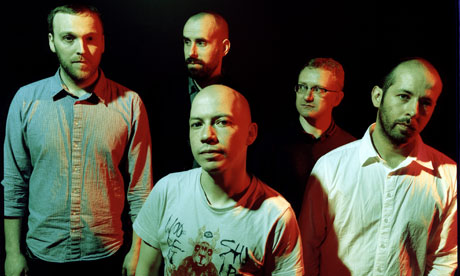
It’s an honour for us having Simon Fowler and Steve Cradock from Ocean Colour Scene here today. They’ve just released their 10th album called ‘Painting’ ([PIAS] 2013), and right in the middle of their Spanish tour, they let us get on their massive tour bus to have a chat about Brit Pop, drugs, record stores, Oasis, Paul Weller, Peace, bands that make shitty music, and even their next record! Definitely not to be missed.
«We were taking ourselves too seriously to not be considered a Brit Pop band»
How is the tour going so far?
SIMON FOWLER: It’s going pretty well, thanks. We’ve played 3 gigs so far in Spain. Zaragoza, Santiago and San Sebastián. Very good gigs.
I’ve seen you’ve also played outdoors this morning
STEVE CRADOCK: Yeah at the station, it was just 5 minutes walking from here. That was a bit strange, out of our routine
Painting is your 10th album, it’s been very well received, how do you feel about it? Were you looking forward to make it after your solo albums?
SF: Ahm, I think we really wanted to do it. We wanted to make a new album because we wanted to have new songs to play. And to play live. We spent the year before doing most of the shows up. And we needed something new. I found out that once an album it’s released, you kind of forget about it. We’ve been listening to some things Steve has been working on for the next record, we’ve been listening that the other night.
But you’ve released Paintings less than 2 months ago.
SC: You just don’t sit around and listen to albums really.
SF: I’ve never sat around listened to our own albums once they’ve been made.
SC: I think the reason might be that it’s quite intense when you’re recording it, isn’t it? You hear it so much when you’re recording that…
SF: Is the last thing you want to listen!
SF: You can listen to ZZ Top or Billie Piper’s new cd instead! (Laughs)
«During the Brit Pop everyone thought they were in the Beatles or the Stones»
Which is the album your most proud of?
SC: I love the B-sides, Seasides and Freerides.
SF: Yeah that’s my favourite album too.
Back on the 90’s, the press was talking about Brit Pop, but now seems like everything is about TV shows and non-sense pop acts. So I guess, after all the Brit Pop scene wasn’t that bad, was it?
SF: It was good fun! Good fun all the time! Wasn’t it? Everyone was young, and everyone was taking lots of drugs. Everyone thought they were in the Beatles or Stones or the Who or the Kings! (laughs). It was a bit like being at school. But I’m not sure that we were Brit pop, I guess to you we are…
SC: Are we?
SF: I guess we were, but we didn’t feel.
«Paul Weller was our guardian. A big brother.»
But you’re always tagged as Brit pop, maybe just because you were there at that time.
SF: Yeah it was just because we were there. But we were taking us as far too seriously so that we were never a pop band. And I don’t think we were a pop band really.
SC: I think all that happen in London as well, and we lived in Birmingham. There’s 120 miles distance. And all bands lived in London really.
SF: As soon as Oasis made any money what did they do? They fucked off from Manchester and went to London.
SC: I think that everybody was going out and circulating in the same places that we never were really.
But you played with Paul Weller and Oasis back then, did that suppose a decisive boost for Ocean Colour Scene or is not that important?
SF: It’s probably not as important as people imagine, in terms of how we actually became popular. The two are different. Paul was our guardian I guess, our sponsor, a big brother. Steve started playing with him, and because of that we started going out on those early tours doing the support, going in coaches like this, into hotels and cities across Europe… It seemed that it was real, rather than just a hobby.
And Oasis… (thinks for few seconds), well playing with Oasis probably did nothing for us. It put a name in the cool crowd. But in terms of making us popular it didn’t. When we supported them on the first tour, when they were very popular, quite frankly no-one in the crowd wanted to see us. What really happened is that DJ Chris Evans played our song and made our album reached number 2 and stayed 6 months there. I think if it hadn’t been for Chris, it could have only been number 38 for 2 weeks, or something like that. That was the difference, the difference was radio.
«As soon as Oasis made any money they fucked off from Manchester and went to London»
You’ve been together more than 20 years, in these years many bands have come and gone, is there like a secret formula to be in the front line all this time?
SC: I think it’s because we stay friends.
SF: And I think the other thing is that, in reality, having that success in 1996, meant that it was something we could carry on doing and something that we could say that’s how we’re going to live adult lives, you know? And make a living. If it hadn’t happen in ’96, I don’t know what would have happen in reality. I’d like to think that we wouldn’t have split up but… I don’t know what would have happen really. So I guess it’s the fact that we are friends, and also became a real band, a real touring band, very professional.
SC: And also none of us got into heroin. I think that’s probably important.
If you had to start all over again, would you change something?
SF: I would change his jacket! (Pointing Steve’s jacket and laughing hard) Well I would have worked harder. I would have written more songs, I think.
But you used to write 3 songs in an afternoon right?
SF: Yeah that’s right. I used to write so that we had something to do. Me and Steve in particular, when we got into the recording studio near to where we lived. If I hadn’t written a couple of songs that night we wouldn’t have nothing to do the following day. And we should carry on writing more I think. But apart from that, no, because even the things that went wrong were funny. (Laughs) Most of the times we got into horrible trouble, that was funny as well. And still is.
«New bands shouldn’t listen to old bands. Just get a lawyer and avoid heroin.»
The way to make music has changed a lot since you started, but do you reckon it’s actually easier for musicians this way than it was before?
SC: Yeah definitely. It’s much easier. When we started we recorded in 2’’ tapes, like the way they recorded in the 40’s, 50’s or 60’s. And the last 10 or 15 years, it’s totally changed. I don’t think they make tapes anymore.
SF: Yeah they probably don’t, do they?
SC: It’s all made on the digital age. Even Neil Young records, he records on tapes still, but he left digital computer software running alongside it.
SF: Well I’m useless with technology, I can’t use computers, I never use them, but Steve has learnt to record using a machine like this big, instead of the size of this bus, like they used to be. I think that we could make an album in this room. Which in a way I think… Is it sad?
SC: I think it’s a great idea.
SF: It’s actually funny, it’s like the punk ethos, has come around and no one knew how would fulfill it. There’s a democratization of music, anyone can really start making records, and they don’t need a hundred thousand pounds from a major record label, who are going to tell them how to make it.
Do you think listeners are getting lazy or superficial when listening music with the new options they have now? Seems like no one buys albums anymore.
SF: That’s a bit of a concern, when you’re in band, selling records. I don’t know to be honest, because I’m not of the generation. There’s so much information, within seconds you can listen any record, from any artist, from any era, and whatever type of music it is, that’s got to be good. But if you go to record shops, second hand record shops, you pay a fortune for records, £30 for a record I remember I sold for about a fiver when I was on the door with no money and no drugs. That’s crazy. Some of them are £12, some of them are £27, some of them are 30 quid, they don’t seem to have a…
SC: I think it’s the thickness of the vinyl, it makes the heaviest vinyl they normally are £20 in England I think.
Now that we can consider you music veteran, what would be your advice to the bands trying to make themselves a name out there?
SF: Don’t listen to old bands. Get a lawyer. I’d say. Get somebody who you can trust. I’m sure that a lot of bands have problems here and there with money, but I don’t know really.
SC: Get a lawyer and avoid heroin, I would say.
«U2, Coldplay and Oasis are very bland bands. Maybe you just have to play shit like that to get that big»
Birmingham’s got a huge musical background. Do you have any recommendations on new bands that you’re currently listening to?
SC: The Boatyman, but they’re not on the internet. Well, there’s just a song recorded at the Irish Centre. Oh and Peace. Do you know Peace?
Yes indeed, they got lot of press. I think they sound a little bit like The Stone Roses in some songs. (I’m thinking in Waste Of Saint, for instance)
SC: I don’t think they do, I think they sound more Brit Pop, poppy vocals…
If you had the chance to play your music anywhere or anytime in history, which place would it be?
SF: Monterrey festival, I think that’s the best festival I remember. But what about tonight in Madrid?
SC: King’s Road 67, when all went colourful.
What’s happening in music when a quality band like OCS doesn’t get to play Arenas more often?
SF: Well to play arenas, I think it’s just U2, Coldplay and probably Oasis, but they’re kind of all very bland don’t they? I don’t think they’re very intimate.
SC: Maybe you just have to play shit like that to get that big.
Are you happy?
SC: Yeah!
SF: Yeah I’m pretty happy, tonight yeah!
SC: He’s never happy. He’s always moody. He’s a miserable old man.
Lo primero que hace uno al entrar en el emblemático Royal Albert Hall londinense, es mirar hacia arriba y suspirar. Porque amén de los pequeños detalles que marcan lo especial del centenario teatro, hay momentos, hay artistas, y hay conciertos que parecen irremediablemente concebidos para tocar en este lugar.
El escenario es inmejorable. Ya haceun año que Adams acabó su última gira y es el único concierto previsto para 2013. Además presenta temas nuevos. Y, por primera vez en 4 años, lo hace con banda completa. Y qué banda. Su amigo Noel Gallaguer, que organiza el acto para la asociación benéfica Teenage Cancer Trust, aparece después de la fabulosa actuación de Beth Orton, para presentarla entre bromas como “una superbanda a excepción del batería”, que no es otro que su propio batería con los “High Flying Birds”, Jeremy Stacey. Y no es para menos. A los teclados nos encontramos a Benmont Tench, uno de los fundadores de Tom Petty & The Heartbreakers. El multi-instrumentista y productor Ethan Jones a la guitarra, Don Was, de Was (Not Was) y productor de Dylan o Stones al bajo y contrabajo, y Cindy Cashdollar (Dylan, Van Morrison) con la steel guitar.
Con puntualidad británica, Adams aparece junto a su flamante nueva banda y lo hace recomendando irónicamente, hacer uso de nuestros cascos de carreras para aguantar la velocidad de la música que nos espera. El comienzo tira del último álbum con Dirty Rain y Ashes & Fire. El público está ensimismado y escucha con atención. El sonido está a la altura de la majestuosidad del auditorio, y la disposición del escenario consigue una cercanía inusual a los músicos, creando un ambiente mágico. La banda muestra una gran presencia. Enriquece las canciones y se entiende sin apenas mirarse. Guardan los tiempos y destacan en los momentos precisos. Así, Ethan Johns tendrá la ocasión de esparcir su guitarra con un espeluznante solo en una Nobody Girlinterpretada en forma de jam. Aunque no sería hastaLet It Ride o una poderosa versión blues de Fix It, cuando abandonen las balas de fogueo y muestren todo el peso de sus tablas sobre el escenario.
La declaración de intenciones del repertorio se destapa con My Winding Wheel, una de las canciones que sonarían del aclamado “Heartbreaker”, junto a Why Do They Leave, Oh My Sweet Carolina y Come Pick Me Up. Adams está a gusto. Empatiza con el público y la balanza emocional que ofrece se equilibra por su buen sentido del humor. Así, la anécdota de la noche se produciría justo antes del Please Do Not Let Me Go, cuando entre las peticiones que grita el público, Ryan entiende “loaf of bread” (barra de pan) e improvisa un tema de 3 minutos rimando ingeniosamente y con la banda acompañándole en una jam session que encandila a un público entregado.
Uno de los momentos más esperados de la noche, fueron las canciones nuevas, Where I Meet You In My Mind, con una buena melodía y un tempo hipnotizante que no desentonaría en Ashes & Fire, y un elegante blues llamado In The Shadows, que se envenena por momentos y queAdams interpreta literalmente como “un vampiro conduciendo un Cadillac por las afueras de la ciudad matando a un hombre lobo”. Ambas pueden tranquilizar a los fans más clásicos viendo el sonido continuista que atesoran.
Acto seguido, la banda se retira. Adams hace del silencio virtud echando mano de harmónica y de su inseparable Harmony Buck Owens tricolor, para interpretar una sobrecogedora Oh My Sweet Carolina y un guiño inesperado en forma de English Girls Approximately, que consigue alargar el clímax con una interpretación brillante, donde la mirada de Adams se intensifica mientras susurra “you meant everything” al final de la misma. El momento más que nunca es aquí y ahora.
Ya con la banda de vuelta, ejecutan Dear John y Do I Waitcon una maestría y un peso que les vale la felicitación pública del propio Adams.
Para el bis final deslizaI Love You But I Don’t Know What To Say, la joya que cierra Ashes & Fire. Cocinada a fuego lento y de especial belleza, consigue detener el tiempo y llenar de emoción contenida cada hueco del auditorio. Sin apenas pausa, sería un conmovedor Come Pick Me Up el que logra poner en pie a los 5500 asistentes antes del final, para dedicar al de Jacksonville una larga y merecida ovación.
Sabemos que Adams es un genio de otra pasta, obsesionado con pasar desapercibido y caminar tranquilo como David Ryan Adams. De esos pocos que rebosan talento pero se empeñan en mostrarlo a cuentagotas como si la música no fuera con ellos. Aún así, se agradece sobremanera que se haga notar, aunque sea con apariciones excepcionales, para poder comprobar in situ el gran estado de gracia en el que se encuentra. Confiemos en que su colaboración con esta banda no sea solo fruto de esta ocasión, y puedan seguir llevando la emoción por bandera en un futuro cercano. Por el bien de la música y sus amantes.
Porque de un tiempo a esta parte parece que son ellas las que mueven los hilos más interesantes de la escena musical actual. Las modas cambian y vuelven más rápido que nunca y el sentido de la orientación se pierde con facilidad. El gato por liebre empieza a ser una constante molesta y aunque los refritos de refritos estén a la orden del día, lo cierto es que la calidad sigue ahí fuera y cada vez es más habitual encontrar talentosas bandas emergentes donde las chicas toman la iniciativa.
Lo hemos comprobado con infinidad de bandas que entran sin permiso y no están dispuestas a marcharse a las primeras de cambio: Desde Vivian Girls a Best Coast; de Dum Dum Girls a Beach House, Cristal Castles o Anna Calvi , o fueras de serie como Natasha Khan de Bat For Lashes o Brittany Howardde Alabama Shakes.
Por eso, hoy queremos hacer un rápido análisis de 10 bandas emergentes que poseen los ingredientes necesarios para pegar fuerte, y tienen interesantes propuestas que presentar y defender a lo largo de este 2013, la gran mayoría, álbumes debuts o EP’s.
HAIM
Lanzábamos la primicia ya en el pasado Mayo, cuando aun no tenían discográfica que lanzara su debut. Danielle, Alana y Este Haim, las 3 hermanas californianas acostumbradas a tocar con sus padres, al mas puro estilo Kitty Daisy & Lewis, decidieron dejar a estos a un lado para marcarse un EP con 3 temas, que regalaron en su web. Sería en Junio cuando Polydor- Universal se fijaran en ellas y no dudaran en pagar 2 millones (DOS) de dólares para deshacerse en la puja de Sony y Warner.
Su mezcla de folk, r’nb y POP con mayúsculas suena sincera como pocas, y es de esas formaciones que te ganan con el directo. Su debut se espera con ganas para Marzo. Si imprescindibles era ya su single presentacion,Forever, no se pierdan el más reciente Falling o Don’t Save Me.
MS MR
Este dúo de chill wave establecido en NY, se apunta a la última moda que no es otra que ofrecer datos de la banda a cuentagotas, en ocasiones solamente un nombre y un link a un single. Les mencionamos en Junio, cuando lanzaban el single debut llamado Hurricane. Un tema nostálgico, de tintes épicos y detalles de Bat For Lashes, y una voz muy similar a la de Florence Welch de Florence & The Machine. Han sido fichados por Sony y su álbum debut verá la luz el 14 de Mayo.
TORRES
Detrás de Torres está la cantautora de Nashville de 22 años Mackenzie Scott, que acaba de lanzar digitalmente su álbum debut homónimo, y que contiene un enorme primer single llamado Honey. Le basta distorsionar los sonidos de su Gibson y manejar a su antojo una gran voz, en este caso intencionadamente ruda para lograr un tema de intensidad contenida y rico liricamente. «Honey, while you were ashing in your coffee, I was thinking of telling you’ve what you done to me». Su álbum debut homónimo acaba de salir al mercado.
Parece que Sharon Van Etten ya tiene competencia.
SAY LOU LOU
Estas gemelas de procedencia sueca-australiana, Saint Lou Lou hasta hace unos días, sorprendieron a propios y extraños con el lanzamiento de un gran single, Maybe You, con el que consiguieron que los ojos de los blogs mas meticulosos se fijaran ellas. Incluidos los fashionistas de Kitsuné que se apresuran a ficharlas. Poco después lanzan un video resultón dirigido por el director Philippe Tempelman y la bola está montada.
El siguiente paso serán son singles a cuentagotas como Skylights o Julian, desaparecidos practicamente de la red, y anuncio de nuevo álbum. Aún con todo, amantes de Au Revoir Simone, Cocteau Twins o Beach House, aquí hay material.
VERONICA FALLS
La banda londinense de Roxanne Clifford sorprendió en 2011 con un debut que tiraba de sonido C-86, Vivian Girls o Dum Dum Girls, y ahora presentan un segundo disco más colorista con un Lo-fi más trabajado que tiende más a Best Coast que a las propias Vivian Girls. De hecho parece que sea el segundo álbum que estaba buscando Bethany Cosentino con The Only Place.
Waiting For Something To Happen, que así se llama, ha sido producido por Rory Atwell (The Vaccines, Yuck), que pretende conseguir que la banda pueda dar ese gran salto que se le resiste a los anteriormente mencionados, con un sonido que a menudo parece demasiado trillado, pero que por lo escuchado aquí parece no tener los días contados como creía más de uno. Buenas melodías, juegos vocales y guitarras trepidantes para un álbum óptimo que apunta alto en este recién estrenado año.
LAURA MVULA
Esta británica de 25 años, natural de Birmingham pero con raíces caribeñas, ha conseguido gran atención con la publicación de apenas 2 singles, como fue el emotivo Sheel año pasado y el más reciente Green Garden. Encariñada desde primaria al piano y al violín, su estilo recuerda a Erykah Badu o Amy Winehouse. Hace apenas un año dejaba su trabajo en la recepción de la Orquesta Sinfónica de la Ciudad de Birmingham para dar rienda suelta a su imaginación a través del Garage Band de su ordenador. El resultado es una mezcla de R&B, soul y gospel que le ha valido para ganar la atención de los críticos de la BBC, y para que Sony se apresurara a ficharla. Su debut se llama Sing To The Moon y está programado para el 4 de Marzo.
WOLF ALICE
La primera impresión que se pueden llevar de la banda de Ellie Rowsell seguramente no sea la adecuada. Este trío londinense de psychofreak poprock, como ellos mismos se auto-etiquetan, decidieron dejar el folk que paseaban por el Norte de Londres para coger las guitarras eléctricas y tocar en todos los garitos de la ciudad que pudieran. A mediados del año pasado publicaban un EP homónimo y auto-producido, desaparecido del mercado, de solamente 3 canciones. Más tarde lanzarían Leaving You y ahora el single físico de Fluffy, con videoclip incluido. Un tema con el que pretenden posicionar su sonido, ensuciándolo intencionadamente y dándole una forma que tiene la figura del éxito dibujada. La versatilidad del sonido de la banda y el carisma de Ellie forman una ecuación que apunta maneras.
DEAP VALLY
Las Black Keys femeninas que no se cortaban a la hora de acosar a los Horrors quieren dar un salto adelante. Hacen garaje salvaje. Unrock blusero rudo y cabezón utilizando solamente guitarra y batería, aunque quizás su sonido se acerca más a Wolfmother y White Stripes. El descaro y la actitud que muestra la cantante y guitarrista Lindsay Troy es un gran valor añadido que seguro les vale para salirse del tiesto. Además de una voz punzante que recuerda a Juliette Lewis o Karen O.
La historia de Deap Vally se desarrolla en el corto plazo. Hace apenas año y medio que Lindsay conocía a Julie Edwards, en Los Angeles, mientras esta trabajaba en un taller de costura. Después de hacerse amigas e intercambiarse discos de Led Zeppelín, Lindsey convencía a Julie para formar la banda. 5 temas después y algunos videos en la red les ha valido para llamar la atención de Iggy Pop, con quien ya han tocado, de Queens Of The Stone Age, quienes quieren llevárselas de gira, o Mumford & Sons, de quienes son las teloneras de su gira actual. Su álbum debut se espera este 2013.
CHVRCHES
Chvrches son un trío electrónico de Glasgow que hacen synthpop adictivo y que cuentan con la voz de Lauren Mayberry como principal atractivo. Se conocieron en Octubre de 2011 aunque todos ellos tenían proyectos musicales alternativos antes de formar la banda. La BBC se fijó en ellos para su porra de nuevos talentos y han conseguido una buena porción de atención desde entonces. El año pasado lanzaban Liesy The Mother We Share, y el 25 de Marzo lanzarán Recover, el que será su EP debut
F.U.R.S.
Poco se sabe de este trío londinense que hace música americana influenciada por música inglesa. Elle Wade ejerce de líder, aunque en la banda también se encuentra su hermano Liam. Su primer single es un contagioso tema llamado Striptease, que tira de revival pero con buenas maneras. Johnny Marr personalmente les ha elegido para talonear su inminente gira por UK. Se encuentran grabando su debut aunque este single verá la luz física el 25 de Marzo. Seguramente no será la última vez que escuchemos su nombre.
Y no son las únicas. Si quieren alguna más, bandas como Savages, PINS, Valerie June, of Verona, Christine & The Queens, Indiana, Eddie The Gun, Sally Shapiro o las hermanas suecas First Aid Kit también esperan un 2013 lo más movido posible.
Recuerden que podrán adquirir los discos de estas bandas también a través de tiendas online y encontrar algunas ofertas en la web deDscuento.com
Había mucha expectación creada en torno a las confirmaciones del Primavera Sound 2013, ya que por primera vez se anunciaba todo el cartel de una sola vez, en vez de ir soltando poco a poco las confirmaciones, con la excepción de Blur, que fueron los primeros y únicos anunciados.
El cartel definitivo incluye a:
Adam Green & Binki Shapiro, Aliment, Animal Collective, Antònia Font, Apparat, Band Of Horses, Barry Hogan DJ, Betunizer, Blur, Bob Mould, Bored Spies, Camera Obscura, Cayucas, Christopher Owens, Crime & The City Solutions, Crystal Castles, Dan Deacon, Daniel Johnston, Daphni, Daughn Gibson, Daughter, Death Grips, Deerhunter, Degreaser, Delorean, Dexys, DIIV, Dinosaur Jr., Disclosure, DJ Coco, Do Make Say Think, Dope Body, El Inquilino Comunista, Ethan Johns, Extraperlo, Fidlar, Fiona Apple, Foxygen, Fred i Son, Fuck Buttons, Fucked Up, Ghost Digital, Glass Candy, Goat, Grizzly Bear, Guadalupe Plata, Guardian Alien, Guards, Hidrogenesse, Hot Chip, Hot Snakes, How To Dress Well, Jackmaster, James Blake, Jessie Ware, The Jesus & Mary Chain, Jim Jarmusch & Jozef van Wissem, John Talabot DJ, Killer Mike, King Tuff, Kurt Vile & The Violators, L’Hereu Escampa, La Bien Querida, La Brigada, Orchestre Poly-Rythmo de Cotonou, Liars, Local Natives, Los Planetas, Mac Demarco, Manel, Matthew E. White, Meat Puppets, Melody’s Echo Chamber, Menomena, Merchandise, Metz, Mount Eerie, Mulatu Astatke, My Bloody Valentine, Neko Case, Neurosis, Nick Cave & The Bad Seeds, Nick Waterhouse, Nils Frahm, Nurse With Wound, OM, Omar Souleyman, Paus, Peace, Phoenix, Pony Bravo, Poolside, Rodriguez, Roll The Dice, Savages, Sean Nicholas Savage, Shellac, Simian Mobile Disco, Solange, Swans, Tame Impala, Tarántula, The Babies, The Bots, The Breeders, The Free Fall Band, The Knife, The Magician, The Postal Service, The Sea And Cake, The Suicide Of Western Culture, The Vaccines, Thee Oh Sees, Tinariwen, Titus Andronicus, Toundra, White Fence, Wild Nothing, Woods, Wu-Tang Clan, Four Tet, Chris Cohenb, Blue Willa, Hal Flavin, Honeybird & The Birdies, etc…
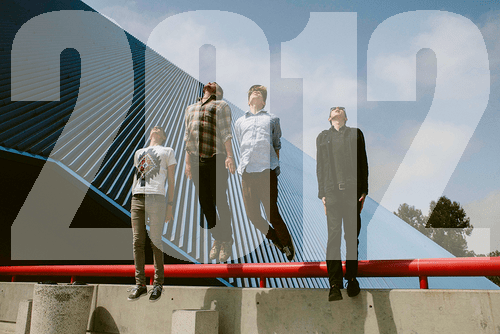
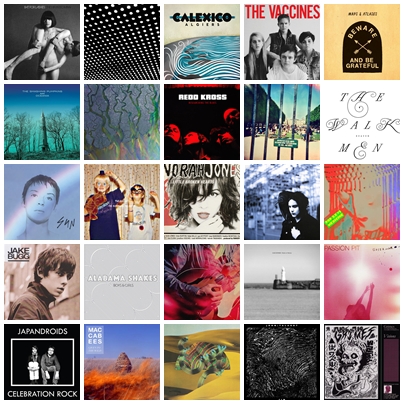
Suponiendo que la objetividad suele empezar donde termina la espalda en este tipo de listas, desde aquí vamos a aportar los discos que hemos considerado más importantes del 2012. Para nosotros prima la originalidad, creatividad, el aporte de los artistas y la influencia que pueden tener.
Lo hemos visto otros años y sigue sucediendo. Es curioso comprobar como importantes medios siguen empecinados en sacar su lista con una antelación cada vez más ridícula, expulsando Diciembre del calendario y produciendo situaciones cómicas, como dejar fuera de sus Best Of2011el que fuera uno de los álbumes del año, El Camino de Black Keys, lanzado a principios de Diciembre.
Pero aunque 2012 no haya sido un mal año musicalmente hablando, siempre echamos de menos que se multipliquen las grandes referencias musicales, esas que juegan en otras ligas, y eso es algo que parece que tiende a desaparecer. No obstante, el 2012 nos prometía grandes cosas y ha cumplido con creces lo esperado:
30. POP LEVI – Medicine (Ninja Tune)
Jonathan Levi, mas (o quizás menos) conocido como el ex bajista de Ladytron, sigue su camino en solitario con la publicación de su cuarto álbum en solitario, afianzando este proyecto al resto (Ladytron, Super Numeri, etc…). Este compendio glam electrónico ha sido grabado según Levi por “una diferente versión de mí, en otra dimensión”. Un lugar indudablemente original para grabar un disco. Aún con todo, nos deja un álbum que aunque algo extenso, recuerda los buenos tiempos e intentos de Eagles Of Death Metal por sacudir éste género, aunque Levi no deseche los medios tecnológicos que le ofrece la actualidad. Contiene llenapistas y buenrollismo a raudales. Un imprescindible de sábado noche.
29. MAPS & ATLASES – Beware and be grateful (Barsuk Records)
Estos minuciosos músicos de Chicago lanzaron en 2012 su 2º álbum, después de un sinfín de EP’s y lugares recorridos para hacer sonar su música. Demasiado meticulosos para algunos, están en constante búsqueda de sonidos. Como ya vimos aquí, no les importa sobreponer ritmos o hacer tapping, aunque en éste disco hayan dejado la experimentación más aparcada que en sus anteriores lanzamientos. Beware And Be Grateful es un álbum vistoso que consigue enganchar de primeras. Hablamos de ellos en Abril.
28. THE WALKMEN – Heaven (Fat Possum Records / Bella Union)
Los siempre correctos neoyorquinos cumplen 10 años desde su debut, y lo hacen lanzando el que es ya su séptimo largo. De perfil bajo, no cuentan con presiones añadidas, y son más que nunca conocedores de que nunca contarán con el apoyo unánime de la crítica especializada. Así Heaven, que cuenta con la colaboración de Robin Pecknold de Fleet Foxes en el primer tema, es un álbum donde la banda se encuentra en ese punto en que no sienten la necesidad de demostrar nada, a pesar de que muchos echan de menos un gran trabajo que les coloque en el mismo mapa que otras americanas más consagradas. Con todo, y sin esa presión, componen los mejores temas de su carrera como podemos ver en Line By Line o The Witch.
27. FATHER JOHN MISTY – Fear Fun (Sub Pop)
“Para que aparezca una nueva vida, algo tiene que morir”. Menos conocido como Josh Tillman, el hasta hace un año batería de los laureados Fleet Foxes dejaba la banda al no sentirse completamente feliz con ellos. Así retomaba en 2012 sus proyectos personales con un notable éxito. Su 8º disco de estudio ha sido parido a través de viajes sin destino por la costa este de los EEUU en una furgoneta donde no faltaban setas alucinógenas que le ayudasen a encontrarse a sí mismo. El resultado es un trabajo exquisito de folk que no ha pasado desapercibido.
26. TWO GALLANTS – The Bloom And The Light (PIAS)
Estos 2 tipos de San Francisco llevan tocando juntos desde que tenían 5 años. The Bloom And The Light y su sonido marca de la casa les ha valido la aceptación de crítica y público si bien no se encuentran comercialmente hablando al nivel de otros grandes dúos con los que se les compara como White Stripes o Black Keys. Su propuesta de rock garajero afilado con intención psicodélica, triunfa allá donde va si bien a ellos las cifras no es algo que parezca importarles. Les entrevistamos en su visita a España.
25. PATTERSON HOOD – Heat Lightning Rumbles In The Distance (PIAS)
Padre de una de las mejores bandas de alt-country que se puede uno llevar a los oídos, el hijo del mítico David Hood deja a un lado a sus Drive-By Truckers para presentarnos su tercer disco en solitario. Éste disco confirma la plenitud compositiva en la que parece encontrarse Patterson, quien está deseando lanzar nuevo disco con Drive-By Truckers en 2013. Un placer entrevistarlo hace un par de meses.
24. JOHN TALABOT – ƒIN (Permanent Vacation)
El DJ y productor barcelonés lanza su primer LP de la mano de Permanent Vacation después de publicar multitud de singles y remixes para terceros.ƒIN es un trabajo que le ha supuesto los elogios de la crítica especializada y que le ha valido para que le coloquen rápidamente en la estela de gurús electrónicos como Four Tet, Burial o Caribou. Con éste album consigue introducir la electrónica en un confortable salón familiar. Cuenta con buenas colaboraciones como Pional en el primer single o Ekhi.
23. THE MACCABEES – Given To The Wild (Fiction Records)
Los londinenses del sur del Thamesis llevan desde 2004 que lanzaron su debut buscando ese pedazo de ratio mainstream que parece reservado de unos años a esta parte a bandas con más éxitos extra musicales que musicales propiamente dichos. Su lucha ha sido constante, pero después de un 2º álbum que no convenció, lanzan un 3º que ha sido carne de cañón de Mercury Prize y que por fin parece haber puesto a todo el mundo de acuerdo. La propia madre de uno de los miembros recomendaba su debut en una tienda de discos del Kensington High St. de Londres que ya no existe. Su nominación a los Mercury les hace justicia.
Jack Tatum hace un álbum continuista de su gran debut de 2010, el celebrado Gemini, y lo hace destilando su dream pop de manera más práctica, aunque sin grandes temas que resalten sobre los demás como ocurría en Gemini. Sin embargo, Paradise, Nocturne, Shadow o Counting Days bien podrían ser las patas que sostienen el álbum.
21. THE VACCINES – Come Of Age (Columbia)
Veni, vidi, vici. La máxima de Julio César la llevan los londinenses a cada escenario que pisan, pero también la aplican a su segundo álbum. Come Of Age no es un desfile de hits tan radical como lo fue su debut, pero sigue la misma línea de pegada y deja joyas como Teenage Icon o No Hope. Los Vaccines no van a cambiar la forma de ver el rock ni van a arreglar nada que esté por arreglar, pero han demostrado que hacen grandes singles como churros y sin ninguna pretensión. Rock directo, efectivo, y sin complicaciones.
20. RICHARD HAWLEY – Standing At The Sky’s Edge (EMI)
El de Sheffield es uno de esos músicos en peligro de extinción. Se volvió a hacer justicia con su nominación a los Mercury otra vez éste año, pero sin ser el claro favorito, volvió a perder como aquella vez que le arrebataron el premio unos inconmensurables Arctic Monkeys. En cualquier caso, Hawley ha vuelto para publicar Standing At The Sky’s Edge, un ábum que hace gala del desencanto que percibe su autor y que tira de épica y pop elegante e inteligente.
19. PASSION PIT – Gossamer (Columbia)
La banda de Michael Angelakos encandila al público de los EEUU pero no logra hacerse un hueco en Reino Unido. Después de un EP rompedor como fue Chunk Of Change y de un debut que les abriría un hueco aún poco explotado, Gossamer pone de manifiesto una habilidad especial para abrir un abanico de posibilidades musicales que no muchas bandas poseen. Sus temas están radicalmente abiertos a ser mezclados, remezclados y dados la vuelta, para obtener un sinfín de interpretaciones, desde el RnB más comercial al cierrapistas más multitudinario.
18. GRIMES – Visions (4AD)
La ola que se levanta en Canadá empieza a ser demasiado grande para ser obviada. Claire Boucher presentaba su tercer álbum y primero con 4AD, denominado Visions. La mezcla de sintetizadores con su voz aniñada y oscurantismo le ha valido la etiqueta de goth-electro entre otros. Lo cierto es que después de ser expulsada de la universidad y de recorrerse el Mississippi con lo puesto en un pequeña embarcación, Claire logró plasmar sus ideas en un álbum que le ha supuesto el reconocimiento internacional. Hablamos de ella en nuestra lista de artistas a seguir de 2012.
17. CAT POWER – Sun (Matador)
La imprevisible solista norteamericana da una acertada vuelta de tuerca a su estilo y juega con la electrónica en su 9º álbum. Se puede decir que la vida de Charlyn Marie Marshall no ha sido fácil. Después de cambiar 10 veces de colegio, estar en bancarrota, intentar suicidarse, ser desahuciada, utilizar su fondo de pensiones para financiarse las grabaciones, separarse o pedir cobijo en la casa de su productor, tampoco este año iban a venir buenas noticias para ella. A finales de año Chan Marshall se veía obligada a cancelar la gira por un angioedema y se confirmaba que podría estar de nuevo en bancarrota. En el ámbito meramente musical, nos encontramos con el lanzamiento de un notable trabajo. La delicadeza que encontramos en Sun muestra también un equilibrio entre la tristeza y el optimismo, propiciado por la cierta hartura de Chan con su lado más depresivo, como ella misma ha afirmado. Confiamos en poder verla pronto sobre los escenarios.
16. CHROMATICS – Kill For Love (Italians Do It Better)
Probablemente nadie ofrezca mejor banda sonora a las luces de neon en las noches de las grandes ciudades como la banda de Seattle. Cinco años después de su último álbum, regresan hilando fino, con atmósferas hipnóticas en el que es posiblemente su mejor álbum. El impulsoque ha dado la banda sonora de la película Drive les ha valido, al igual que a todos los participantes, para llegar a un público más amplio, pero no ha cambiado un ápice en su modus operandi. Es paradójicamente un trabajo muy cinematográfico y elegante, que une la electrónica al new wave, con guitarras eléctricas, musica disco, beats lentos y voz auto-tuneada en ocasiones que funciona bien en su conjunto y que ofrece un eficaz medio de transporte a la imaginación.
15. DJANGO DJANGO – Django Django (Because Music)
Ésta banda escocesa, que se ha tomado literalmente todo el tiempo del mundo en terminar su álbum, ha demostrado que efectivamente la paciencia es una virtud. Añadiendo pros a esa emergente oleada de nueva música psicodélica, Django Django están irremediablemente influidos por la mítica Beta Band, ya que el cantante David MacLean es precisamente el hermano pequeño del que fuera teclista de aquellos, John MacLean. También hablamos de ellos en nuestra lista de artistas a seguir de 2012. Default es sin duda uno de los mejores temas de 2012.
14. CRYSTAL CASTLES – (III) (Fiction Records, Lies Records, Last Gang Records)
El proyecto de Ethan Kath con la colaboración de Alice Glass, se convertiría en definitivo con el lanzamiento de su álbum debut en 2008. Su consagración al gran público, si se puede llamarlo así se confirmaría con el enorme (II) de 2011, y ahora parece que en vez de seguir el ancho camino abierto por aquel disco, deciden hacer lo que realmente ellos y no su discográfica quieren. Con (III) se ponen el traje de los domingos y lanzan un álbum de punk electrónico mucho más moderado que los anteriores álbumes. Es más lineal y más serio de lo que nos tenían acostumbrados pero que no baja una mica de calidad a su talento. El próximo año estarán de gira y podremos comprobar como funciona (III) en la salvaje experiencia que son sus directos, más que recomendables. O no.
13. JAKE BUGG – Jake Bugg (Mercury Records)
No hay duda de que estamos ante un compositor con mucho talento y una voz con mucho gancho. Con apenas 19 años, éste británico de Nottingham, ha lanzado un álbum debut que ha sorprendido a propios y extraños. El llamado Dylan británico bebe de los Arctic Monkeys que ha mamado desde niño, superándolos en algunos aspectos, pasando por Beatles y Oasis. Era hora de que Reino Unido empezase otra vez a aportar cosas interesantes a la música después de pasar tanto tiempo inadvertido. Este fenómeno va a dar mucho que hablar y Universal lo ha visto claro.
12. NORAH JONES – …Little Broken Hearts (Blue Note)
La cantante y actriz neoyorquina, hija del recientemente fallecido Ravi Shankar, – el músico hindú más influyente del mundo-, publicaba en 2012 nuevo álbum de la mano del prestigioso Danger Mouse, el productor gurú que convierte en oro todo lo que toca y que apunto estuvo de tomar las riendas de U2 cuando U2 creían aún en sus propias posibilidades. Después de la exitosa colaboración del año pasado con la estupenda Rome, produce en este caso el disco entero de Jones confirmando que poniendo sobre la mesa solamente su música y nada más, es una de las cantantes con más calidad y más interesantes de la escena musical de los últimos años. Norah tiene la voz, tiene el misterio y tiene el talento innatos. Y por eso tiene especial mérito no hacer el mismo primer disco una y otra vez.
11. TAME IMPALA – Lonerism (Modular Recordings)
Corren definitivamente nuevos tiempos para la psicodelia musical. Y si no que se lo digan al bueno de Kevin Parker. El introspectivo líder de los australianos Tame Impala afirmaba que cuando terminaron Lonerism dudaba de si habían hecho algo realmente bueno o todo lo contrario. Su particular forma de crear, llevando la máxima del “mejor sólo que mal acompañado” al extremo, nos hace dudar de sí realmente se puede crear música sin que exista influencia alguna del mundo exterior. Lonerism, que es el 2º álbum de TI, experimenta con la psicodelia de los 60 y 70 y consigue crear un sonido con sentido, tomando como referencia elementos de hace 50 años y usando la tecnología en su justa medida para que sorprendentemente no suene a refrito de refrito del revival de turno. No hay temas que destaquen sobremanera sobre el resto, ni estribillos que corear pero el álbum forma un conjunto uniforme, casi indivisible que puede ser extrapolado y armoniza un sinfín de puntos de vista.
10. CALEXICO – Algiers (City Slang)
Existen pocas bandas que posean una variedad de estilos tan rica como la del dúo de Tucson. Y menos aún que sepan sacarle el provecho que éstos le saben sacar. En su country folk de serie, en esta ocasión tienen cabida rancheras, ritmos cubanos o temas en castellano. Calexico sabe llevar la elegancia en temas extremadamente cuidados y que cuentan buenas historias. Algiers es el 7º álbum de la banda.
9. CLOUD NOTHINGS – Attack On Memory (Carpark Records / Wichita)
Sin duda los de Ohio son una de las formaciones más geniales del panorama musical. No solo haciendo videoclips han demostrado que son de lo mejorcito que se puede uno encontrar. La energía que desprende la banda de Dylan Balde es fácilmente contagiosa. Garaje noventero y descarado rock a corto plazo con el que están decididos a hacer un álbum por año, gran noticia después del espectacular homónimo de 2011.
8. BAT FOR LASHES – The Haunted Man (EMI)
Natasha Khan es esencia de talento. Es apetito musical. Palpable y real Una extraña belleza más oída que escuchada por siluetas con derecho a voto. Como si a pesar de sus 3 grandes trabajos aún se esperase de ella un gran golpe sobre la mesa. Original de la playa de Londres con descendencia paquistaní, Khan presentaba este año The Haunted Man envuelto en un continente que tristemente parecía dar que hablar más que el contenido. Multi-instrumentista pero gran pianista y compositora, se gradúa con nota con uno de los mejores temas del año que es Laura, en un álbum muy cuidado en el que también destacan temas como Marilyn, A Wall o All Your Gold.
7. JACK WHITE – Blunderbuss (Third Man Records)
Obsesionado consigo mismo y perfeccionista hasta la médula, Jack White ofrece un compendio de rock blusero de manual. Nadie consigue hacer sonar el rock clásico tan moderno como él. Rodeado de grandes músicos de su Nashville natal, su fastuosidad creativa le pide en esta ocasión llevarse dos bandas de gira, una totalmente masculina, The Buzzards, y otra femenina, The Peacocks, siendo su feeling en el momento del desayuno quien decida quién va a tocar en el concierto de cada noche. Elegancia musical sin igual. Imprescindible.
6. JAPANDROIDS – Celebration Rock (Polyvinyl)
Japandroids o el rock agarrado a un clavo ardiendo. Su abismo sonoro lleva al límite. El dúo de Vancouver lleva el experimentalismo al extremo opuesto y no pide sino ofrece. Celebration Rock, un álbum que apunto estuvo de no publicarse, ya que estuvieron apunto de separarse, escupe rock sin paliativos. Rock que te zarandea hasta dejarte K.O. Todo actitud en un álbum para ser sudado en directo como si no hubiera un mañana.
5. SMASHING PUMPKINS – Oceania (Martha’s Music)
Contra todo agorero pronóstico, el octavo álbum de Billy Corgan con Smashing Pumpkins es muy digno de estar en toda lista álbumes del año. El puñado de grandes temas que atesora Oceaniano se cuentan con una sola mano. Y cuenten el resto de la lista. El mayor problema de Smashing Pumpkins en 2012 es que son Smashing Pumpkins. Y el mayor pecado de Oceanía es que no es 1997 y éste no es el álbum que va a seguir a Mellon Collie.
Pero hace tiempo que la industria pasó a vender politonos y la memoria colectiva musical, cargada de estúpidos prejuicios, se acomodó en un corto plazo cuanto menos inquietante. Oceania es un álbum que le sobra lo que otros añoran y tardan tanto en conseguir. Es encomiable la capacidad de Billy Corgan para crear melodías de tan bella factura y dotarles del peso de guitarras y los arreglos justos. Oceanía pide a gritos volver a confiar en un tipo que sabe muy bien lo que se hace.
4. BEACH HOUSE – Bloom (Bella Union)
Bloom continúa en la línea del estupendo Teen Dream, añadiendo quizás algo más de epicidad y haciendo más espacioso su sonido, convirtiéndose cada vez más en una influencia para muchas bandas. La palpitante Wild es uno de los temas del año, pero no olvidemos la creciente Irene o la majestuosidad de New Year. La voz de Victoria está mejor que nunca y la calidad que consiguen en todos sus álbumes les ha valido para ganarse el respeto de todos.
3. REDD KROSS – Researching The Blues (Sweet Nothing Records)
15 años llevaban sin publicar nuevo disco la banda de los hermanos prodigio californianos. Y menudo regreso. Researching The Blues está a la par de sus trabajos en los 90. Los padres del primer punk-rock californiano se marcan un álbum señor de arriba a abajo, que suena a Beatles o Byrds y te deja KO a las primeras de cambio. Ellos no saben de modas, pero levantan la bandera del power pop al punto más alto y consiguen un disco soberbio que funciona bien ahora y hubiera funcionado igual de bien hace 15 años. Solamente 10 temas en treinta y pocos minutos que después de tanto tiempo dejan un inmejorable sabor de boca y ganas de más. Un álbum que suena incluso mejor escuchado del final al principio, y es que dejan para el final el mejor tema, el beatleHazel Eyes.
2. ALABAMA SHAKES – Boys & Girls (Rouge Trade)
Curioso como un panfleto británico, otrora referencia musical por excelencia, les dedicaba una portada bajo el título de “The World’s Greatest New Band” y apenas meses después no tenía cabida en sus 50 discos del año. Alabama Shakes es una banda que camina con pies de plomo, mirada fija, y la recamara llena de balas. Sus directos son una experiencia sensacional, sencillamente bonitos, cargados de calidad y de mucha emoción. Es increíble la unanimidad que ha conseguido esta banda en torno a ella, que ha logrado que se pongan a sus pies ilustres como Robert Plant, Jack White o Drive-By Truckers.
La magia que tiene ésta banda reside principalemente en su cantante, que es comparada y con razón con Aretha Franklyn. Es la banda con mayor potencial y proyección de la lista. No encuentro ninguna razón para que Alabama Shakes no lleguen a lo más alto. Brittany Howard es un regalo para la música. Algo intuíamos ya el pasado mes de Abril.
1. (Δ) ALT-J – An Awesome Wave (PIAS)
Y la joya de la corona de 2012. Sinceramente tenían reservado el Nº1 y hasta la foto de éste artículo desde la publicación de An Awesome Wave a la espera de que algo o alguien pudiera arrebatárselo. Estos británicos tienen una clase descomunal y han hecho un álbum para quitarse el sombrero. Contiene hasta 7 temas que perfectamente podrían ser singles cualquiera de ellos. Un estilo que mezcla de manera sublime elemenos folk con dubstep, trip-hop y unas armonías vocales muy cuidadas. Su álbum es uno de los mejores debuts de los últimos años, y eso va a provocar precisamente que sea extremadamente difícil superarlo en el segundo álbum. Aunque para entonces quizás la media haya girado 180 grados y no les espere con los brazos abiertos precisamente. En ROCKAST hablamos de ellos apenas publicaron su debut, y con ellos en Agosto en una interesante entrevista.
El dúo de San Francisco vuelve a escena después de 5 años para presentarnos un nuevo álbum llamado The Bloom And The Blight. En éstos años, ambos se han embarcado en sus proyectos en solitario, aunque el cantante y guitarrista Adam Stephens también ha tenido que superar el terrible accidente casi mortal que tuvo en la furgoneta de la gira de su anterior grupo. Llegado el momento y casi recuperado totalmente, vuelve a la banda en la que lleva tocando más de una decada para presentarnos posiblemente uno de sus mejores trabajos.
Adam y Tyson se conocen desde que tenían 5 años. Empezaron a tocar a la vez e hicieron sus primeros bolos en la calle, en house parties, en cuartos de estar o allá donde les dejaran. Aunque son etiquetados comunmente como una banda de folk, su último álbum destila un blues garajero desgarrador. La voz de Stephens está más afilada que nunca y en The Bloom And The Blightdemuestra que nadie en el rock actual chilla como él. Tienen talento de sobra para estar mucho más alto que donde están. Aunque esto sea algo que aparentemente no les quita el sueño.
Los californianos han estado haciendo pleno en sus conciertos en España y han tenido tiempo para sentarse a hablar con nosotros.
Han pasado 5 años desde vuestro último álbum. En este tiempo habéis lanzado cada uno vuestros propios trabajos, ¿Ha influido esto en el nuevo álbum?
TYSON VOGEL: Bueno el estudio no es el sitio más confortable para nosotros, pero creo que grabar discos distintos nos ha permitido a ambos digamos el poder explorar el estudio de una manera diferente. Esto definitivamente inspiró nuestro planteamiento sobre el disco.
En The Bloom And The Blight trabajáis con un gran productor como es John Congleton (Modest Mouse, David Byrne, Explosions In The Sky). ¿Marca la diferencia un gran productor?
ADAM STEPHENS: Es genial, es un hombre muy inteligente, una experiencia muy reveladora. Ha sido un placer trabajar con él y fue divertido. Creo que el término productor es un término grande, porque tradicionalmente el productor tenía mucho que ver con los arreglos de las canciones, y cómo una canción determinada estaba compuesta, en cierta manera. Pero todo eso básicamente lo hacemos nosotros, él más o menos nos guía. Si teníamos alguna duda sobre algo él nos ayudaba. Si Tyson y yo no nos poníamos de acuerdo en algo el era algo así como la 3ª voz, y nos ayudaba a movernos en la dirección correcta ¿sabes? Pero creo que es mas bien un ingeniero con mucha perspicacia y mucha opinión. Quiero decir… quizás no le debería haber llamado eso.
TV: Asegúrate de que no salga en América. (risas)
Empezásteis en Alive Records, luego Saddle Creek y ahora con la compañía de Dave Matthews, ATO Records. ¿Significa eso que desconfiáis de las grandes compañías?
TV: Absolutamente. Pero la mayoría de nuestros planteamientos digamos que necesitan un ambiente artístico, con gente que innova, que tiene maneras creativas de promocionar la música y la cultura. En realidad Dave Matthews no tiene nada que ver con ATO Records, excepto que lo empezó e invirtió en ello pero básicamente es un socio ¿sabes? ATO lo lleva un grupo de 15 tipos realmente buenos.
AS: Es más un tema de relación personal, queríamos sentirnos en casa en algún sitio y ser amigos de la gente con la que trabajamos. No creo que tuviéramos esa clase de relación en una gran discográfica.
«En la música es bueno tener que pasar apuros.»
¿Cómo el el proceso de elaboración del álbum? ¿Construís los temas juntos?
TV: Sí bueno, creo que el método cambia con cada canción. Nunca es muy consistente realmente.
¿De donde sacáis la inspiración?
TV: Supervivencia.
Habéis tocado mucho en la calle, en fiestas, en bares… ¿Es algo que todo músico debería hacer?
AS: No creo que todo el mundo toque la música apropiada para estos ambientes. En la música es bueno empezar humildemente, tener que pasar muchos apuros y hacer muchos conciertos cutres. Adquieres un sentimiento de gratitud hacia cualquier logro que consigues. Pero esos conciertos fueron los más divertidos. Nunca hacíamos dinero, pero básicamente aprendimos a tocar y a montar un show. El estar tan cerca de la gente, cuando tocas en casa de alguien o en una pequeña habitación, todos sudando, es una experiencia muy impactante, estar tocando o incluso sólo mirando.
¿Lo echáis de menos?
AS: Bueno, lo cierto es que hicimos 3 giras por EEUU como esa, tocando en casas y espacios de arte y realmente en cualquier sitio que podíamos y fue duro ¿sabes? Muchas veces aparecías en una ciudad y no venía nadie a verte, o no había concierto, o el tipo que lo organiza se le olvida, o tocas en un salón con un tío y su hermano y cosas así. Todavía hacemos algo de eso cuando podemos, sobre todo en San Francisco, en casas y tal…
¿Intentáis reflejar las buenas vibraciones de los directos en el álbum?
TV: Intentamos ser lo más honestos que podemos en el disco. Cada álbum que hemos hecho ha sido un intento por capturar el sentimiento de un ambiente de directo. En las actuaciones las cosas cambian, el ambiente etc… así que intentamos encontrar esa pequeña área de control. El directo es probablemente la mejor manera de convencer a la gente.
«El directo es probablemente la mejor manera de convencer a la gente.»
¿Alguna vez habéis pensado añadir algún instrumento o incluso algún miembro a la banda?
AS: Lo hicimos cuando empezamos, pero enseguida fuimos un dúo y según íbamos tocando la gente pensaba que era bueno, así que lo decidimos así. No hacíamos otra cosa que tocar tocar y tocar y nos dimos cuenta de que estaba funcionando así que genial.
¿Parece que Brooklyn y Nashville se llevan la fama como cunas de escenas musicales pero cómo está la cosa en San Francisco?
TV: Es divertido porque SF siempre ha sido un lugar con gente muy artística. Hay muchas bandas haciendo mucha música allí. De hecho, en cierto modo, prefiero que no tenga la reputación de Brooklyn o Nashville, porque así lo hace único. Hay una cantidad ecléctica increíble de música en el corazón de San Francisco. Y así es como fuimos capaces de tocar nuestros primeros conciertos. Aprendimos que nos lo podíamos montar en la calle básicamente en cualquier lugar. Hacíamos conciertos callejeros robando electricidad de la estación de autobús. Éramos 3 bandas tocando 3 canciones cada una y compartíamos los instrumentos. A veces aparecían 150, 200 personas. Es algo que ya no existe pero representa de alguna manera el espíritu de San Francisco.
¿Influye de algún modo el lugar donde naces en vuestro estilo? ¿Sonarías igual si hubierais nacido en algún otro lugar?
AS: Creo que SF realmente nos ha permitido ser músicos y ser excéntricos ¿sabes? Sentirnos cómodos haciendo lo que queríamos hacer. Las condiciones en las que hemos crecido estaban muy ligadas a la creatividad. No era una locura la idea de intentar ser músico. Quiero decir, mis padres no parecían muy contentos al principio, pero en otros lugares hubiera sido en plan “ah, quieres ser músico, vaya pérdida de tiempo” pero en SF no sé, hay tal sensación de libertad artística y expresiva que tuvo mucho que ver en que lo intentáramos ¿sabes?
«Cuando estás fuera de casa lo único estable es lo inestable»
¿Qué escucháis fuera de Two Gallants?
TV: Escuchamos muchas cosas diferentes, desde el country al hip/hop. Pero ambos, como músicos que somos, digamos que es nuestra obligación escuchar música y aprender lenguajes que provengan de diferentes formas. Es importante ser abierto e intentar escuchar tanto como podamos. Además creo que nos mantiene sanos! (risas)
Habéis sido comparados en muchas ocasiones con White Stripes o Black Keys, pero ¿Con qué bandas os gustaría que os comparasen? ¿Qué bandas os influyen?
AS: Creo que no es una buena idea. Quiero decir, cuando empezamos a tocar era música de los años 20 y 30 y cosas de ese estilo, música americana, música de raíces sureñas. Tyson es más de cosas contemporáneas pero no sé, hay grandes bandas, My Morning Jacket es una gran banda, Elvis Perkins in Dearland es un disco que nos gusta mucho a ambos. Cass McCombs mola también.
TV: Vamos a tocar algunos shows con Deer Tick al final del año, esa es una banda muy buena.
¿Cuáles son vuestros planes inmediatos para el año próximo?
TV: Bueno, tenemos 4 conciertos en la costa Este, luego 2 semanas libres y luego un tour por la costa Oeste, California, y luego vamos a Australia. Luego creo que volveremos aquí. Confiamos en tocar tanto como podamos.
Última pregunta. ¿Sois felices?
TV: Mmm esa es difícil.
AS: Creo que eso es como una tarea diaria. Hay algunos factores que tienen que ver, como cuando estás fuera de casa y lo único estable es la inestabilidad. Es como si nunca supieras cómo te vas a sentir en tu regreso. Pero una cosa que puedo decir, es que cada vez que subimos al escenario, me siento bien. Eso es lo que hace que el resto del día valga la pena.
DB
Two Gallants – The Bloom And he Blight (PIAS) 2012. Ya a la venta.
The San Francisco duo have released the first album in 5 years and seems like they have definitely recharged their batteries. The new album is calledThe Bloom And The Blightand it’s as powerful as it can get. They have an almost unique style that leads them to be compared with huge acts like White Stripes and The Black Keys. But if you listen with care you get to realize that they’re following a different path. Adam and Tyson has been friends since they were 5 years old, and they’ve been playing together for more than 10 years now.
ROCKASThad the chance to sit and talk to them during their last visit to Spain:
It’s 5 years since your last album, in these 5 years you both released your own records, but has that influence somehow the recording of the new album?
TYSON VOGEL: Well the studio is not the most comfortable place for us, but I think recording different records allowed us both to kind of explore the studio in a different form. So it definitely informed our approach recording this record.
On The Bloom And The Blight, you have worked with a big producer like John Congleton, how was the experience with him?
ADAM STEPHENS: It’s great; he’s a very smart man, very insightful experience. It was a pleasure to work with him and we had fun.
Is it that essential to have the right producer on each album? Does he make a really big difference?
AS: Well I think the term producer is kind of a big term, because traditionally producer would have a lot to do with the arrangements of the songs, and how a certain song was actually composed in some ways, but we kind of do all that, he more or less was kind of, guiding us along. If we had any doubts about something he would help us. If Tyson and I didn’t like agree on something, he would kind of be like a third voice, and help us moving on direction, which is very helpful you know?
You started on Alive Records, then Saddle Creek and now with Dave Matthews’s ATO Records, do you kind of distrust the big record companies?
TV: Absolutely. But most of our approaches kind of, just wanted to be in an artistic environment, with people that innovate, and have creative ways of promoting music and culture. I mean Dave Matthews really doesn’t have anything to do with ATO, apart from that he started and he invested on it, but he’s basically a partner you know? ATO is run by a group of 15 really good folks.
AS: Is more like a personal relationship, we wanted to feel at home somewhere and be friends with the people that we’re working with. I don’t think we would have that kind of relationship on a larger label.
«The live show is probably the best way to convince the audiences»
How is the writing process? Do you pretty much build the songs together I guess?
TV: Yeah I think it changes song by song. It’s never really consistent you know?
Where do you get the inspiration from?
TV: Survival.
You got to play lots of concerts in house parties, bars, even in the street… How is the experience? Do you think every musician should play on places like these before anything else?
AS: I mean I don’t think everyone plays proper music for that environment. It’s good to start with humble beginnings in music, to have to go through a lot of struggles, and play a lot of really shitty shows. You kind of acquire a sense of gratitude for any accomplishment that you get. But those shows were like the most fun shows. We didn’t make any money ever, but we learned how to play basically, or how to performance and how to put out a show. Just being that close to an audience, when you’re playing at someone’s house, or a small little room you know, all sweating together meaning on each other it’s a pretty powerful experience, to be either playing or even just watching.
Do you miss it?
AS: Yeah well, the thing is that we also did like 3 US tours like that, playing houses and art spaces and whatever we could really, and it was hard you know, like a lot of times we would show up to a town and nobody would come, or there wouldn’t even be a show, or the guy who organized it just forgot about the show, or playing in his living room with him or one guy with his brother or something like that…
TV: Smells
AS: We still do that stuff whenever we can, mostly in San Francisco, houses and stuff.
Do you try to reflect the vibes of your gigs on your albums?
TV: I think that we try to be as honest as possible on the record. Each record that we’ve made has been an attempt to capture that feel, like a live environment. On live performances things change, the environment etc… so we try to find that little ground of control. The live show is probably the best way to convince the audiences.
Have you ever thought of adding an instrument or a member to the band?
AS: We did it when we started, but we went on as a duo and as we were playing shows people were thinking that it was good, so it wasn’t like we decided it that way ,it was just we were just playing, playing and playing and we realized that it was working so… whatever.
Seems like Brooklyn or Nashville get all the fame as music scenes but how is it in San Francisco?
TV: It’s funny because cos I think San Francisco has always been a place with very artistic people. A lot of bands does a lot of music out of there. Actually, in some ways I prefer that it doesn’t have the reputation of Nashville or Brooklyn, cos it makes it unique. There’s an incredible eclectic amount of music in the heart of SF. And that’s how we were able to first play shows. We learned that we could set up on the street basically everywhere. We had these street shows on the corner where we were stealing electricity from the bus station, it was 3 bands playing 3 songs each and sharing the equipment around. Sometimes like 150 or 200 people would show up. It doesn’t really exist anymore but it represents the spirit of SF somehow.
«I don’t think it’s a good idea to compare us with White Stripes or The Black Keys»
Do you think the place where you are or where you are born influences in your style somehow? I mean, would you sound the same if you were born in other place?
AS: I think SF really allowed us to feel comfortable doing whatever we wanted and like being someone eccentric and being musicians you know? The conditions in which we’ve grown up were very conditioned to creativity. It wasn’t like a crazy idea trying to be a musician, I mean, my parents weren’t quite happy at first but it wasn’t that… in other places would be like “oh you want a be a musician, that’s a waste of time” but in SF I don’t know, there’s such a sense of artistic freedom and expression so that had a lot to do with us trying to go for it you know?
When you’re not playing your music, what music do you like to listen to?
TV: We listen to a lot of different stuff but from country to hip/hop. But we both as musicians, it’s sort of our duty to listen to music and to learn languages that comes from different forms. It’s important to be open and try to listen as much as we can and it also kind of keeps us healthy. (laughs)
You’ve been compared many times to White Stripes and Black Keys, but which bands do you like to get compared to? Which bands influences you?
AS: I don’t think it’s a good idea. I mean when we started playing it was music like the 20’s and 30’s and stuff like that, American music, southern roots music. Tyson a little bit more like contemporary stuff but I don’t know, there are great bands, My Morning Jacket is a great band, Elvis Perkins in Dearland is a record we both like a lot, Cass McCombs is pretty cool.
TV: We’re playing some shows with Deer Tick at the end of the year, that’s a really good band.
What are your immediate plans for next year?
TV: well we’re playing 4 shows on the East Coast, then 2 weeks off, and then we do like a West Coast tour, California, and then Australia after that, and then I think we’re coming back here. We’re committed to play as much as we can
Last question, are you happy?
TV: Oh that’s a tough question.
AS: I mean that’s kind of a daily thing. There’s some factors going through, like when you’re away from home and the only consistent thing is inconsistency, is like you never know how are you going to feel on your way back. But one thing I can say pretty much every single time we get on stage I feel good. That’s the thing that makes all the rest of the day worthwhile.
Two Gallants – The Bloom and the Blight (PIAS, 2012)
As we enter the fourth and final quarter of the year, with the Mercury Price nominees about to be unveiled and the hypest media with a rough draft of their top acts of the year on their iPads, Alt-J become something like The XX two summers ago but actually better. Mystic Pitchfork has not even mention them yet, even though they’re clearly the Mercury Prize favourites.
ROCKASTalready talked about their brilliant debut An Awesome Wave some time ago. It’s one of the albums of the year so far if not the best, and we have had the chance to talk with Thom Green about the album, their gigs, books, music or internet:
1. First of all, a question many people keep asking… Why Alt-J? Who got the idea for the name of the band after that coincidence with The Films?
Looks cool, sounds cool, that’s literally it. We don’t have any deep connection with the name it’s just something we all agreed upon.
2. You mention Radiohead as one of your musical influence, but your music seems to establish some links with cinematographic aesthetic. Would you like to make a soundtrack at some point? What would it be your ideal director or kind of movie?
We would love to make a soundtrack. We quite like the film Koyaanisqatsi, something like that would be great to write music to. We’re quite open to new ideas and it wouldn’t matter about what the genre of film was just as long as it was interesting and well made
3. For the Breezeblocks video, you got in touch with the producer you most liked when entering your own briefs in the Radar Music website. How do you get on with the internet? Is this open way of collaboration something you enjoyed and would like to repeat more often, let’s say, in new videos or other ideas you may have?
We’re massive fans of the Internet yes. The Breezeblocks video is a great example of what you can achieve using the Internet as a source for research. We’ve used radar since and we do intend to keep using the Internet as a source for ideas. You can reach so many more people online. It’s fascinating finding brand new things everyday.
4. Flitzpleasure it’s based on a character from Hubert Selby Jr’s book Last Exit to Brooklyn. What was the last book you read? Do you intentionally try to read books that somehow contribute to inspire a song?
The last book I read was The Hunger Games. I really liked it, so enjoyable and easy to read. Joe draws a lot of inspiration from books but I don’t think he deliberately reads in research for material, it’s just what naturally inspires him.
5. First time I listened An Awesome Wave I was fully impressed as it’s one of the very best records I’ve heard in years. But then I thought about how your concerts would be. For anyone like me who hasn’t been on any of your concerts yet, what can we expect from them?
Thank you! We’ve been playing a lot this summer and we’ve managed to become a lot more comfortable on stage playing the album. We don’t ever use samples, backing tracks or triggers, everything you hear is played live which was tricky to learn but we believe it gives the audience a far more authentic experience of us as musicians playing our album. We’ve been told it sounds just like the album which is great.
6. I’ve seen you like to have choirs singing onstage with you, is it something you’d like to have on your gigs?
I don’t think we’d do it for every show otherwise it would become an average experience but we definitely intend to have a choir at certain special shows. It’s a great thing to be able to do.
7. Which additional instruments you reckon you could use for upcoming albums?
We never go out of our way to find new instruments, we’re happy with what we have but if there is a certain sound that we desire we might have to source out an instrument we’ve not used before like maybe a different keyboard or percussion.
8. What’s the writing process like? How does the band approach a song? Do you all pretty much build the song up from scratch together?
Most of the time Joe will write the base of a track on his acoustic guitar and then bring it to the rest of us and we build upon it from there. We’re quite democratic in that we leave our egos aside and only put in or take away things that are necessary, we never compromise a track or part of a track. It can take months to write a track sometimes, we won’t be happy until we know it’s finished.
9. Would you like to have any specific person or band collaborating with you?
We all have very different musical influences so it’s hard to say but Mountain Man sang for us recently which was amazing, maybe doing something with Hot Chip or even a hip hop producer would be cool.
10. How do you get on with the fame? Do you feel uncomfortable?
We keep our heads down and don’t let it effect us too much. You do get used to it quite quickly and you know how to react. It’s very flattering having attention for our music, we’re very lucky. It’s pretty crazy when we go to a country for the first time and we already have fans though.
11. What music are you listening right now?
I’m mainly listening to Aardvarck, TNGHT, EPROM. Downlink, Borgore, Hot Chip, J:Kenzo, My Nu Leng, Dying Fetus, Gangoon Dubz.
12. Are you happy?
Very, we’re in a great place in our career and we’re all very excited to see where we end up next.
An Awesome Wave has been released on May 25th by Infectious Music / Pias.
A Joe, Gwil, Gus y Thom no les gusta mostrar sus caras. Rara es la foto promocional donde verán los caretos de los británicos del momento. Los 4 se conocieron en la Universidad de Leeds y después de encontrar sus puntos comunes, decidieron buscarse la vida por su ciudad, primero bajo el nombre de Daljit Dhaliwal, y luego con Films, que tuvieron que modificar después de pasar el mal trago de encontrarse con los americanos The Films en el mismo Live At Leeds.
Su nombre no es ningún error, el guitarrista/bajista Gwil Sainsbury explica que el símbolo en matemáticas es utilizado para expresar cambios, y en ese sentido apunta a que su decisión la llevaron a cabo en un punto de inflexión fundamental en sus vidas. ∆ no es otra cosa que la abreviación en los teclados Mac de Alt + J, nombre definitivamente más pronunciable que ∆. Aunque no es la primera vez que vemos éstos simbolos en los hypes musicales, amén de Prince, ya los utilizan otras bandas como !!!,oOoOO, o †††.
En cualquier caso, Alt-J se va a convertir si el resto del año no lo impide, en la formación revelación de 2012. Su recién estrenado An Awesome Wave es uno de los mejores debuts de los últimos años. Su estilo podría ser catalogado en una vuelta de tuerca no tan imposible como folk-step o dub-folk. Aunque realmente es un estilo que roza el trip-hop, con elegantes síncopas, uso de samplers precisos y armonías vocales especialmente cuidadas. Además cuentan con una lírica original, vista desde un prisma diferente al habitual en el mundo del rock.
El nexo de unión de su musicalidad, lo que hace que todo fluya como ha sido imaginado es la gran voz de Joe Newman. Tiene un falsetto formidable, a veces susurrado que recuerda en ocasiones el minimalismo de José González, aunque con más presencia. También tienen ritmos en ocasiones muy marcados, como el primer single, Breezeblocks, pero aún con todo menos machacones que los que usarían los capos del urban actual. Un disco que forzando podría sonar a Wild Beasts o a Unkle por momentos.
Todo ésto hacen de An Awesome Wave un album emocionante de principio a fin. Sin disonancias y sin dejar lugar a la improvisación. Un álbum que es realmente completo, con hasta 6 singles clarísimos que harán que se sitúe muy posiblemente en el Top 5 de todas las quinielas de final de año.
Definitivamente imprescindible y gratificante donde los vaya a haber en éste año 2012. Los british ésta vez pueden estar muy orgullosos de su nuevo grupo.
Si quieren saber lo que la propia banda ha comentado sobre sus temas, abajo les ofrecemos un breve resumen:
Something Good por ejemplo trataría «de la muerte de un torero como analogía para la reparación lenta de un corazón roto». Breezeblocks, que cuenta con un gran videoclip, está basada en la obra de Maurice Sendak Where The Wild Things Are. Tessellate, en cambio, se refiere literalmente a la «prolongación de una vieja llama» (llamémoslo sexo).
La suaveM∆thilda hace referencias a la pelicula Leon, de Luc Besson, y «se alimenta de la desaparición compartida de protagonista y antagonista». Taro, reminiscente de los 80, cuenta la historia de dos fotógrafos de guerra y amantes, Robert Capa y Gerda Taro, centrándose en los últimos momentos de Capa, antes de pisar una mina antipersona.
Y Fitzpleasurese basa en un capítulo del libro Last Exit To Brooklyn de Hubert Selby.
Imprescindible para mantener en forma todo equipo hi-fi.
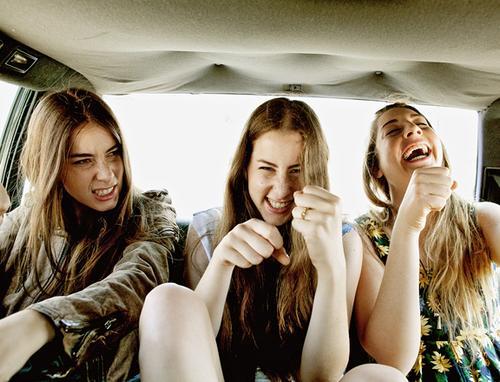
Haimlo forman 3 hermanas californianas recién graduadas del valle de San Fernando que cuentan con una soltura y naturalidad que muchos quisieran. Su madre siempre había querido ser la próxima Joni Mitchell y fue quien enseñó a sus hijas a tocar la guitarra acústica. Formó junto a su padre una banda junto a otra pareja pero terminaron discutiendo y decidieron salir a tocar en familia. Así Danielle, Alana y Este Haim, pasaron tocando 2 años por hospitales, actos benéficos y ferias localesen una banda al más puro estilo Kitty, Daisy & Lewis, tocando sobre todo versiones de los Stones, Fleetwood Mac, James Brown o Lucinda Williams. Poco después prescindirían de sus padres para formar su propia banda e intercambiar instrumentos a lo Arcade Fire.
Danielle, la mayor de las hermanas -22 años- ha salido de gira con Jenny Lewis, ex vocalista de los geniales Rilo Kiley, y Julian Casablancas quien fue a verlas actuar y pidió personalmente a Danielle que le acompañara de gira. Algo que no gustaría a sus padres y que finalmente no acabaría de convencer a la propia Danielle, que después de 2 años tocando para otros acaba prefiriendo impulsar Haim y tocar con sus hermanas, con las que incluso llega a robar protagonismo al propio Casablancas siendo sus teloneras. Las 3 fueron a escuelas de arte donde empezaron a llamar su atención las artes escénicas o la opera. La música folk que escuchaban sus padres es una de sus influencias, pero crecieron en los 90, de ahí que mezclen el folk con RNB y melodías que recuerdan a Stevie Nicks o la malograda Aaliyah.
Parece mentira pero a día de hoy no han sido fichadas por ninguna compañía. De momento solamente existe el lanzamiento digital de un mini EP llamado Forever, que regalan en su página web, aunque con esto seguramente sea más que suficiente para fichar por una discográfica que les publique un álbum completo. El EPabre con las voces de las 3 hermanas cantando a capella en el tema más RNB de los 3, Better Off, con un beat más propio del hiphop, y unas voces negras que destilan soul. También aparece Go Slow, una balada con un ritmo suave pero inconfundible que nos lleva automáticamente al Don’t Come Around Here No More de los Heartbreakers de Tom Petty. Aunque el single más notable es el que da título al EP, Forever, uno de los temas del año, ochentero, con un bajo muy marcado y energía contenida, una apuesta que es difícil que no les lleve a lo más alto. Aunque oficialmente ésto es lo único disponible, se puede encontrar facilmente los temas Throwing It All Away, Figure It Out o I Came To Stay, con muchas papeletas de aparecer en un futuro debut, amén de decenas de vídeos en YouTube, con muchas más guitarras y ruidismo de lo que ofrecen en su EP.
En los últimos meses han abierto también para Edward Sharpe & Magnetic Zeros, No Age o The Bird and the Bee. Y hace tan solo 2 semanas el mismo Ryan Adams sorprendía a las propias hermanas apareciendo desde detrás del escenario para acompañarlas en un cover de Fleetwood Mac.
Estamos ante un grupo que pese a su juventud es un diamante en bruto. Haimestán llamadas irremediablemente a ser grandes. Quizás lo único que les falte sea que empiece a funcionar el bocaroeja arrollador de la red y el apoyo de una buena compañía que apueste por ellas. Además de una portada de NME, que nunca viene mal.

































 R O C K A S T / /
«New bands shouldn’t listen to old bands» OCEAN COLOUR SCENE Interview.
We’ve had the opportunity to interview some very fascinating people here in Rockast, and probably the best part of interviewing somebody whose entire life is made of music, is to look at their eyes and realize they’re really up for the moment and won’t dodge any question. It’s just a little way of having contact with the fans and try to explain themselves from another point of view. Without the help of their music.
And some of those artists have always something to say and must always be heard. Especially the most experienced ones.
It’s an honour for us having Simon Fowler and Steve Cradock from Ocean Colour Scene here today. They’ve just released their 10th album called ‘Painting’ ([PIAS] 2013), and right in the middle of their Spanish tour, they let us get on their massive tour bus to have a chat about Brit Pop, drugs, record stores, Oasis, Paul Weller, Peace, bands that make shitty music, and even their next record! Definitely not to be missed.
How is the tour going so far?
SIMON FOWLER: It’s going pretty well, thanks. We’ve played 3 gigs so far in Spain. Zaragoza, Santiago and San Sebastián. Very good gigs.
I’ve seen you’ve also played outdoors this morning
STEVE CRADOCK: Yeah at the station, it was just 5 minutes walking from here. That was a bit strange, out of our routine
Painting is your 10th album, it’s been very well received, how do you feel about it? Were you looking forward to make it after your solo albums?
SF: Ahm, I think we really wanted to do it. We wanted to make a new album because we wanted to have new songs to play. And to play live. We spent the year before doing most of the shows up. And we needed something new. I found out that once an album it’s released, you kind of forget about it. We’ve been listening to some things Steve has been working on for the next record, we’ve been listening that the other night.
But you’ve released Paintings less than 2 months ago.
SC: You just don’t sit around and listen to albums really.
SF: I’ve never sat around listened to our own albums once they’ve been made.
SC: I think the reason might be that it’s quite intense when you’re recording it, isn’t it? You hear it so much when you’re recording that…
SF: Is the last thing you want to listen!
SF: You can listen to ZZ Top or Billie Piper’s new cd instead! (Laughs)
Which is the album your most proud of?
SC: I love the B-sides, Seasides and Freerides.
SF: Yeah that’s my favourite album too.
Back on the 90’s, the press was talking about Brit Pop, but now seems like everything is about TV shows and non-sense pop acts. So I guess, after all the Brit Pop scene wasn’t that bad, was it?
SF: It was good fun! Good fun all the time! Wasn’t it? Everyone was young, and everyone was taking lots of drugs. Everyone thought they were in the Beatles or Stones or the Who or the Kings! (laughs). It was a bit like being at school. But I’m not sure that we were Brit pop, I guess to you we are…
SC: Are we?
SF: I guess we were, but we didn’t feel.
But you’re always tagged as Brit pop, maybe just because you were there at that time.
SF: Yeah it was just because we were there. But we were taking us as far too seriously so that we were never a pop band. And I don’t think we were a pop band really.
SC: I think all that happen in London as well, and we lived in Birmingham. There’s 120 miles distance. And all bands lived in London really.
SF: As soon as Oasis made any money what did they do? They fucked off from Manchester and went to London.
SC: I think that everybody was going out and circulating in the same places that we never were really.
But you played with Paul Weller and Oasis back then, did that suppose a decisive boost for Ocean Colour Scene or is not that important?
SF: It’s probably not as important as people imagine, in terms of how we actually became popular. The two are different. Paul was our guardian I guess, our sponsor, a big brother. Steve started playing with him, and because of that we started going out on those early tours doing the support, going in coaches like this, into hotels and cities across Europe… It seemed that it was real, rather than just a hobby.
And Oasis… (thinks for few seconds), well playing with Oasis probably did nothing for us. It put a name in the cool crowd. But in terms of making us popular it didn’t. When we supported them on the first tour, when they were very popular, quite frankly no-one in the crowd wanted to see us. What really happened is that DJ Chris Evans played our song and made our album reached number 2 and stayed 6 months there. I think if it hadn’t been for Chris, it could have only been number 38 for 2 weeks, or something like that. That was the difference, the difference was radio.
You’ve been together more than 20 years, in these years many bands have come and gone, is there like a secret formula to be in the front line all this time?
SC: I think it’s because we stay friends.
SF: And I think the other thing is that, in reality, having that success in 1996, meant that it was something we could carry on doing and something that we could say that’s how we’re going to live adult lives, you know? And make a living. If it hadn’t happen in ’96, I don’t know what would have happen in reality. I’d like to think that we wouldn’t have split up but… I don’t know what would have happen really. So I guess it’s the fact that we are friends, and also became a real band, a real touring band, very professional.
SC: And also none of us got into heroin. I think that’s probably important.
If you had to start all over again, would you change something?
SF: I would change his jacket! (Pointing Steve’s jacket and laughing hard) Well I would have worked harder. I would have written more songs, I think.
But you used to write 3 songs in an afternoon right?
SF: Yeah that’s right. I used to write so that we had something to do. Me and Steve in particular, when we got into the recording studio near to where we lived. If I hadn’t written a couple of songs that night we wouldn’t have nothing to do the following day. And we should carry on writing more I think. But apart from that, no, because even the things that went wrong were funny. (Laughs) Most of the times we got into horrible trouble, that was funny as well. And still is.
The way to make music has changed a lot since you started, but do you reckon it’s actually easier for musicians this way than it was before?
SC: Yeah definitely. It’s much easier. When we started we recorded in 2’’ tapes, like the way they recorded in the 40’s, 50’s or 60’s. And the last 10 or 15 years, it’s totally changed. I don’t think they make tapes anymore.
SF: Yeah they probably don’t, do they?
SC: It’s all made on the digital age. Even Neil Young records, he records on tapes still, but he left digital computer software running alongside it.
SF: Well I’m useless with technology, I can’t use computers, I never use them, but Steve has learnt to record using a machine like this big, instead of the size of this bus, like they used to be. I think that we could make an album in this room. Which in a way I think… Is it sad?
SC: I think it’s a great idea.
SF: It’s actually funny, it’s like the punk ethos, has come around and no one knew how would fulfill it. There’s a democratization of music, anyone can really start making records, and they don’t need a hundred thousand pounds from a major record label, who are going to tell them how to make it.
Do you think listeners are getting lazy or superficial when listening music with the new options they have now? Seems like no one buys albums anymore.
SF: That’s a bit of a concern, when you’re in band, selling records. I don’t know to be honest, because I’m not of the generation. There’s so much information, within seconds you can listen any record, from any artist, from any era, and whatever type of music it is, that’s got to be good. But if you go to record shops, second hand record shops, you pay a fortune for records, £30 for a record I remember I sold for about a fiver when I was on the door with no money and no drugs. That’s crazy. Some of them are £12, some of them are £27, some of them are 30 quid, they don’t seem to have a…
SC: I think it’s the thickness of the vinyl, it makes the heaviest vinyl they normally are £20 in England I think.
Now that we can consider you music veteran, what would be your advice to the bands trying to make themselves a name out there?
SF: Don’t listen to old bands. Get a lawyer. I’d say. Get somebody who you can trust. I’m sure that a lot of bands have problems here and there with money, but I don’t know really.
SC: Get a lawyer and avoid heroin, I would say.
Birmingham’s got a huge musical background. Do you have any recommendations on new bands that you’re currently listening to?
SC: The Boatyman, but they’re not on the internet. Well, there’s just a song recorded at the Irish Centre. Oh and Peace. Do you know Peace?
Yes indeed, they got lot of press. I think they sound a little bit like The Stone Roses in some songs. (I’m thinking in Waste Of Saint, for instance)
SC: I don’t think they do, I think they sound more Brit Pop, poppy vocals…
If you had the chance to play your music anywhere or anytime in history, which place would it be?
SF: Monterrey festival, I think that’s the best festival I remember. But what about tonight in Madrid?
SC: King’s Road 67, when all went colourful.
What’s happening in music when a quality band like OCS doesn’t get to play Arenas more often?
SF: Well to play arenas, I think it’s just U2, Coldplay and probably Oasis, but they’re kind of all very bland don’t they? I don’t think they’re very intimate.
SC: Maybe you just have to play shit like that to get that big.
Are you happy?
SC: Yeah!
SF: Yeah I’m pretty happy, tonight yeah!
SC: He’s never happy. He’s always moody. He’s a miserable old man.
SF: No I’m not!! (laughing)
Paintings has been released by [PIAS] in 2013.
Comparte esto:
Deja un comentario
Publicado en Blues, british rock, folk, indie, rock
Etiquetado ocean colour scene 2013, ocean colour scene comments, ocean colour scene interview 2013, ocean colour scene new album 2013, ocean colour scene paintings, ocean colour scene paul weller, ocean colour scene vs oasis