Archivo de la categoría: rock

Entrevista con Craig Finn y Patterson Hood

Hoy es un día atípico. Los líderes de The Hold Steady y Drive-By Truckers, están en la ciudad para presentarnos sus respectivos trabajos en solitario. Dos de las personalidades más destacadas de la musica Norteamericana más auténtica dejan a un lado sus bandas habituales para lanzar Clear Heart Full Eyes y Heat Lightning Rumbles On The Distance.

Patterson Hood no necesita presentación. A pesar de la altura del listón que impone automaticamente su padre, el respetado bajista y productor David Hood, Patterson ha conseguido el reconocimiento con el rock sureño de Drive-By Truckers, probablemente una de las mejores bandas de alt-country de la tierra.

Y Finn tampoco. Si Bruce hubiera establecido ya su propia Escuela de Rock, seguramente Craig Finn sería el alumno más aventajado de su promoción. La genialidad de The Hold Steady ha conseguido sacudir América con genuino Rock de bar a pie de calle. Un rock informal que osa colarse tanto en las casas más comunes como en el salón de Mick Jagger. Autores de uno de los mejores discos de 2006, Boys And Boys In America, The Hold Steady toman un respiro antes de grabar su 6º álbum de estudio. Es aquí cuando su cantante y compositor Craig Finn aprovecha para lanzar su primer álbum en solitario, Clear Heart Full Eyes, que viene a presentar a España con una gira cuanto menos original: Acompañado de sus amigos Patterson Hood, y Will Johnson, de los también americanos Centro-Matic y que también viene a presentar su álbum en solitario, llamado Scorpion.

Craig y Patterson se hicieron amigos a principios de década. El primero dejó su banda local de Boston, Lifter Puller, que solo conseguía ser reconocida en el estado de Massachussets, para mudarse a NY. Es allí donde apagaría la música durante un par de años, justo el tiempo que tarda el destino en llevarle al mítico Bowery Ballroom para ver el concierto que esa noche ofrecían unos superlativos Drive-By Truckers. Se pueden imaginar que eso fue el detonante que le llevaría formar The Hold Steady 10 años atrás, con los que ha editado ya 5 discos y dado varias vueltas al mundo con sus giras.

Es considerado el Kerouac del rock americano y uno de sus mejores song-writers, aunque en ocasiones es injustamente infravalorado. Dos talentos innegables con sendos álbumes más que interesantes. ROCKAST tiene el placer de sentarse con ellos para hablar de música:

Pregunta obligada: ¿Quién tuvo la idea del Tour conjunto?

CRAIG FINN: Fue en Febrero, yo estaba en pleno Tour de mi disco en solitario y comiendo un día con Patterson empezamos a hablar de hacer algo juntos. Pensamos inmediatamente en Will porque canta en mi disco, canta en el disco de Patterson, y también sacaba disco en solitario al mismo tiempo que nosotros así que nos dijimos, vamos a intentarlo!, y es una de esas cosas de las que hablas muchas veces pero aquí estamos, realmente sucedió.

PATTERSON HOOD: Will y Craig son dos de mis cantantes, compositores, músicos, e intérpretes favoritos del mundo, además de dos de mis mejores amigos.

Craig, Clear Heart Full Eyes es tu primer álbum en solitario. Cuéntanos cómo fue la grabación, ¿Qué diferencias encontraste entre grabar solo y hacerlo con los Hold Steady?

CF: Lo que me resultó interesante de grabar solo, fue el hecho de que no conocía a ninguno de los chicos que tocan en el álbum hasta que empezamos a grabarlo. Aparecí, estreché la mano de todo el mundo y empezamos. Me resultaba genial el poder comunicarme con la gente a través de la música de aquella manera, sin conocernos de antes. Eso es muy emocionante y creo que esa es la gran diferencia con The Hold Steady. Nos hemos conocido desde siempre y existe una gran química, pero esto va más por libre.

Patterson, ¿Cómo te sientes con el nuevo álbum? De ¿Es Heat Lightning Rumbles On The Distance el álbum del cual estás más orgulloso?

PH: Estoy bastante orgulloso de todos mis álbumes, pero Heat Lightning es especial para mí. Creo que definitivamente está entre lo mejor que he hecho nunca.
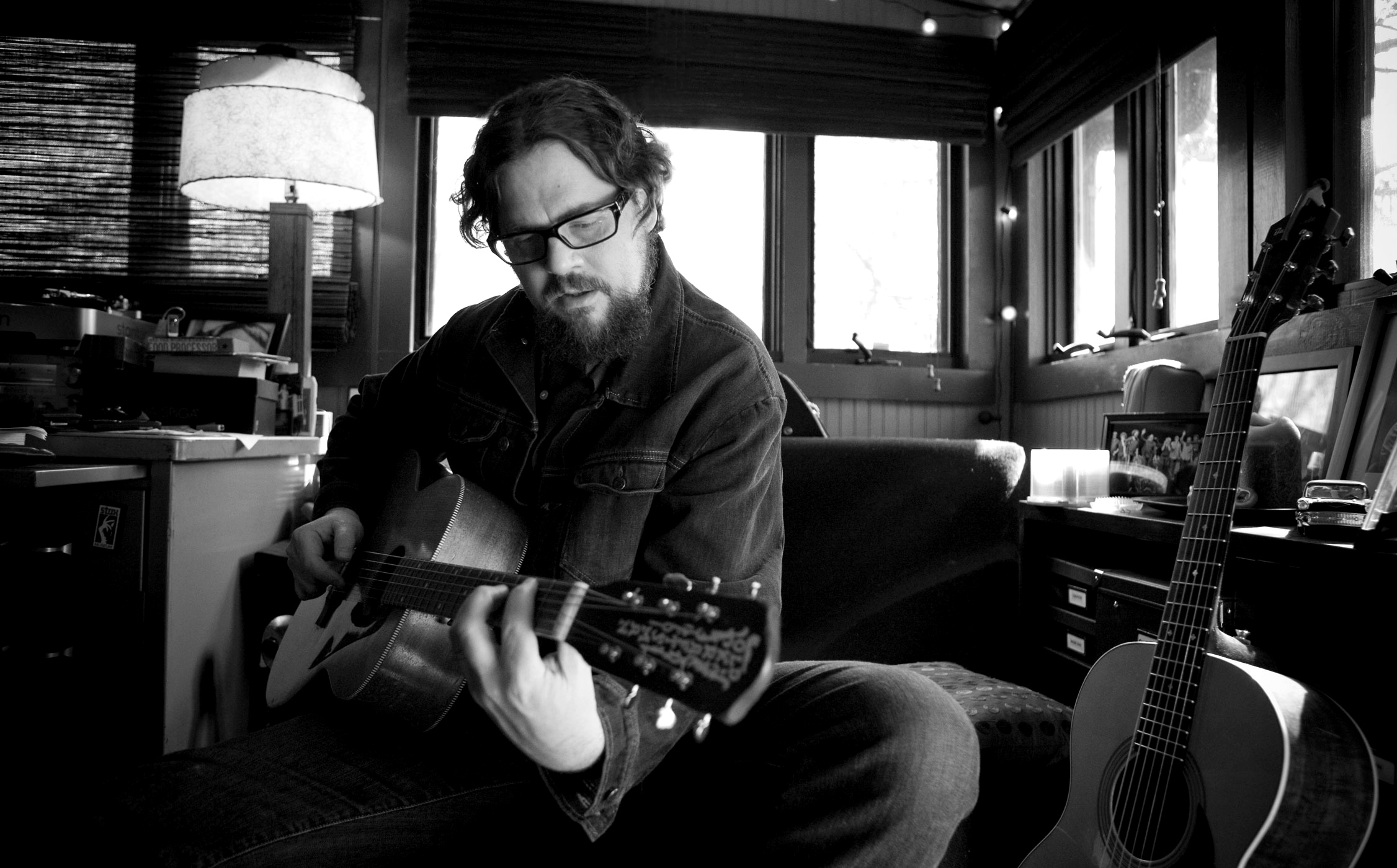
Hood: «Estoy muy orgulloso de nuestro legado en la música»

Estuviste abriendo para Alabama Shakes recientemente en Alemania. ¿Cómo surgió esa colaboración?

PH: Yo era un fan primerizo de Alabama Shakes y fueron lo suficientemente amables como para invitarme a tocar con ellos en Alemania. Son una de las mejores bandas del mundo ahora mismo

¿Es fácil clasificar las canciones? ¿Cómo sabéis si un tema que acabáis de escribir es para vuestros proyectos o si encajan mejor en el sonido de Hold Steady/Drive-By Truckers?

CF: Es un poco diferente porque para The Hold Steady solo escribo la letra principalmente. Así que escribir un tema por completo supone que probablemente vaya a ser para el disco en solitario. Mi álbum es mas bien sonido Americana, más abierto, y quizás más sencillo. Y con The Hold Steady es como algo más basto.

PH: Muchas veces está basado en un instinto visceral, en lo que escucho en mi cabeza. Siempre intento seguir esos instintos. Éste álbum era tan íntimo y personal que tenía sentido por sí solo que fuera un álbum en solitario. Todos mis compañeros de Drive-By Truckers tocan en el disco, aunque no todos al mismo tiempo.

Hood: «Alabama Shakes es una de las mejores bandas del mundo»

Patterson dijo, que siempre que termina un tema, le gusta tener la aprobación de su familia. Craig, ¿A ti también te gusta tener un veredicto?

CF: (risas) No, no creo que a mi novia le gustase; no haría eso por mí. Normalmente lo toco para algunas pocas personas pero básicamente lo que intento hacer es escribir muchas canciones y luego ayudarme del productor.

Craig, es cierto que tu siempre has dado mucha importancia a las letras de tus canciones, pero explícanos ¿cómo te das cuenta de que lo que has escrito es lo suficientemente bueno? Recuerdo a Ryan Adams desechando todo su último álbum al escuchar a Laura Mailing.

CF: Bueno, Ryan definitivamente escribe muchas canciones… (risas) Sabes, hay un momento, en que sigo trabajando, y re-escribo muchas cosas y a veces cojo una canción, miro lo que tengo y sencillamente lo copio, y puedo cambiar una o dos palabras y copiar el tema de nuevo, y al final hay como… hay un momento en el que dices aquí está!, y sencillamente es como si lo supieras en tu interior. Pero a veces, cuando está preparado para grabarse, justo antes de que la grabación esté hecha, es cuando te das cuenta de que siempre puedes jugar con el tema, de que siempre puedes cambiarlo.

Drive-By Truckers y The Hold Steady estarán con toda seguridad en los libros de historia del Rock, pero ¿Creéis que estabais en el lugar idóneo en el momento adecuado? ¿O hubierais encajado mejor en una época diferente?

CF: Bueno, seguramente cuando nació la música Rock hubiéramos encajado mejor (risas). Creo que realmente somos una banda de álbumes, tocamos Rock and Roll rotundo, lo que significa, ya sabes, que hoy en día es un poco menos popular de lo que solía ser. Creo que lo podríamos haber hecho un poco mejor, pero estoy bastante feliz con lo que tenemos.

PH: Creo que no hay manera de saberlo. La gente ha menudo comenta que si hubiéramos estado en los 70 estaríamos vendiendo millones de discos y agotando arenas. Pero yo no entiendo de esas cosas.

¿Cuáles han sido los mejores y peores momentos de vuestra carrera hasta ahora?

CF: Los peores son cualquiera en que tienes un mal concierto, que aparece alguno cada pocos meses. O en ocasiones cuando estás en pleno Tour y un miembro de la familia cae enfermo. Es duro, sabes, estar fuera; Y de los mejores momentos, yo diría que uno de los más destacados para mí fue el día que toqué Rosalita con Bruce Springsteen en el Carnegie Hall. Fue algo mágico. Tocar con uno de tus héroes es algo grande. Pero también lo es tocar con The Hold Steady abriendo para los Rolling Stones en Dublín. El hecho de hacer un montón de cosas que jamás pensarías que serías capas de hacer es algo impresionante.

PH: Bueno esta carrera ha durado bastante, ha tenido sus momentos buenos y malos.

Finn: “Internet está quitando la magia a la música

Patterson, ¿Cuáles son los mejores y los peores conciertos que recuerdas?

PH: Con Drive-By Truckers hemos hecho cerca de 2000 conciertos en 3 continentes. Siento que la mayoría de ellos han sido bastante buenos, y algunos incluso mejor que eso. Estoy muy orgulloso de nuestro legado musical. Tanto en directo como en estudio.

¿Por qué os hicisteis músicos?

PH: Creo que es una llamada. He estado escribiendo canciones tanto tiempo que alguien tenía que tocar esos temas, así que aprendí como hacerlo. Ha sido un viaje increíble.

CF: Soy músico porque amo el Rock and Roll, y realmente quería estar involucrado en ello.

¿Recordáis la primera vez que cogisteis una guitarra?

CF: Sí, era una guitarra de juguete. Yo tenía 3 años y siempre quise tocar la guitarra. Conseguí una de verdad cuando tenía 10. Siempre me ha gustado la música, bailar… y quería estar en un escenario. Estaba siempre comprando discos, siempre yendo a conciertos… Era un obseso del RnR así que tenía que pasar.

PH: Empecé a escribir canciones en 1973 cuando estaba en 3er grado. Luego empecé a tocar, primero el bajo en 8º para cambiarme a guitarra al año siguiente.

Patterson, ¿con que banda o artista te gustaría tocar?

PH: Sería genial tocar con Neil Young & Crazy Horse, pero de todas maneras estoy bastante contento de lo que hacemos y con quién tocamos en los carteles. Tocar con Will, Craig y Alabama Shakes éste mes ha sido algo estelar.

Finn: «Hay demasiada música. La gente ya no sabe por qué estar emocionado»

Noto una falta de ilusión en los consumidores habituales de música. Como si no se emocionaran por la música como solían hacerlo años antes. ¿Qué pensáis de la situación actual de la música?

PH: La industria está bastante jodida hoy en día y la economía tampoco está ayudando nada. Pero aún se está haciendo muy buena música, solo que tienes que buscarla mas detenidamente.

CF: Bueno creo que la gente ahora tiene acceso ilimitado a las canciones, mira Spotify o lo que sea. Distrae a la gente. Hay demasiado. No saben porqué estar emocionados. Hay cosas que no son especiales y sin embargo las hacen especiales. Pero aún creo que ir a un concierto es algo único y una cosa increíble, juntar en un sitio a gente que ama el RnR, es algo sensacional, y pienso que todavía hay mucha emoción ahí fuera.

Craig, durante No Future, mencionas a grandes personalidades de la historia de la música como Freddie Mercury o Joe Strummer. ¿Se nos están agotando las leyendas o es estamos muy ocupados para valorarlas?

CF: Bueno creo que ahora no son tan grandes como antes por esa razón. Internet le está quitando algo de magia a la música. No solíamos ser capaces de averiguarlo todo sobre alguien, ¿verdad? Así que en cierto modo se han hecho más humanos para nosotros. Mira Led Zeppelín. Nunca concedieron entrevistas; todo lo que tenías eran las portadas de sus discos. Por eso hay magia. La gente realmente quería conocer más.

¿Creeis que Internet y las redes sociales hoy en día hacen que sea más difícil encontrar música interesante? ¿O ayuda?

PH: Ambas. Hay mucha música ahí fuera. Pero resulta más difícil encontrar lo bueno y filtrar la mierda

CF: Bueno lo hace más fácil, pero quizás demasiado fácil. Derriba las barreras. Parte de ser un fan de la música era sencillamente ir a una tienda especializada de discos. Ha cambiado. Desconozco si a mejor o a peor, pero lo que es seguro es que ha cambiado.

Si tuvierais la oportunidad de tocar vuestra música en cualquier momento y cualquier lugar que quisierais de la Historia, ¿Lo haríais? ¿Cuál sería?

PH: Ahora mismo tengo que conformarme con lo que tengo y esperar hacerlo bien en el futuro.

CF: Creo que la música de finales de los 70 es mi favorita. Tenías a los Clash, que es quizás mi banda favorita. Finales de los 70 y principios de los 80, con los Replacements, incluso Springsteen estaba haciendo Darkness In The Age Of Town. Estaba surgiendo mucha música interesante, incluso el hip-hop empezaba a emerger. Creo que aquella era una época musical realmente grande.

Craig, se que además del disco en solitario, éste año has lanzado también tu propia marca de cerveza. ¿Algún proyecto en mente para el próximo año?

CF: (risas) El año que viene haremos un nuevo álbum con The Hold Steady, es el gran objetivo ahora mismo. Cuando volvamos a casa empezaremos a trabajar en él, y esperemos poder lanzarlo en 2013.

PH: Espero empezar a hacer el nuevo disco de Drive-By Truckers, en algún momento del año que viene, aunque ahora está todo en el aire. Mi plan es continuar con el tour de Heat Lightning Rumbles in the Distance también en 2013.

Última pregunta. ¿Sois felices?

PH: La mayor parte del tiempo, sí.

CF: ¡Claro que soy feliz! Estoy muy feliz de estar aquí, y de poder hacer los shows con Patterson. Ha sido un año fantástico. Amo al Rock and Roll y me encanta estar aquí tocando música.

Craig Finn Clear Heart Full Eyes (2012) [PIAS]
Patterson HoodHeat Lightning Rumbles In The Distance (2012) [PIAS]

David Bernardo
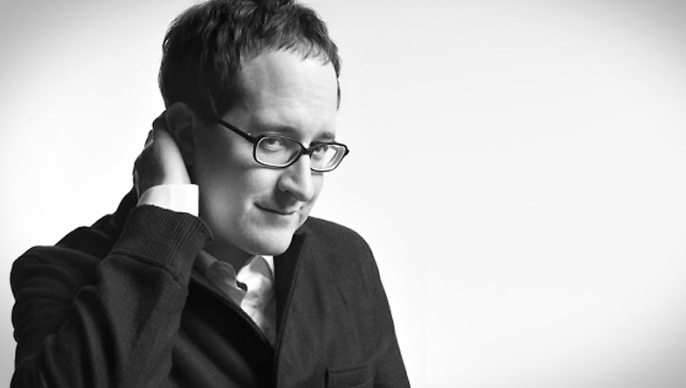
Craig Finn and Patterson Hood interview.

Definitely not a typical day for us. The Hold Steady and Drive-By Truckers leaders are in town to introduce their respective new solo albums. Two of the greatest personalities of the American music put aside their bands to release Clear Heart Full Eyes (Finn’s first solo album) and Heat Lightning Rumbles On The Distance (Patterson’s third).

Patterson Hood needs no introduction. Despite the high standard set by his father, the respected bassist and producer David Hood, Patterson has made himself a name with the southern rock of Drive-By Truckers, probably one of the best alt-country bands on earth.

And Craig Finn, well, if Bruce Springsteen had ever established his own School of Rock, Craig Finn would surely be the top student of his generation. The genius of The Hold Steady has managed to shake America with genuine Bar rock, which can be easily enjoyed by the average family or in Mick Jagger’s lounge at the same time.

The Hold Steady, which released one of the best albums back in 2006 with Boys And Girls In America, have now taken a short break before recording their 6th studio album. In the meantime, Finn has released his first solo album.  Now the storyteller is presenting it in a very original tour, together with his close friends Patterson Hood, and Will Johnson from Centro-Matic, who also presents his solo album, called Scorpion.

Craig and Patterson became friends in the early 00’s. Craig left his Boston local band, Lifter Puller, who only managed to get recognized in Massachusetts, to move to NY, where he temporarily silenced the music. But it only lasted 2 years, just until he saw Drive-By Truckers for the 1st time at the legendary Bowery Ballroom. That moment led him to form The Hold Steady 10 years ago, with whom he has released five albums and has traveled through the whole world several times.

Finn is considered the Kerouac of the American Rock and also one of their best song-writers, although sometimes unfairly underrated.
Two undeniable talents with brilliant new albums. We’re pretty glad we sit to talk about music:

First of all, who got the idea of touring together?  

CRAIG FINN : In February I was on the Tour from my solo record, and I had lunch with Patterson and we started talking about doing something, and then we immediately thought of Will because he’s singing on my record and he sings on Patterson’s record, and he is a good friend and also had a solo record coming out at the same time so… We said let’s try to make this happen and is one of those things you talk about a lot of times but here we are, it actually happened.

PATTERSON HOOD: Will and Craig are two of my favorite songwriters/performers/musicians/singers in the world as well as two of my best friends.

Craig, Clear Heart Full Eyes is your 1st solo album, how was the recording? What’s the difference between playing with The Hold Steady and doing a solo album? Is it an experience every musician should try?

CF: Well what was interesting about the solo record is that, I haven’t met any of the guys who are playing on it until we started recording it, so I just came out and shook everyone’s hand and we started. So it was really cool for me, to be able to communicate with people through music that way, without knowing them before you know? That was really exciting, and I think that’s the big difference with The Hold Steady, we’ve been known each other forever and we have a great chemistry, but this was a little more loose.

Patterson, how do you feel with the new album? Is Heat Lightning Rumbles On The Distance the album your most proud of?

PH: I’m pretty much proud of all of our albums, but Heat Lightning is an extra special one to me. I think it’s definitely among the best of what I’ve ever done.

Hood: «I’m very proud of our legacy of music»

You’ve been opening for Alabama Shakes lately on Germany, how did that come up?

PH: I was a very early fan and supporter of Alabama Shakes and they were nice enough to invite me to play with them in Germany. They are one of the best bands in the world right now.

Is it easy to classify the songs? I mean how do you know if a song is made for the solo project or if it suit better into the Hold Steady/Drive-By Truckers sound?

CF: It’s a little different because for The Hold Steady I mainly only write the words. So like by writing a full song it’s almost like it’s going to be a solo song, for the most part. The solo stuff is more Americana, more wide open, and maybe a little simpler. And The Hold Steady it’s more of a rough thing.

PH: So much of that is based on gut instinct and what I hear in my head. I tend to always follow those things. This album was so very intimate and personal that it just made sense for it to be a solo album. My band mates in DBT do all play on it, although not necessarily at the same time.

Hood: «Alabama Shakes are one of the best bands in the world»

Patterson said, that whenever he finishes a song, he likes the approval of his family. Craig, do you also like to have the verdict of your loved ones?

CF: No (laughs), I don’t think my girlfriend would want it; she won’t do that for me. I usually play it for few people, but basically what I try to do it’s, write a lot of songs and then I have the producer to help me out.

But you give a lot of importance to your lyrics, how do you realize if what you have written is actually good enough? I mean, I recall Ryan Adams throwing away his last whole album after listening Laura Marling

CF: Well Ryan writes a lot of songs, definitely… (laughs) You know there is this moment, I keep working, and I re-write a lot of things, and sometimes I take a song, all right, then see what I got and I actually just copy it, and I might change one or two words and then copy it again, and eventually is just sort of… there’s a moment where you are like, ok here it is, and you just kind of know inside. But oftentimes, just when it’s ready to record, before the recording it’s done, is when you realize you can play with that forever, you can change it forever.

Drive-By Truckers and The Hold Steady will be in the rock history books, but do you think you actually were at the right place in the right moment of Rock history? Or do you think you would be doing better in a different period? 

CF: Well… certainly when Rock music was born we would definitely do better (laughs). I think we are definitely an album band, we play straight Rock and Roll which is you now, a little less popular than it used to be. I think we maybe could have done a little better, but I’m pretty happy with all we’ve got.

PH: I guess I have no way of knowing such things. People often say that if we had been around in the 70’s we would have been selling millions of records and selling out arenas, but I don’t know about such things.

Finn: «Internet is taking some of the magic out of music»

Could you tell us your best and worst moments of your career so far?

PH: This career has lasted a good while with lots of ups and downs

CF: Well, the worst moments are whenever you have a bad show; they come up once every few months. Or sometimes when you’re on Tour and a member of your family gets sick; and it’s hard you know, to be away.

And the best moments, I’d say, one of the highlights for me is getting to sing with Bruce Springsteen, singing “Rosalita”… that was pretty magical. But you know meeting one of your heroes it’s a big deal but also opening for the Rolling Stones in Dublin with The Hold Steady was a big one. Doing a lot of things that you never thought you’d be able to do…  it’s just awesome.

Patterson, what about the best and worst concerts you remember?

PH: Drive-By Truckers has played nearly 2000 shows in three continents. I feel that most of them have been pretty good and many way better than that. I am very proud of our legacy of music, both live and on record.

Why did you guys become musicians?

CF:I just love Rock and Roll and I wanted to get involved with it.

PH: I guess it’s a calling. I’ve been writing songs so long and someone had to play all these songs, so I had to learn how to. It’s been an amazing journey.

Do you remember the first time you grab a guitar?

CF: Yeah it was a fake guitar when I was 3 years old, and I always wanted to play guitar and I got a guitar when I was 10, to play for real. I always loved dance and music and I wanted to be around on a show. I was always buying records, always going to shows… I was just obsessed with Rock and Roll so it just had to happened.

PH: I started writing songs in 1973 when I was in 3rd grade. I started playing, bass first in 8th grade, then switched to guitar the next year.

Patterson, which artist or band would like to play with?

PH: It’d be cool to play with Neil Young and Crazy Horse, but otherwise I’m pretty happy with what we do and who we get to play on bills with. Playing with Will, Craig and Alabama Shakes this month has been really stellar.

Finn: «I was obsessed with Rock and Roll»

I sense a lack of illusion in music listeners, is like if they don’t get as excited for the music as they used to get some years ago. What do you think of the current situation in the music industry?

CF: Well I think people now have unlimited access to songs, see Spotify or whatever. It made people distracted. There’s too much. They don’t know what to be excited about. There are things not special that it’ll make it more special. But I still believe that going to a concert is a very unique and amazing thing and getting people on a room who all love Rock and Roll that’s a pretty cool thing and I think there’s still a lot of excitement out there I believe.

PH: The industry is pretty fucked up these days and the economy isn’t helping it any, but there is still lots of great music being made, you just have to look a little harder for it.

Craig, during the song No Future, you mention Freddie Mercury and Joe Strummer, great personalities in music history. Are we running out of legends, or is it just that we are too busy to value them?

CF: Well I think they aren’t as big as they used to be for that reason. Internet is taking some of the magic out of it. We used to not be able to find out everything about someone, right?,  so in some ways they might become more humans to us. Like Led Zeppelin, they never did interviews; all you had was the record covers. Because of that there’s magic I think. The people really wanted to know more.

Do you think the internet and the social media nowadays makes it harder to actually find interesting music? Or does it help?

PH: Both. There is more out there, but it’s harder to find what’s great and filter the crap

CF: Well it makes it easier, but almost too easy. Removes the barriers. Part of becoming a music fan was just going to a special record store etc… It has changed, but I don’t know if it’s better or worst, but it definitely has changed.

If you could have the chance to play your music anytime and anywhere you wanted in History, what would it be?

CF: I think the late 70’s is my favorite music, you know, you had The Clash which is, maybe my favorite band. Late 70’s and early 80’s, with Replacements, even Springsteen was making Darkness In The Age Of Town. There was a lot of interesting music coming out, also hip hop was sort-of-kind-of gearing up… I think that that was a really great musical era.

PH: I’ll have to settle for right now and hopefully well into the future.

I know Craig has his own beer brand which is pretty cool actually, but do you guys have any projects on your mind for next year?

CF: Next year, make a Hold Steady new album, that’s the big thing right now, when we got home we’re gonna start working on it. And hopefully we’ll have it out on 2013.

PH; I hope we start making a  new Drive-By Truckers album sometime next year, but right now it’s all up in the air. I plan on continuing to tour behind Heat Lightning Rumbles in the Distance well into next year also.

Are you happy?

CF: Yeah I am happy, I am very happy to be here, to be able to do the shows with Patterson and it’s been a really great year. I love Rock and Roll, and I really love being here and play music.

PH: Most of the time.

Craig Finn – Clear Heart Full Eyes (2012) [PIAS]

Patterson Hood – Heat Lightning Rumbles In The Distance (2012) [PIAS]

Sergio Rodriguez

Young Guns interview.

Today we have the chance to talk with currently one of the most talked-about bands in the UK. A worthy band that have worked hard to get where they are. They have opened for Bon Jovi at his O2 Residency in London, appeared on the cover of Kerrang! magazine, and played in US, Europe, Asia or Australia, gaining thousands of fans all over the world. Young Guns are in the european leg of the tour right now presenting their acclaimed second album called Bones.

We met the band in a very british day in Madrid and they talked about music, Thailand, social networks or the new album. A very interesting conversation with Gustav, Fraser and Simon.

How is the tour going so far?

SIMON MITCHELL (bass): It’s really really good. We have just started with the European leg, like 4, 5 days ago? Nearly a week. It’s going well and these are the biggest live shows we’ve done, over the year so…

You supported Seether in the US. How was it?

SM: With Seether? Was great, was very different. It’s a different type of crowd, it’s more varied I guess, like, you got the young and you got a lot of older people too. It was a great experience and we’re doing really well.

FRASER TAYLOR (guitar): It was our first American tour and it’s being great.

You had a quick rise. Are you in the exact place you imagined you wanted to be when you started the band?

GUSTAV WORD (frontman): Well, I think it’s difficult because, I remember when we started the band, for me, my main goal was to like, shoot a music video, do a proper tour… and then we did those things and it was like all right man, wouldn’t it be awesome if we had a whole album? And then we did that, but the point I’m trying to make it’s that I think you go pursuing goals and think ok, I’ll be satisfied if we get to do that, but then success changes, and evolve with what you do. But I’m really happy with where we are, I think we’re having an amazing year, easily the best we remember have, as a band. For me, is just about being happy with where you are at that point of time. You know if we say ok I want to play Wembley in two years, if you set goals like that you’ll certainly disappoint yourself, so we’re just trying to enjoy where we are.

You played Shepherd’s Bush recently. Some bands consider it a turning point. Then immediately they want to make Earl’s Court, Wembley, etc…

FT: Well, I mean, obviously that would be very nice, but you now, you’re always like, I want to go further, I want to go to Japan, Australia… and we’ve been lucky enough to do that, now we’re just back here again. I don’t think we really set up ourselves goals in terms of how big we want to be. Do we?

SM: We’re still progressing, and it’s exciting when we go to new places but I think it’s important to kind of like, retain and make sure you don’t lose connection with the places that you do best in.

Bones has been recorded in Thailand, how come that far? How was the experience?

GW: Well we knew we wanted to record it somewhere new. Because we felt like we weren’t starting again as a band, but we were definitely trying to push ourselves to be a better band than we were at that point of time. We though it was quite important to do something new and put ourselves in an environment we hadn’t been until that point. Up until Bones, we had written every song we ever had in exactly the same room, and we recorded everything that we released, in the same studio with the same guy. So I think there was definitely a feeling with us that we wanted to do something new and try to push ourselves to be a better band. When the chance came up to go to Thailand, it was the best way, just to remove ourselves from everything we were familiar with, and go to the other side of the planet. And hopefully that would inspire us as it did.

How do you approach the songs? How is the writing process in YG?

FT: A lot of the time we try to sit in a room all of us and try to write something… but it takes a long time

GW: It’s being painful.

Do you like to improvise in the studio or you got some ideas before getting together to play?

FT: Yeah we do that, but we probably do that for a couple of ours and then just decide that we don’t like anything that we’ve just played so… We normally start of someone bringing a briefing or a melody or something like that, and then we all work on it together.

Probably you got this question asked many times, but what are your main influences?

GW: I always find this question very hard to answer. I think a couple of years ago we were all very heavily influenced. But now I actually don’t know. I mean, I’m happy about this but we don’t really listen to, or we don’t say I want a song that sounds like that, or that band. We just try to keep it organic and hope that whatever we’re doing the 5 of us it sounds as something we want to hear. We don’t ape to anyone else or sound like similar to somebody else. We listen to pop music, metal…

Is there something in particular that you don’t like? X-Factor for instance?

GW: Yeah I really dislike it, but I know some of the guys in the band enjoy it. You know, we all like different things and that’s probably the main thing that defines as a band, in terms of how we sound, it’s the fact that we all do like different things and bring different things to the table.

How do you get on with the critics?
FT: Critics? Well, we’ve been pretty lucky really, we found very few bad write-ups really.

SM: I think is because we’re not trying to be the next punk band or metal band. I guess it’s hard for critics to be kind of like oh they don’t sound like this or like that, you know what I mean? We just write music that we love and that we feel is honest to ourselves and that we enjoy the five of us.

GW: Definitely is like whenever you find a bad review it gets you, but I think we’ve been very lucky overall. I think it’s very subjective, when one person think it’s amazing and someone else is gonna think it’s shit. No matter what anyone says, if it’s negative about you, it will always be that person’s opinion. But you can have thousand nice comments and just one bad and you go straight to the bad one. But there’s a thousand on one side so… You just have to pay no attention.

What music do you do you listen?

GW: I’m listening to the new Muse record a lot. They played in Paris and we missed them for one day. They’re amazing. I’m also listening to the last Gaslight Anthem album.

FT: I’m listening to the Mumford & Sons record and the Ellie Goulding one.

SM: I’m also listening to the new Muse record, and the latest from Kanye West

So basically there’s democracy when choosing the music on the tour bus.

SM: Yeah but we always end up playing the Xbox so… (laughs)

Do you like to get involve in extra musical facts like promotion, marketing or video making?

GW: Well we’re very actively involved with everything, from art work, or designs, to photo shoots ideas or videos… We’re always involved in every single thing. Obviously there are things we don’t have any idea about, like the business side of things.

What percentage of passion do you think there is in your work?

GW: I like to think that our music sounds real and honest. And that’s something the people has always said to us. You know, we are a rock band but there’s a little bit of heart and soul, it’s not like disposable rock club music. We really do care about what we do and we think a lot about every small thing, and I like to believe that that comes across.

SM: We hear a lot of comments of people saying that a lot of people connect with the lyrics of the songs, which is very cool, isn’t it?

FT: I think in a lot of rock music, things like the emotion behind is often not paid enough attention too. You know a lot of time is just about the feeling of rock music, the energy… and that’s cool. I like it, but I like that people connect to our music on a different way. People get really wrapped up and care about it, which is amazing.

Do you think it’s harder now that it was before to make yourself a name in the music industry?

FT: I think it’s easier to get started, you can have a Myspace account, a Facebook account, and get some recorded for cheaper, quicker, and better than it was before. But at the same time, there are much more bands than ever has been.

GW: It’s definitely harder. It’s really difficult and sad it’s not just about music. But you just kind of, have to keep working harder and do what you do no matter how difficult it is.

FT: I think that’s what separate bands nowadays, the desire and the drive to keep going no matter how. And there’s not as much money as it used to be in the music industry than it used to be. And the music industry it’s in the middle of a massive change, as people can get for free what you were selling before.

Do you think the importance of the internet media and the social networks are more relevant than the typical hard work of the bands?

GW: I think it definitely helps. But it has to be both, unless you’re a phenomenal that blows the internet. But in most cases you have to put the hard work, and then use the social networks to kind of facilitate what you’re doing.

FT: There’s nothing that can substitute a good live band. You could find something amazing online, then you go the show and if they’re crap, you’re not going to follow that band. I do think that with the internet everybody have access to anything, and that’s something there wasn’t before.

What would you do if you were not musicians?

GW: Absolutely nothing. I guess I’d be working on whatever job just to have enough money to pay rent and some stuff. I’m very glad to have the band as it gives me the opportunity of focus on it and not to give a shit about something else.

Any ideas for a new record?

GW: Well, we have some little ideas, some seeds, or little recordings on the phones. But I’m really really exciting about doing a new record, something just in my gut tells me it’s going to be the best thing that we’ve done, and I’m really excited about that. I feel like that 2nd record was a real transition or phase for us in terms of how to be a better band. I think now it’s becoming better, really quickly and with every show I feel we’re getting more confident and we’re going somewhere really great. But somehow we got to find the time to tour and to record the new album.

Last question: Are you happy?

All: Yeah! Yeah definitely we do!

D.B.

Bones has been released by [PIAS] on 2012.

Entrevista con YOUNG GUNS.

Hoy traemos un grupo con méritos más que logrados. Han sido portada de revistas musicales como KERRANG!,  el mismo  Bon Jovi los eligió para abrir sus conciertos en el O2 londinense, han llevado su poderoso directo por EEUU, Europa, Asia o Australia, y tienen miles de fans repartidos por todo el mundo. Ese pequeño fenómeno llamado Young Guns tenía que llegar a España y así lo ha hecho.

ROCKAST comparte un día más británico que ibérico con la banda londinense en plena presentación de Bones, su esperado 2º álbum.  Después de la firma de discos oficial y oficiosa en la Vans Store de la madrileña calle Montera, la maravillosa gente de [PIAS] Spain nos brinda la oportunidad de hablar con el grupo para conocerlos de cerca:

¿Cómo está yendo el tour hasta ahora?

SIMON MITCHELL (bass): Está yendo muy bien, realmente bien. Llevamos aproximadamente 1 semana con la vuelta europea y son los mayores conciertos que hemos ofrecido nunca aquí.

Habéis estado teloneando a Seether en EEUU, ¿Cómo ha sido la experiencia?

SM: Fenomenal, una experiencia totalmente diferente, ya que era un público distinto, es mucho más variado, con gente de todas las edades. Es nuestro primer tour por América así que ha sido genial.

Habéis tenido un ascenso realmente rápido. ¿Estáis en el lugar donde queríais estar cuando formásteis la banda?

GISTAV WORD (frontman): Bueno, pienso que es difícil porque, por ejemplo, recuerdo que cuando empezamos la banda, para mí, mi objetivo principal era rodar un video clip y hacer un auténtico tour. Luego hicimos esas cosas y pensamos que sería increíble si grabáramos un álbum completo. Y lo hicimos. Pero a donde quiero llegar es que al final el objetivo no es preguntarte con qué vas a estar satisfecho, sino que el éxito cambia y evoluciona con lo que haces. Estamos muy muy felices en donde estamos, creo que estamos teniendo un año increíble, seguro que el mejor que hemos tenido como banda. Para mí lo importante es ser feliz en el preciso momento en que te encuentres. Si dijéramos que queremos tocar en Wembley en un par de años o nos planteáramos objetivos como ese, casi seguro que nos defraudaríamos a nosotros mismos.

Tocásteis en Shepherd’s Bush recientemente. Hay bandas que lo consideran un buen punto de inflexión, para luego pensar de inmediato en Earl’s Court, Wembley, etc, etc…

FRASER TAYLOR (guitar): Bueno eso obviamente estaría muy bien. Puedes pensar que quieres viajar lejos, ir a Japón, a Australia… y hemos tenido la suerte de ir y ahora estamos de vuelta pero no creo que nos marquemos objetivos en el sentido de cuan grandes queremos ser.

SM: Estamos todavía progresando y es emocionante ir a nuevos lugares, pero es igualmente importante no perder de vista los sitios donde lo estás haciendo bien.

Bones ha sido grabado en Tailandia. ¿Porqué tan lejos?

GW: Sabíamos que queríamos grabarlo en un lugar nuevo. Porque sentíamos que no estábamos comenzando de nuevo como banda pero sí queríamos presionarnos a nosotros mismos para intentar ser una banda mejor de lo que éramos entonces. Y creímos que era bastante importante hacer algo nuevo y estar en un entorno diferente al que solíamos estar. Hasta Bones, escribíamos cada canción que teníamos siempre en la misma habitación, y grabábamos todo lo que hemos lanzado en el mismo estudio con el mismo tío. Así que había un sentimiento en nosotros de hacer algo nuevo e intentar lanzarnos para mejorar como banda. Cuando se materializó la oportunidad de Tailandia, fue la mejor manera de dejar a un lado todo lo que nos resultaba familiar y marcharnos al otro lado del planeta.

¿Cómo desarrolláis los temas? ¿Cuál es el proceso para escribir?

FT: Normalmente, pasamos mucho tiempo sentados en una habitación todos juntos intentando escribir algo. Nos lleva mucho tiempo.

GW: Es doloroso.

¿Os gusta improvisar?

FT: Sí, solemos hacerlo por un par de horas y luego normalmente decidimos que no nos gusta nada de lo que hemos escrito (risas) Pero normalmente empezamos con algún boceto o idea que alguien ha traído y a partir de ahí lo trabajamos todos juntos.

Seguramente os han preguntado esto antes pero, ¿cuáles consideráis que pueden ser vuestras influencias?

GW: Nunca es fácil de responder esa pregunta. Hace un par de años podríamos decir que estábamos influenciados por bandas de heavy metal, algo que nos gustaba a todos. Pero ahora no se decirte realmente, me gusta que sea así, porque no nos encontramos con una situación en la que digamos quiero una canción que suene como esto o como aquella banda. Nos gusta que sea natural, que lo que estemos tocando los 5 sea lo que realmente queremos oír. No imitamos a nadie ni queremos sonar como ninguna otra banda. Pero nos gusta la música pop, el metal…

¿Hay algo que no os guste particularmente? ¿X-Factor?

GW: Sí, definitivamente X-Factor es algo que no me gusta. Pero a algunos de los chicos le gusta, así que yo creo que es uno de los principales factores que nos definen como banda, en el sentido de cómo sonamos, ya que cada uno tiene gustos diferentes y aportamos cosas diferentes.

¿Qué tal lleváis las críticas?

F.T.: ¿Críticas? Bueno hemos tenido bastante suerte porque realmente hemos tenido pocos reseñas malas.

S.M.: Pienso que se debe a que realmente se ve que no intentamos ser el next punk band o metal band o algo del estilo. Escribimos la música que nos gusta y que sentimos honesta. Debe ser duro para los críticos pensar que no sonamos como ésto o aquello. Hacemos la música que nos gusta a nosotros.

G.W. La verdad es que cuando ves una mala crítica te llega, pero hemos tenido bastante suerte en general. Es muy subjetivo, que una persona piense que es increíble y otra persona crea que es una mierda. Da igual lo mal que piense una persona que eres, esa es solo la opinión de esa persona en particular. Aunque es cierto que puedes ver 1000 comentarios positivos y uno negativo e ir directo al negativo, pero no hay que prestarle atención.

¿Qué música estáis escuchando?

G.W. Yo estoy escuchando el último álbum de Muse. Están de gira y no les pudimos ver por un día en París. También me gusta mucho el último álbum de Gaslight Anthem.

F.T.:  Mumford & Sons.

S.M.: A mí también me gustó el álbum the Muse y el último de Kanye West.

 ¿Hay democracia para escuchar música en bus del tour?

Al final siempre acabamos con la XBox y el FIFA así que realmente no hay mucha música en el bus. (risas)

¿Os gusta comprometeros con aspectos extra musicales como promoción, marketing o la realización de video-clips?

G.W. Bueno realmente estamos bastante involucrados en todo desde el diseño del material gráfico, a fotos o ideas de los videos. Al final siempre estamos involucrados pero obviamente no en cosas que no sabemos, como todo el tema del business.

¿ Qué porcentaje de pasión hay en vuestro trabajo?

G.W.: Me gusta pensar que nuestra música suena real y honesta, y eso es algo que la gente siempre nos ha comentado. Somos una banda de rock pero siempre hay un poco de alma y corazón,  no es música rock de discoteca, de usar y tirar. Pensamos detenidamente cada pequeña cosa que hacemos y quiero que eso quede claro.

S.M.: Hemos oído muchos comentarios de mucha gente que conecta con las letras de los temas, lo que está realmente bien y es algo creo que diferente.

F.T.: Creo que la música rock muchas veces se basa en el sentimiento del rock y la energía que desprende, y está bien, pero hay cosas a las que no se le presta la suficiente atención, como la emoción que hay detrás de esa música y a veces no se conecta de la misma manera.

¿Creéis que es mas difícil ahora que antes el hacerse un nombre en la industria musical?

F.T.: Creo que es más fácil empezar, hacerte con una cuenta de MySpace o Facebook y después conseguir grabar algo de manera más económica, rápida y mejor que anteriormente. Pero a la vez ahora hay más bandas de las que nunca ha habido.

G.W.: Es un mercado muy duro. Es realmente difícil, y es triste pero no solo en la música. Tienes que trabajar duro sin importar lo difícil que sea.

F.T.: Creo que lo que separa las bandas es el deseo de seguir creciendo a cualquier precio buscando la fama. Y no hay tanto dinero en la industria de la música como solía haber. Y la propia industria musical está en medio de un cambio masivo, donde lo que antes vendía lo puede conseguir ahora la gente de manera gratuita.

¿Consideráis que la importancia de las redes sociales hoy en día es mas relevante que el típico trabajo de una banda de ir de local en local tocando donde y como les dejen?

G.W. Creo que definitivamente ayuda bastante. Pero ambas, a no ser que seas un fenómeno que reviente la red. Tiene que haber un trabajo duro y después usar las redes sociales y los medios para facilitar el acceso a lo que estás haciendo.

F.T.:  No hay nada que pueda sustituir a una buena banda en directo. Puedes encontrar a una banda online que creas que son espectaculares pero si vas sus conciertos y son una mierda vas a dejar de seguir a esa banda. Pero creo que la inmediatez de Internet permite un acceso a tu trabajo que antes no existía.

 ¿Qué seríais si no fuerais músicos?

G.W.: Nada en absoluto. Supongo que estaría trabajando en cualquier trabajo que me permitiese pagar la renta. Estoy muy contento de tener a la banda y que me de la oportunidad de concentrarme en ello y no tener que preocuparme por nada más.

¿Tenéis algunas ideas para el nuevo álbum?

G.W.: Bueno, tenemos algunos bocetos, algunas grabaciones en los móviles pero solo ligeras ideas. Estoy muy motivado con el próximo álbum. Hay algo que me dice que va a ser lo mejor que hemos hecho. Creo que el segundo álbum ha sido de transición hacia una fase en la que somos una banda más preparada, con seguridad en nosotros mismos y es algo que vemos en cada concierto. Pero tenemos que encontrar tiempo para el tour y para grabar un nuevo disco.

Última pregunta: ¿Sois felices?

(Al unísono) Sí! Sí por supuesto! Claro que somos felices!

Bones está publicado por []PIAS] en Febrero de 2012.

DB

Lo que Glasgow a Brooklyn.

Glasgow siempre ha sido una ciudad con una de las mejores escenas musicales del mundo. Algunas se llevan la fama y la cantidad, y otras la calidad, aunque con altavoces de menor potencia. Glasgow no pierde nunca la compostura y siempre está dispuesta a ofrecer formaciones más que interesantes. En esta ocasión nos trae el garaje de un trío llamado Paws, que se apunta a una corriente que bebe de Dinosaur Jr y que hemos escuchado ya en bandas como Cloud Nothings, No Age, Yuck o Radical Dads, o más directamente en bandas del East Nashville como JEFF the Brotherhood o Pujol. O sin ir más lejos en los mismos canadienses Japandroids a quienes han taloneado en algunas fechas de su gira europea.

Cokefloat! es un debut brillante. Un álbum un tanto peculiar que ha sido grabado en un barco anclado en el Támesis, el Lightship 95. Ofrece guitarras viscerales y ritmos frenéticos donde no hay lugar para los complejos. Ya en el genial EP Misled Youth que publicaron este año mostraban su apuesta por el underground garage con riffs estimulantes y energía descontenida que se encargan de poner a punto con un frenético directo.

Han contado en la producción con el ex Test Icicles Rory Attwell que precisamente intenta plasmar en el estudio toda la energía del poderoso directo de la banda. Destacan temas como el single Sore Tummy o Jellyfish, aunque es uno de esos bonitos álbumes que se dejan querer y que seguramente alcance puestos altos entre los mejores debuts de 2012.

Están a punto de comenzar una mini gira por Reino Unido después de tocar por varias capitales europeas aunque su presencia en los festivales del próximo año es altamente probable.


Cokefloat!
estará a la venta el próximo 8 de Octubre de la mano de FatCat Records.

«Los fans españoles salvaron dEUS» Entrevista exclusiva con Tom Barman

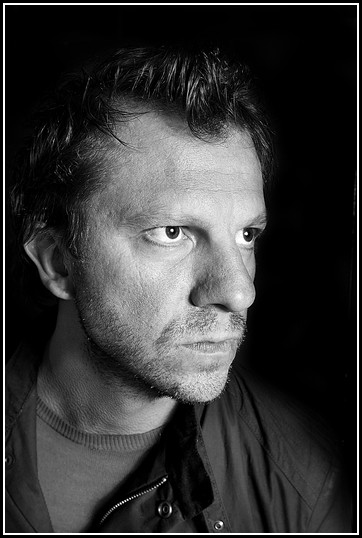
Tom Barman, el carismático líder de dEUS, es una de esas personas con las que solamente necesitas unos segundos para darte cuenta de que estás frente a alguien que sabe exactamente sobre lo que está hablando. Y esto no sucede muy a menudo. Es un placer para nosotros traeros hoy ésta conversación en la que el bueno de Tom dice las cosas claras y deja un buen puñado de titulares. Sin duda una de esas formaciones infravaloradas y marcadas con una gran X que siguen luchando para hacer lo que más les gusta mientras la media especializada se queda ensimismada mirando fijamente el sonajero.

Acaban de lanzar Following Sea, y están a punto de tomarse un merecido descanso después de la última parada del tour, que será éste Viernes dentro del DCode Festival madrileño. Si está leyendo ésta web y aún no ha oído hablar de ellos, no es su culpa, posiblemente sea porque no son británicos.

1. No ha pasado un año desde la publicación de Keep You Close. ¿Cómo surgió Following Sea? ¿Queríais intencionadamente grabarlo antes que otros álbumes por alguna razón?

Sí bueno, había un par de temas que eran muy light, o muy poppies para Keep It Close y que no queríamos publicarlas en un EP, así que decidimos escribir más temas. Era una locura porque estábamos dando muchos conciertos por entonces así que, básicamente grabábamos en el bus de la gira, luego en el estudio, y viceversa. Pero una vez que terminamos fue genial porque rompió nuestros hábitos y también porque queríamos que la gente conociera ya un par de esos temas para poder tocarlos en directo, en los festivales de verano, con gente pasándolo bien, etc…

2. Desde Worst Case Scenario hasta ahora, habéis tenido algunos cambios en la formación original, aunque estáis en contacto con antiguos miembros como hemos visto en álbumes recientes. ¿Cómo crees que ha evolucionado vuestro sonido desde entonces teniendo en cuenta esos cambios?

Si estuviéramos todavía juntos no sonaríamos en absoluto como al principio, sería ridículo. La gente cambia, las formaciones originales cambian, la vida cambia, los tiempos cambian… creo que llega un momento que hasta las letras cambiaron, se vuelven un poco más oscuras a medida que te haces mayor. Todavía tenemos buenas melodías y nos gusta la música pop. Pero ya no pienso más en la formación original.

3.  ¿Quién tuvo la idea para el video de Quatre Mains? ¿Con toda la tecnología que nos rodea, crees que el oyente medio se está acostumbrando a ver música más que a escucharla?

Lo cierto es que está mucho más presente en cualquier parte. El hecho de que vayas a una fiesta y puedas sencillamente ir a YouTube y poner cualquier canción en tu stereo es algo fenomenal. Preferiría que la gente viese mis videos en una jodida pantalla plana en vez de en sus pequeños portátiles, pero ya sabes, no lo puedes tener todo.  Fue idea mía todo el tema del video de Quatre Mains.

4.  “Philosophy go kill Facebook scam” es una frase que pertenece a Girls Keep Drinking, de Following Sea. Las redes sociales no parecen pasar de moda. ¿Qué piensas de ellas?

Bueno yo no uso ninguna de ellas. No es que esté en contra, es sólo que no las echo de menos. Veo a la gente a la que quiero ver. Y realmente tampoco necesito ir contando mi trabajo. Utilizo el email en mi portátil. Acabo de ver un documental sobre Facebook y odio todo el lado filosófico que hay alrededor. “Facebook está abriendo el mundo”. Y yo pensé, ok, es un punto interesante. Pero ¿lo puedes explicar por favor? ¿A qué se refiere con “abriendo el mundo”? Lo podría entender en un contexto comercial, y no hay nada de malo en ello. Pero si vas a tener toda ésta jodida filosofía promocional cambiando al ser humano, entonces es algo que me llega a irritar un poco. Obviamente Internet ha hecho grandes cosas, y es mucho más accesible para la gente de todo el mundo. Pero la idea general de estar detrás de tu ordenador hablando con gente con la que normalmente no hablarías, me resulta muy extraña. Pienso que crea la ilusión de que tienes contactos, y eso crea más nerviosismo y la angustia de no poder estar ahí y ahí y ahí al mismo tiempo. Está creando una generación muy nerviosa.

5. Lleváis tocando 20 años y eso es algo que no muchas bandas puedan decir. Si tuvieras que mirar atrás, ¿cambiarías algo?

(risas) No, obviamente no cambiaría nada. Todo es parte del camino. Debo admitir que soy muy feliz por no estar en una banda joven en éstos momentos. Debe ser muy duro para ellos. No puedes olvidar que cuando nosotros empezamos era probablemente el mejor puto momento para estar en una banda. Era justo después de todo lo de Nirvana… Suelo decir que los 90’s fueron nuestros 60’s! Cuando ibas a una discográfica realmente tenías la sensación de que estaban escuchando tu música. La gente era de tu edad, había mucha fiesta alrededor pero también mucho trabajo. Si tuviera 20 ahora mismo no se si estaría en una banda. Porque al mismo tiempo hay un montón de ellas, todo el mundo está trabajando desde casa, así que el coste de hacer un álbum ha descendido completamente. . Lo que en cierto sentido es bueno, pero crea toda una atmósfera de laptop bands. La gente ya no ha vuelto a usar baterías. Y lo que es más triste, todos los putos discos suenan igual. Ya no hay discos que suenen a banda. Incluso la peor puta mierda de banda con la peor puta canción suenan perfecto. Y es porque todo el mundo trabaja de la misma manera, con el mismo Pro Tools etc… Que está bien, pero se ha llevado por completo el misticismo, y el misterio de los buenos estudios, no necesariamente grandes estudios sino simplemente buenos estudios. Solamente tienes que escuchar la radio. Lo puedes incluso visualizar. Si escuchas la música ahora mismo, se oye tan alto como sea posible, pero si lo escuchas en casa suena como una mierda.

Pero por otra parte, estoy feliz de que hace 20 años todavía tuviéramos la generación de la vieja escuela, donde podías grabar en buenos estudios y la compañía estaba gestionada por gente que tenía tu misma edad y que estaban metidos en música y de hecho tenían el poder de hacer cosas. Ahora es muy duro para bandas jóvenes.

6.  Has tenido la oportunidad de estar en la escena musical de los 90 y en la última década, y podéis afirmar que tenéis vuestro propio sonido. Desde vuestro punto de vista, ¿Hacia donde va la música? ¿Notas una falta de originalidad en las bandas jóvenes hoy en día? ¿Es más difícil ahora encontrar bandas genuinas como en los 90’s?

Creo que la tecnología ha hecho algo muy interesante, ha creado una manera completamente diferente de escuchar la música. Los oídos del consumidor, los fans que consumen, han cambiado completamente en los últimos 10 años. La tecnología ha creado cosas muy excitantes. No me malinterpretes, primero comentaba las cosas que creo que no están bien, pero aquí hay muchas cosas buenas. La influencia de la tecnología ha creado una manera diferente de escuchar la música pop y creo que es genial. Hay muchos ejemplos, como encontrar los acordes de cualquier canción que quieras. Está lanzando la música hacia delante y eso es muy bueno.

7.  Si hubieras crecido por ejemplo, en Liverpool, Glasgow, Seattle o L.A., ¿sonaría vuestra música diferente?

Por supuesto que lo haría! Esa es una de las razones por las que nunca he considerado la opción de mudarme a una de esas grandes ciudades. Nuestra compañía estaba en una gran ciudad, así que nuestra música estaba siendo distribuida por una gran compañía en una gran ciudad, muy bien comunicada, de manera que podemos permanecer en Antwerp. Si vas a una gran ciudad acabarás sonando como todo el mundo, es así de simple. Muchas de mis bandas favoritas como The Knife por ejemplo, nunca han intentado mudarse a NY o algo por el estilo. Creo que estar en Antwerp nos hace estar más o menos sanos.

8. ¿Cuáles han sido los mejores y peores momentos de tu carrera hasta ahora?

Creo que el peor fue seguramente en 2004. Después de un gran descanso, después de Ideal Crash, hice una película, hice Magnus… y era un gran periodo. Pero cuando volvimos a dEUS, todo había cambiado. Fue bastante dramático. Hubo un concierto en París que creo que ha sido el más importante de nuestras vidas, porque el día anterior quise dejar el grupo. Quería parar. Nos fuimos a París y recuerdo que había un autobús completo de fans españoles. Nunca ha sido un gran sitio para nosotros en Europa, nos movíamos bien allí pero nunca tan bien como Italia o Portugal. No habíamos tocado durante 4 años y había un autobús entero que vino a vernos hasta París. Recuerdo a la gente volviéndose loca en Instant Street.. Ese fue el día que decidí que no iba a parar. Me dije a mí mismo: esto es demasiado bueno.

Así que diría que ese fue un año muy difícil, pero me alegro de que lo superáramos. Y la reacción a Following Sea es que nadie lo esperaba, así que siento que estamos haciendo lo que realmente queremos y la gente que quiera saltar en ese coche saltará y la que no no. Y ese es un sentimiento tan bueno para una banda… Ahora todo está bien.

9. Pero tenéis unos fans muy leales.

Sí por supuesto. Nos siguen y nos critican de vez en cuando… pero es bueno tener esa empatía con la gente que te pregunta a veces qué coño estás haciendo. Posiblemente sea lo más cerca que puedes llegar de sentir el verdadero éxito.

10.  dEUS es una de las bandas más importantes de Europa y habéis tocado en todos los sitios más de una vez. ¿Piensas que puede llegar a haber algo que podamos denominar Rock Europeo? ¿O seguiremos refiriéndonos a las corrientes por sus países de origen, como con la conocida escena musical Sueca por ejemplo? ¿Os sentís cómodos con esa etiqueta?

Rock Europeo no es un término muy sexy que digamos. Pero es difícil. Porque aquí or ejemplo, vas al norte y en 200 Km estás en un país diferente, vas al sur y sucede lo mismo. Cuando empezamos había 2 o 3 bandas en los festivales británicos que venían de Europa, y que eran The Cardigans, Mano Negra, Urban Dance Squad y nosotros. Ahora vas a un festival y hay bandas de Suiza, Suecia, Portugal, Francia… Pero cuando empezamos todo tenía acento anglosajón.

11. Después de vuestro concierto en Madrid en Febrero, volvéis para tocar en el DCode Festival. ¿Cómo os sentís tocando en España?

Nos sentimos genial y el último concierto nos divertimos mucho. Era en una pequeña discoteca pub (Joy Eslava), un sitio muy sexy. Ahora tocamos con Sigur Rós y tengo amigos en Madrid a los que visitaré e incluso me quedaré algunos días. Va a ser especial porque es el último de la gira y luego tendremos tiempo para descansar. Hemos estado en el estudio y tocando durante 2 años así que Madrid va a ser algo sentimental, porque será el último por un tiempo. Espero que no la caguemos!

12. ¿Cómo te imaginas el mundo en 10 años?

The US Hill have the first female president .No habrá separaciones. Será el comienzo de la vuelta de Europa, ya que ahora no está muy sana. Y espero que una nueva generación de gente joven pueda finalmente resolver los problemas con la naturaleza porque necesitamos pasar a la acción. Suena muy político de hecho! Bueno, optimista, no queda otra.

13.  ¿Eres feliz?

Ahora mismo sí amigo mío. Pero la felicidad es algo que da miedo (risas). Como mi amigo Marc Sandman de Morphine solía decir: Quiero ser feliz, pero no todo el tiempo.

David Bernardo
Gracias a [PIAS] Spain.

TOM BARMAN EXCLUSIVE INTERVIEW

Sometimes you just need few seconds to realize you’re in front of somebody that knows exactly what he’s talking about. And that doesn’t happen very often. It’s a pleasure for us to bring you today this conversation with dEUS frontmanTom Barman. One of those underrated bands unfairly marked with a big X who keep fighting to make what they most like to do while most of the specialized media stare the baby rattle. They’ve just released Following Sea, and they’re about to have a big deserved rest right after the last stop of the tour in Spain. If you’re reading this website and haven’t heard of them yet, it’s not your fault, it’s probably because they’re not British.

1 Not even a year since the release of Keep You Close. How was Following Sea conceived? Did you intentionally want to have it recorded sooner than previous albums for some reason?

Yeah well, there was a couple of songs that were a bit too light or too poppy for Keep It Close, and we didn’t want to release them on an EP so we decided to write more songs, it was kind of a crazy idea because we were touring extensively at that time, so It was basically recording in the tour bus, then recording in the studio, and vice versa, but once it was finished it was just great because it broke our kind of habits and also we wanted to play a couple of those songs live in the summer, in the festivals, with people already knowing them.

2 From Worst Case Scenario till now, you had few changes from the original line-up but even though you’re still in contact with them as we’ve seen some collaborations on recent albums. How do you think your sound has evolved since your first album till Following Sea having those changes in mind?

Basically, if we were still together we wouldn’t sound anything like the beginning, that would be ridiculous. People change, line-ups change, life changes, times change, … I think at one point, even the lyrics also changed, they become a little bit darker when you get older. We still have good melodies and still like pop music. But I don’t think about line-ups anymore.

3. Who had the idea for the Quatre Mains videoclip? With all the new technology around us, do you think the average listener is getting used to have music to watch and not to actually listen to?

I just know it’s much more present everywhere. The fact that you can go to a party and just go to YouTube and have any song that you want on your stereo it’s phenomenal. I would prefer the people to watch my videos in a big fucking flat screen instead of their small laptops but, you know you can’t have it all. It was actually my idea the whole thing of the Quatre Mains video.

4 «Philosophy go kill Facebook scam”, as you sing in Girls Keep Drinking. Social networks don’t seem to go out of fashion. What do you think about them? Do you use any of them?

Well I don’t use any of them. It’s not that I’m against them, it’s just that I don’t feel that I miss it. I meet the people that I want to see. And I don’t really need to tell my job either. I use the email on my laptop. I’ve just seen a documentary about Facebook, and I hate the whole philosophical side behind it: “Facebook is opening up the world”. And then I went, ok, that’s an interesting point, but can you explain it please? What do you mean with “opening up the world”? I could understand it in a commercial context, and there’s nothing wrong with that. But if you’re going to have this big fucking promotion philosophy around, around Facebook that you are, changing human kind, then it becomes a little irritating for me. But obviously the internet has made great things, and it has become more accessible for people around the world. But the general idea of being behind your computer to talk to people you normally wouldn’t talk to, it’s very strange. I think it creates the illusion that you have contacts, it just creates more nervousness, and the anguish of not being there and there and there at the same time. I think it’s creating a very nervousness generation.

5 You’ve been playing for 20 years, and that’s something not many bands can say. If you had to look back at it, would you change something?

(laughs) No, obviously I wouldn’t change anything, it’s all part of the journey. I must say I am actually quite happy of not being in a young band right now. It must be very very hard for them. You can’t forget that when we started was probably the best fucking period to be in a band. It was right after the big Nirvana thing… I use to say that the 90’s where our 60’s. When you went to a record company you really had the feeling that they were listening your music, the people were your age, there was a lot of party going on and a lot of work too. If was 20 right now, I don’t know if I would be in a band. Because at the same time, there is so many of them, everyone is working at home, so the cost of making an album has completely go down, which in a way is a good thing, but it also creates a whole atmosphear of laptop bands. People don’t have drummers anymore, and much more sadly, all fucking records sound the same. There’s no more band-sounding records. Even the most shitting fucking band, with the worst fucking song… they sound perfect. And it’s because everyone works in the same say, with the same Pro Tools, whatever… which is all fine, but it has taken away completely the mysticism, and the mystery of the good studios, not necessarily big studios, just good studios. You just have to listen to the radio. You can even visualize it. If you listen to the music now, it’s played as loud as possible, but if you go and play it at home, it just sounds like shit.

But in the other hand, I’m happy than 20 years ago we still had the generation of the old school, where you could record in good rooms and the record company was led by people who were your age and were into music and actually had the power to do something. And you know, now it’s hard for young bands.

6 You had the chance to be in the music scene of the 90’s and also this last decade, call it the 00’s or whatever, and you can arguably say you have your own sound. So from your experience and your point of view, where is music going to? Do you sense lack of originality in young bands nowadays? Is it harder now to find genuine bands like in the 90’s?

I think the technology has done something interesting; it has created a completely different way of listening to music. The ears of the consumer, the consumer fans, have completely changed in the last 10 years. The technological side has created very exciting stuff. Don’t get me wrong, I was first saying the things that I don’t think are good but I think there are many many good things. Technological influence has created a different way of listening to pop music and I think that’s great. There are many examples, like finding any chords of any song you want. It’s pushing music forward so that’s great.

7 If you had grown up, let’s say, in Liverpool, Glasgow, Seattle or LA… Will your music sound different? Or do you reckon you’d have pretty much the same influences?

Of course it would! That’s one of the reasons I’ve never consider moving to one of those big cities. Because, first of all, we didn’t need to. Our label was in a big city, so our music was being distributed by a big company who was in a big city, very well connected, so we can basically be in Antwerp. If you go to a big city, sooner or later you’ll end up sounding like everybody else, as simple as that. A lot of my favourite bands, like The Knife for example, they never tried to move to NY or anything. So I think that staying in Antwerp, just gets us more or less healthy.

8 What have been the best and worst moments of your career so far?

Oh man, I think the worst was probably in 2004, after a long break, after Ideal Crash, I made a movie, I did Magnus… and that was a great period. But then when we got back together to dEUS, everything had changed. That was pretty dramatic. There was one important show in Paris that I think is the most important show in our life because the day before, I wanted to quit. I wanted to stop. And we went to Paris and I remember there was a whole bus of Spanish fans also. It has never been a top territory in Europe, I mean we do OK there but it would never be as good as Portugal or Italy. We hadn’t played for 4 years and there was a whole bus in there who came in to Paris. I remember people going nuts in Instant Street and that was the day I decided that I wasn’t going to stop. I thought to myself: this is too good. So I would say, that was a very difficult year but I’m glad we came over. And the reaction to Following Sea is that nobody really expected it so I feel like we are doing what we want to and people who want to jump in that car will do and people who don’t they won’t. And that’s a really good feeling for a band. Everything’s fine right now.

9 But you have very loyal fans actually.

Yeah absolutely. They follow us and they give their criticism once in a while… but it’s great having that feeling with the people asking sometimes what the fuck you’re doing. I guess that’s probably the closest you can get to a real feeling of success.

10 dEUS is one of the most important bands in Europe and you’ve played gigs everywhere more than once. Do you think we could ever have something to call European Rock? Or will we always refer the bands for their current countries, as we always do, like the well-known Swedish music scene for instance? Would dEUS suit in the European Rock tag?

Well, to call it European rock I don’t think it’s a very sexy term. But it’s hard as from here for example, you get to the north and in 200 km you’re in a different country, you get to the south and happens the same… When we started out there was 2 or 3 bands in English festivals that came from Europe, and it was us, The Cardigans, Mano Negra and Urban Dance Squad. Now you go to a festival and there are bands from Switzerland, Portugal, Sweeden, France… and when we started was a pretty Anglo-accent affaire.

11. After your concert in Madrid last February you’re coming back to play DCode Festival. How do you feel playing in Spain again?

Feels great and the last show we really enjoyed it, was in a great little discotheque pub (Joy Eslava, Madrid), very sexy place. Now we play with Sigur Rós and I’ve got friends in Madrid I’ll visit so I’ll even stay longer there. It’s a kind of special one as is the last one of the tour, and then we’ll get a little bit of time for rest. We’ve been in the studio and touring a lot for the last 2 years. So Madrid is going to be sentimental, as it will be the last one for a while. I hope we don’t fucked it up.

12. How do you imagine the world in 10 years?

The US will have the first female president. There will be no separations. It will be the beginning of come back for Europe, as right now is not very healthy, and I hope there’s a whole new generation of young people who can finally solve the problems with nature, because we need to take action. That sounds very political actually! Well, optimistic, you have no chance now but being optimistic.

13. Are you happy?

Right now I am my friend. But happiness is a very scary thing (laughs). Like my good friend Marc Sandman from Morphine used to say: I want to be happy, but not all the time.

David Bernardo.

Thanks to [PIAS] Spain.

La estrella de Alabama brilla en Madrid

C'mon Brittany!

Un momento de Brittany en la actuación de la Sala El Sol.

Que Brittany Howard, cantante de Alabama Shakes, ha nacido con estrella es algo que ya sabíamos y comentábamos hace meses por aquí.  Que sus directos son mucho mejores que su álbum de estudio también. Pero lo que nos encontramos los 400 afortunados que pudimos asistir el Jueves pasado a la Sala El Sol de Madrid fue mágico.

Una banda buena de verdad, muy sobrada, que da la impresión de que llevan 8 discos y no uno. Una compenetración entre sus miembros excepcional y una cantante con un carisma para soñar sin límites,  que posee un don natural, una estrella que saca brillo sin apenas proponérselo, y que igualmente, deja la impresión de que con todo,  te está dando 10 cuando te puede dar 100.  Por eso creemos que pocas bandas pueden tener a priori una progresión tan grande como ésta.

Tuvimos la ocasión de charlar con ella antes del concierto. Se mostró afable, cercana, con las mismas inquietudes que puede tener cualquier chica de 23 años, preguntando por Madrid, por la sala -que afirmó que le había encantado-, pero con la seguridad que le da que alguien con autoridad (Robert Plant?) le haya ofrecido un par de buenos consejos para nunca despegar los pies del suelo.
Curioso cuando comentaba que el concierto duraría sobre una hora, y cómo al preguntarla por covers y bises dejaba caer un «maybe… we’ll see how it goes».  Y vaya cómo fue. Porque tocaron 20 temas, más que en ningún otro concierto que hayan ofrecido recientemente. Con una futura entrevista apalabrada nos dirigimos a la sala con buen feeling y convencidos de que sería una de esas noches.

Y efectivamente así fue. La banda sacó toda su artillería para crear un ambiente único, empapado del sabor del buen blues y soul americano que dejaba boquiabierto al personal con su tremebunda voz, sus solos y el peso del sonido de una banda que si nada falla, debería estar muchos años dando guerra.

Aparte de tocar su álbum debut al completo, también entonaron Heavy Chevy y Mama de su EP Heavy Chevy. Un tema que incomprensiblemente no entró en el album y que sonó especialmente bien, fue Always Alright, que demuestra sin tapujos el potencial que atesoran. Tendrían tiempos para deleitarnos con Makin’ Me Itch, una de los nuevos temas que nos presentaron, así como Worryin’ Blues.  Aunque fue en temas como Heartbreaker o You Ain’t Alone especialmente, donde hizo que el silencio de la sala fuera el 6º Alabama para que terminaramos rindiéndonos, más aún si cabe, a su inconmensurable talento. En Worryin’ Blues, otro tema nuevo, nos presentó al resto de la banda,  su inseparable Zac Cockrell al bajo, con el que empezó toda la aventura, el no menos bueno Heath Fogg que le acompaña a la guitarra, el teclista Ben Tanner y el batería Steve Johnson, sujetando a la banda en todo momento.

Tuvieron incluso tiempo para atreverse con el tema de la serie animada Squidbillies o el How Many Times More de Led Zeppelin. Se despedirían con otro tema que no está en Boys & Girls, que sonó portentoso para dejarnos un sabor de boca inmejorable, como fue Heat Lightning.

Un concierto memorable que sin duda recordaremos en años venideros cuando la música les coloque en el lugar alto que merecen. Si tienen la oportunidad, no se los deben perder.

Abajo, un momento de su actuación en Hang Loose.

Salud.

DB

«LOS 4 TRILLONES DE DIOSES DE $», en primicia para ROCKAST.

Ál Carmona.

Una baldosa, un canto en los dientes. Y ya he desayunao. Martes, cualquiera de Junio, 8 y media de la tarde. Hace más de tres horas que deberías haber dejado la oficina. Clientes irascibles no tienen razón, pero por su condición les harás creer que sí. Me lavo la cara en el autobús, entre edificios raros de ciudad. El día no comenzó mucho mejor. Abrocharme los botones, los nudos, los cordones… Siempre se me ha dado mal. Pero ya ha acabado el día y un optimismo escapista dice que ya queda menos para el fin de semana. Una canción (solamente una…) ha estado buena parte del día merodeando por tu cabeza sin motivo alguno. Cuando cae la tarde la gente encuentra una razón para vivir. Gracias por quedarte aquí. Por abrigarme un día más.

Hoy este pequeño rincón musical tiene el placer de hacerse eco en exclusiva de la presentación oficial de «Los 4 Trillones de Dioses de $» de Ál Carmona. Un single de este español afincado en Múnich que es un hitazo en toda regla.

Ál lleva 15 años en las orillas underground, siempre con varios proyectos en mente, aunque el más significativo se ha desarrollado dentro de una banda de culto como es Rober y Los Optimistas: caviar para mentes insanas, formación incomprendida donde las haya cuya antología debería mandarse al espacio exterior como representación de la complejidad y sencillez del humano de a pie. Ha trabajado con Los Optimistas desde su fundación hasta la actualidad, y de hecho fue con ellos cuando empezó a presentar algunos de sus propios temas en directo. El último concierto que recordamos en Madrid tuvo una gran acogida y los nuevos temas de Ál dejaron al público boquiabierto.

«Los 4 Trillones de Dioses de Dólares« es un tema que ha dado muchísimas vueltas y que tiene un directo todavía más potente que su versión de estudio. Uno de los mejores singles editados en castellano en los últimos años y que formará parte de un próximo álbum recopilatorio del que daremos cuenta en esta misma web.

(Por suerte) el single no tiene la forma ni el fondo de cualquier tema español que hayas escuchado recientemente… ni por supuesto su levedad. Los 4 Trillones tienen el peso, tienen el ritmo y tienen la fuerza.

Tanto si son asiduos por aquí como si han llegado al escribir algo totalmente incongruente en Google, déjense llevar porque no hemos venido a convencerlos. El maletín robado de “Los 4 Trillones de Dioses de Dólares” y todo su contenido estaba destinado a cruzarse en su camino y golpearlo.

Preparen su mejor equipo de alta fidelidad y sean muy, muy generosos con el volumen.

Merece la pena.

Localícenlo desde ya a través de Bandcamp: http://alcarmona.bandcamp.com

DB

Bruce Aaron Springsteen.

Foto: Rockast

Se dice que todo tiempo pasado fue mejor. Y mirándolo en perspectiva, aupado por la conformista mediocridad actual, quizá tengamos que dar el tópico por bueno.

Bruce Frederick Joseph Springsteen, conocido en Norteamérica como «el cantante de los pobres» es un buen tipo. Su padre era conductor de autobús y su madre secretaria, ambos con descendencia italiana e irlandesa. Como suele pasar en estas historias, el niño esquivo con los estudios consigue hacerse con una guitarra mucho antes de alcanzar la mayoría de edad. El resto se lo pueden imaginar grosso modo. Porque a la buena gente al final le ocurren cosas buenas. Este artesano del rock es diferente al resto de dinosaurios. Su hoja es perenne y no se ve atisbo alguno de desvanecimiento en su apuesta por la senda de la leyenda. Porque artistas hay muchos y muy buenos. Cada uno en su guerra se lo monte como pueda sí, pero luego, después de todo, después de todos, está Bruce. Bruce mantiene viva la magia y la chispa como nadie. Porque sin magia no hay emoción, y la emoción es el leitmotiv de la música.

El pasado Domingo 17  Bruce traía a su E-Street Band a Madrid. Lo cierto es que después de haberlo visto en más de una docena de ocasiones, algo nos hacía intuir que ese concierto podía ser especial. Y así fue.  Un 17 de Junio que para muchos se ha convertido ya en su particular  «21 de Abril«, aquél  épico concierto de Bruce en Barcelona que quedaría grabado a fuego en la memoria de los fans y que marcaría un antes y un después en el aterrizaje del rock en España.

El pasado Domingo, se derrochó en el Santiago Bernabeu de Madrid un torrente de rock visceral que supera tan fácilmente lo musical que da vertigo. Ya lo explicaba Fernando Navarro, periodista de EL PAÍS y pluma detrás del blog de La Ruta Norteamericana, cuando hablaba de la iglesia invisible de Bruce  en uno de sus brillantes artículos. Pero cualquiera que haya podido verle en directo sabe a lo que nos referimos. Aunque todos sean dinosaurios, hay muchas diferencias entre un concierto de Bruce y uno de U2, Dylan o Madonna. El fervor que desprende el primero es definitivamente religioso. La gente CREE en Bruce Springsteen. Porque no engaña, porque es real, porque te da motivos verdaderos más allá de caros artilugios, luces de neon, maniquíes robotizados y falsas emociones subcontratadas. Bruce no quiere nada por su cumpleaños porque sencillamente no necesita nada. Él no tiene porqué ofrecer un concierto de casi 4 horas sin interrupción. Puede hacer un standard de 2 horas y volver a su hotel. Pero entonces se convertiría en lo que no es.

Me viene a la cabeza ahora el puñado de conciertos que vimos de otra marca legendaria,  otrora grupo de rock, de mesiánico líder, cuyo recuerdo de su última visita no fue todo lo grato que queríamos, en absoluto. Recuerdo no divertirme como antaño, a pesar de ser uno de mis grupos favoritos y de alcanzar  las primeras filas del estadio mas grande de Europa.  Recuerdo mirar a mis amigos al finalizar el concierto y abrazarnos intuitivamente y decirnos sinceramente, esto se acabó. Hemos visto a ésta banda jugar tanto con sus bazas que éstas terminaron por engullirlos definitivamente. El domingo pasado en el césped del Bernabéu, años mas tarde nos abrazábamos de nuevo y decíamos: Yo estuve aquí.
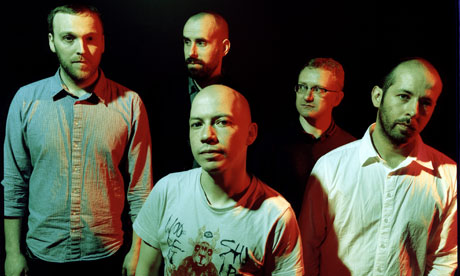
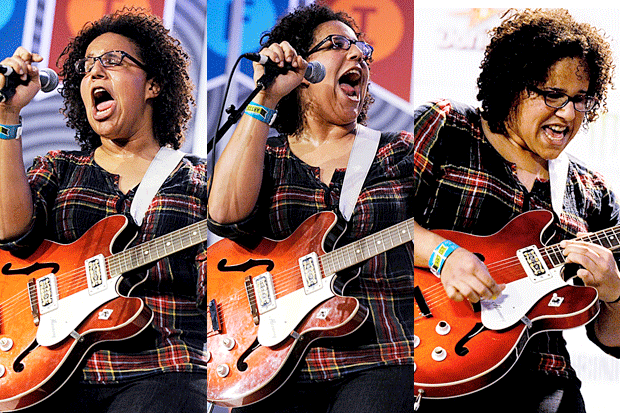
Porque fue histórico, y la historia se crea al instante pero se escribe con la buena caligrafía que otorgan los años. Porque al margen del matiz de que haya sido el concierto más largo en la historia de Springteen y la E-Street Band, éramos conscientes de que al ser el último concierto de ésta gira que veíamos, podía ser también el último en que veamos toda la parafernalia musical de Bruce y la E-Street. Y nos dio razones para la emoción más absoluta, con los temas clásicos mezclándose con los del último disco y sacudiendo a una audiencia entregada hasta la extenuación. Con sorpresas como la aparición del mitico Southside Johnny, la presentación mundial en directo de Spanish Eyes, o interpretaciones sublimes de Murder Incorporated, Because The Night, Thunder Road o The River, dedicandole el tema a Nacho Hurtado, joven de 20 años fallecido días antes y cuyo sueño era ver a Bruce en directo.

Desgraciadamente nos gusta asociar las leyendas al pasado y al blanco y negro, y sobre todo, nos gusta designarlas como tal cuando ya nos han dejado. Es algo que parece inevitable. Pero recuerden, Bruce no pide nada por su cumpleaños. Lo que hace lo hace nunca mejor dicho por amor al arte, en su sentido mas literal,  y sobre todo por dejar huella, por agregar páginas a la Autobiografía de Bruce Springsteen by Bruce Springsteen. La obra de Bruce y las joyas que ha hecho son inagotables e irrepetibles, y cuando uno mire desde 2030, y pueda decir «Yo estuve allí«, lo podrá decir con el mismo orgullo que muestran los que ahora hablan de Cash, o Sinatra.

Y me dan mucha lástima algunas críticas leídas en periódicos importantes o dominicales de renombre días atrás, escritas por columnistas cagaprisas, con vidas emepecuatrizadas,  preparadas, servidas, masticadas y cagadas de antemano. Prueban, escupen y vuelven a por otro plato. Busquen, comparen, viajen,  encarámense a lo alto de la mesa, griten, escuchen, amen y observen a su alrededor. Convénzanse de la autenticidad y dejen de buscar la canción perfecta, la banda perfecta y el jodido momento perfecto. Ya apenas reluce algo pero no se den por vencidos, porque como dice Bruce, you can’t start a fire without a spark.

Y Aaron? No nos olvidamos de Aaron.

Aaron es el middle name de Elvis.

 Salud.

David Bernardo