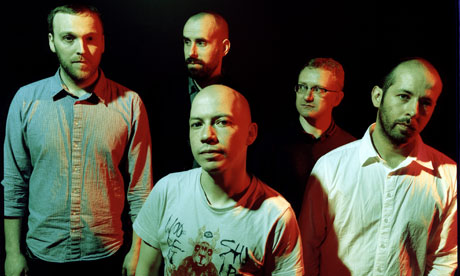
«Dancing in the mainstream is a dangerous thing» Interview with Wild Beasts

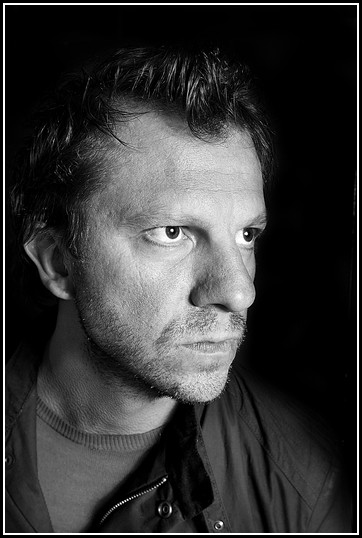
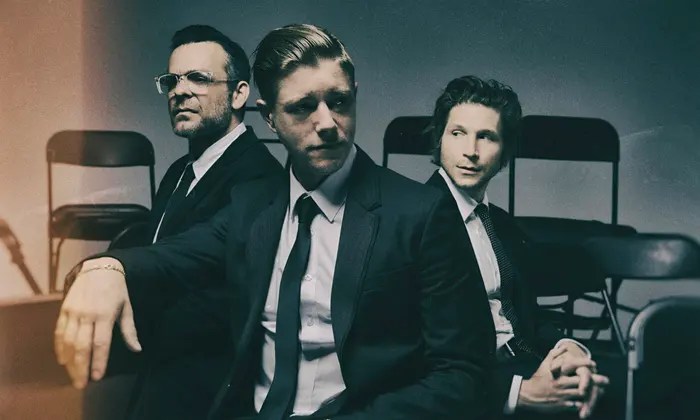
Wild Beasts

It’s a fact. They’ve become one of the most respected and talented bands in the UK nowadays. Not only the fans but the critics are on their side, and they seemed to be in a very sweet moment in their careers. Wild Beasts have released «Present Tense» (Domino/PIAS, 2014) this year, which is the fourth album for the british musicians. They’re in Spain to present the album in Madrid and Barcelona this month, and we don’t want to miss the opportunity to talk to them.

We had the chance to talk to Ben Little, who plays guitar and keyboards, and who also co-founded the band with Hayden Thorpe 10 years ago. He speaks clear about the life of the band, their music or their future plans.

How are you?

Yeah, good. I’m in London at the moment, we’ve just come back off tour, we were in Bergen for a couple of weekends. It’s been nice doing festivals every weekend now and just sometimes you know, fly in and fly out.  Festivals are good, you know, they give you a break from the touring, you know the travel time  period and you’re just doing it every weekend, so it’s quite, it’s quite relaxing to be honest.

You’ve been together now for 12 years, which is a considerable time nowadays.

You know, when we started out, we were young kids doing it for a hobby and it fast became something to really put a lot of effort into, and a lot of time went into it.  You know, at first we were rehearsing once a week.  Just me and Hayden, I’d just go around to his house, we’d play guitar together for a while and then by the time we were like 16, 17, we were renting out a tiny little room which only cost us like 50 pounds a month or something ridiculously cheap.  Which I can’t believe now but we had this little room and we’d go there pretty much every night and Chris the drummer has come down, and that’s where it started getting serious.  And I think when that happened, we always sort of knew that, that’s what we wanted to do, and I guess we’ve never looked back since then really.  I guess after 10 years have passed, you know we’ve been doing it for the whole of our life.  It’s somewhat strange that we’ve been doing it for 10 years but it’s not like we’ve got a lot to prove and you know we’ve got a lot of work to do, so it’s just you know the four of us are always wanting to keep making music together I guess.  We’re on our fourth record now and we’re looking towards the fifth already.

«After 10 years, we haven’t got a lot to prove, but we’ve got a lot of work to do»

Would you think that the fact of being loyal to your style since the beginning has been the key to get where you are now?

I don’t know how successful we are, we’re still trying out best to – you talk about being successful, I guess we still feel like it’s very much hand to mouth and what we do is, it doesn’t make us a lot of money or anything should you know that but I guess the success that we do have is that we get to keep making music together.  I think the secret is probably just wanting to be making the music you want.  Once we finished touring with Smother, when we went into the studio, then we realised that oh this is what we’re actually doing it for.  Being in the studio, we actually really enjoy it and it’s almost like a compulsion to want to make the best record we can and I think the secret is just enjoying it and getting better.

How did you approach “Present Tense” and what are the feelings after releasing the new album?

We toured Smother for a long time, and it was almost quite a down album really.  You know, it’s quite soft in a way.  And after touring that, we realised like, we’re doing these festival spots and doing bigger shows and bigger shows, and we thought we needed songs to fit the show that we were doing.  It was almost that we all sort of listened to music that was a lower tempo and that bus driving.  And I guess when we were writing, that’s where it started along and when it came out, I guess it began to pick up and it feels really good now.   It feels like people are getting it and having the benefit of having 4 albums out, it’s rare what people ask what we’re getting as well.  Because when the first record came out, people just didn’t know what to make of it.

«What we do doesn’t make us a lot of money»

Was there something you wanted to prove yourselves, something that you didn’t try in other albums?

I mean with a song like «Beautiful Truth”, we wanted to make a track that was, you know, undeniable, like a proper pop song that didn’t hold back. But I think we sort of achieved that, it’s like a song that’s light on it’s feet and yeah we just wanted that sort of like undeniable groove that you get from a song.  And so that was something new that we’ve done because usually you know, you’d go just mainstream and something like that steer away from it because we’re scared that, you know, whole knock something out, but you know dancing in the mainstream is a dangerous thing.  And with this one we didn’t make specifically to be true, we wanted to make, you know, a proper pop song. And I’m sure it’s not like a pop song that will be played on the radio, not sure if it is a pop song.

You got to cover Milley Cyrus’s Wrecking Ball, will we ever see you making that kind of pop song?

I think what we do, whatever comes out, it sounds like Wild Beasts, you know?  It’s Hayden and Fleming singing and it’s inevitably us. You know, my voice is sort of almost dictates the, where the song’s going to be perceived I guess because maybe you know, Hayden’s voice maybe couldn’t succeed as a pop voice, you know.  So maybe we would try to, like you know write songs like that.  I mean, that’s a great, great track, you know the level of production and the song writing, you know.  Something that interests us all I think it’s like a ghostwriters guide.  You know it’s quite slick in the rhythm, you’ve got a big team and a lot of money to put into it to make this perfect song but you know they’re paying for it.  The artist, the resources that they hire, the money that we can stretch for our investment to make these sort of songs.  But you know, also we’re not like massive huge fans of Miley Cyrus or anything.  It’s just an interesting prospect to cover a song like that.

And on the other side, what’s that thing you’ve thought that you could try to make it in a record but haven’t done it yet?

I mean, it’s strange ‘cause I think once you tour, tour an album, when you get to the end of a touring cycle that’s when the chaps can answer the question, because you know some of the experiences that happened and what worked out great and properly yeah.  So you know, you’re on a different head space when you get to that point but in terms of trying something new, we always try, try not to repeat ourselves but in terms of the exact thing, I’m not sure.  Like I mean we’re always changing you know, we’ve cracked all that we use each others scribble in songs and I’m sure by the time we get to write the next album, we’ll be listening to you know different sorts of rhythms than we do now, so I’m not sure really.  I think you’re mainly influenced by what you’re listening to and like I said before we’ve sort of got to sound like Wild Beasts because more songs get together in a room it no matter how lucky you are or how poppy a track sounds.

Would you like an album to be more focused on the guitars rather than in laptops and shynts or are you comfortable with that?

I play guitar and keys and at the start of this record, I was very interested in the production side of things and you know we started on laptops and that’s where the idea sort of, sort of grew from and personally you know I’m very interested in the production side of it, very interested in marrying my own techniques, you know like a band in a room sort of sound with you know, use of like software, plugins, synthesizers, you know, modulars.  It’s all very interesting, they’re all tools to help us make songs.  So personally, you know I started out on guitars then the more we’ve gone on, sort of moved into a room where I’m sitting on a computer all day or during a gig or, it’s a playing a card.  You know, it’s something that you can use to make music.

If “Present Tense” had to be a journey, which places would you think it would visit?

Maybe it would start where we’re all from.  Then travel down to Manchester where we all do the gigs you know in the early days and we’d get on a plane at Manchester Airport and fly to maybe Istanbul.  We like Istanbul a lot.  The people there are amazing and they were just great, they all seem to like it when we go there but like a round the world trip, we could maybe stop off in Spain.

We always liken it to being in London, like having taken homage for a while, and it’s quite an intense period and then say if you’re like on a train from London back up to Lake District, you know it’s often nice to get out, as soon as you get out of London and you’re seeing some green… and that’s why I like half way through the album it sort of often does, it’s a lot more soft and by the end of the album, you’re like back home, back up north.  So I think we definitely started off where it’s made and that’s in London.

And last question. Are you happy?

Yeah, of course yes, it’s an amazing, amazing thing to be doing, you know in every day life, it’s an amazing job to have when you’re working with your best friends that you grew up with and travelling the world and making music that people enjoy.  So yeah, I mean, there’s a hell of a lot of positives and sometimes you have to pinch yourself and realise that sometimes actually it is great what you’re doing.  Although,  you don’t see reward in say money or you know, you don’t get to see your song sell much, or maybe that, maybe you get down about that but then sometimes you’ve just got to realise that actually what you’re doing is worthwhile and it’s a special teenage thing to do, you know get into trouble with one of your friends and go play music for people that enjoy it and I know that all the guys are always happy right now.

DB

«Bailar con el mainstream es peligroso» Entrevista con Wild Beasts.

Wild Beasts

Su último lanzamiento les ha servido para ganarse la unanimidad de crítica y público, además del respeto definitivo del mundo de la música.  Son una de las bandas predilectas del Reino Unido en los últimos años, y estarán los próximos 12 y 13 de Septiembre en Barcelona y Madrid respectivamente.

El gran nivel de sus cuatro álbumes y sobre todo la gran acogida del reciente “Present Tense” (Domino / PIAS), son el prolegómeno perfecto de cara a sus inminentes conciertos. Hablamos con Ben Little, guitarrista y teclista de Wild Beasts.

¿Qué tal Ben? Cómo estás?

Bien muy bien. Ahora mismo estoy en Londres ya que acabamos de volver del tour. Hemos estado en Bergen un par de semanas. Ha estado muy bien hacer festivales cada fin de semana y volar de un sitio a otro. Son buenos los festivales ¿sabes?, te dan un respiro de la gira y es algo bastante llevadero si te digo la verdad.

Ya lleváis juntos más de diez años, lo que es un tiempo considerable hoy en día.

Cuando empezamos éramos unos críos haciéndolo simplemente por hobby, pero rápidamente se convirtió en algo en que poníamos mucho esfuerzo y donde empleamos mucho tiempo. Al principio ensayábamos Hayden y yo una vez por semana. Me pasaba por su casa y tocábamos la guitarra un rato. Luego cuando teníamos 16 o 17, ya alquilamos un local diminuto que nos costaba solamente unas 50 libras, algo ridículo. Ahora no lo puedo creer pero empezamos a ir casi cada noche a ese pequeño habitáculo, y fue cuando se unió Chris, el batería, cuando empezamos a ir en serio. Creo que cuando sucedió eso fue cuando nos dimos cuenta de que aquello era realmente lo que queríamos hacer, y supongo que por eso nunca hemos mirado atrás desde entonces. Después de diez años es como si lleváramos en esto toda la vida. En cierta manera es extraño, porque después de diez años tampoco es que tengamos mucho que demostrar, pero sí tenemos mucho trabajo por delante, y al final supongo que solo somos nosotros cuatro intentando hacer música juntos. Estamos en nuestro cuarto álbum y con muchas ganas ya del quinto.

«Después de diez años tampoco es que tengamos mucho que demostrar, pero sí tenemos mucho trabajo por delante

¿Crees que el hecho de ser fieles a vuestro particular estilo desde el principio ha sido la clave de vuestro éxito?

No sé el nivel de éxito que tenemos, nosotros intentamos hacerlo lo mejor que podemos. Hablas de éxito pero creo que se basa sobre todo en el boca a boca. Lo que hacemos no nos hace ganar mucho dinero. Supongo que el éxito es seguir haciendo música juntos. Creo que el secreto probablemente sea sencillamente el hecho de querer hacer la música que quieres. Cuando terminamos la gira de “Smother” y nos metimos en el estudio, nos dimos cuenta de por qué lo hacemos. Realmente disfrutamos estando en el estudio; es casi una obsesión el querer hacer el mejor disco que podamos, y el secreto es sencillamente disfrutarlo y conseguir superarse.

¿Cómo os habéis planteado “Present Tense” y qué sensaciones tuvisteis después del lanzamiento?

Giramos con “Smother” durante mucho tiempo, y era un álbum bastante más sosegado en cierto sentido; después de girar con este álbum nos dimos cuenta de que al hacer festivales y directos cada vez más grandes, necesitábamos canciones que encajaran en esos conciertos. Ya entonces escuchábamos canciones con un tempo diferente, y supongo que fue mientras estábamos escribiendo cuando surgió la idea. Cuando el álbum empezó a despuntar nos sentimos muy bien. Parece que la gente lo entiende y tienen la ventaja de cuatro discos, así que es raro que nos pregunten sobre el sentido del álbum, porque cuando salió el primero no sabían qué hacer con él.

«Lo que hacemos no nos hace ganar mucho dinero»

¿Hay algo que os queráis demostrar a vosotros mismos, o algo que queráis probar en otros discos?

Bueno, hay algo de eso en una canción llamada “Beautiful Truth”. Queríamos hacer una canción pop que fuera incuestionable, un tema pop bien hecho que no fuera un lastre. Y creo que más o menos lo logramos. Es una canción con luz propia y queríamos que tuviese un guiño groovie inconfundible. Teníamos miedo porque podría haber sido comercial pero se ha mantenido alejado. Bailar con el mainstream es una cosa peligrosa. Con este tema solamente queríamos hacer una buena canción pop. Aunque estoy seguro de que no es una canción que sonará en las radios. De hecho no estoy seguro de que sea una canción pop. (Risas)
Hace poco también hicisteis una version del Wrecking Ball de Miley Cyrus, ¿Hay alguna posibilidad de que os veamos de manera más regular haciendo temas de ese estilo?

Creo que lo que hacemos, lo que quiera que sea, suena a Wild Beasts. Con Hayden y Fleming cantando es inevitable que somos nosotros. Sus voces nos dictan como va a ser la percepción de una canción; aunque quizás la voz de Hayden no podría tener éxito como una voz de música pop. Podríamos intentar escribir temas del estilo a “Wrecking Ball”. Quiero decir, es un gran, gran tema, el nivel de producción, la letra… Algo que nos interesa a todos es el tema de los escritores fantasma que hay detrás, los que escriben para ellos. Son muy hábiles con los ritmos, tienen un equipo muy logrado y mucho dinero que invertir para conseguir la canción perfecta. Pero pagan por ello. Tienen recursos y pueden estirar la inversión para hacer este tipo de canciones. Pero tampoco es que seamos unos grandes fans de Miley Cyrus ni nada por el estilo. Hacer una versión de esa canción fue solo una posibilidad interesante.

¿Hay algo que os gustaría probar en futuros discos que no hayáis intentado todavía?

Es curioso porque creo una vez que has lanzado el disco y has hecho la gira, es decir cuando llegas al final del ciclo “álbum-gira” es cuando podríamos responder esa pregunta. Porque ya has vivido algunas experiencias y sabes lo que ha funcionado correctamente. Estás en un estado mental diferente cuando llegas a ese punto. Pero si hablas de probar cosas nuevas, nosotros siempre intentamos no repetirnos, pero en el sentido estricto de la palabra, no estoy seguro. Quiero decir, siempre estamos cambiando. Nos conocemos perfectamente y en las canciones todos usamos los borradores de todos. Estoy seguro de que para cuando escribamos el siguiente álbum estaremos escuchando diferentes tipos de ritmos de los que escuchamos ahora, así que no lo sé. Creo que estás influenciado principalmente por lo que escuchas, y como dije antes, al final conseguimos sonar a Wild Beasts, independientemente de lo absurda o popera que pueda sonar una canción.

«Independientemente de lo absurda o popera que sea una canción, al final es inevitable que sonemos a Wild Beasts»

Ben, ¿Te gustaría un álbum más enfocado en las guitarras en vez de sintetizadores y sonidos hechos por ordenador?

Toco la guitarra y los teclados y al comenzar este disco estaba muy interesado en toda la parte de producción. Empezamos con los portátiles y la idea creció a partir de ahí. Estoy muy interesado en unir mis propias técnicas, desarrollar el sonido de una banda tocando en un local, el uso de softwares, plugins, sintetizadores modulares… Es todo muy interesante, son herramientas que nos ayudan a hacer mejores canciones. Personalmente empecé con las guitarras, pero a medida que hemos ido creciendo, me he ido cambiando al ordenador y ahora paso la mayor parte del día o durante los conciertos sentado frente a un portátil. Pero es algo que puedes utilizar para hacer música.
Si “Present Tense” fuera un viaje, ¿Cómo sería?

Londres es cerrado y muy insular y siempre hemos asemejado el álbum a Londres. Creo que el comienzo sería allí porque es donde lo hemos hecho. Sería como hacerle un pequeño homenaje ya que está siendo un periodo bastante intenso. Luego cogeríamos un tren hasta Lake District. Está bien salir de aquí y ver un poco de verde ahí fuera. Por eso me gusta esa mitad del álbum. Es mucho más tranquila. Hacia el final del disco, estaríamos ya de vuelta en casa, de vuelta al norte.

¿Eres feliz?

¡Sí por supuesto que sí! Es algo increíble el hacer esto en tu día a día. Es un trabajo increíble, además trabajas con tus mejores amigos, con los que has crecido y estás viajando por el mundo haciendo música que la gente disfruta. Hay una burrada de cosas positivas y a veces tienes que pellizcarte para darte cuenta de que estás haciendo algo grande. Aunque no ves la recompensa en términos monetarios, no ves tu canción vender mucho y a veces te desanimas por eso, pero entonces te das cuenta de que lo que estás haciendo merece la pena.

David Bernardo
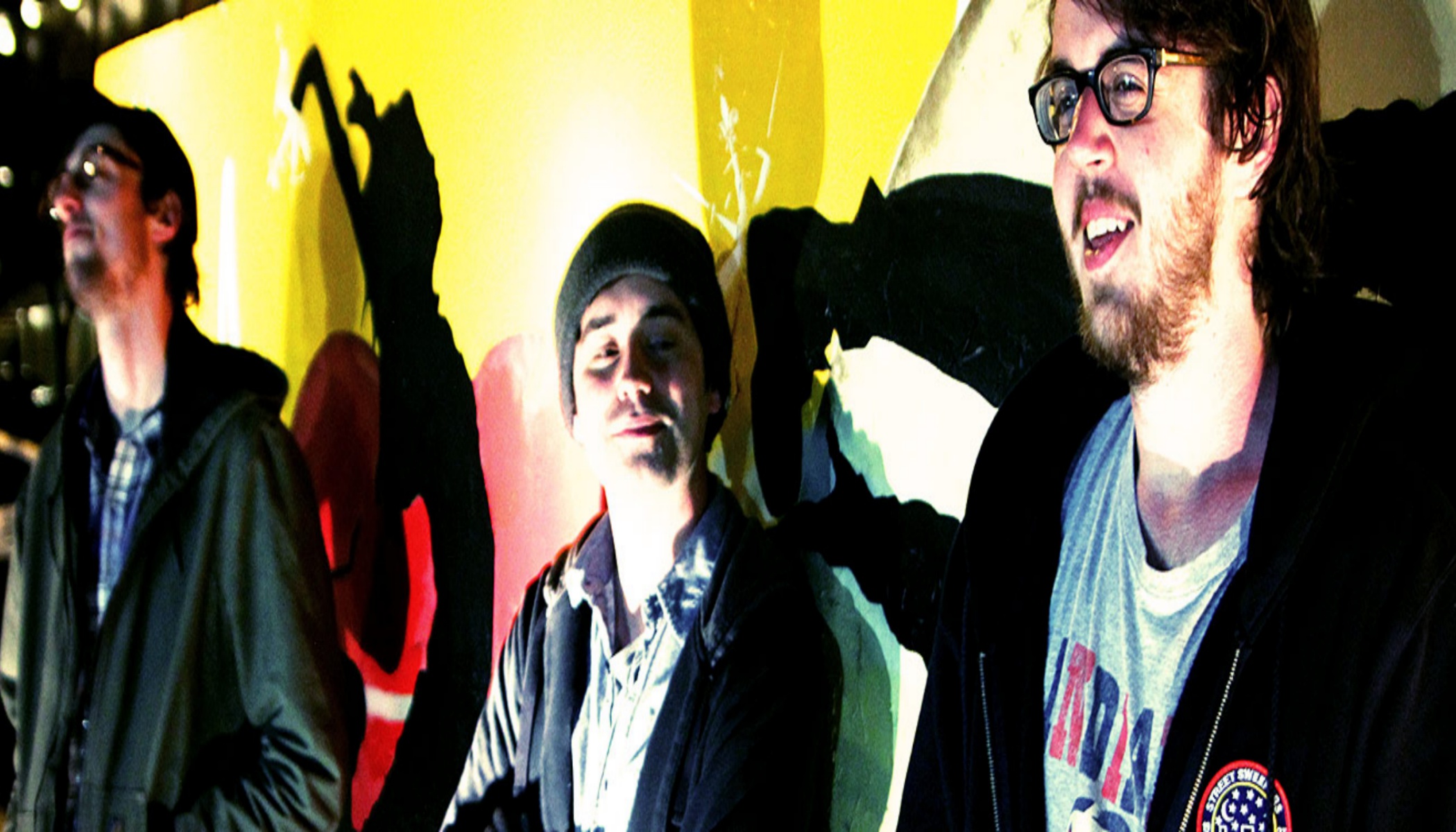
«You should get your point across with 30 minutes» Interview with Cloud Nothings.

Cloud Nothings Andrew


I should have been at the door of the press area a while ago, but overconfidence made ​​me think that the slender white tents of the entrance acted as «press lounge.» With my interview notebook in one hand and an ocasional beer in the other, I got to the new press area of Primavera Sound, which is located at the back of the Sony stage, just at the beginning of the now called «mordor zone» of the festival.

On the other side, talking with his bandmates, is Dylan Baldi, the leader of  Cloud Nothings (Cleveland, Ohio). He has been doing dizzying and addictive rock for 6 years and has earned the respect of audiences and critics alike. I didn´t have the press credentials with me so the interview is going to have a second drawback. Luckily there are always artists whose promo is not as heavy as another, and they´re happy to be interviewed between the wave of comings and goings of thousands of attendees who want to see the Spoon concert. Nevertheless, Cloud Nothings aren´t going to enter the big leagues in the short term, so for now their faces, but not their music, go unnoticed in Spain.
 .
Baldi is a sincere guy who answers bluntly and makes his point pretty clear. Prolific as ever, and leading the way for his band, he is in great form with Here And Nowhere Else ([PIAS] 2014), where the band gets great compliments wherever they go.
.

..
Are you still living in Paris? What was the reason you moved from Cleveland to Paris? How was the change?
Yeah, I went to live in Paris because I met a french girl , so now I’m living here. (laughs)
.

You’ve been playing lots of shows since the release of “Here And Nowhere Else”.How is the tour going on?

It’s going great, actually.  Every show is really fun. There hasn’t been not even one to say, “oh that really sucks” so it’s great.

It’s been just a year and a half since the release of your last album, How did you approach this new album this time?
.

Well, the same way I did with the last one actually. I just sort of, sat down for a month, and make a bunch of songs that I like. I try not to think about what other people say about the records or the music. I just do stuff that I like, and that’s the way that I’m good, I think.

«I think it sounds good as a three piece. And is nice because no-one can hide behind anything else.»

On “Attack On Memory” you worked with Steve Albini whereas on this record it’s been another big name like John Congleton with the production. Why did you choose John Congleton? What’s the difference between them? 

We had a manager actually at that time that just suggested John Congleton. It was ok, working with him it was actually very similar to working with Steve. They were both very hands off, never really told us what to do, they just sort of, let us play the songs and record them really well. So it’s always a very easy process for us.

As you’re very prolific, I guess we may get a new record at some point in the next 2 years. Do you have any producer in mind for that record? 

I don’t know yet. But I wanna do one next year. For sure. I don’t know anything about it yet (laughs)

Or have you ever think about produce the album yourself?

I kind of did that it in the beginning, but it sounds silly, and I don’t know what I’m doing, so it’s way easier to have a professional guy to make it for you.

It’s said that a band really proves themselves with the live sound, is that why you put a lot of effort to sound in the record as close as you sound live?

Yeah, I like records that just sounds like a live band. I don’t like when I listen to a record, and I go to see the band and sounds totally different. I want the record to sound like the show. That’s why we do it that way. We just record live.

cloud-nothings-2014-650x400

«I haven’t seen many bands that sound like us.»

Joe Boyer is not in the band anymore, and there’s still no replacement for him. Will you go on as a three-piece band? 

For now yeah, I think it sounds good as a 3 piece. And is nice because everybody has to like, work (laughs) you know, no-one can hide behind anything else. That’s very good. It’s nice to be a 3 piece band.

Does it change something for the band or the music?

It definitely does. It makes it a little bit heavier and more powerful actually, to just have just like really intense basic things going on when every things connected, rather than fancy playing (laughs)

Cloud Nothings lyrics are very self-related, do you feel like the music is the best way for you to talk about yourself or the things that kind of happened to you?

Every record is just like a little picture of what I’m thinking, and where I’m at when I’ve made the record, so it’s very much the only way that I talk about myself actually.

But are you still writing the lyrics to the music in a last minute basis?

I am. Because is the only way I think I can get something that feels like honest and real, I guess. If I sat down and talk for a long time, it would not be good. So it’s a good way to make sure everything is as direct as I can make it.

Again 8 songs in the album. any reason in particular why 8 songs and not more nor less? Is there a perfect amount of tracks or time for an album?

I think so. 8 songs, 30 minutes. If you can’t get your point across you should maybe re-think what you’re doing.

What is it with your videoclips? You take them very seriously as you’re probably one of the bands with the best videos around.

Actually, we have a friend, Ryan Manning who is a crazy video guy, so every time we’re like, Ran, do whatever you want. And he does something amazing every time. We just trust him, and it’s pretty cool.

«Every record is just like a little picture of what I’m thinking, and where I’m at when I’ve made the record»

Have you ever seen or heard a band that you’ve liked it so much that to say “I want to sound like them” or I want to make this thing the way they’re doing it” ?

Yeah definitely, there’s a lot of bands that I just rip off, (laughs). I like a band called The Wipers, an old punk band, they are my favourites. Life Without Buildings as well, I heard their records and I was like “oh, I have to do that”.

What would you think is the secret behind the success of Cloud Nothing?

I think a big part is that we just do whatever we think sounds fun, or cool to do at the moment. Like we don’t worry about image or other people. We don’t worry about doing things that we like and enjoy and it comes across in the music

How do you find the music scene nowadays? Do you feel like lots of bands are doing a very similar music? Do you miss the guitar music in the new bands?

I haven’t seen many bands that sound like us. But I mostly see bands that listen the same records that I do. And that’s pretty cool. They use them in a different way, like the bands sounds different, but it’s fun to see a band and think “oh, I might be friends with them, cos we like the same stuff.”

Does the fact of living in Paris gave you the change to discover some european or french bands that you like? La Femme?

Kind of. I like a lot of european music, mostly jazz or even noise music. But in Paris I mostly sit down to the guitar.

What are your plans for this year?

We’re touring for the whole year, that’s it.

Last question, are you happy?

Oh yeah. I’m having so much fun.

David Bernardo

«Si no consigues expresarte en 30 minutos, quizás debas plantearte lo que estás haciendo» Entrevista con Cloud Nothings

cloud-nothings-2014-650x400

Debería de estar en la puerta de la zona de prensa hace un rato pero un exceso de confianza me hizo pensar que las esbeltas carpas blancas de la entrada hacían las veces de «press lounge».  Con el cuaderno de las entrevistas en una mano y una cerveza pasajera al otro, llegamos a la nueva zona de prensa del Primavera Sound, que queda detrás del escenario Sony, al comienzo de la ya denominada «zona mordor» del festival. 

Al otro lado, charlando con sus compañeros se encuentra Dylan Baldi, el risueño líder de Cloud Nothings, una banda de Cleveland, Ohio, que viene haciendo un rock vertiginoso y adictivo desde hace 6 años y que ha sabido ganarse el respeto de público y crítica. Otro año más no tengo acreditación de prensa, por lo que la entrevista va a contar con un segundo inconveniente. Por suerte siempre hay artistas cuya promo no les resulta tan pesada como a otros, y acceden a realizar la entrevista entre el fragor de idas y vueltas de miles de asistentes que quieren ver el concierto de Spoon. A pesar de todo, Cloud Nothings no están por entrar a corto plazo en el gran mercado, y de momento sus caras, que no su música, pasan desapercibidas en España.

Baldi es un tipo sincero que va al grano y responde sin rodeos. Prolífico como siempre, e inteligente marcando el camino de su banda, está en un gran momento de forma con Here And Nowhere Else ([PIAS] 2014), donde consigue que la banda recoja halagos haya donde vaya.


¿Qué
tal Dylan? ¿Sigues viviendo en Paris? ¿Qué tal el cambio?

Bien. Sí, me fui a vivir a París porque conocí a una chica francesa, así que ahora vivo aquí. (risas)

Habéis girado mucho desde el lanzamiento de “Here And Nowhere Else”. ¿Cómo va el tour?

Está yendo muy bien de hecho. Cada concierto que damos es muy divertido. No ha habido un solo día en el que hayamos dicho “vaya mierda”, así que es genial.

Solamente ha pasado un año y medio desde el lanzamiento de vuestro último álbum. ¿Cómo has encarado este nuevo disco esta vez?

Bueno de la misma manera que lo hice en el último la verdad. Básicamente me siento durante un mes y escribo un puñado de canciones que me gustan. Intento no pensar en lo que otra gente pueda decir sobre el disco o la música. Solamente hago cosas que me gustan, creo que es la única manera en la que soy bueno.

«Creo que sonamos bien como trío. Nadie se puede esconder detrás de nada y hace que el sonido sea más potente e intenso»

En “Attack On Memort” trabajasteis con Steve Albini, mientras que en este disco habeís trabajado con otro gran nombre como es John Congleton. ¿Por qué elegisteis a Congleton? ¿Qué diferencias encontrasteis entre ellos?

Teníamos un manager en ese momento que nos sugirió a John Congleton. Estuvo bien. Trabajar con él fue muy parecido a trabajar con Steve. Ambos son muy condescendientes, realmente nunca nos dijeron qué teníamos que hacer. Ellos nos dejan tocar las canciones y luego lo graban muy bien, así que fue un proceso muy sencillo para nosotros.

Al ser tan prolífico escribiendo, imagino que veremos un nuevo disco en algún momento en los próximos 2 años. ¿Tienes algún productor en mente?

Aún no lo sé. Pero quiero sacar un nuevo disco el año que viene. Seguro. Aunque no sé nada todavía (risas)

¿Has pensado en producirlo tú mismo?

Lo hice al principio, pero suena ridículo y no sé lo que estoy haciendo, así que es mucho más fácil dejar que un profesional lo haga por ti.

Se dice que una banda realmente muestra su valía en el directo. ¿Es por eso que ponéis tanto esfuerzo en sonar en el estudio como en el directo?

Sí, me gustan los discos que suenan a directo. No me gusta cuando escucho un disco y voy a ver a la banda y suena totalmente diferente. Quiero que el disco suene como el directo. Por eso grabamos en directo.

«No he visto muchas bandas que suenen como nosotros»

Joe Boyer no está ya en la banda, y no hay sustituto para él. ¿Vais a continuar como trío?

Por ahora sí. Pienso que suena bien como trío. Y es bonito porque todo el mundo tiene que, digamos, ¡trabajar! (risas) ¿Sabes? nadie se puede esconder detrás de nada. Y eso está muy bien. Es bonito ser una banda de tres músicos.

¿Cambia algo la banda o la música?

Absolutamente. El hecho no ser tan sofisticados y tener sonidos más básicos tocados intensamente, hace que el sonido sea un poco más pesado y potente.

Las letras de Cloud Nothings son muy personales. ¿Sientes que la música es la mejor forma de hablar de ti mismo o las cosas que te suceden?

Cada disco es un pequeño cuadro de lo que estoy pensando, y donde me encuentro cuando estoy haciendo el disco. Es básicamente la única manera en la que hablo sobre mí mismo.

¿Sigues escribiendo las letras en el último minuto?

Sí sigo haciéndolo. Porque es la única manera en la que pienso que puedo conseguir algo que sea honesto y real. Si me siento y hablo durante mucho tiempo, no saldría bien. Así que es una buena manera de asegurarme de que todo sea tan directo como pueda.

De nuevo ocho temas en el disco. ¿Es la cantidad perfecta de temas?

Pienso que sí. Ocho canciones, treinta minutos. Si no consigues explicarte, quizás debas repensar lo que estás haciendo.

¿Qué pasa con vuestros videoclips? Sois una de las mejores bandas haciendo videoclips que existen en la actualidad. 

Gracias. Tenemos un amigo, Ryan Manning, que es un loco de los videoclips, así que siempre que lo necesitamos le decimos “Ryan, haz lo que quieras”. Y él siempre hace algo increíble. Confiamos en él plenamente. Es un tío guay.

 “Cada disco es un pequeño cuadro de lo que estoy pensando y del lugar en que me encuentro»

¿Habéis visto o escuchado alguna banda que os haya gustado tanto que hayáis dicho “quiero sonar como ellos”?

Sí claro, hay muchas bandas a las que copio. Me gusta una banda llamada The Wipers, una vieja banda punk, son mis favoritos. También Life Without Buildings. Escuché sus discos y me dije “oh, tengo que hacer eso”.

¿Cuál creéis que es el secreto detrás del éxito de Cloud Nothings?

Creo que una gran parte es que hacemos lo que creemos que suena divertido en cada momento. No nos preocupamos de la imagen o de la gente. No nos importa hacer cosas que nos gustan y divertirnos, y eso se refleja en la música.

¿Cómo veis la escena musical actual? ¿Notáis que hay bandas haciendo música similar? ¿Echáis de menos la música de guitarra?

No he visto muchas bandas que suenen como nosotros. Pero sobre todo veo bandas que escuchan los mismos discos que yo. Y eso está genial. Los usan de una manera diferente. Las canciones suenan diferentes pero es divertido verlos y pensar “quizá podría ser colega de ellos porque nos gusta la misma música”

¿El hecho de vivir en París te ha dado la posibilidad de descubrir algo de música europea o francesa que te haya gustado?

En cierta parte. Me gusta mucho la música europea. Pero sobre todo el jazz. Incluso el noise. Pero en París realmente me ciño a la guitarra.

¿Cuáles son tus planes para este año?

Girar durante todo el año. Y nada más.

¿Eres feliz?

Oh sí claro. Además lo estamos pasando muy bien aquí.

David Bernardo

El alma de Spoon

spoon-band

La vuelta de Spoon es una de las más esperadas este año. La particular visión del rock de los tejanos les ha convertido en una de las bandas más interesantes de EEUU. Después de tres años de inactividad, la banda ha puesto especial empeño en un nuevo álbum llamado They Want My Soul. Durante estos años sin embargo no han perdido el tiempo. De 2001 a 2010 lanzaron 5 discos, que no está mal bajo los standards de hoy en día, donde como ellos afirman, son los promotores de conciertos los que llevan las riendas del negocio. En ese tiempo, el cantante Britt Daniel ha seguido con su exitoso proyecto con Divine Fits, con el ex-Wolf Parade Dan Boeckner mientras Jim Eno ha producido más de 20 álbumes a artistas tan dispares como Tennis, !!!, Alejandro Escovedo o Poliça. El bajista Rob Pope también ha aprovechado para abrir un bar en Austin y grabar otro álbum con sus The Get Up Kids, y el multi-instrumentista Eric Harvey ha lanzado un álbum en solitario llamado “Lake Disappointment”.

They Want My Soul lo saca Loma Vista, ya que han dejado la mítica Merge Records después de un montón de años. En esta ocasión el disco lo hicieron en dos mitades. Aunque no son muy amigos de trabajar con productores, para la primera mitad contaron en la producción con Joe Chiccarelli (Morrissey, My Morning Jacket, Strokes) y en la mezcla con Dave Fridmann (The Flaming Lips, MGMT). Para la segunda parte prefirieron dejarlo todo en manos de Fridmann, ya que los temas de la segunda parte eran más atípicos y la combinación Spoon-Friedmann tenía más química. Chiccarelli era el productor de los Bee-Gees de “More Than A Woman” y tiene un sentido musical más comercial.  En el caso de Friedmann, había trabajado en los discos de MGMT, y su habilidad para poner nuevas ideas encima de la mesa, unido a la permisividad que ofrece a la banda para trabajar a su ritmo, hacen que su modus operandi conecte de inmediato con los deseos musicales de la banda.

Los álbumes de Spoon suelen ser lo que los anglosajones llaman “growers”, ya que tienden a crecer con las escuchas. Los primeros momentos son para el esqueleto de la canción, que se va rellenando poco a poco mientras desciframos sus intenciones hasta llegar a la clásica magia de la banda. Hablamos de ese saber hacer que muy pocos consiguen. De su manera de interpretar la música, su gallardía innata que les hace llegar al oyente, sonando a una banda que realmente disfruta con lo que hace.

En They Want My Soul, la banda sigue teniendo el punch de siempre, con melodías perfectamente encuadradas y ritmos revueltos que no les quitan un ápice de frescura. El single elegido para dar a conocer su vuelta fue Rent I Pay, donde se contonean algo cabreados con un machacante riff. El productor Dave Fridmann ha añadido beats de batería electrónica en un medio tiempo como es Inside Out, y en Knock Knock Knock, donde ha sugerido también la distorsión de las guitarras, que se mezclan con los silbidos, palmas o susurros que no estaban incluidos en las demos iniciales.

Después de Rent I Pay e Inside Out, aparece Rainy Taxi, un tema con un puente genial y unas guitarras frenéticas, que dan paso sin pausa a uno de los temas del disco, Do You, con un gancho clásico infalible al más puro estilo de “Ga Ga Ga Ga Ga” (2007).

Otro gran tema es el que da título al álbum. They Want My Soul juega con el estéreo en las guitarras, mientras advierte en contra de las personas tóxicas, que Britt identifica como manipuladores, chupópteros, o sanadores.

spoon-2014

También hay lugar para las versiones. En este caso, se marcan una excelente versión de Ann-Margret en I Just Don’t Understand de principios de los 60.  En un principio iba a ser incluida para la revista Rookie, a petición de su editora Jessica Hopper, amiga de Daniel, pero concluyeron que sonaba demasiado bien y podía ser incluida en el álbum.

Uno de los momentos más sorprendentes del álbum sin duda llega con Outlier, un estirado tema con beats y vocales que recuerdan los años de gracia de Ian Brown y los Stone Roses. Nunca se han casado con nadie, y es probable que Zach Braff no les llame para su próxima banda sonora después de escuchar precisamente en este tema a Daniel cantar: “I remember when you walked out of Garden State / You had taste, you had taste / You had no time to waste.”

El álbum en general, tiene una línea de urgencia intrínseca que continúa hilvanándose hasta el último tema, New York Kiss, y que reafirma a Spoon como una de las bandas con más personalidad del panorama musical. La impresión es la de ser una banda con un alma inquebrantable, que siempre ha estado en absoluto control de todo lo que hacen y la manera en que lo hacen. Independientemente de si utilizan o no productores. Los tipos saben lo que quieren y cómo lo quieren, y se afianzan en esa liga especial de grandes bandas con sonido y carácter propio. Sin más aditivos especiales que su propia intuición, han hecho lo que se podía esperar de ellos, sin resultar repetitivo y sonando más fresco que nunca. Un álbum sin complejos y altamente disfrutable.

DB

Spoon Daniel2

Unlocking The Truth y el childcore.

Unlocking_The_Truth_Rockast

Se han convertido en la banda de metal del momento en la gran manzana. Y quizá hayan traspasado fronteras por el cuantioso contrato que han firmado con Sony, pero lo cierto es que estos niños atesoran un enorme talento con la edad que tienen. Unlocking The Truth, son una banda de Brooklyn, cuyos miembros tienen entre 12 y 13 años, y que han tocado ya en Coachella y en los Playoffs de la NBA, además de abrir para los mismísimos Guns ’n’ Roses el mes pasado.

La banda, a la que algunos se han apresurado a colgar la vistosa etiqueta de childcore, lleva tocando solamente dos años. Está compuesta por el guitarrista Malcolm Brickhouse, de 13 años; el bajista Alec Atkins, también de 13, y el batería Jarad Dawkins, de 12. Se convirtieron rápidamente en una de las bandas más conocidas en NY gracias especialmente a sus actuaciones en Times Square y otros parques de la ciudad que ahora causan furor en YouTube. Esto les llevaría a recalar eventualmente en SXSW, y ser la banda más joven en tocar en Coachella.

El contrato de Sony les valdrá para producir los dos primeros discos, con opción a un total de seis. El montante del contrato suma la generosa cuantía de 1.7 millones de dólares, y debido a su edad, deberá de obtener primero el visto bueno de la corte suprema del estado de NY. A pesar de todo, la madre del batería afirma que el colegio sigue siendo primordial para los chicos.

Abajo les pueden ver en una de sus actuaciones más recientes.

https://www.youtube.com/watch?v=Lf-arntrLkI

DB

utt

EMA y la era post-internet.

EMA

El desencanto de Erika M. Anderson con la digitalización de la vida moderna no es nuevo. Son muchos los artistas que vienen mostrando su disconformidad de un tiempo a esta parte, con la abrasiva sobreinformación que sufrimos/disfrutamos en estos tiempos.

The Future’s Void, que es su álbum más reciente, vino envuelto en la máxima de ser el primer disco post-internet que se había escrito. ¿Pero que se entiende por post-intenet? Es lógico, que en una época en que la realidad virtual puja sin cesar por disminuir la importancia de la auténtica realidad, los creadores de arte empiecen a preguntarse cosas y a darse por aludidos. Y es lógico que alcen la voz, aunque paradójicamente los cauces elegidos para esparcir sus pensamientos tengan que ser obligatoriamente los mismos contra los que hablan.

Este álbum conceptual se ha enfocado en lo que EMA llama “enfermedad moderna”. Se pregunta: “Te ganas la vida haciendo selfies, es así como quieres vivir? Es tan narcisista, tan nuevo milenio” (‘Neuromancer’) Se muestra desencantada al contemplar la erosión que sufre la música mientras se convierte en un producto absoluto de marketing. Pero el álbum no ha sido premeditado. Erika escribe sobre lo que le pasa por la cabeza, y el compendio de canciones en ese momento ha dado lugar a este maravilloso álbum con este temática en concreto.

En The Future’s Void (Matador 2014), segundo álbum de la estadounidense, sintetiza la oscuridad de su anterior album, y se adentra un paso más allá, mezclando de manera inteligente los elementos para generar un folk industrial brillante. A lo largo del disco se muestra contrariada, hastiada y desilusionada con lo que palpa alrededor, pero también esperanzada. Contiene un buen puñado de temas que engordan su música y cuya intención es desmarcarse de modas e ir un paso más allá. En especial So Blonde, Satelites, o una Neuromancer donde podemos escuchar cristales rompiéndose al ritmo de percusiones metalizadas. Igualmente consigue el equilibrio perfecto con baladas redondas, que no cargantes, como SolaceWhen She Comes, una nana que cierra el disco como Dead Celebrity (Tell me what you wanna see when you click on the link of the dead celebrity) o una estupenda y exasperada 3Jane.

EMA

EMA es una artista que apuntaba maneras con su California de 2011, y que demuestra ser alguien que tiene algo que muy pocos artistas tienen hoy en día: algo interesante que decir. Es uno de los mejores trabajos del año que bien podría convertirse en un clásico y crear escuela.  Un “espejo negro”, como afirma Erika, en el que podemos ver reflejada esa otra identidad virtual que existe y que vaga ahí fuera con toda nuestra información.

«As soon as you start defining your sound, you get stuck» Interview with Toy.

Toy band pictures
These British lads were the hype of the music media just 2 years ago. Their debut album was one of the best albums that year and everyone seemed to be talking about them.  During the last year, Toy have been experimenting with lasers and smoke machines in the studio, while preparing their second album, Join The Dots ([PIAS], 2013). The feeling is that they’ve shaken the initial pressure and now they’re ready to show what they’re really capable of.  The sound expands and shows varied influences, making it difficult to classify them.

ROCKAST talk to guitarist Dominic O’Dair to find out more about their impressions on the new album, their record label boss, and of course, the smoke machines.

You’ve released the new album Join The Dots just a year after you’re debut. Did you feel it was just the right time?

We were quite keen to release soon after the first album. We write all the time whenever we have the chance. We write in-between touring. For us it made sense to release at that time, we didn’t feel like we needed any more time. If we had released it after a longer time frame, we would have just been waiting with a finished album.


How did you approach this new album? You made it while you were touring I guess. 

We made it in-between tours. We don’t actually write that much on tour. There’s not much time on tour. We like to make it in or own houses especially. Whenever we got the chances, we are writing stuff and recording it in our houses. We started to find time to rehearse and develop them more. As  soon as we thought we were ready we started recording.

I’ve heard you took it like a full time job, working on the album from 9 to 5PM is that right? 

No, schedules are really unpredictable. We found the time from wherever we can. Daytime or night.

How is the writing process?

We did individual songs, but other times we all sit down, and someone will come up with quite a small section and we all develop it together. We have a varied approach to write songs and we’re open to different methods. It keeps us fresh.

«It’s important for us to feel that we can go to any direction»

And what’s that story about lasers and smoking machines in the studio while recording?

Well we set it up a long time ago, before the first album, we don’t use it the whole time, just while we’re recording, as it creates a cool atmosphere in the studio.

Was it easier to make than your previous album and EP?

Well we have slightly more time for this album, so it’s cooler in that sense. We were able to experiment with different kind of instruments and sounds. We had a day of playing mellotron, and experimenting with effects and stuff. So it was really cool. So I think both of our albums were really enjoyable process to make, and we enjoy the recording process.

And you’re working again with Dan Carey (Bat For Lashes, Hot Chip), what does the producer add to the sound of the band?

He works with us on both albums. He’s a really good friend of us. He is really open to exploring and experimenting. Is very funny to work with him. After we make the songs, when it comes to remix them he’s able to discuss everything and all the different mixing points. We have a cool balance relationship, where we can get the sound as close as possible to the sounds of our head.

What do you need in order to make a band work?

The main thing is that all of the people in the band they must get on really well, we’re friends anyway. You also need to have the same vision for the kind of music you want to make, because without that, there is never going to be fun, never going to work, never going to be enjoyable.

«The music industry is being as creative as possible, playing shows and producing records»

Some people talk about psychedelia, some about post-punk, but the thing is, that is a bit difficult to define your sound, I guess that’s a good thing right?

Definitely, we don’t see ourselves as one specific type of genre at all. We’re often asked to describe our sound, but as soon as you start trying to define your sound, you start to categoryze it, and that’s something we don’t ever want to do. It’s really important for us to feel that we can go to any direction and explore any musical direction. Even on an EP or one album. It seems very limiting for us. We just wanna have the freedom to sound whatever way we want.

You’re releasing the album in Heavenly Records, which is one of the most talk about labels in UK right now. How is it to work with Jeff Barret?

It’s really great. I really like Jeff, is a really music fan. We had a really good time together and he’s been very good to us. It’s nice to work with him. He’s got a heritage of music behind him. He likes the same bands as us and he works with a lot of bands.

TOY

Maybe some years ago it would take more time to say this, but in 3 years you got to release a couple of albums, be on the Top lists albums, have shows in some of the best festivals in the world… Do you have the sensation you grow up as a band too quickly?

No,  I don’t think so. We have always been playing music, and we’ve played in different bands before. We were jet keen to play really hard and keep going.

Any song your particularly proud?

I’m really proud of the songs we get here, I think they really good. Songs are really enjoyable to play live.

How do you see the music industry from inside?

For us the music industry is probably a different experience to other people. The fact of being in an independent label… for us the music industry is being as creative as possible, playing shows and producing records.

And last question, are you happy?

Yeah I feel incredibly lucky where we are. I’m very excited about how we are progressing and how we are creating so yeah, I feel very lucky.

David Bernardo

«Tan pronto empiezas a definir tu sonido, te empiezas a encasillar» Entrevista con Toy.

Toy band pictures

Los británicos Toy no quieren estancarse. Tras haber sobrevivido la fiebre que supuso el hype de su debut hace apenas dos años, los de Brighton han pasado el último año experimentando sonidos rodeados de maquinas de humo y láser en el estudio. El resultado son los nuevos registros conseguidos en su segundo álbum, “Join The Dots” ([PIAS], 2013). La sensación es que se han sacudido la presión inicial y tienen prisa por mostrarnos lo que realmente son capaces de hacer. El sonido se expande y recoge influencias de lo más variado, haciendo cada vez más difícil buscarles estantería. 

ROCKAST habla con Dominic O’Dair, guitarrista de la formación, para averiguar más acerca de sus impresiones sobre el álbum, el jefe de su discográfica, o su fiebre por las máquinas de humo.

Dom, “Join The Dots” aparece justo un año después de vuestro debut. Parece poco tiempo. 

Estábamos muy ansiosos por lanzar el álbum al poco de lanzar el primero, escribir cosas nuevas. Era el momento justo. Estábamos muy satisfechos con las nuevas canciones.

Quizás nos hemos acostumbrado a esperar 3 o 4 años para cada disco. 

Bueno, nosotros escribimos todo el tiempo siempre que tenemos la oportunidad. Para nosotros tenía sentido lanzar el disco en ese momento, no sentimos que necesitáramos más tiempo. Si hubiera pasado un largo periodo de tiempo antes de lanzarlo, sencillamente lo hubiéramos pasado esperando, con un disco ya terminado.

«Es importante sentir que podemos ir en cualquier dirección»

¿Lo habéis hecho mientras estabais de gira?

Lo hemos hecho entre gira y gira. Realmente no escribimos mucho mientras estamos de gira. No hay mucho tiempo. Nos gusta trabajar especialmente en nuestras propias casas. Cuando tenemos oportunidad, estamos escribiendo y grabando desde nuestras casas. Buscamos tiempo para ensayar y desarrollarlas y tan pronto creemos que estamos preparados empezamos a grabar.

¿Tenéis un horario de oficina para ensayar, a lo Gaslight Anthem?

No. Los horarios son totalmente impredecibles. Buscamos tiempo de donde podemos. Da igual de día que de noche.

¿Cómo os organizáis a la hora de escribir?

A veces lo hacemos de manera individual, ya que así puedes ver cómo avanzan las ideas que tienes en la cabeza. Otras veces nos sentamos todos, alguien aparece con una pequeña sección para el tema y desde ahí lo desarrollamos juntos. Tenemos estrategias variadas para escribir y estamos abiertos  a diferentes métodos. Nos mantiene frescos.

¿Qué hay de cierto de la historia de montar máquinas de humo y láseres en el estudio?

Bueno lo montamos hace ya tiempo, lo teníamos antes del primer álbum. No lo usamos todo el tiempo, solamente mientras grabamos porque crea una atmósfera muy buena en el estudio.

«La música consiste en ser tan creativo como sea posible»

¿Ha sido más fácil de grabar que vuestros trabajos anteriores?

Bueno, hemos tenido un poco más de tiempo para este disco, así que genial en ese sentido. Hemos podido experimentar con diferentes tipos de instrumentos y sonidos. Estuvimos un día entero tocando el melotrón y experimentando con efectos y otras cosas. Estuvo muy bien. Hemos disfrutado mucho con todo el proceso de grabación en ambos discos y estoy realmente orgulloso de las canciones que hemos conseguido. Creo que son realmente buenas. Además son para disfrutarlas en directo.

Volvéis a trabajar con Dan Carey (Bat For Lashes, Django Django). ¿Qué os aporta en el sonido final?

Dan ha trabajado en los 2 discos y es un gran amigo nuestro. Está muy abierto a explorar y experimentar y es muy divertido trabajar con él. Después de hacer las canciones, cuando llega la hora de mezclarlas, siempre está dispuesto a analizar todas las diferentes variantes de la mezcla. Tenemos una relación muy buena y equilibrada donde podemos conseguir el sonido más parecido posible a como suena en nuestra cabezas.

¿Qué hace falta para que una banda funcione?

Lo principal es que todo el mundo en la banda se debe de llevar realmente bien. Nosotros somos amigos de hecho. También necesitas tener la misma visión del tipo de música que quieres hacer porque sin eso ni va a funcionar, ni va a ser divertido, ni lo vas a disfrutar.

TOY

Se habla de psicodelia y post-punk, pero lo cierto es que vuestro sonido es difícil de definir. 

No nos vemos en un tipo de género en absoluto. A menudo nos piden que describamos nuestro sonido, pero tan pronto como empiezas a definirlo te empiezas a encasillar, y eso es algo que nunca queremos hacer. Es importante para nosotros sentir que podemos ir en cualquier dirección y explorar cualquier camino musical. Incluso un solo EP o álbum nos parece muy limitado para nosotros. Solo queremos tener la libertad para sonar como quiera que queramos.

Lanzáis el álbum en Heavenly, que es una de los sellos de los que más se habla en UK ahora mismo. ¿Cómo es trabajar con Jeff Barrett?

Es genial. Me gusta Jeff, es un fan de la música de verdad. Pasamos muy buen rato juntos y ha sido algo muy bueno para nosotros. Está muy bien trabajar con él porque tiene toda esta herencia musical a sus espaldas. Le gustan las mismas bandas que a nosotros y trabaja con un montón de grupos.

¿Cómo veis la industria musical desde dentro?

Bueno hay tanta industria, tantas maneras diferentes y tantos artistas que es diferente para cada uno. Para nosotros, la música es probablemente una experiencia diferente a como es para otra gente. El hecho de estar en un sello independiente es diferente. Para nosotros la música consiste en ser tan creativo como sea posible, hacer conciertos y producir discos.

¿Tenéis la sensación de crecer muy rápido?

No, no lo creo. Hemos estado siempre tocando música, y hemos tocado en otras bandas diferentes antes. Es solo que teníamos unas ganas muy fueres por tocar y salir adelante.

Última pregunta, ¿sois felices?

Sí claro, muy felices. Estoy muy feliz por donde nos encontramos, y estoy muy emocionado sobre cómo estamos progresando y creando así que sí. Me siento muy afortunado.

David Bernardo

El desembarco de Jungle

Jungle Picture

Se saben la sensación del año desde el año pasado y se dejan querer. Una de las bandas que más nos impresionaron del SXSW fueron los británicos Jungle. En Reino Unido son la banda de la que más se habla desde hace unos meses, por eso cuidan con mimo cada nuevo tema y con extrema cautela el lanzamiento de su esperado debut. Desde un principio se instalaron en la comodidad del anonimato, para ir lanzando temas y videoclips virales con cuentagotas. Una táctica que empieza a ser habitual en lanzamientos de nuevas bandas (MS MR, Rhye) respaldadas por importantes discográficas. Una estrategia quizás arriesgada. Desconocemos si su eficiencia puede realmente marcar la diferencia, pero lo cierto es que su expectación prolongada llama peligrosamente a las puertas de la indiferencia.
Su discográfica es XL Recordings, la misma que Jack White, Radiohead o Adele. Después de todo el paripé con los videoclips, estupendos por otra parte, la banda se ha presentado por los escenarios más importantes adelantando parte de lo que será su primer LP. Así no han tardado en marcar territorio en EEUU con una estupenda actuación en el programa de Kimmel. Pero en los directos tampoco dan su brazo a torcer. La oscuridad, el humo, y los focos siempre por la espalda de los músicos, apenas dejan entrever las caras de los protagonistas. En directo pudimos ver hasta 7 músicos sobre el escenario, pero las cabezas pensantes de Jungle están en la dupla de J y T. Pero eso es, letras. Solo letras de momento. ¿Acaso no se mueren de ganas de descubrir su significado? La J es de Josh. De nada.

Jungle band pictures

Su música oscila entre el groove, el funk y la electrónica neo-soul. Buenrollista a todas luces y pegadiza como pocas. Su inminente debut contendrá singles ya conocidos, como ese compulsivo “The Heat” con sus beats y sirenas de fondo, la épica deslumbrante de “Busy Earning”, o un misterioso “Platoon”, con logrados guiños dub-step y voces super pulidas. También contiene otro adelanto llamado “Time”, que se han apresurado a airear hace unos días en el programa por excelencia para este tipo de presentaciones: el show de Zane Lowe de la BBC1.

Electrónica de salón y música elegante cuyo debut oficial se espera con impaciencia. Una banda a tener muy en cuenta con toda seguridad este 2014.