Ya vimos con Rhye o con Against Me! que en la música no todo es lo que parece. Y por ese camino seguimos. Estas dos hijas de la célebre Berklee School Of Music de Boston podían ser gemelas. Pero no lo son. Ni siquiera son hermanas. Afincadas en Brooklyn, han empezado a magnificar el eco conseguido a través de prestigiosos columnistas que van del NY Times hasta The Guardian o Rolling Stone.
Se hacen llamar Lucius, y desde que publicaron recientemente Wildewoman, su álbum debut, han conseguido que la vorágine digital se ponga rápidamente manos a la obra.
Su puesta en escena resulta original, muy mod y por tanto visualmente resultona. Las voces de Jess Wolfe y Holly Laessig aparecen siempre en primer plano, con indumentaria y peinados a juego, pero también hay lugar para las guitarras, baterías y mostachos del resto de la banda, que logran armonizar el cuadro final. Algo de agradecer como elemento diferenciador añadido a su talento.
En 2012 lanzaron su primer EP con 4 temas, 3 de los cuales, Turn It Around, Don’t Just Sit There y Go Home aparecen también en Wildewoman (Mom + Pop Music, 2013), y poco más tarde un EP en directo llamado Lucius Get Noisey.
Lo cierto es que suenan especialmente bien. Cuentan con buenas armonías, percusión marcada a lo Arcade Fire y momentos folk y pop que recuerdan en ocasiones a los 60, o a contemporáneos como Tegan & Sara. Ya han hecho anuncios para TV y compartido escenario con Wilco, además de una intentona de re-grabar el álbum blanco de los Beatles. Tienen un buen directo y un sello, Mom + Pop Music, que ya ha hecho de las suyas con Smith Westerns, Wavves o Sleigh Bells por citar algunos. Su ascensión total parece cuestión de tiempo, con una onda expansiva similar a la de las Haim. Que no se lo cuenten.
Su influencia se ha puesto de relevancia de una manera evidente en los últimos años. Ya fuera a través de rock espacial o de pequeños goteos constantes en muchos de los mejores álbumes que pasan por las listas de finales de año. Los nombres de Prince Rama, Unknown Mortal Orchestra, White Denim, MGMT, AnimalCollective o Foxygen por citar algunos, se han dejado abrazar sin complejos por una psicodelia cuyo vestido de moda permanece impermeable al paso de los años.
Es inevitable pensar que un estandarte contemporáneo como el Lonerism de Tame Impala ha echado más de una mano a impulsar el género. Pero no es menos cierto que vienen formaciones muy jóvenes cuya mira alcanza muchos años atrás y que están haciendo álbumes realmente excepcionales, en algunos casos sin la inestimable ayuda de un productor de renombre.
Este es el caso de estos tipos de la pequeña localidad de Kettering, al Norte de Londres. El bueno de Jeff Barrett, capo de Heavenly Records, los descubrió cuando apenas habían tocado juntos y les ofreció lanzar su primer single. Más de un año y medio después de aquello, unos meticulosos Temples lanzan hoy Sun Structures ([PIAS] 2014), un debut avalado por las buenas caras de Johnny Marr y Noel Gallaguer que viene precedido de toda clase de grandes augurios, amén de sendas apariciones en Coachella y Primavera Sound a las primeras de cambio.
ROCKAST tiene la oportunidad de hablar con Thomas E. Warmsley (bajista y co-fundador de la banda), tras su paso por Barcelona para intentar comprender el cómo y el porqué de un disco tan prometedor.
¿Qué tal estáis? Estuvisteis en Barcelona ayer ¿verdad?
Bien, sí acabamos de volver de España, ayer estuvimos en Barcelona, ha sido un viaje muy bueno. Estamos deseando ir a Madrid también, todavía no hemos estado.
Hace 2 años desde que empezasteis a sacar muy buenos temas, pero da la impresión de que lleváis haciendo esto toda la vida. ¿Era el momento justo para lanzar el disco?
Trabajamos mucho durante el último año y medio. Cuando creamos la banda, al final del verano de 2012, queríamos crear una colección de canciones que la gente pudiera escuchar de seguido. Así que decidimos subir 4 canciones a YouTube. Mientras otras bandas puede que no tengan ninguna grabación para empezar, o quizás solamente una canción, creo que a nosotros los 4 temas nos dieron a conocer y quizás hizo que la gente se sintiera más familiar con nosotros. Nos ayudó con todo lo que hemos hecho después. Y también el hecho de tener una idea fuerte de lo que queríamos conseguir con el disco y grabarlo mientras estábamos de gira. Teníamos visiones muy fuertes desde el principio de lo que queríamos conseguir.
Conseguisteis un contrato discográfico y un single justo antes de que hubierais siquiera tocado juntos.
Bueno, creo que habíamos hecho un par de shows. Y creo que fue justo después de 4 meses que habíamos escrito algunas de las canciones y organizado toda la formación, cuando Jeff Barrett de Heavenly (Records) se puso en contacto con nosotros para lanzar nuestro single. Creo que Heavenly es una de las grandes compañías independientes aquí en UK. Son muy activos. Y el hecho de que lo pudiéramos grabar nosotros mismos con todas las ideas que teníamos desde el principio ha sido un verdadero placer.
«Somos bastante privilegiados de haber nacido en esta década y tener semejante legado de buena música»
¿Qué es lo que os ha llevado a hacer este disco sin más productores que vosotros mismos?
Creo que las bandas están influenciadas por los productores. Nosotros estábamos apasionados por la producción del disco. Muchos de nuestros discos favoritos están guiados realmente por ese sonido. Gente como Brian Eno o Jack Nitzsche tienen un sonido distintivo, y consiguen algo único en las canciones en las que trabajan. Para nosotros el sonido del disco era tan importante como las canciones, y conseguir un sello que nos permitiera grabarlo a nosotros mismos era un elemento importante que teníamos que mantener, espacialmente en este primer disco. Y también tenía que ser la forma más barata, sabes, el no tener que gastar una fortuna en un estudio profesional.
¿Esperabais tan buen recibimiento?
En absoluto. La única razón por la que Temples existe es porque grabamos 4 canciones en el estudio de James. Y solo porque disfrutamos de cómo sonaban y por lo que conseguimos capturar en esos temas. El hecho de que la gente reaccione es algo de lo que estamos muy agradecidos. Capturar lo que habíamos hecho es algo que hemos trasladado al álbum. Y es fantástico si la gente entiende lo que estamos intentando conseguir en el disco.
¿Habéis grabado el disco exclusivamente con equipo analógico?
Cuando llega el momento de capturar sonidos, aunque estamos utilizando efectos analógicos, con cintas o viejos micrófonos, nos acogemos al lado digital de la tecnología, limpieza de sonidos, secuenciadores… Acogerse a ambos es muy importante. Restringirte a ti mismo a intentar crear una replica exacta de bandas de distintas épicas es probablemente bastante derrotista en muchos sentidos. Nos gusta abrazar la música contemporánea tanto como influencias más antiguas.
¿Cómo es el proceso de composición de los temas? ¿Escribís todos juntos?
Sí, todo el álbum ha sido escrito en el estudio y en cuanto teníamos una idea a menudo la grabábamos directamente. Más o menos creamos una imagen alrededor de una idea y la grabamos de inmediato. Está muy radicado en el estudio y es bastante impulsivo, en el sentido en que si una canción está a medias, continuamos trabajando en ella hasta que conseguimos la atmósfera idónea alrededor de la canción. Para nosotros parece que funciona.
Si echas un vistazo a vuestras influencias, parece que habéis nacido en la década errónea.
No creo que ninguna década tenga más influencia que otra. Supongo que tenemos el privilegio de que todas nuestras influencias favoritas son de los últimos 50 años. Descubrimos que las canciones pop de los 60 eran una influencia, los experimentos con los sonidos de los 70, la electrónica de los 80, y el sampling de los 90. Somos bastante privilegiados de haber nacido en esta década y tener semejante legado de buena música.
«Para nosotros, el sonido es tan importante como las canciones»
¿Deberíamos redefinir la palabra psicodelia?
Es una palabra que aparece un montón hoy en día, especialmente durante el último año o así. Para nosotros en particular, creo que no se puede definir algo como psicodélico en un sentido material. Creo que es más un sentimiento de la música. No importa el estilo o la influencia, sino cómo reaccionas, y la experiencia y el sentimiento es probablemente lo psicodélico, más que un sonido o imagen en particular.
Queda abierta a la interpretación de cada uno. Mientras sea así con la música, no creo que la gente se equivoque.
Podría ser peligroso si le considera una moda.
Cada década encarna un elemento psicodélico. Pienso que la gente es cada vez más consciente de esto y está en la consciencia musical de cada uno. Tiene que ver con la percepción, con un camino psicodélico. Hay tantos estilos musicales, del dance a la electrónica, del jazz al folk… tiene el poder de la imaginación, y si la gente se de cuenta de esto, entonces será algo bueno que revitalizará el interés en la música en directo también.
Tenéis un puñado de shows por delante este año, incluyendo Coachella o Primavera Sound. ¿Cuáles son vuestros planes a corto plazo?
Estamos muy emocionados de tener por fin el disco en el mercado, y creemos que quizás la gente entenderá Temples un poco mejor que están más al tanto de cada espectro de nuestro sonido. Estamos deseando poder tocar tanto como sea posible, poder defender el disco en vivo y extender lo que la gente está experimentando con el disco en el directo y todo el proceso que lleva es de lo que más emocionados estamos.
Última pregunta, ¿Sois felices?
¡Sí! Somos muy felices, estamos encantados con el disco y con muchas ganas de salir ahí fuera y tocarlo ante tantas personas como sea posible. Y espero que tú también seas feliz.
¿Cuántos discos excepcionales han pasado por nuestra vida sin que les hayamos prestado atención?
En estos últimos años parece que la mayoría de la gente olvida que la música es una sensación sonora. Y que utiliza un lenguaje subjetivo cuya comprensión exige cierto esfuerzo.
Si de verdad queremos vivir una gran experiencia descubriendo un gran álbum, necesitamos un buen equipo de alta fidelidad a todo volumen y escoger un momento en el que podamos prestar atención al mensaje, personalísimo, que el artista intenta transmitirnos.
Basta ya de auriculares ridículos, altavoces para ordenador y críticos puntuando canciones y comparando bandas como si fueran ganado… ¡eso no es música! Eso es entretenimiento. Y distorsiona la manera en la que nos enfrentamos a las primeras escuchas de un disco.
Por lo tanto, después de que usted haya escuchado “ONE BREATH” con unos altavoces plenos de graves, a gran volumen y en una tarde inspirada, nosotros diremos hoy aquí que el último disco de Anna Calvi es maravilloso.
Por su libertad creativa, por su expresividad y por su sonido.
II
La música popular urbana se encuentra en continua (r)evolución. Su característica principal en este preciso momento, igual de hermoso que cualquier otro, podría ser que todo se nos presenta desdibujado.
Desde los estilos (¿qué significa la palabra “rock” hoy en día?), pasando por los formatos (¿realmente elegimos lo que escuchamos o simplemente nos llega por la red?), llegando incluso hasta el mundo de los directos (más festivales que giras, conciertos con hologramas de gente muerta, bandas que únicamente tocan los repertorios de otras…)
¡La Música Popular Urbana ha muerto! ¡Viva la Música Popular Urbana!
En este contexto es dónde ha sido creado “ONE BREATH” de Anna Calvi.
Intuimos que, durante la composición y los arreglos del disco, debieron de tener lugar conversaciones de este tipo:
“-¿Por qué no ponemos más aquí…?
-Un poco más…
-Más…
-¡¡¡Mucho más…!!!
-…y ahora lo quitamos todo.”
O bien:
“-Esto no cabe aquí…
-¡No me da la gana! ¡Hagamos que quepa!”
Las estructuras de las canciones no se dejan encerrar en estrofas o estribillos: partes y silencios que se alargan o se encogen a voluntad (“Love Of My Life”), puentes que construyen casi una nueva canción dentro de otra (“Carry Me Over”), solos de guitarra cuya cabezonería hace que entren donde les da la gana (“Eliza”).
La armonía también es moldeada a voluntad: disonancias en las cuerdas, en los sintes, medio tono arriba o abajo, acordes que van de mayor a menor…
Tal vez el mejor ejemplo de la libertad creativa que mencionamos se dé en “One Breath”. Una canción sobrecogedora, cuya sorpresa no desvelaremos aquí, y que nos hace suplicarles a ustedes de nuevo que escuchen este trabajo en un buen equipo y a un buen volumen.
No queremos decir que “ONE BREATH” sea un disco rompedor. Sino que bebe de la herencia musical anterior a la vez que da un paso hacia caminos nuevos. Caminos inexplorados, gracias a la originalidad del estilo propio de esta banda y a su valentía para crear canciones fiándose tan sólo de su propio criterio.
III
Al aproximarse a este conjunto, lo primero que llama la atención es la voz de su cantante. Si la han escuchado no hacen falta más explicaciones.
Y después su instrumentación.
Guitarra eléctrica y voz.
Percusiones, harmonio y sintetizadores.
Batería y coros.
Tres músicos. Con algunos colaboradores que incluyen para este disco un octeto de cuerda.
Tras una extensísima gira por todo el mundo con “ANNA CALVI”, el primer LP, se nota que Anna, Mally y Daniel han ganado en poderío. Y se lo creen. Y lo demuestran.
Ya el diseño gráfico intenta transmitir potencia. Ni una concesión: portada que nos mira vacía de nombres, títulos de canciones por detrás, libreto con fotografías sin rastro de las letras… La edición de vinilo impresiona aún más.
El peso de la banda parece que ha crecido en esta segunda grabación. En la primera la guitarra eléctrica ocupa un primer plano más convencional y aquí comparte espacio con colchones, percusiones y cuerdas. Todo al servicio de la expresión y ya no sólo de la canción. Las dos últimas pistas “Bleed Into Me” y “The Bridge” parecen querer darnos sólo eso.
IV
Por último ¿qué decir del sonido y de la producción? La mítica “Guerra del Volumen” no tiene cabida en este tipo de álbumes. Aquí un susurro suena bajo porque ha de sonar bajo y una ostia suena alta porque la furia ha de sonar alta.
John Congleton es el encargado de producir, grabar y mezclar este disco. Creemos que ha hecho un trabajo sobresaliente. En “Piece By Piece” una guitarra octavada hace un guiño al sonido de otras de sus producciones.
Como el formato de LP se está perdiendo para volver al consumo de singles individuales, tal vez hayan pasado por alto un detalle de producción sutil pero importante: el orden de las canciones. “ONE BREATH” es una obra que tiene sentido en su conjunto y de principio a fin. Con su centro de gravedad en el tema siete. Como muchos otros grandes álbumes.
No nos cansaremos de repetirlo: en este álbum es tan importante “lo que suena” como el “cómo suena” y Congleton ha llevado muy arriba las canciones. Esperemos que Anna Calvi y los suyos piensen lo mismo.
Aunque a la vista de su actitud durante tres años en el nivel super-pro, trabajando incansablemente por escenarios de medio mundo, seguro que sólo han sacado este disco cuando ha sido de su plena satisfacción.
Poco más podemos decir. Les recomendamos que escuchen este álbum con cariño. Con atención. Esperamos que, tal vez, lo disfruten tanto como nosotros.
V
Una última reflexión. Con cada año que nos alejamos de la juventud, la pregunta de “¿Cuántos discos excepcionales han pasado por mi vida sin que les haya prestado atención?” va dejando paso a esta otra:
¿Tendré tiempo para escucharlos todos si no lo hago ahora…?
Por si acaso, un servidor está recuperando las buenas costumbres: un buen equipo de alta fidelidad a todo volumen mientras trato de descifrar, con gran placer, el mensaje dentro de ese disco que se dirige, única y exclusivamente, a mí.
La velocidad a la que se mueve la música no es una novedad, y el hecho de llegar a un punto en que una joven promesa no llegue a sacar su álbum debut después de un EP prometedor está a la vuelta de la esquina, si es que no ha sucedido ya. Mientras tanto, disfrutemos con algunas de las bandas que más van a dar que hablar en este año 2014. Que no se lo cuenten.
TEMPLES
Es curioso cómo en los últimos años han ido apareciendo debuts cada vez mejores, de una calidad enorme, directamente proporcional al estrecho margen de aceptación o muerte que se les brinda ahora a las nuevas bandas. Este es el caso de Sun Structures, el debut de un dúo británico de la pequeña ciudad de Kettering, en el centro de Inglaterra. El disco es una genial oda a la psicodelia con motivos británicos que tiene prevista su salida para el próximo 10 de Febrero. Aunque no cuenten de momento con todo el apoyo de la BBC, los chicos cuentan con todos los ingredientescon un buen disco y padrinos de lujo, como son Johnny Marr y Noel Gallaguer, quienes les bendicen como la mejor banda de Gran Bretaña. La suerte está echada.
THUMPERS
Este duo londinense está formado por Marcus Pepperell y John Hamson Jr, amigos desde la infancia cuyos respectivos grupos no tomaron la forma que deseaban. Entre las giras de Noah and the Whale y Friendly Fires en las que Hamson participaba, fueron construyendo singles auto-producidos que llamaron la atención de la siempre exquisita BBC 6, como es el caso de Dancing’s Done. Para su primer EP ya contaron con la ayuda en la producción de David Kosten (Bat For Lashes, Everything Everything), que también está produciendo su álbum debut previsto para este año. Batería marcada, sintes y juegos vocales con la inestimable ayuda siempre de la hermana de Marcus, resultan en temas flotantes, altamente adictivos y bailables, un combo que Sub Pop no ha dejado escapar y ha aprovechado para mandar a la banda a telonear a grandes nombres como Two Door Cinema Club o Chvrches. (Sí, Chvrches)
CIRCA WAVES
La etiqueta de los siguientes Oasis ha dejado paso a la de los siguientes Arctic Monkeys. Y aquí es donde se pretende encajar a estos 4 chavales de Liverpool. Kieran Shuddall es la cabeza pensante. La misma que después de ver el éxito que tuvo su demo de Young Chasers en la red, necesitó hacerse con una banda y un nombre con el que presentarse formalmente.
Después de haber formado parte de varias bandas, está decidido a hacer un debut tan grande como Is This It o Whatever People Say I Am That’s What I’m Not. Flores aparte, los singles aparecidos hasta ahora en Transgressive tienen gancho fácil. Veremos.
CHAMPS
Desde la Isla de Wight, los hermanos Michael y David Champion presentarán en Febrero su álbum debut, Down Like Gold [PIAS], del que ya nos habían dejado una primera toma de contacto con My Spirit Is Broken. Los temas que han presentado conforman un sonido irresistible con una silueta de folk-rock épico que no pasa desapercibido.
De momento estarán girando por Reino Unido e Irlanda como teloneros de una banda australiana maravillosa como son los Jezabels y seguramente pronto les tendremos por el resto de Europa. Savannah es su primer single.
DROWNERS
Drowners son una banda neoyorquina intentando y consiguiendo hacer buena música británica de cerca de los Smiths. No obstante,cuentan con un cantante de Gales establecido en la gran manzana.
Su EP Between Us Girls tuvo un buen recibimiento que les valió para que Frenchkiss Records se fijara en ellos. Con un single más lanzado, Luv Hold Me, su debut se espera con ganas para finales de Enero.
The new album from Scottish post-rock band Mogwai is out today although any excuse is good enough to speak with these highly talented musicians. This is probably their most cinematic album to date, in line with their recent soundtrack for the french TV series Les Revenants. Rave Tapes (Sup Pop/Rock Action Records) first singles were Remurdered and The Lord Is Out Of Control and it’s already the 8th studio album from the band.
We caught up with Barry Burnsin a hotel in downtown Madrid and chatted about the album, the music industry, and the extraordinary jukebox that entertains the clients in his Berlin bar.
How are you Barry? Rave Tapes is about to be released, how do you feel with the new album?
Kind of nervous as usual, but glad. I don’t really enjoy the recording and all that stuff. I like the concerts. I’m looking forward to play the shows. I hate being in the studio. It’s boring.
But you still have your own studio, right?
Yeah and it’s nice. But I’d rather be on stage, playing songs. It’s much more fun.
Some people got impressed after listening Remurdered, as they thought you were making a different sound? What’s with all that evolution thing at the end of the day?
Artists are creative and clear on what they do. Sometimes you get bored and you try different things. Sometimes it works. sometimes it doesn’t. Sometimes half works. I think sometimes you just get lucky.
The Les Revenants soundtrack was released last year, but how do you approach an album for a soundtrack? What’s the difference with the other albums?
Yeah, you really have to listen to the director. you have this other voice, that tells you that this need to be shorter, or is not scary enough. Is like another member of the band, trying to tell you what he wants. And you’re very conscious, that you’re not the main thing, you’re the second. You’re in the background. He still wants to make it good, but it feels like you are in a slow gear, not the same as when you’re making a Mogwai record.
Some bands get to play albums in full, and you also have played the Zidane album in full, but did you see yourself playing shows with a whole full album?
No, no, I think, that thing was alone with something else, so again we were secondary there. But we did it in Summer Case in Spain few years ago. But I think it seems very retrospective, or nostalgic to do that. We’re not very comfortable to do that I think. We rather just play songs from all the different albums
Playing without singer makes it harder to understand each other when you’re playing live?
No I think it’s easier. Well, I don’t know actually, because we’ve never really had a singer. So it would be difficult for us to comment. I think if we had a singer, by now, he would probably have run out of things to sing about. Maybe it’d be like Kanye West lyrics.
«People don’t want to pay for music. Unless you can play a lot of concerts, you won’t make any money»
You’ve added some vocals into some songs over the last years. Do you feel like the band really speaks with the instruments?
Yes because we’re not very good at writing lyrics. The ones that have lyrics, they were actually instrumental songs to begin with, but they didn’t have a melody or didn’t sound finished, so we decided to put like a vocal or a sampler, so it’s really our last resort.
There’s a lot of talking about the music industry nowadays. Since you’ve been playing for a long time, and everything has changed a lot since you started, how do you see the industry nowadays?
Fucked? (laughs) It’s pretty fucked. Unless you can play a lot of concerts, you won’t make any money. People don’t want to pay for music. I remember that a few weeks ago our album leaked on the internet, and then I went on Twitter and some people were like “yes! Mogwai album has leaked!”. So this people are really happy that the album has leaked. They don’t understand that if people makes copies then nobody buys it, and there will be no more records. It’s an amazing stupidity. Or maybe they buy the record later I don’t know. Historically people have always bought our records on vinyl. If you want to make money you have to tour all the time.
What about if you had to start all over again, would you change something?
No, no I don’t think so. We’ve been lucky.
What’s your opinion of music streaming services?
I don’t use these things. I have a lot of friends that use it. They do promotion things for the bands and it helps the bands but they don’t make money from that, it’s weird.
I prefer to use iTunes, or if you’re gonna pay for something at least you have something physical.
I’ve read that you open a Bar in Berlin like 3 years ago, do you still have it?
Yeah. My wife that is actually walking the room somewhere here, is the one that pays for the investment and stuff like that. But is great, it’s like a bar, we don’t have live music, but the jukebox is awesome, cos I have some friends that made mixes, and we’ve got mixes from Rob Smith from The Cure, Geoff (Barrow) from Portishead, or this really weird people like David Cross from Arrested Development. It’s just an amazing jukebox.
I’ve seen you on Coachella’s line-up, and also you’re playing in UK later this month. Which are your plans for this year?
Well now that some of the members have got wives and children, we won’t be touring as much as we use to, but probably more than most other bands (laughs). We haven’t announced many things like festivals and stuff but we will soon. We’re gonna make the music for the next season of Les Revenants, another project for Anthony Crook who does the video for The Lord Is Out Of Control, that just went out on Vimeo, and he wants us to do the music for a project he’s working with an artist that wants to send a boat down the Hudson river in Manhattan, I don’t know how’s gonna be that, but should be good.
Esta semana es la señalada para el lanzamiento del octavo álbum de estudio de los escoceses Mogwai. Virtuosos del post-rock, mal que les pese la etiqueta, se presentan con su disco más cinematográfico, siguiendo la línea abierta con la banda sonora de la exitosa serie francesa Les Revenants, a la que pusieron música el pasado año. Remurdered y un gran The Lord Is Out Of Control pasado por vocoder, fueron los dos primeros singles que dejaron escuchar de Rave Tapes (Sub Pop / Rock Action Records).
Tenemos la oportunidad de hablar con Barry Burns, multi-instrumentista de la banda al que solemos ver detrás de la guitarra y teclados, que nos habla de sus impresiones del nuevo álbum, bandas sonoras, o la exclusiva gramola que da vida a su bar de Berlin.
¿Qué tal estás Barry? Estáis apunto de lanzar Rave Tapes, ¿cómo te sientes?
Bien, un poco nervioso como siempre, pero alegre. Realmente no disfruto con la grabación y todo eso. Me gustan los conciertos. Estoy deseando tocar en directo. Odio estar en el estudio. Es aburrido.
¿Pero seguís teniendo vuestro propio estudio?
Sí, y está muy bien. Pero preferiría estar en el escenario, tocando las canciones. Es mucho más divertido.
Algunos se quedaron un poco impresionados después de escuchar Remurdered, pensando que podría haber un cierto cambio en el sonido de la banda.
Los artistas son creativos y claros en lo que hacen. A veces te aburres e intentas cosas diferentes. A veces funciona. A veces no. A veces funciona a medias… Y a veces solamente tienes suerte.
El año pasado hicisteis la banda sonora de Les Revenants, ¿Cómo es la realización de una banda sonora respecto a un álbum de estudio?
En una banda sonora tienes que escuchar al director. Tienes a esta otra voz que te dice que necesita que esto o aquello sea más corto, o que no da miedo suficiente… Es como un miembro más de la banda intentando decirte lo que quiere. Y eres muy consciente de que no eres el principal ahí, eres secundario. Estás en un segundo plano. El director quiere hacerlo bien, pero sientes como que vas una velocidad más lenta, no como cuando estas haciendo un álbum de Mogwai.
Algunas bandas están tocando en directo álbumes completos, como hicisteis vosotros con Zidane. ¿Os veis tocando discos enteros?
No, no. Aquello fue algo aislado que iba unido a algo más, pero de nuevo éramos secundarios allí. Ya lo hicimos en el Summercase en España hace alguna años (Young Team). Yo creo que hacer eso es muy retrospectivo, muy nostálgico. No estamos muy a gusto haciendo eso. Preferimos tocar temas de todos los álbumes.
El hecho de tocar sin cantante, ¿Hace más difícil la compenetración entre vosotros durante el directo?
No, yo creo que es más fácil. Bueno, la verdad es que no lo sé, porque realmente nunca hemos tenido un cantante, así que eso es algo difícil de decir para nosotros. Creo que si tuviéramos un cantante, en estos momentos ya no tendría más cosas sobre las que cantar. Puede que fuera algo así como las letras de Kanye West.
«La gente no quiere pagar por la música. A menos que des un montón de conciertos, no vas a hacer nada de dinero»
Durante los años habéis añadido algunas letras en algunos temas. ¿Sentís que sois una banda que habla a través de los instrumentos?
Sí porque no somos muy buenos escribiendo letras. Las que tienen letra de hecho eran canciones que empezaron siendo instrumentales, pero que no tenían una melodía o sonaban inacabadas, así que decidimos poner letras, samplers o vocoder. Es nuestro último recurso.
Se habla mucho de la industria musical hoy en día. Desde que empezasteis ha cambiado mucho. ¿Cómo veis la industria musical hoy en día?
¡Jodida! (risas) Está muy jodida. A menos que puedas dar un montón de conciertos, no vas a hacer nada de dinero. La gente no quiere pagar por la música. Recuerdo que hace unas semanas nuestro álbum se filtró por internet. Fui a Twitter y algunas personas estaban en plan “¡Bien! El disco de Mogwai ya está en internet” Así que esta gente está realmente contenta de que el disco se haya filtrado. No entienden que si la gente hace copias entonces nadie lo va a comprar, y no habrá más discos. Es una estupidez grandísima. O a lo mejor compran el disco después, no lo sé. Historicamente la gente ha comprado nuestros discos en vinilo. Pero si quieres hacer dinero tienes que dar conciertos todo el tiempo.
¿Cambiarías algo si tuvieras que empezar de nuevo?
No, no. Creo que no. Hemos tenido suerte.
¿Cuál es tu opinión de los servicios de música en streaming?
No uso estas cosas. Tengo muchos amigos que lo usan. Hacen cosas de promoción para las bandas y ayuda a las bandas pero no consiguen hacer dinero con ello. Es raro. Yo prefiero utilizar iTunes. O si vas a pagar por algo al menos ten algo físico.
Abriste un bar en Berlín hace 3 años.
Sí. Mi mujer, que anda por aquí en algún sitio, es la encargada y la que paga por la inversión y todo eso. Pero es genial. Es como un bar, no tenemos música en directo pero tenemos una gramola que es increíble porque tenemos algunos amigos que nos han hecho mezclas, como Rob Smith de The Cure, Geoff de Portishead, o esta gente rara como David Crossde Arrested Development. Es una gramola espectacular.
Empezáis a tocar en unos días en Reino Unido y habéis confirmado Coachella también. ¿Qué más planes tenéis en mente para este año?
Bueno ahora que alguno de los miembros tiene mujer y niños, no tocaremos tanto como otras ocasiones, pero aún así tocaremos más que la mayoría de las bandas (risas). Aún no hemos anunciado muchas cosas, como festivales y esas cosas, pero lo haremos pronto. Vamos a hacer la música para la siguiente temporada de Les Revenants, y otro proyecto para Anthony Crook, que hizo el video para The Lord Is Out Of Control que acaba de salir en Vimeo, y que quiere que hagamos la música para un proyecto en el que está trabajando con un artista que quiere enviar un barco por el río Hudson en Manhattan. No sé como va a salir, pero suena bien.
La lista de discos favoritos del año para Rockast no podía faltar. 2013 ha sido un gran año musical, aunque no ha habido ningún álbum que arrastrase a todos sin discusión como ha sucedido en otras ocasiones.En cualquier caso y como todos los años, hoy queremos compartir los 30 álbumes que más nos han gustado en 2013. Aquí están:
30. ÓLAFUR ARNALDS – For Now I Am Winter
29. CRYSTAL FIGHTERS – Cave Rave
28. JON HOPKINS – Immunity
27. NEKO CASE – The Worse Things Get, The Harder I Fight, The Harder I Fight, The More I Love You
26. GUARDS – In Guards We Trust
25. WASHED OUT – Paracosm
24. JAGWAR MA – Howlin
23. UNKNOWN MORTAL ORCHESTRA – II
22. CHVRCHES – The Bones Of What You Believe
21. JOHN GRANT – Pale Green Ghosts
20. RHYE – Woman
19. PARQUET COURTS – Light Up Cold
18. FOALS – Holy Fire
17. BIFFY CLYRO – Opposites
16. JAMES BLAKE – Overgrown
15. BEACH FOSSILS – Clash The Truth
Fueron los mismos padres de Dustin Payseur quienes le animaron a dejar su North Carolina natal para probar suerte con la música en Brooklyn. Unos años más tarde, y superando la huida de 2 de sus miembros para formar Heavenly Beat y DIIV, presenta un segundo álbum que les asienta definitivamente en la escena junto a bandas como Surfer Blood, Best Coast o Wild Nothing. Dejan a un lado el DIY y cuentan con la ayuda del productor Ben Greenberg de The Men, que ha conseguido que el sonido de la banda tenga más fuerza que su debut. A sus ya conocidos reverbs añaden un batería real que graba en directo junto con el bajista. Su dreamy shoegaze va más allá y deja grandes temas como Careless, Generational Synthetic, o un pequeño intento de himno generacional como es Clash The Truth.
14. MATTHEW E. WHITE – Big Inner
Una de las sorpresas del año la ha protagonizado este músico, productor, arreglista, y fundador de Spacebomb Records. Matthew E. White, que ya ejercía de líder en una banda de jazz vanguardista llamada Fight The Big Bull, ha lanzado Big Inner como era de suponer, en su propia discográfica. Es un debut que llama la atención por la fusión de sonidos folk, americana, groove, reggae o gospel. El álbum, originalmente de 40 minutos y 7 temas, ha sido expandido recientemente para una nueva edición del mismo que incluye 5 temas nuevos. Tiene momentos de salón como Will You Love Me o One Of These Days, y grandilocuentes como el incombustible Big Love, uno de los temas del año.
13. DAVID BOWIE – The Next Day
Anunciar el álbum sin previo aviso y entregar el primer single el día de su 66 cumpleaños ha sido uno de los momentos musicales del año. La expectación que consiguió seguramente fue mayor que si hubiera anunciado primero una portada, luego un tracklist, luego un teaser, y luego el single. A Bowie posiblemente no le emocionen estas estrategias. Este icono vivo del rock demuestra que no ha perdido la pasión por la música y mucho menos su talento en todo este tiempo. The Next Day tiene temas que podrían encajar con facilidad en décadas pasadas. Los 6 primeros temas solos pueden barrer fácilmente muchos Top 10 de los últimos años. Ahora solo queda los rumores que alimenten nuestras ganas de directo. Aunque nada más lejo de la realidad, según los agentes del artista.
12. LAURA MARLING – Once I Was An Eagle
Once I Was An Eagle es ya el cuarto álbum de Laura Marling. En esta ocasión se ha mudado a Los Angeles y ha grabado sin su habitual banda el que es uno de ellos grandes discos de folk de 2013. Parece increíble como con solo 23 años puede escribir y cantar de una manera más propia de artistas que podrían ser sus padres. Marling modula la voz con maestría y crea un espacio en el que consigue persuadir fácilmente al oyente.
El resultado son 63 minutos y 16 temas donde podemos destacar I Was An Eagle, Breathe, Master Hunter, Little Love Caster o Where Can I Go. A menudo comparada con Joni Mitchell, el talento de Marling ya hizo sorprender al mismo Ryan Adams, que al escucharla llegó a desechar un álbum completo en el que estaba trabajando. La inglesa vuelve a demostrar que es una de las grandes referencias del folk actual.
11. DAWES – Stories Don’t End
Dawes son una de las mejores bandas de americana la costa oeste. Etiquetados habitualmente junto a notables leyendas como Jackson Browne o los Eagles, el tercer álbum, Stories Don’t End, supone una declaración de intenciones sobre todo para los nuevos amantes de un género que cada vez cuenta con más seguidores. Para este disco han trabajado con Jacquire King, productor también de TomWaits, consiguiendo, un AOR perfecto, sin dejar lugar a riesgo alguno. Most People, Just My Luck, From a Window Seat o el single que abre el disco, Just Beneath The Surface, fluyen a velocidad de crucero. Gran soft-rock de manual para el nuevo milenio.
10. THE NATIONAL – Trouble Will Find Me
Resulta fácil acusar a Matt Beringer de hacer discos muy similares desde el célebre Boxer. Y no menos fácil ver en Trouble Will Find Me una continuación de High Violet. Pero es Navidad y no vamos a discutir. El talento de la banda es innegable. Amén de un líder carismático que acostumbra a beber vino en grandes cantidades para superar su miedo escénico, The National es más que el barítono del rock. Ahí quedan los proyectos de los hermanos Dessner, que se han ganado una buena reputación como serios productores / arreglistas. Demons, Graceless, Fireproof, o I Should Live In Salt destacan en un álbum de lenta digestión, altamente disfrutable. En este año también vio la luz la película – documental Mistaken For Strangers, grabada durante la gira de 2010 por el hermano pequeño de Matt, Tom Beringer. Muy recomendable.
9. PORTUGAL. THE MAN – Evil Friends
Portugal. The Man han dejado a un lado el eclecticismo de sus trabajos anteriores para encomendarse completamente a un gurú como es Danger Mouse. Evil Friends es ya el octavo álbum de la banda, y con diferencia el que presenta un lavado de cara más radical. Singles (y vídeos) resultones como churros y la mano de Danger Mouse por todo el álbum. Ordena ideas, añade texturas y pule las ideas psicodélicas para conseguir un sonido más serio y potente. Sonido que ya había aventurado en el proyecto de Rome, con las colaboraciones pesadas de Norah Jones y Jack White. Lleva todas las de ganar para convertirse en el sonido standard al que dirigirán la mirada muchas bandas atrapadas entre ideas que creen buenas, e ideas que ven funcionales. El indie es el nuevo mainstream, ya saben.
8. FOXYGEN – We Are The 21st Century Ambassadors Of Peace & Magic
Una banda maldita que parece condenada a vivir situaciones cuanto menos dispares. Su segundo álbum les puso en la órbita mundial gracias a una formula que no era nueva, pero que les resulto aplastantemente efectiva. La mezcla de psicodelia y de ganchos ganadores de los 60 y 70 con sus propias ideas, resulta en temas adictivos como pocos. El álbum esta lleno de grandes momentos, desde el guiño al Sgt Pepper de los Beatles en el tema que abre el álbum, In The Darkness, pasando por un bombástico Shuggie, NoDestruction, o un enorme San Francisco donde el cantante afirma haber dejado a su amor en San Francisco, mientras una voz le contesta: “that’s ok, I was born in L.A.” Tan buenos como impredecibles, llegaron a cancelar la gira europea para “preservar la salud creativa de la banda”.
7. ANNA CALVI – One Breath
La inglesa de origen italiano tiene una fuerza que cautiva. Presenta su segundo álbum producido por John Congleton (St. Vincent) y con un miembro más en la banda, encargado de teclados y bajo eléctrico que supone una gran ayuda en el directo para su fiel instrumentista, Mally Harpaz. One Breath supone un sonido más complejo que en su debut. Lejos de amilanarse, sigue apostando por un sonido propio único, al que añade más orquestación y nuevos giros que ponen los pilares al álbum. Creadora de pausas imposibles, en One Breath desarrolla emociones como nadie. Te lleva exactamente por donde quiere y te sacude cuando menos lo esperas. Véase el mismo tema One Breath. Por favor, One Breath. El álbum parece estar hecho para ser disfrutado desde la intimidad más absoluta y silenciosa. Un vehículo fastuoso que no necesita chofer.
6. HAIM – Days Are gone.
A pesar de haber mareado la perdiz hasta la extenuación, estas hermanas de California por fin han lanzado su esperado debut en 2013. El hecho de lanzar un EP con 3 temas hace más de un año hizo que el hype empezara a rodar con una fuerza que ni ellas mismas podían creer. Pero lo cierto es que Universal pagó 2 millones de dólares por ellas sabiendo el diamante en bruto que tenían entre manos. A menudo comparadas con Fleetwood Mac, lo cierto es que tienen temas pop realmente enormes, desde el que las dio a conocer, Forever, pasando por Falling, Don’t Save Me, o el más reciente The Wire. La fórmula es la que es, pero seguramente ni los propios Fleetwood Mac lo podrían hacer mejor en la actualidad. Esperemos que el hype no acabe por engullirlas antes de tiempo.
5. ARCADE FIRE – Reflektor
Reflektor, oficiosamente lanzado por Universal, es un disco que como señalábamos en nuestro reportaje especial, está demasiado pintado de marketing, algo que le hace un gran favor a las ventas y un flaco favor a la propia esencia del disco. Esto lleva automáticamente a intentar escuchar el disco alejado del ruido. Alejado del número de disco, alejado de opiniones y alejado de prejuicios. Con todo, Reflektor es puro arte. Los canadienses tienen talento e ideas para poner encima de la mesa. A ello hay que sumar a JamesMurphy en la producción y la guinda de DavidBowie coronando su single estrella. El punto de inflexión de la banda llega también el año en que Win y Régine han estrenado paternidad. Singles como Reflektor, Here Comes The Night Time, We Exist, o Afterlife, conforman el nuevo rumbo de la que posiblemente sea ya la mejor banda del planeta.
4. VAMPIRE WEEKEND – Modern Vampires Of The City
Imprescindibles. La banda de Ezra Koenig es de lo mejor que ha salido de EEUU en los últimos años y no se entiende cómo no se les concede más crédito. El bueno de Ezra crea melodías y ritmos como nadie lo hace ahora mismo, y consigue una colección de temas espectacular. Con beats más propios del hip/hop como en Step, momentos surf rock como en Diane, o el Walcott del disco en la casi navideña WhorshipYou. Vampire Weekend se han hecho grandes con este álbum, quitándose la etiqueta cursi que muchos les colgaban, y haciendo escuchar de nuevo a los más escépticos.
3. DEERHUNTER – Monomania
“Archivar como garaje nocturno”. Curioso que antes incluso de abrir el álbum nos aconsejen la mejor opción para guardarlo. La palabra Monomanía significa literalmente “Locura o delirio parcial sobre una sola idea o un solo orden de ideas”. Y ese era el estado en que Bradford Cox decía encontrarse hace tan solo 2 años, después de sacar su último trabajo en solitario como Atlas Sound. Cox es una de las personalidades más influyentes en la música indie norteamericana, pero no oculta sus obsesiones. Este año ha lanzado el sexto álbum ya de Deerhunter, donde han sustituido al bajista y añadido una nueva guitarra. El resultado es un disco efectivamente garajero, lleno de riffs, con un sonido sucio muy cuidado que bien podría ser la banda sonora de una noche en un bar canalla. A destacar los afilados Pensacola o LeatherJacket, el accesible Missing, o el sexy Back To The Middle.
2. LOCAL NATIVES – Hummingbird
Local Natives vuelan solos. La banda que más kilómetros ha hecho en 2013, posee una personalidad tremenda a pesar de ser constantemente comparados con Fleet Foxes o Grizzly Bear. Desarrollan muy bien los temas y son de esas pocas bandas geniales cuyo directo rompe el álbum a la mitad. El sonido del nuevo álbum parece ordenar todas las ideas que se amontonaban en su debut, aunque en ocasiones se echa en falta la urgencia y la mala leche de GorillaManor. Han contado con Aaron Dessner en la producción, que ha colaborado también en la composición e interpretación, sumando a su hermano Bryce en los arreglos. Imprescindibles You and I, Heavy Feet, Ceilings, Breakers, o Colombia, el tema que el cantante Taylor Rice dedica a su madre Patricia fallecida el pasado verano: Patricia, every night I’ll ask myself, Am I giving enough? Emociones contenidas en una banda con un potencial enorme.
1. KURT VILE – Wakin On A Pretty Daze
Este año su Philadelphia natal ha declarado el 28 de Agosto como el Día Oficial de Kurt Vile. Pero el artista favorito de J Mascis (Dinosaur Jr), que llegó a comparar su sonido con el de David Gilmour, es una anti-estrella de rock de 33 años, casado desde hace 10 y con 2 hijas. Este año ha presentado Wakin On A Pretty Daze, un álbum del que ya hablamos largo y tendido por aquí en Agosto. Supone el quinto álbum de un prolífico artista que parece tele-transportado de décadas anteriores. Cuando el concepto de álbum empieza a perder fuerza, Vile ofrece un trabajo ciertamente gratificante de principio a fin. Un disco paciente, espacioso y sin apego a las prisas. Raro por atípico. Con un karma especial que solicita al oyente toda su atención.
Es un disco completamente autobiográfico, más latente en temas redondos como KV Crimes o Shame Chamber, y que carece prácticamente de estribillos. Además de los mencionados, hay temas muy destacables como el que abre el disco, Wakin On A Pretty Daze, Never Run Away,Was All Talk o una hipnotizante Goldtone que pone la guinda al pastel. Música para sus oídos.
Aussies are doing great in music lately and although we don’t get to know every good band coming out of there, the ones that reach Europe are definitely worth the wait. That’s the case with Cloud Control. They released a super debut with Bliss Release 3 years ago, and this year they’re back with an album called Dream Cave (Infectious Music / [PIAS] 2013), which was conceived in a cave and brings lots of new sounds and psychedelic moments. The more you listen to it the more you’ll like it. And if there’s something we like at Rockast it’s a record that grows on you.
Now based in London, Cloud Control comes to Madrid with Local Natives and we had the chance to talk with them about their albums, space, London, NY, bunkers and anecdotes from their shows.
«If you end up not enjoying what you’re doing, you’ve got to get out of that space»
How are you guys? How is the tour going on?
We’re fine thanks! We’ve just had a day off at Costa Brava. Was beautiful. Good weather.
You got to play with some big bands like Supergrass, Foo Fighters or Arcade Fire, is it possible to learn something touring with these bands? Do they give you some advice?
Well Supergrasswas the first international band we played with. We learnt a lot with them. The thing is, they’re at the end of their career, doing the very last tour ever, so they were really enjoying it. They had this tour manager that came back from retirement to do the tour, just because she liked them so much.
I wanna be in the kind of band that makes people come back form retirement to work with us.
«The space definitely informs the kind of music we write»
You won the AMP (Australia Music Prize) with Bliss Release, but did it change something in the way you were projecting your music and your second album?
I don’t think it really impact it. I think it’s hard enough to write an album we’re happy with, let alone an album with an agenda.
In your opinion, what would you think are the differences between this new album and the first one?
The new album has got more experimentation, with different instruments, electronic drums… We’ve been also recording inside of a cave, and trying to replicate what we had done in the cave to the studio…
How did you end up recording in a cave?
Well we like to have fun, we thought about do it in other places as well, like old railway station, underground tunnels… We played with lots of ideas, and then it made sense with Dream Cave. We should record something in a bunker, in a german bunker!
Did the fact of playing outside the typical basement make a difference in the music you make?
Yeah the space definitely informs the kind of music we write. Our space is the basement, and we always felt hard to get ideas flowing. Is not an inspiring place at all. Is wet. But you know it’s just about mood. If you end up not enjoying what you’re doing, you’ve got to get out of that space.
«London and NY are at the forefront of music»
How’s the writing process? Do you all pretty much put all the ideas together?
Well it changes. Heidi writes with her acoustic guitar. So it leaves the palette fresh.
Heidi: Well when I write I try to get a really strong melody and lyrical content, when Al writes, he tries to make it sound like a soundscape. His writing is more about production. I don’t have any skills in that area.
How is life in London for a musician? And what are the pros and cons if compared it with Australia?
It’s great because is very close to Europe. Is that classic thing about London and NY are very stinky. I think places like London or NY offer completely different things that other places can’t. They are at the forefront of music. That’s very cool.
I think it doesn’t matter where do you come from, it matters what you do.
Like a band like Tame Impala, the come from Fremantle.
«It’s easier to get a name in music, but harder to make a living out of it»
Do you think is harder to make yourself a name in music right now?
Well you can get a name immediately, you can record something and have it on the internet immediately and people will hear it. But it’s harder to make a living out of music. It has just changed.
What’s your favourite Tour story to tell to your grandchildren?
Heidi: Well, we played one show with Arcade Fire in Milan, which was my favourite gig actually. So I get to meet Win before the show, and told him what my favourite songs were, and I asked if they were playing Crown Of Love, which was, for personal reasons, my favourite song, and he said, “oh, we never play that song, it’s ages ago”, so I just had a fan moment and told him how important the song was to me by the time. So when they got onstage, he said “we want to dedicate this song to Cloud Control, but we haven’t played in a while…” and he forgot the lyrics!! So they had to start all over again.
Do you have any projects in mind for next year? Will we be able to see you in Spain during the festival season maybe?
Yeah, we’ll be heading into Europe next year. This is actually our second time in Spain, but we’ll be probably here next year yeah.
And last question, are you happy?
Good question! Yeah I’m really happy.
Yeah! Definitely.
3 out of 3.
Seguramente Roy Orbison se estaría retorciendo y moviendo el pie al ritmo del Hold Me Tight de los que podrían ser sus nietos si aún estuviera vivo. Los hermanos Rupert y Henry Stansall, de 22 y 23 años de edad, son los Ruen Brothers.
Su tren vienen de North Lincolnshire, en el Norte de Inglaterra con una mezcla de rockabilly, R&B y primeros Stones que promete llevarse todo por delante en 2014. Su particular visión del blues desde el cristal británico es tan electrizante como adictiva. Es fácil adivinar que serán la gran baza de radios y revistas de todo el mundo anglosajón a no tardar. Tienen rápida comparación con el debut de Jake Bugg o The Strypes, pero no por el fondo sino más bien por la forma, por la elección de un leitmotive que tira de música que se hacía cuando ellos y casi sus padres no habían nacido.
Publicaron un single arrollador con un videoclip casero como era Acesa principios de año que les valió los vistos buenos de grandes radio stars británicas como Zane Lowe y Huw Stephens. De ahí el apoyo en Radio1, 6Music, XFM o Amazing Radio, gran cuna de futuras estrellas -y estrellados- musicales emergentes. Recientemente han estado incluso teloneando al discutido Tom Odell en su gira británica.
El hype apenas ha echado a andar, pero tal es su fuerza que alguien como Island no ha dudado en ficharlos sin miramientos. Este año les ha valido para grabar grandes singles como Hold Me Tight,uno de esos temas que te pone la piel del revés, o Walk Like A Man, con algún que otro video como para ese Walk Like A Man, o su nuevo single Blood Runs Wild, el más british friendly.
Efectivamente, con el tañido de la guitarra o la prodigiosa voz de Henry, que se mueve sutilmente entre Orbison y hasta Alex Kapranos, uno se podría quedar con que es una simple vuelta al Rockabilly o al rock más rudo de los 50-60. Pero siendo objetivos, lo cierto es que lo que hacen lo bordan de una manera que roza la excelencia. Por eso apostamos que Ruen Brothers serán una de las grandes revelaciones de 2014 en cuanto su disco debut salga a la venta. Decimos disco porque no creemos que Island se muestre conservadora y lance un sencillo EP viendo lo que tiene entre manos. Ni que mareen la perdiz como Universal con Haim. Que no se lo cuenten.
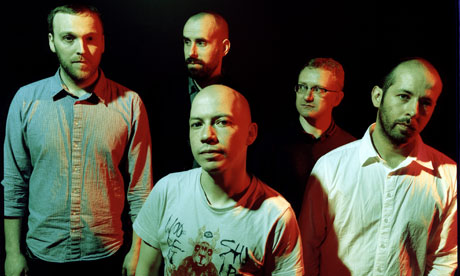
One of the most interesting Rock ‘n’ Roll acts in the UK over the last few years is visiting Madrid for the first time. That would be good enough, but the best thing is that they’re swapping huge arenas for a cozy venue of 300 people called Moby Dick, which by the way, is one of the coolest music venues of the spanish capital.
It’s made out of wood and the acoustic is as good as it can get. And that’s hard to find around here. These marvellous mancunians are presenting their third album called Anna, and they’re about to blow up the venue just with the soundcheck. We’re talking about The Courteeners.
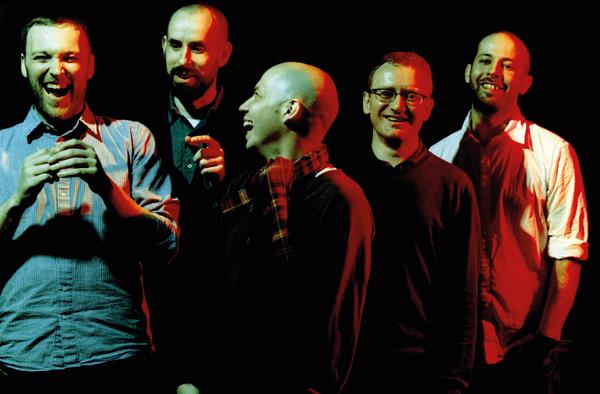
We had a really great chat with Liam Fray (vocals / guitar) and Michael Campbell(drums / vocalist) in a coffee chain nearby and talk about music business, live shows, BBC Radio 1, managers, Pete Doherty or Morrissey.
Not many bands manage to get 3 out of 3 in the Top Ten albums in UK. Is it somehow scary? Do you feel some pressure whenever you’re about to release an album or you just got used?
LIAM FRAY: Honestly, the pressure should have been in the second album, but we didn’t really feel it. We’ve never really felt pressure writing our songs. We put extreme pressure on ourselves trying to be the best we can be. But the pressure from labels, management or whatever, it comes when you’ve done the record and there’s nothing you can do. It’s not by chance it’s about surviving. If you sell 5 copies you won’t survive. You just have to write the songs and hope the people will like it. I think the songs are open and honest.
MICHAEL CAMPBELL: I think about the achievements of what we’ve done with our 3 albums in the UK, with the relative kind of media support that we have. That achievement for us doesn’t bring any pressure or anything else, because we know what we have achieved.
«We’ve built up great expectations of what a band should be.»
You didn’t make a St. Jude 2nd part, with Falcon, and the same happens now with Anna. What do you have in mind for your next record?
LF: Maybe yeah! I think that’s one of the thing’s we’re most proud of. The albums sound very, very different. The common thread is honesty and without sounding self-involved or whatever, it’s quite unusual for a male singer-songwriter to be that open I reckon. I take big influence from Guy Gurvey from Elbow, to a certain degree Pete Doherty is quite an honest songwriter, you know, he has mellow moments. But you know, sometimes the songs can be quite mellow but then sometimes, we’ve got such a good understanding now together musically that we feel we should really, not necessarily experiment, but go in different directions. People that stick by bands rather than sticking by a hit song, they know that we are writing for songs. It’s just what song they take from here on it. The world is our oyster.
How was working with Joe Cross in this album? Is it that important the role of the producer?
LF: I think so. We get to work with Stephen Street and Ed Buller and they’re both incredible. The good thing about Joe was that he is our age, we were more relax around him, in the studio and outside the studio. We were going for meals, a couple of drinks, and he became a real friend. There’s a great understanding between producers and musicians, well, if you can call us musicians. Guys, guys in a band. (laughs).
«People have such short attention spans. You can’t put out the same album year after year after year.»
You got to play with Morrissey and even Lou Reed in his very own club, how is it like to play with such a music icons?? How are them in the short distances?
LF: Just ask them. (laughs) At the time, it just felt like bizarre. They are, contrary to popular belief, quite normal. We’ve built up great expectations of what this band should be. We just tried to enjoy it.
Morrissey himself is incredible. Watching him play every night for like, 70 nights was just amazing.
Did he give you any advice?
LF: No, no he didn’t. We wouldn’t have taken it. He didn’t know anything. What does he know? (laughs). Don’t put that! That’s the kind of thing that they’re asking you for good reason. They wouldn’t ask you if they didn’t think you were good. And that’s good enough for us. If they think we’re great, or think we’re alright, that’s fantastic.
You have a very powerful show, Should a band put more attention to the live shows or is it more important record itself?
LF: If the album is good, it doesn’t really matter. If the album is strong enough the people will buy tickets for the show. If you have a reputation as a live band, let’s say, album 8th is not as good as the first seven, people still come to watch you, because you’re a great band.
«We don’t write songs for the magazines»
How do you think has changed in the band since you’re started playing? What do you think you’ve gain with the time and, what have you lost if there’s anything you miss?
LF: Well we can nearly play our instruments… I don’t know really, probably not a lot. Not much. We are still the same guys, still do the same things, same jokes, still annoy each other just as much as we did 10 years ago. We are definitely a lot more open minded music playing, collectively, as a group. If one person’s got a vision and one person doesn’t want to go there, that can be quite an issue. But we had to come together collectively as a group. They put a lot of trust in me. If you bring something to the table and they’re not keen on it, then where do we go?
People have such short attention spans. You can’t put out the same album year after year after year. Some people do. I don’t want to play that. Bands make a record that sounds just like their last record. There are so many bands that do that, and it sells as well and people buy it. But why are they buying the same record?
How is the mainstream music media in the UK? Are they fair with all what they do?
LF: With twitter and online, there are so many different outlets now. It’s not as important as it was 10 years ago. It can be a great thing and it can really help bands. But we’ve never really taken much notice to one thing. The NME has been really good to us as a magazine. They’re great; they were there at the beginning. It’s great to have a magazine like that support you. But you don’t write songs for the magazines, you write them for yourselves and your fans.
«It comes down to one person in the UK to get on Radio 1. It seems like a crazy system but that’s the way it is.»
Whose advice should a band listen to? The record label, producer, friends, critic, fans, or none of the above?
LF: I think the band and producer are the most important. The friends get to hear the songs first, but to be honest I wouldn’t take their advice. We’ve got a very tight group of friends. But I think we’ve got such a high threshold and quality control that a bad song wouldn’t get past the band and the producer. After that, it’s up to the public really. If it gets on the radio… it comes down to one person in the UK to get on Radio 1, and if he says no that means only a small section of people get to hear your music. It seems like a crazy system when you think about it but that’s the way it is.
What was the last thing you did as a band that you shouldn’t have done?
Probably starting a band! (laughs)
Are you happy?
LF: Yeah, I think so.
MC: We’re in Madrid for the first time and we’re very glad.
LF: I say as a group the happiest we’ve been since we started.




























 R O C K A S T / /
«The world is our oyster» Interview with The Courteeners.
One of the most interesting Rock ‘n’ Roll acts in the UK over the last few years is visiting Madrid for the first time. That would be good enough, but the best thing is that they’re swapping huge arenas for a cozy venue of 300 people called Moby Dick, which by the way, is one of the coolest music venues of the spanish capital.
It’s made out of wood and the acoustic is as good as it can get. And that’s hard to find around here. These marvellous mancunians are presenting their third album called Anna, and they’re about to blow up the venue just with the soundcheck. We’re talking about The Courteeners.
We had a really great chat with Liam Fray (vocals / guitar) and Michael Campbell (drums / vocalist) in a coffee chain nearby and talk about music business, live shows, BBC Radio 1, managers, Pete Doherty or Morrissey.
Not many bands manage to get 3 out of 3 in the Top Ten albums in UK. Is it somehow scary? Do you feel some pressure whenever you’re about to release an album or you just got used?
LIAM FRAY: Honestly, the pressure should have been in the second album, but we didn’t really feel it. We’ve never really felt pressure writing our songs. We put extreme pressure on ourselves trying to be the best we can be. But the pressure from labels, management or whatever, it comes when you’ve done the record and there’s nothing you can do. It’s not by chance it’s about surviving. If you sell 5 copies you won’t survive. You just have to write the songs and hope the people will like it. I think the songs are open and honest.
MICHAEL CAMPBELL: I think about the achievements of what we’ve done with our 3 albums in the UK, with the relative kind of media support that we have. That achievement for us doesn’t bring any pressure or anything else, because we know what we have achieved.
You didn’t make a St. Jude 2nd part, with Falcon, and the same happens now with Anna. What do you have in mind for your next record?
LF: Maybe yeah! I think that’s one of the thing’s we’re most proud of. The albums sound very, very different. The common thread is honesty and without sounding self-involved or whatever, it’s quite unusual for a male singer-songwriter to be that open I reckon. I take big influence from Guy Gurvey from Elbow, to a certain degree Pete Doherty is quite an honest songwriter, you know, he has mellow moments. But you know, sometimes the songs can be quite mellow but then sometimes, we’ve got such a good understanding now together musically that we feel we should really, not necessarily experiment, but go in different directions. People that stick by bands rather than sticking by a hit song, they know that we are writing for songs. It’s just what song they take from here on it. The world is our oyster.
How was working with Joe Cross in this album? Is it that important the role of the producer?
LF: I think so. We get to work with Stephen Street and Ed Buller and they’re both incredible. The good thing about Joe was that he is our age, we were more relax around him, in the studio and outside the studio. We were going for meals, a couple of drinks, and he became a real friend. There’s a great understanding between producers and musicians, well, if you can call us musicians. Guys, guys in a band. (laughs).
You got to play with Morrissey and even Lou Reed in his very own club, how is it like to play with such a music icons?? How are them in the short distances?
LF: Just ask them. (laughs) At the time, it just felt like bizarre. They are, contrary to popular belief, quite normal. We’ve built up great expectations of what this band should be. We just tried to enjoy it.
Morrissey himself is incredible. Watching him play every night for like, 70 nights was just amazing.
Did he give you any advice?
LF: No, no he didn’t. We wouldn’t have taken it. He didn’t know anything. What does he know? (laughs). Don’t put that! That’s the kind of thing that they’re asking you for good reason. They wouldn’t ask you if they didn’t think you were good. And that’s good enough for us. If they think we’re great, or think we’re alright, that’s fantastic.
You have a very powerful show, Should a band put more attention to the live shows or is it more important record itself?
LF: If the album is good, it doesn’t really matter. If the album is strong enough the people will buy tickets for the show. If you have a reputation as a live band, let’s say, album 8th is not as good as the first seven, people still come to watch you, because you’re a great band.
How do you think has changed in the band since you’re started playing? What do you think you’ve gain with the time and, what have you lost if there’s anything you miss?
LF: Well we can nearly play our instruments… I don’t know really, probably not a lot. Not much. We are still the same guys, still do the same things, same jokes, still annoy each other just as much as we did 10 years ago. We are definitely a lot more open minded music playing, collectively, as a group. If one person’s got a vision and one person doesn’t want to go there, that can be quite an issue. But we had to come together collectively as a group. They put a lot of trust in me. If you bring something to the table and they’re not keen on it, then where do we go?
People have such short attention spans. You can’t put out the same album year after year after year. Some people do. I don’t want to play that. Bands make a record that sounds just like their last record. There are so many bands that do that, and it sells as well and people buy it. But why are they buying the same record?
How is the mainstream music media in the UK? Are they fair with all what they do?
LF: With twitter and online, there are so many different outlets now. It’s not as important as it was 10 years ago. It can be a great thing and it can really help bands. But we’ve never really taken much notice to one thing. The NME has been really good to us as a magazine. They’re great; they were there at the beginning. It’s great to have a magazine like that support you. But you don’t write songs for the magazines, you write them for yourselves and your fans.
Whose advice should a band listen to? The record label, producer, friends, critic, fans, or none of the above?
LF: I think the band and producer are the most important. The friends get to hear the songs first, but to be honest I wouldn’t take their advice. We’ve got a very tight group of friends. But I think we’ve got such a high threshold and quality control that a bad song wouldn’t get past the band and the producer. After that, it’s up to the public really. If it gets on the radio… it comes down to one person in the UK to get on Radio 1, and if he says no that means only a small section of people get to hear your music. It seems like a crazy system when you think about it but that’s the way it is.
What was the last thing you did as a band that you shouldn’t have done?
Probably starting a band! (laughs)
Are you happy?
LF: Yeah, I think so.
MC: We’re in Madrid for the first time and we’re very glad.
LF: I say as a group the happiest we’ve been since we started.
DB
Comparte esto:
Deja un comentario
Publicado en british rock, indie, pop, rock
Etiquetado Liam Fray The Courteeners, The Courteeners Anna 2013 Madrid, THe Courteeners best interview, THe Courteeners best quotes, The Courteeners comments, The Courteeners concerts, The Courteeners España, The Courteeners interview 2013, The Courteeners new album, The Courteeners we're the best band