A veces es fácil perderse en el enjambre de artistas emergentes que emergen año tras año. ¿Era mejor la música de antes? Puede ser cuestión de gustos, pero lo cierto es que cada vez tenemos acceso a más música y hay más posibilidades de encontrar gente joven y no tan joven (fuera tópicos) haciendo música interesante. Sigue leyendo →
The Districts is one of the most talented new acts of the year. The inner ability of this extremely young band to move between rock, soul and indie garage make it hard to tag them. Besides, if you add this energy to the powerful voice and lyrics of Rob Grote, the result is a pretty unique rock band. Sigue leyendo →
Se han convertido por derecho propio en una de las revelaciones del año. Su habilidad innata para moverse entre el rock garajero, el soul y el indie, les ha colocado en un terreno dificil de categorizar. Si a esto le sumamos la particular voz de RobGrote y su manera exquisita de componer, el resultado es el sonido característico que reflejan en su primer álbum bajo la tutela de Fat Possum. Un «A Flourish And A Spoil»que supone su presentación oficial después del autoeditado «Telephone» en 2012. Sigue leyendo →
A las puertas del 2015, y con el anuncio en Web Summitde la presencia de Vevo en la realidad virtual que supondrá el desembarco de Oculus el próximo año, no es de extrañar que se cuiden cada vez más los detalles de los videos musicales de los artistas.
Cada año se hace más difícil concretar cuales han sido nuestros discos favoritos. Se hace cada vez más y más música a pesar de las innumerables crisis del sector. Y el talento cada año parece crecer en pos de la creatividad y la búsqueda de ese elemento diferenciador que haga al artista sobresalir del resto.
Se nos quedan fuera montones de grandes artistas, muchos de ellos emergentes, que pueden disfrutar en la lista de singles y en las entradas que vamos publicando con más o menos frecuencia.
Estos han sido los 40 discos favoritos de ROCKAST de 2014. Y aquí la lista completa vía Spotify.
20 horas de música y más de 300 canciones con los mejores artistas emergentes de 2014, junto a la mejor nueva música que se está haciendo en la actualidad.
Todo al alcance de un click. Que no se lo cuenten.
The list of artists is pretty impressive. Dum Dum Girls, DIIV, Mac DeMarco, Beach Fossils, Wild Nothing, Holograms, Minks, or PerfectPussy among others have something in common. They were all discovered and raised by Captured Tracks, the same independent label that has just signed Mourn, one of Barcelona’s newest young talents. Founded in 2008 by Mike Sniper, they shared offices with Mexican Summer and Academy Records before settling in Brooklyn and making themselves a name being a world reference for emerging bands.
It is a pleasure to inaugurate a new section in Rockast of the less known side of the music industry, with its owner Mike Sniper. With nearly 200 releases since 2008, they have very clear ideas, and their expansion has become a reality this year with the creation of Omnian Music Group, which includes companies like Body Double, Fantasy Memory, New Zealand’s Flying Nun, Seattle’s Couple Skate, or NY’s Thing Squirrel.
Mike knows what he’s talking about, and he gives his opinion in an interesting conversation about the industry problems, the big labels, internet or the future plans for the Captured Tracks family.
Mike, what would you think it must be the philosophy of a record label?
I always liked Daniel Miller‘s quote about Mute, that it’s firstly about finding artists you and your staff are passionate about and then working together to get it as far as you can. In 2014, I still agree with that, but I think there needs to be more of a commitment these days. Anyone can start a «label» with a bandcamp and do 100 releases a year. There needs to be a focal aspect to A&R and seeing projects through to their completion.
Is the fact of taking risks a main point for a record label? In the sense of signing artists that are yet to be discovered like you do?
Absolutely. And that refers back to the above question, really. You need to be willing to commit 100% to the project. Even our smaller first record bands is a very large financial and time consumer for us, so you need to think long term. You know, a marathon, not a 100m dash.
«Internet is probably making a very jaded audience»
What it is necessary in this decade or in these days in order to make a record label work? Why do the big labels complain so much?
Big labels don’t understand the market. They’re entertainment conglomerates more than labels and they’re using the same marketing ploys that worked 10 years ago today and it’s not working. To add to that, their new ideas are bad. They’re not A&R companies. There’s no David Geffen finding Joni Mitchell or Ahmet Ertegun and Jac Holtzman with The Doors… those kinds of people aren’t in the major labels in the A&R perspective.
Is the internet culture of “Now and Here” making it difficult to release reissues like you’re doing? Or do you think that’s a different part of the market for another type of consumer?
Completely different market. Reissues are a physical market, 100%.
«Big labels have given up on selling music. They’re all about branding a character or persona»
What’s your opinion about the internet and the massive information we have each day? Is it positive or the music and their professionals? Who is the most affected?
It’s a lot of noise to sift through. You need to curate. If you add to that noise you’re just over saturating. I think it’s positive for musicians in that the indie audience is around to hear you and it’s not like the 90’s where you need a huge college radio and print campaign to even get your music into stores. From the listener standpoint it’s great. For quality of music, it’s pretty bad. For the same reason. You don’t need to financially commit to creating an LP so you can release willy-nilly with no rhyme or reason. It’s a lot to sift through without a buyer’s commitment to give a release a real chance. If you spend $10-$15 on a record, you’re going to listen to it a few times at least before trading it. But now, people can just sift through the miasma for free, so if you don’t like something the first time, you’ll likely not return to it. About half of my favorite artists I didn’t like at first, but I paid my money to hear it so I kept listening.
Is the internet dehumanising the way we consume music or are we getting scared or too negative as it’s a market which is relatively new?
I don’t think it’s dehumanizing. I think it’s abject to natural taste forming. For example, I used to hit the $1.00 bin cassette cutout bin at my neighborhood record store all the time. That’s how I heard my first Wire, Gang of Four, The Wipers, all that great stuff. I heard of these bands but never HEARD them. The excitement of finding it and putting it in my car stereo on the way home was a real experience. The fact that everything is at the touch of a button and a whole catalog of an artist can be consumed in a day and then it’s «move on» to the next thing is probably making a very jaded audience. Those were revelations to me and now it’s very ho-hum.
Should we change the typical question about “Digital or Analog”, as it seems more obvious that today is a matter of balance?
I don’t think the means of listening matters, it’s just personal preference. I think the real difference is the passive music experience vs. the whole idea of choosing an LP, CD or tape, maybe having a drink and sitting down and listening to it. I think most music is now consumed in a collapsed YouTube video or randomized Spotify.
According to Billboard, there are no platinum albums from 2014 yet. Is it just statistics or should we think about what this means?
It’s just streaming. Artists who would be platinum are on labels who have given up on actually selling music, they’re all about branding a character or persona. You buy into the image and lifestyle of Nikki Minaj. You stream it, you read about whatever she’s doing in the dailies. I don’t think there’s a clamoring of people waiting to get an LP.
«Indie culture is like Normcore fashion translated into music»
There’s a lot of talk now in Spain about the indie concept, the hipster culture and why it is cool or uncool. Do you think when we talk about “indie” and “mainstream”, they’re words that are becoming outdated as sometimes it get more difficult to make a difference about them?
There’s a conscious effort on «indie» bands to become mainstream these days. More overt than in the 80’s or 90’s where you had crossover bands likeR.E.M. or Nirvana or Smashing Pumpkins. There’s no idea of toppling what mainstream music is like there was at the time of those acts. «Indie» culture embraces mainstream music in a detrimental way to me. If you read about most top-tier indie artists they are jumping over the moon to collaborate and be accepted by Beyonce, Rihanna, etc. It’s like Normcore fashion translated into music. Indie music is like a «lesser» mainstream if that’s the case, which is stupid. It should be what it’s always been, a smaller niche catering to other tastes, and within that you’ll have breakthrough artists and new ideas.
I actually want indie artists to be contrived and even pretentious. Those words are considered evil but I think it would be refreshing for someone to cultivate an idea from a lot of laborious thought (Contrived) while trying to be something more than they are (Pretentious).
C/T bands sounds very fresh and very different, but is there a style that you’re sure you wouldn’t release?
No! I listen to a ton of jazz, metal, samba, hip hop… I’d never release anything we couldn’t service really well but I would sign any band I really liked.
Here in Spain we have some bands that are doing good lately, like Deers, Mourn, El Último Vecino or even Ataque de Caspa, is there something from down here you’d like for C/T?
Watch Pitchfork tomorrow in response to newer bands, you’ll be pleasantly surprised? I love Ataque Du Caspa, but they’re an 80’s band, no?
You have released some of the most interesting bands in the last few years, but do you have a favourite or the best is always yet to come?
I can’t really pick roster favorites.
Would it change something for C/T if a massive anthem came out of one of your bands? (I personally think you’ve got at least some bands that are there, and think about Diiv, Beach Fossils, Wild Nothing…)
Yeah, we do have our «anthems.» I think «How Long Have You Known» by DIIV, «Daydream» by Beach Fossils, «Ode to Viceroy» by Mac DeMarco, «Summer Holiday» by Wild Nothing are anthems in their own worlds. I don’t know if there are really anthems in indie these days?
What’s the best and worst part of managing C/T?
The answer to both: working with artists. No one is always happy!
What are your expectations of Omnian at this point?
We just want to work with more people and expand the types of music we service while growing at a rate that no project feels left behind. We want to be a holistic company that isn’t a hinderance to growth but isn’t lacking what an artist needs to grow to the next step.
Any short/long term plans that you have in mind at this point?
We’re starting a whole slough of projects for 2015. It’s going to be a massive year for us. I’m preparing myself for the insanity…
La lista de artistas es envidiable. Dum Dum Girls, DIIV, Mac DeMarco, Beach Fossils, Wild Nothing, Holograms, Minks, Perfect Pussy o Axxa/Abraxasentre otros tienen algo en común. Todos fueron descubiertos y aupados por Captured Tracks, la misma discográfica independiente que acaba de fichar a las jovencísimos Mourn de Barcelona. Fundada en 2008 por Mike Sniper, empezaron compartiendo oficina con Academy Records o MexicanSummer, para terminar asentándose en Brooklyn y ser una referencia mundial en el lanzamiento de jóvenes promesas.
Es un placer inaugurar una nueva sección dedicada al lado musical de la industria que menos se ve, con su dueño y fundador Mike Sniper. Con casi 200 lanzamientos desde su inauguración, tienen las ideas muy claras, y la expansión de Captured Tracks se ha hecho visible este año con la creación de Omnian Music Group, que engloba a compañías como Body Double, Fantasy Memory, la neozelandesa Flying Nun, Couple Skate de Seattle o Squirrel Thing de NY.
Mike habla con conocimiento de causa, y se moja en los problemas de la industria, las carencias de las grandes compañías, internet o los proyectos de la gran familia de Captured Tracks.
Mike, ¿Cuál crees que es debe ser la filosofía de una discográfica?
Siempre me ha gustado la frase de Daniel Miller sobre Mute, que dice que primeramente tiene que consistir en encontrar artistas que a ti y a tu staff les apasione, y luego trabajar todos juntos para llegar tan lejos como puedas. En 2014, todavía estoy de acuerdo con eso, pero creo que tiene que haber más compromiso en estos tiempos. Cualquiera puede empezar una discográfica con un Bandcamp y sacar 100 lanzamientos al año. Es necesario que se focalice en el A&R (Artist & Repertoire) y seguir los proyectos hasta su terminación.
El hecho de tomar riesgos, ¿Resulta primordial para la discográfica? En el sentido de firmar artistas que no han sido descubiertos aún, como es vuestro caso.
Absolutamente. Y eso vuelve a la cuestión anterior. Necesitas estar dispuesto a comprometerte al 100% en el proyecto. Incluso los primeros discos de nuestras bandas más pequeñas suponen una financiación y una dedicación de tiempo muy grandes, así que necesitas pensar a largo plazo. ¿Sabes? Esto es una maratón, no los 100 metros lisos.
«Internet está creando un público muy hastiado»
¿Qué es necesario en esta década, en los tiempos actuales, para hacer que una compañía funcione? ¿Por qué se quejan tanto las grandes compañías?
Las grandes compañías no entienden el mercado. Son conglomerados de entretenimiento, más que discográficas. Están utilizando las mismas tácticas de marketing que hace diez años y no funciona. Y algo más que añadir, sus nuevas ideas son malas. No son compañías con A&R. No existe un David Geffen que encuentre a Joni Mitchell o Ahmet Ertegun y Jac Holtzman con los Doors. Este clase de personas ya no se encuentran en las grandes discográficas desde una perspectiva del A&R.
La cultura del “aquí y ahora” de internet ¿Dificulta de alguna manera los re-lanzamientos que también hacéis? ¿O es un sector diferente? Es un mercado completamente diferente. Los re-lanzamientos son un mercado físico 100%.
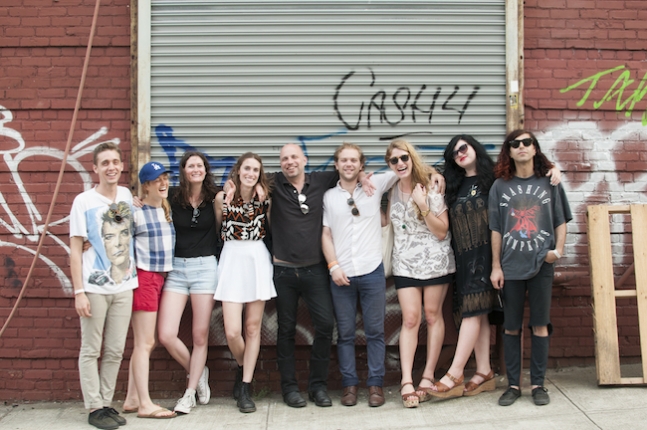
Captured Tracks team
«Las compañías ahora quieren hacer marcas de las personas»
¿Qué opinión tienes de internet y el tópico de la sobre-información a la que estamos expuestos? ¿Es positivo para la música y los profesionales? ¿Quién es el más afectado?
Hay mucho ruido para poder hacer una criba. Necesitas seleccionar. Si te unes al ruido terminas sobre-saturado. Creo que es positivo para los músicos que el público indie este ahí para escucharte, y que no sea como en los 90, cuando necesitabas una radio universitaria al completo y una campaña impresa para poder llevar tu música a las tiendas. Desde el punto de vista del oyente es genial. Para la calidad de la música, es muy malo. Por la misma razón. No tienes que comprometerte económicamente para crear un LP, así que puedes lanzarlo de cualquier manera, sin ton ni son. Hay mucho que filtrar y no puedes contar con que el oyente se comprometa a dar una verdadera oportunidad al disco. Si te gastas 10-15$ en un disco, lo vas a escuchar al menos unas cuantas veces antes de ponerlo a un lado. Pero ahora, la gente puede hacer una criba del miasma gratis, de manera que si algo no te gusta la primera vez, seguramente no vayas a volver a escucharlo. Como la mitad de mis artistas favoritos, no me gustaron al principio, pero pagué dinero para escucharlos, así que sigues escuchándolos.
¿Internet está deshumanizando la manera de consumir música, o tenemos miedo, o somos muy negativos al ser un mercado relativamente nuevo?
No creo que lo esté deshumanizando. Es algo que desgraciadamente sucede de forma natural. Por ejemplo, yo solía ir siempre al cesto de los cassettes a 1 dólar en la tienda de discos de mi barrio. Así es como escuché por primera vez a Wire, Gang Of Four,The Wipers y muchas cosas geniales. Había oído de estas bandas pero nunca los había escuchado realmente. La emoción de encontrarlo y ponerlo en el coche mientras vuelves a casa era una experiencia real. El hecho de que todo esté al alcance de un botón, y que todo el catálogo de un artista pueda ser consumido en un día y luego sea solo cuestión de pasarnos a lo que haya después, probablemente esté creando un público muy hastiado. Aquello fueron revelaciones para mi, y ahora es todo muy “psche…”
¿Deberíamos cambiar la típica pregunta de “Analógico o Digital”, ahora que parece más obvio que hoy en día es una cuestión de balances?
No creo que los medios de escucha importen, creo que es solamente una cuestión de preferencia personal. Creo que la diferencia real está en la experiencia de la música pasiva contra toda la idea de elegir un LP, CD o cassette, quizás tomarte algo para beber, sentarte tranquilamente y escucharlo. Pienso que la mayoría de la música ahora se consume en un vídeo colapsado de YouTube o en el modo aleatorio de Spotify.
Según Billboard, aún no hay discos de platino en los casi once meses que llevamos de 2014. ¿Pura estadística o deberíamos pensar en lo que significa?
Es solo streaming. Los artistas que deberían ser platino están en compañías que se han dado por vencidos a la hora de vender música. Ahora quieren hacer de una persona una marca. Compras la imagen y el estilo de vida de Nikki Minaj. Lo escuchas por streaming, y lees en los diarios sobre lo que quiera que esté haciendo. No creo que haya un clamor de gente esperando para conseguir un disco.
«El indie actual es como la moda Normcore traducida a música»
Se habla mucho ahora en España sobre el concepto indie, la cultura hipster y porqué es lo más o deja de serlo. ¿Crees que cuando hablamos de conceptos como “indie” y “mainstream”, son palabras que se están quedando obsoletas, al ver que cada vez es más difícil diferenciarlas?
Hay un esfuerzo consciente en bandas “indie” por llegar a ser mainstream ahora mismo. Mucho más que en los 80 o 90, donde tenías bandas que mezclaban estilos como R.E.M., Nirvana o Smashing Pumpkins. No hay una idea de derrocar la música mainstream, como sucedía en la época de estas bandas. Para mi la cultura “indie” abraza la música mainstream de una manera dañina. Si lees sobre los artistas indies más destacados, se desviven por colaborar y ser aceptados por Beyonce, Rihanna, etc… Es como la moda Normcore traducida en música. La música “indie” es como mainstream con menos trascendencia si es el caso, lo que es estúpido. Debería ser lo que siempre ha sido, un pequeño nicho que cubra todos los gustos, y con eso tendrás artistas rompedores y nuevas ideas. Yo de hecho quiero artistas indies que sean ingeniosos e incluso pretenciosos. Esas palabra se consideran nocivas pero pienso que sería algo innovador para alguien el cultivar una idea desde muchos pensamientos laboriosos (ingenio) mientras intentan ser algo más de lo que son (pretencioso).
Las bandas de C/T suenan muy frescas y diferentes, pero ¿Hay algún estilo del que estés seguro que no lanzarías nada? No! Escucho toneladas de jazz, metal, samba, hip/hop… Nunca lanzaría nada que no pudiéramos apoyarlo realmente bien, pero firmaría cualquier banda que de verdad me gustase.
Aquí en España hay algunas bandas que están haciendo mucha música interesante últimamente, como Deers, Mourn o El Último Vecino. ¿Hay algo que te gustaría para Captured?
Estate atento a Pitchfork mañana en respuesta a nuevas bandas, creo que vas a estar agradablemente sorprendido. (NOTA: A las pocas horas nos confirman la contratación de Mourn)
Habéis lanzado algunas de las bandas más interesantes en estos últimos años. ¿Tienes alguna favorita o lo mejor siempre está por llegar?
La verdad es que no puedo hacer un listado de los favoritos.
¿Cambiaría algo para Captured si surgiera un himno masivo desde alguna de vuestras bandas? Personalmente pienso que hay bandas que están ya ahí, como DIIV, Beach Fossils o Wild Nothing.
Sí, nosotros tenemos nuestros “himnos”. Pienso que “How Long Have You Known” de DIIV, “Daydream” de Beach Fossils, “Ode To Victory” de Mac Demarco o “Summer Holiday” de Wild Nothing son himnos en sus propios mundos. No sé si existen himnos realmente en el indie en estos tiempos.
¿La mejor y peor parte de trabajar para C/T?
La respuesta para ambas: trabajar con artistas. Nunca nadie está siempre feliz.
¿Cuales son tus expectativas con Omnian en este momento?
Queremos trabajar con más gente y expandir los tipos de música que ofrecemos mientras crecemos a un nivel en el que ningún proyecto se quede atrás. Queremos ser una compañía holística que no sea un impedimento para crecer, que no carezca de lo que un artista necesita para crecer y alcanzar el siguiente nivel.
¿Planes a corto/largo plazo que tengas en mente en estos momentos?
Estamos empezando a meternos de lleno en un montón de proyectos para 2015. Va a ser un año enorme para nosotros. Me estoy preparando para la demencia… David Bernardo @rockasting
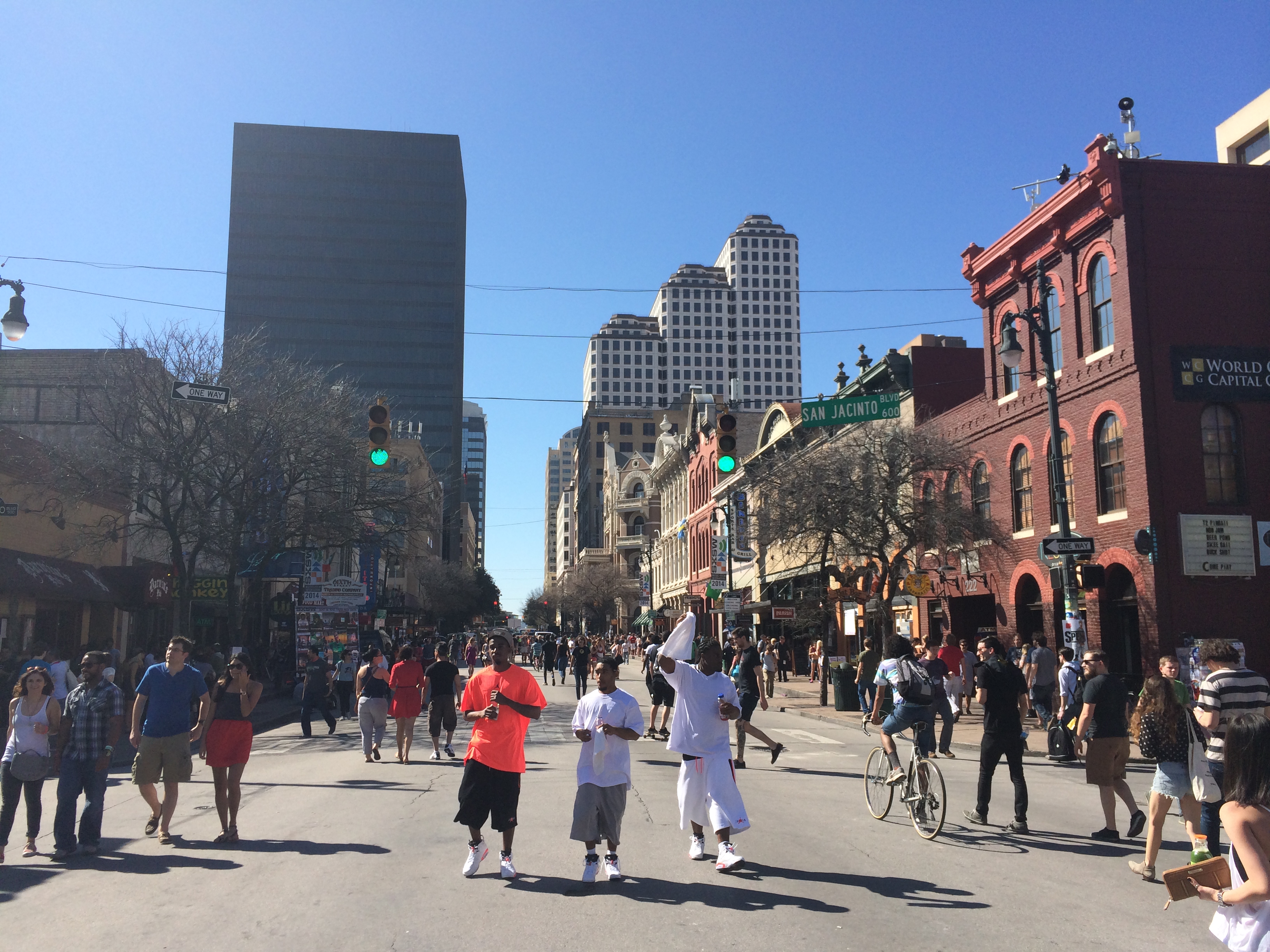
Las alarmas no han tardado en saltar. Tras un reporte de la agencia Populous, que cuenta entre sus clientes con la Fifa, la SuperBowl o el Comité Olímpico Internacional, todos el entorno que rodea el legendario festival hace un análisis de los problemas más llamativos del festival.
El reporte viene a raíz del horrible siniestro del pasado año, cuando un individuo atropelló mortalmente a dos personas y dejó 24 heridos. La organización del festival, que siempre se ha tomado muy en serio el feedback que recibe de artistas, asistentes y lugareños, ha decidido replantearse su modus operandi antes de que sea demasiado tarde. Para ello, ha encargado a una prestigiosa agencia que contemple todas las variables presentes y futuras para la viabilidad del macro evento más importante de Austin.
Esto es lo que sugiere Populous y que está empezando a levantar ampollas:
“Si SXSW no puede mantener el éxito y el crecimiento en el futuro, como cualquier negocio, eventualmente tendrán que tomar decisiones acerca de si pueden o no seguir existiendo en su formato y ubicación actual. Es muy posible que SXSW no tenga otra opción que trasladar los conceptos de oferta su evento a otras ciudades para sostener su modelo de negocio. Esto sería un asunto muy serio para todas las partes teniendo en cuenta el significativo impacto financiero significativo y el retorno que SXSW ofrece a la comunidad, así como la contribución a la marca y el Valor de la Ciudad (PR)”
Aunque los mismos fundadores, de la voz de Roland Swenson han afirmado que no contemplan el traslado de SXSW fuera de Austin, la reflexión en torno al tema cobra mucho sentido.
El plan de seguridad incluye cacheos en las entradas de 6th Street, y otorgar a la organización un mayor control sobre las zonas comunes de la ciudad y los actos no oficiales. También contempla la creación de una denominada “Zona Limpia” que si bien no se ha especificado en que consistiría con exactitud, sería parecido a lo que acontece en eventos como la Super Bowl, quedando bloqueados todos los actos ajenos a la organización de SXSW en un amplio radio de acción. En términos cuantitativos, imaginen la desaparición de los míticos eventos de Hype Hotel, Fader o la práctica totalidad de los eventos de Rainey Street.
El informe, objetivo aparentemente, apuesta por mantener la “equidad de los esponsors”, viendo injusto que algunas marcas paguen cantidades astronómicas por patrocinar grandes eventos, veáse Doritos con Lady Gaga, por ejemplo, mientras otras puedan obtener buenos ingresos patrocinando pequeños eventos en establecimientos de menor capacidad, véase Spotify House, o Dr Martens en el Bar 96 de la mencionada Rainey Street.
La pelota está en el tejado de la propia organización. Empeñada históricamente en hacer un festival lo más organizado posible, escuchando a todas las partes y haciendo crítica constructiva de cada edición, ha llegado el momento en que deben decidir si restringen los eventos no oficiales, con el beneplácito de los mandatarios de la ciudad, o si consideran alejarse a una zona cerrada y acotada al estilo clásico de cualquier festival. En el primer caso, dar portazo a los actos no oficiales supondría mermar drásticamente el espíritu de SXSW. Pero en el segundo caso también, ya que SXSW es la calle, sus gentes, el bullicio y el hecho de que cada rincón de la ciudad tenga una banda tocando a cualquier hora del día y de la noche.
El corporativismo que mece la cuna de SXSW parece estar moviendo sus hilos para no encontrarse con competencia desleal. Por el momento las advertencias y sugerencias vienen en forma de distinguidos reportes, pero ya se ha abierto el debate en Texas y los cambios pueden tener consecuencias ya en la próxima edición.
SXSW se pregunta qué quiere ser viendo en que se ha convertido. Difícil lograr un consenso que deje satisfecho a todas las partes.
La historia dará que hablar.
I should have been at the door of the press area a while ago, but overconfidence made me think that the slender white tents of the entrance acted as «press lounge.» With my interview notebook in one hand and an ocasional beer in the other, I got to the new press area of Primavera Sound, which is located at the back of the Sony stage, just at the beginning of the now called «mordor zone» of the festival.
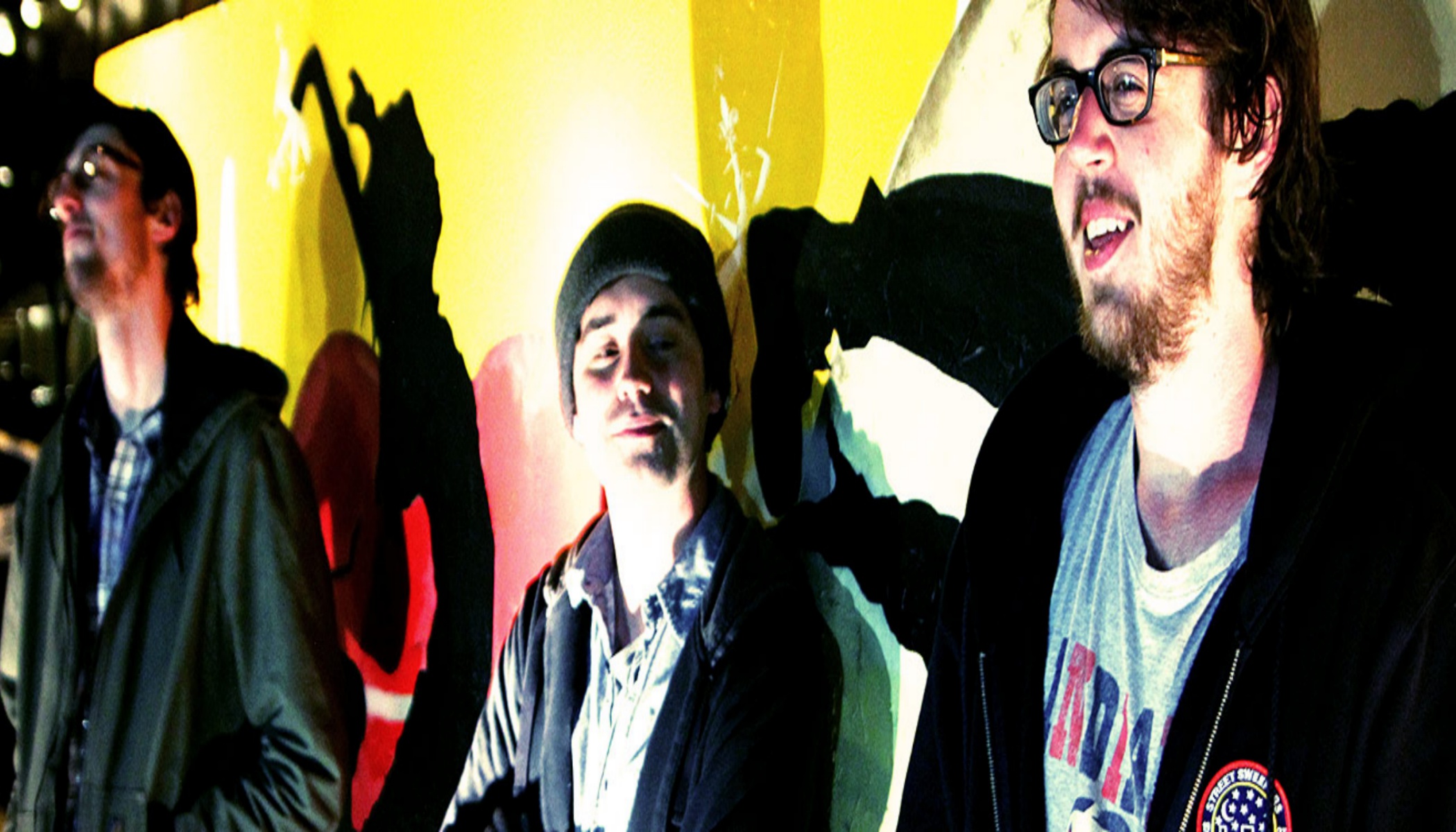
On the other side, talking with his bandmates, is Dylan Baldi, the leader of Cloud Nothings (Cleveland, Ohio). He has been doing dizzying and addictive rock for 6 years and has earned the respect of audiences and critics alike. I didn´t have the press credentials with me so the interview is going to have a second drawback. Luckily there are always artists whose promo is not as heavy as another, and they´re happy to be interviewed between the wave of comings and goings of thousands of attendees who want to see the Spoon concert. Nevertheless, Cloud Nothings aren´t going to enter the big leagues in the short term, so for now their faces, but not their music, go unnoticed in Spain.
.
Baldi is a sincere guy who answers bluntly and makes his point pretty clear. Prolific as ever, and leading the way for his band, he is in great form with Here And Nowhere Else ([PIAS] 2014), where the band gets great compliments wherever they go.
.
..
Are you still living in Paris? What was the reason you moved from Cleveland to Paris? How was the change?
Yeah, I went to live in Paris because I met a french girl , so now I’m living here. (laughs)
.
You’ve been playing lots of shows since the release of “Here And Nowhere Else”.How is the tour going on?
It’s going great, actually. Every show is really fun. There hasn’t been not even one to say, “oh that really sucks” so it’s great.
It’s been just a year and a half since the release of your last album, How did you approach this new album this time?
.
Well, the same way I did with the last one actually. I just sort of, sat down for a month, and make a bunch of songs that I like. I try not to think about what other people say about the records or the music. I just do stuff that I like, and that’s the way that I’m good, I think.
«I think it sounds good as a three piece. And is nice because no-one can hide behind anything else.»
On “Attack On Memory” you worked with Steve Albini whereas on this record it’s been another big name like John Congleton with the production. Why did you choose John Congleton? What’s the difference between them?
We had a manager actually at that time that just suggested John Congleton. It was ok, working with him it was actually very similar to working with Steve. They were both very hands off, never really told us what to do, they just sort of, let us play the songs and record them really well. So it’s always a very easy process for us.
As you’re very prolific, I guess we may get a new record at some point in the next 2 years. Do you have any producer in mind for that record?
I don’t know yet. But I wanna do one next year. For sure. I don’t know anything about it yet (laughs)
Or have you ever think about produce the album yourself?
I kind of did that it in the beginning, but it sounds silly, and I don’t know what I’m doing, so it’s way easier to have a professional guy to make it for you.
It’s said that a band really proves themselves with the live sound, is that why you put a lot of effort to sound in the record as close as you sound live?
Yeah, I like records that just sounds like a live band. I don’t like when I listen to a record, and I go to see the band and sounds totally different. I want the record to sound like the show. That’s why we do it that way. We just record live.
«I haven’t seen many bands that sound like us.»
Joe Boyer is not in the band anymore, and there’s still no replacement for him. Will you go on as a three-piece band?
For now yeah, I think it sounds good as a 3 piece. And is nice because everybody has to like, work (laughs) you know, no-one can hide behind anything else. That’s very good. It’s nice to be a 3 piece band.
Does it change something for the band or the music?
It definitely does. It makes it a little bit heavier and more powerful actually, to just have just like really intense basic things going on when every things connected, rather than fancy playing (laughs)
Cloud Nothings lyrics are very self-related, do you feel like the music is the best way for you to talk about yourself or the things that kind of happened to you?
Every record is just like a little picture of what I’m thinking, and where I’m at when I’ve made the record, so it’s very much the only way that I talk about myself actually.
But are you still writing the lyrics to the music in a last minute basis?
I am. Because is the only way I think I can get something that feels like honest and real, I guess. If I sat down and talk for a long time, it would not be good. So it’s a good way to make sure everything is as direct as I can make it.
Again 8 songs in the album. any reason in particular why 8 songs and not more nor less? Is there a perfect amount of tracks or time for an album?
I think so. 8 songs, 30 minutes. If you can’t get your point across you should maybe re-think what you’re doing.
What is it with your videoclips? You take them very seriously as you’re probably one of the bands with the best videos around.
Actually, we have a friend, Ryan Manning who is a crazy video guy, so every time we’re like, Ran, do whatever you want. And he does something amazing every time. We just trust him, and it’s pretty cool.
«Every record is just like a little picture of what I’m thinking, and where I’m at when I’ve made the record»
Have you ever seen or heard a band that you’ve liked it so much that to say “I want to sound like them”or I want to make this thing the way they’re doing it”?
Yeah definitely, there’s a lot of bands that I just rip off, (laughs). I like a band called The Wipers, an old punk band, they are my favourites. Life Without Buildings as well, I heard their records and I was like “oh, I have to do that”.
What would you think is the secret behind the success of Cloud Nothing?
I think a big part is that we just do whatever we think sounds fun, or cool to do at the moment. Like we don’t worry about image or other people. We don’t worry about doing things that we like and enjoy and it comes across in the music
How do you find the music scene nowadays? Do you feel like lots of bands are doing a very similar music? Do you miss the guitar music in the new bands?
I haven’t seen many bands that sound like us. But I mostly see bands that listen the same records that I do. And that’s pretty cool. They use them in a different way, like the bands sounds different, but it’s fun to see a band and think “oh, I might be friends with them, cos we like the same stuff.”
Does the fact of living in Paris gave you the change to discover some european or french bands that you like? La Femme?
Kind of. I like a lot of european music, mostly jazz or even noise music. But in Paris I mostly sit down to the guitar.































 R O C K A S T / /