Cada año se hace más difícil concretar cuales han sido nuestros discos favoritos. Se hace cada vez más y más música a pesar de las innumerables crisis del sector. Y el talento cada año parece crecer en pos de la creatividad y la búsqueda de ese elemento diferenciador que haga al artista sobresalir del resto.
Se nos quedan fuera montones de grandes artistas, muchos de ellos emergentes, que pueden disfrutar en la lista de singles y en las entradas que vamos publicando con más o menos frecuencia.
Estos han sido los 40 discos favoritos de ROCKAST de 2014. Y aquí la lista completa vía Spotify.
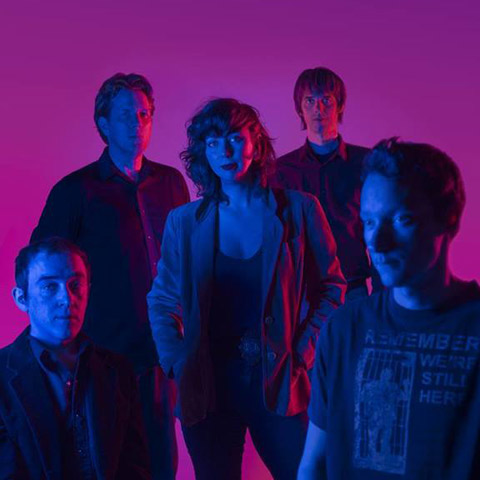
A classic band from the Baltimore music scene. They’ve been around for more than 10 years, releasing four albums in very different situations. There was a time when they had their ups and downs with 4AD,but that’s a thing of the past. Celebration is composed of singer Katrina Ford and her husband and multi-instrumentalist, Sean Antanaitis, along with drummer David Bergander, Tony Drummond and Walker Teret.
His career hasn’t been a bed of roses. After leaving 4AD they released an album themselves, “Hello Paradise” in 2010, and now they’re back with “Albumin”, released in Bella Union. Their style is quite unique, and has been described as cabaret-punk-rock. Joining Future Islands in the European tour, we got the chance to talk to them before their show in Madrid. Sigue leyendo →
Llevan más de 10 años en el negocio, pero su nombre se hace querer. Desde Baltimore, Celebration han lanzado ya cuatro discos y han tenido sus idas y venidas con una de las discográficas independientes de más renombre como es 4AD. La banda está formada por Katrina Ford, su marido y multi-instrumentista Sean Antanaitis, y el batería David Bergander. A ellos les acompañan Tony Drummond y Walker Teret.
En el tercer y último día de Web Summit estaban concentradas las conferencias con algunos representantes del sector de la industria musical. Concretamente en una carpa especial preparada para la ocasión y que se asemejaba a un circo de siglos pasados. Allí empezaron a desfilar diferentes representantes con temas variados y opiniones más que interesantes.
The list of artists is pretty impressive. Dum Dum Girls, DIIV, Mac DeMarco, Beach Fossils, Wild Nothing, Holograms, Minks, or PerfectPussy among others have something in common. They were all discovered and raised by Captured Tracks, the same independent label that has just signed Mourn, one of Barcelona’s newest young talents. Founded in 2008 by Mike Sniper, they shared offices with Mexican Summer and Academy Records before settling in Brooklyn and making themselves a name being a world reference for emerging bands.
It is a pleasure to inaugurate a new section in Rockast of the less known side of the music industry, with its owner Mike Sniper. With nearly 200 releases since 2008, they have very clear ideas, and their expansion has become a reality this year with the creation of Omnian Music Group, which includes companies like Body Double, Fantasy Memory, New Zealand’s Flying Nun, Seattle’s Couple Skate, or NY’s Thing Squirrel.
Mike knows what he’s talking about, and he gives his opinion in an interesting conversation about the industry problems, the big labels, internet or the future plans for the Captured Tracks family.
Mike, what would you think it must be the philosophy of a record label?
I always liked Daniel Miller‘s quote about Mute, that it’s firstly about finding artists you and your staff are passionate about and then working together to get it as far as you can. In 2014, I still agree with that, but I think there needs to be more of a commitment these days. Anyone can start a «label» with a bandcamp and do 100 releases a year. There needs to be a focal aspect to A&R and seeing projects through to their completion.
Is the fact of taking risks a main point for a record label? In the sense of signing artists that are yet to be discovered like you do?
Absolutely. And that refers back to the above question, really. You need to be willing to commit 100% to the project. Even our smaller first record bands is a very large financial and time consumer for us, so you need to think long term. You know, a marathon, not a 100m dash.
«Internet is probably making a very jaded audience»
What it is necessary in this decade or in these days in order to make a record label work? Why do the big labels complain so much?
Big labels don’t understand the market. They’re entertainment conglomerates more than labels and they’re using the same marketing ploys that worked 10 years ago today and it’s not working. To add to that, their new ideas are bad. They’re not A&R companies. There’s no David Geffen finding Joni Mitchell or Ahmet Ertegun and Jac Holtzman with The Doors… those kinds of people aren’t in the major labels in the A&R perspective.
Is the internet culture of “Now and Here” making it difficult to release reissues like you’re doing? Or do you think that’s a different part of the market for another type of consumer?
Completely different market. Reissues are a physical market, 100%.
«Big labels have given up on selling music. They’re all about branding a character or persona»
What’s your opinion about the internet and the massive information we have each day? Is it positive or the music and their professionals? Who is the most affected?
It’s a lot of noise to sift through. You need to curate. If you add to that noise you’re just over saturating. I think it’s positive for musicians in that the indie audience is around to hear you and it’s not like the 90’s where you need a huge college radio and print campaign to even get your music into stores. From the listener standpoint it’s great. For quality of music, it’s pretty bad. For the same reason. You don’t need to financially commit to creating an LP so you can release willy-nilly with no rhyme or reason. It’s a lot to sift through without a buyer’s commitment to give a release a real chance. If you spend $10-$15 on a record, you’re going to listen to it a few times at least before trading it. But now, people can just sift through the miasma for free, so if you don’t like something the first time, you’ll likely not return to it. About half of my favorite artists I didn’t like at first, but I paid my money to hear it so I kept listening.
Is the internet dehumanising the way we consume music or are we getting scared or too negative as it’s a market which is relatively new?
I don’t think it’s dehumanizing. I think it’s abject to natural taste forming. For example, I used to hit the $1.00 bin cassette cutout bin at my neighborhood record store all the time. That’s how I heard my first Wire, Gang of Four, The Wipers, all that great stuff. I heard of these bands but never HEARD them. The excitement of finding it and putting it in my car stereo on the way home was a real experience. The fact that everything is at the touch of a button and a whole catalog of an artist can be consumed in a day and then it’s «move on» to the next thing is probably making a very jaded audience. Those were revelations to me and now it’s very ho-hum.
Should we change the typical question about “Digital or Analog”, as it seems more obvious that today is a matter of balance?
I don’t think the means of listening matters, it’s just personal preference. I think the real difference is the passive music experience vs. the whole idea of choosing an LP, CD or tape, maybe having a drink and sitting down and listening to it. I think most music is now consumed in a collapsed YouTube video or randomized Spotify.
According to Billboard, there are no platinum albums from 2014 yet. Is it just statistics or should we think about what this means?
It’s just streaming. Artists who would be platinum are on labels who have given up on actually selling music, they’re all about branding a character or persona. You buy into the image and lifestyle of Nikki Minaj. You stream it, you read about whatever she’s doing in the dailies. I don’t think there’s a clamoring of people waiting to get an LP.
«Indie culture is like Normcore fashion translated into music»
There’s a lot of talk now in Spain about the indie concept, the hipster culture and why it is cool or uncool. Do you think when we talk about “indie” and “mainstream”, they’re words that are becoming outdated as sometimes it get more difficult to make a difference about them?
There’s a conscious effort on «indie» bands to become mainstream these days. More overt than in the 80’s or 90’s where you had crossover bands likeR.E.M. or Nirvana or Smashing Pumpkins. There’s no idea of toppling what mainstream music is like there was at the time of those acts. «Indie» culture embraces mainstream music in a detrimental way to me. If you read about most top-tier indie artists they are jumping over the moon to collaborate and be accepted by Beyonce, Rihanna, etc. It’s like Normcore fashion translated into music. Indie music is like a «lesser» mainstream if that’s the case, which is stupid. It should be what it’s always been, a smaller niche catering to other tastes, and within that you’ll have breakthrough artists and new ideas.
I actually want indie artists to be contrived and even pretentious. Those words are considered evil but I think it would be refreshing for someone to cultivate an idea from a lot of laborious thought (Contrived) while trying to be something more than they are (Pretentious).
C/T bands sounds very fresh and very different, but is there a style that you’re sure you wouldn’t release?
No! I listen to a ton of jazz, metal, samba, hip hop… I’d never release anything we couldn’t service really well but I would sign any band I really liked.
Here in Spain we have some bands that are doing good lately, like Deers, Mourn, El Último Vecino or even Ataque de Caspa, is there something from down here you’d like for C/T?
Watch Pitchfork tomorrow in response to newer bands, you’ll be pleasantly surprised? I love Ataque Du Caspa, but they’re an 80’s band, no?
You have released some of the most interesting bands in the last few years, but do you have a favourite or the best is always yet to come?
I can’t really pick roster favorites.
Would it change something for C/T if a massive anthem came out of one of your bands? (I personally think you’ve got at least some bands that are there, and think about Diiv, Beach Fossils, Wild Nothing…)
Yeah, we do have our «anthems.» I think «How Long Have You Known» by DIIV, «Daydream» by Beach Fossils, «Ode to Viceroy» by Mac DeMarco, «Summer Holiday» by Wild Nothing are anthems in their own worlds. I don’t know if there are really anthems in indie these days?
What’s the best and worst part of managing C/T?
The answer to both: working with artists. No one is always happy!
What are your expectations of Omnian at this point?
We just want to work with more people and expand the types of music we service while growing at a rate that no project feels left behind. We want to be a holistic company that isn’t a hinderance to growth but isn’t lacking what an artist needs to grow to the next step.
Any short/long term plans that you have in mind at this point?
We’re starting a whole slough of projects for 2015. It’s going to be a massive year for us. I’m preparing myself for the insanity…
Su nombre ha dado ya muchas vueltas por las salas españolas. Este talentoso manchego emigrado años atrás a Gran Bretaña y de vuelta ya en España, se ha ganado el cariño de los fans y el respeto de la crítica de un plumazo. «Don’t Give Up», es el LP debut de Jacobo Serra, un disco donde lleva la canción de autor a su mejor versión. Muestra un repertorio rico en texturas saliéndose de la clásica línea de cantautor con guitarra acústica en mano. Su música guiña el ojo al folk más cálido, con reminiscencias a RufusWainwright o a los mismos Beatles.
Hablamos con él para descubrir un poco más acerca de su nuevo álbum y cómo lleva la vuelta a España en un momento en que la situación aboga por lo contrario.
Qué tal estás Jacobo? Presentas tu primer álbum después del EP “The Word I Never Say” el pasado año ¿Cuáles son tus sensaciones?
Muy bien, gracias. The Word I Never Say me dejó con muchas de grabar un largo y al fin lo he podido hacer. La verdad es que me siento muy ilusionado por tocar este disco y por visitar muchos sitios para presentarlo.
El álbum es auto-producido pero grabas con los mismos músicos de Jero Romero si no estoy mal informado. ¿Cómo ha sido la experiencia?
Colaboré en la grabación del álbum con Nacho García y Alfonso Ferrer, dos de los miembros de la banda que acompaña a Jero Romeroy con los que, a parte de grabar, también estoy presentando el disco. Nacho se encargó de grabar la percusión y la batería mientras que Alfonso se ocupó de los bajos. Además hice la mezcla del álbum con Alfonso. En Don’t Give Up han colaborado también muchos otros amigos músicos, aunque de manera más puntual. La experiencia ha sido genial, son todos unos músicos estupendos y grandísimas personas. Quizás lo más duro fue asumir la producción del álbum y la manera en que decidí hacerlo, pues a parte de las bases, el resto lo fui grabando yo solo con mi estudio casero entre Valentia Island, Londres y Madrid. Supongo que a veces me resultó extenuante y que fueron numerosas las veces en las que pensé que no volvería a hacerlo de aquella manera… sin embargo, he de reconocer que, una vez acabado el disco, comencé a pensar en el siguiente…
Empiezas cantando “Don’t Give Up” casi en la primera frase del disco, ¿Una auto-declaración de intenciones viendo las buenas críticas recibidas?
Supongo que es intencionado, en realidad quería que todo el disco girara en torno a esta canción. Es un mensaje optimista y el tema surgió con motivo de una especie de carta que me escribí a mi mismo animándome a no rendirme.
¿Buscas alguna reacción en particular en el oyente?
En realidad no sé qué reacción busco o si busco una reacción concreta. Me quedo con el silencio del oyente que escucha atento y quizás lo que me gustaría es transportar al espectador a estados de ánimo implícitos en mi música y que no sé exteriorizar de otra manera.
¿Cómo se ve la universalidad de la música habiendo viajado tanto y tocado en pequeños recintos? Especialmente en Reino Unido, ¿Qué es lo que uno aprende allí en un país tan culturalmente rico en música?
Aprendí muchísimo de mi etapa en el Reino Unido. Cambió mi manera de ver la música y creo que fue allí donde realmente comencé a definirme como artista.
¿Imagino que te influye o te inspira ideas de alguna manera el hecho de vivir y escuchar lo que se hace allí?
Supongo que si. La mayoría de las canciones que componen Don’t Give Up están escritas allí y de alguna manera son expresiones de aquellas vivencias.
¿Se te hace extraño la vuelta a España después de tanto tiempo viviendo fuera?
Me encanta volver, me gusta mucho la sensación que uno tiene al regresar a una ciudad después de mucho tiempo. Quizás lo más extraño o tal vez interesante es ver cómo las modas cambian tan rápidamente hoy en día. Creo que eso se aprecia mucho cuando uno va y viene.
El disco tiene una mezcla muy rica de instrumentació ¿Te has querido demarcar un poco del binomio clásico cantautor-guitarra acústica para añadir más texturas a los temas?
Quizás esto obedezca a la necesidad, reconozco que a veces exacerbada, que tengo por tratar de incluir los distintos matices sonoros que quiero expresar en cada canción. Me encanta que los temas tengan pasajes de mucha riqueza instrumental y también que haya cierto contraste sonoro aunque por otro lado también aprecie mucho la presencia del silencio. Las canciones también han de funcionar desnudas, algún día me encantaría hacer un disco con guitarra y voz pero no sé si lo conseguiré.
Hay una carga de melancolía presente a lo largo del disco. ¿Es más sencillo o inspirador hacer canciones que tiendan más la melancolía que temas abiertamente alegres o festivos?
No sabría decir si es más sencillo. Es cierto que la melancolía me resulta más atractiva e inspiradora. Y que la tristeza es tal vez un elemento muy presente en algunos pasajes de este álbum, pero la mía es aquella tristeza de la más profunda felicidad de la que habló Nietzsche.
Se te compara con autores modernos como Ron Sexmith o Rufus Wainwright. pero realmente ¿creciste escuchando otro tipo de música? ¿Cómo llevas que te comparen con autores tan influyentes?
Que me comparen con autores así es para mi un gran halago y un honor. Crecí escuchando mucha música clásica y mucha ópera. También canté polifonía clásica durante unos años… Pero supongo que los Beatles lo cambiaron todo. Descubrí a RonSexsmith porque una amiga me dijo que le recordaba un poco a él en su manera de cantar. A veces descubro a autores modernos porque me comparan con ellos, para mi es como digo un honor.
«El público español está más preparado que nunca para consumir música de cualquier tipo»
¿Cómo llega uno a acabar tocando sus propios temas para Ron Sexsmith en casa de Ramón Arroyo como hemos llegado a leer?
Fue suerte, lo que ocurrió es que tras su concierto nos fuimos a tomar algo por Madrid con él y su banda y al final acabamos tocando en casa de Ramón… Me pidieron que cantara algo, así que acabé tocando The Word I Never Saycon Ron Sexsmith.
¿Es más difícil llegar al público español cantando en inglés? ¿O crees que por el contrario puede ser un factor positivo viendo la buena acogida que han tenido por lo general cantautores anglosajones en nuestro país?
Yo creo que el público español está más preparado que nunca para consumir música de cualquier tipo y en cualquier formato o idioma. Mi mayor reto es llegar al público.
Conseguiste que sonara alguno de tus temas en “Frágiles” de Telecinco. ¿Te ves componiendo música para cine / tv?
Creo que si tienes la necesidad de escribir música y además disfrutas haciéndolo, la composición para cine o tv puede ser algo muy divertido. He escrito música para tres documentales independientes y la verdad es que me gustaría seguir haciéndolo.
¿Cuáles son tus planes a corto y largo plazo en estos meses venideros y en 2015?
Tocar mucho. Ahora estoy centrado enteramente en Don’t Give Up y me gustaría seguir presentándolo por todas partes.
No es una sorpresa que la banda de Faris Badwan siempre haya sentido curiosidad por explorar nuevas ideas en sus discos. Por eso la ruleta de estilos e influencias a la que nos han acostumbrado en cada nuevo álbum no podía faltar en esta ocasión. En el cuarto álbum de la banda, llamado Luminous (XL Recordings, 2014), los sintetizadores y ganchos habituales siguen aún presentes, pero es en el giro a la electrónica donde la banda ha encontrado el nicho a explotar, particularmente visible en temas como “First Day Of Spring” o “In And Out Of Sight”.
El sonido de la banda se expande, dando también lugar a intensas partes instrumentales, como en el tema que abre el disco, “Chasing Shadows”, o el contagioso “I See You”. Sigue habiendo muestras de psicodelia, shoegaze, y música pop, aunque el disco a la larga se hace más difuso, y puede engañar el hecho de no contener un gran éxito que sobresalga, como ocurría en “Skying” o “Primary Colours”.
“Luminous” es un buen disco que bien puede ser el punto de inflexión que marque la carrera de los británicos, postulados como una de las bandas más interesantes del Reino Unido.
La propuesta es definitivamente tentadora para los asiduos a la música en directo. Y la idea es muy clara. La app de Jukely te permite asistir a conciertos ilimitados por solo 25$ al mes, prácticamente el precio de un solo concierto.
La aplicación en cuestión es una plataforma social para encontrar y recomendar conciertos. Se puede escuchar música directamente desde la app, invitar a amigos y compartir y comentar conciertos. Después de conseguir una generosa financiación de 2.4 millones de dólares , proveniente de inversores de Spotify, Pandora o Soundcloud, Jukely lanza ahora Jukely Unlimited. Su nueva variante, permitirá a los suscriptores recibir notificaciones acerca de los conciertos que más se aproximan a sus gustos musicales. Porque Jukely también aprende del usuario a medida que este interactúa con la aplicación.
De este modo la aplicación recomienda al usuario los conciertos disponibles y los amigos que potencialmente puedan estar interesados dentro de su red. Los suscriptores, una vez recibida dicha notificación, pueden confirmar su asistencia en línea (RSVP) a tantos conciertos como deseen, dependiendo siempre de la capacidad del local. Y todo por solo 25 $ al mes. Su co-fundador, Bora Celik, lo explicaba así:
“Creamos Jukely para que resulte más fácil para los aficionados a la música de todo el mundo descubrir y disfrutar de nueva música en directo. No podíamos estar más emocionados con Jukely Unlimited de llevar esto al siguiente nivel, ofreciendo conciertos ilimitados en tu área. Además Jukely Unlimited no puede ser más fácil de usar, ya que hace incluso la planificación por sí mismo”.
De momento solo está disponible en NYC, y cuenta con el respaldo de 17 locales, si bien no se ha especificado aún cuáles son, más ciudades y locales se van a añadir pronto. Actualmente solamente está activo para invitados, pero si vive en NYC, puede inscribirse para solicitar su invitación a través de este link.
Debería de estar en la puerta de la zona de prensa hace un rato pero un exceso de confianza me hizo pensar que las esbeltas carpas blancas de la entrada hacían las veces de «press lounge». Con el cuaderno de las entrevistas en una mano y una cerveza pasajera al otro, llegamos a la nueva zona de prensa del Primavera Sound, que queda detrás del escenario Sony, al comienzo de la ya denominada «zona mordor» del festival.
Al otro lado, charlando con sus compañeros se encuentra Dylan Baldi, el risueño líder de Cloud Nothings, una banda de Cleveland, Ohio, que viene haciendo un rock vertiginoso y adictivo desde hace 6 años y que ha sabido ganarse el respeto de público y crítica. Otro año más no tengo acreditación de prensa, por lo que la entrevista va a contar con un segundo inconveniente. Por suerte siempre hay artistas cuya promo no les resulta tan pesada como a otros, y acceden a realizar la entrevista entre el fragor de idas y vueltas de miles de asistentes que quieren ver el concierto de Spoon. A pesar de todo, Cloud Nothings no están por entrar a corto plazo en el gran mercado, y de momento sus caras, que no su música, pasan desapercibidas en España.
Baldi es un tipo sincero que va al grano y responde sin rodeos. Prolífico como siempre, e inteligente marcando el camino de su banda, está en un gran momento de forma con Here And Nowhere Else ([PIAS] 2014), donde consigue que la banda recoja halagos haya donde vaya.
¿Quétal Dylan? ¿Sigues viviendo en Paris? ¿Quétal el cambio?
Bien. Sí, me fui a vivir a París porque conocí a una chica francesa, así que ahora vivo aquí. (risas)
Habéis girado mucho desde el lanzamiento de “Here And Nowhere Else”. ¿Cómo va el tour?
Está yendo muy bien de hecho. Cada concierto que damos es muy divertido. No ha habido un solo día en el que hayamos dicho “vaya mierda”, así que es genial.
Solamente ha pasado un año y medio desde el lanzamiento de vuestro último álbum. ¿Cómo has encarado este nuevo disco esta vez?
Bueno de la misma manera que lo hice en el último la verdad. Básicamente me siento durante un mes y escribo un puñado de canciones que me gustan. Intento no pensar en lo que otra gente pueda decir sobre el disco o la música. Solamente hago cosas que me gustan, creo que es la única manera en la que soy bueno.
«Creo que sonamos bien como trío. Nadie se puede esconder detrás de nada y hace que el sonido sea más potente e intenso»
En “Attack On Memort”trabajasteis con Steve Albini, mientras que en este disco habeís trabajado con otro gran nombre como es John Congleton. ¿Por quéelegisteis a Congleton? ¿Quédiferencias encontrasteis entre ellos?
Teníamos un manager en ese momento que nos sugirió a John Congleton. Estuvo bien. Trabajar con él fue muy parecido a trabajar con Steve. Ambos son muy condescendientes, realmente nunca nos dijeron qué teníamos que hacer. Ellos nos dejan tocar las canciones y luego lo graban muy bien, así que fue un proceso muy sencillo para nosotros.
Al ser tan prolífico escribiendo, imagino que veremos un nuevo disco en algún momento en los próximos 2 años. ¿Tienes algún productor en mente?
Aún no lo sé. Pero quiero sacar un nuevo disco el año que viene. Seguro. Aunque no sé nada todavía (risas)
¿Has pensado en producirlo tú mismo?
Lo hice al principio, pero suena ridículo y no sé lo que estoy haciendo, así que es mucho más fácil dejar que un profesional lo haga por ti.
Se dice que una banda realmente muestra su valía en el directo. ¿Es por eso que ponéis tanto esfuerzo en sonar en el estudio como en el directo?
Sí, me gustan los discos que suenan a directo. No me gusta cuando escucho un disco y voy a ver a la banda y suena totalmente diferente. Quiero que el disco suene como el directo. Por eso grabamos en directo.
«No he visto muchas bandas que suenen como nosotros»
Joe Boyer no estáya en la banda, y no hay sustituto para él. ¿Vais a continuar como trío?
Por ahora sí. Pienso que suena bien como trío. Y es bonito porque todo el mundo tiene que, digamos, ¡trabajar! (risas) ¿Sabes? nadie se puede esconder detrás de nada. Y eso está muy bien. Es bonito ser una banda de tres músicos.
¿Cambia algo la banda o la música?
Absolutamente. El hecho no ser tan sofisticados y tener sonidos más básicos tocados intensamente, hace que el sonido sea un poco más pesado y potente.
Las letras de Cloud Nothings son muy personales. ¿Sientes que la música es la mejor forma de hablar de ti mismo o las cosas que te suceden?
Cada disco es un pequeño cuadro de lo que estoy pensando, y donde me encuentro cuando estoy haciendo el disco. Es básicamente la única manera en la que hablo sobre mí mismo.
¿Sigues escribiendo las letras en el último minuto?
Sí sigo haciéndolo. Porque es la única manera en la que pienso que puedo conseguir algo que sea honesto y real. Si me siento y hablo durante mucho tiempo, no saldría bien. Así que es una buena manera de asegurarme de que todo sea tan directo como pueda.
De nuevo ocho temas en el disco. ¿Es la cantidad perfecta de temas?
Pienso que sí. Ocho canciones, treinta minutos. Si no consigues explicarte, quizás debas repensar lo que estás haciendo.
¿Quépasa con vuestros videoclips? Sois una de las mejores bandas haciendo videoclips que existen en la actualidad.
Gracias. Tenemos un amigo, Ryan Manning, que es un loco de los videoclips, así que siempre que lo necesitamos le decimos “Ryan, haz lo que quieras”. Y él siempre hace algo increíble. Confiamos en él plenamente. Es un tío guay.
“Cada disco es un pequeño cuadro de lo que estoy pensando y del lugar en que me encuentro»
¿Habéis visto o escuchado alguna banda que os haya gustado tanto que hayáis dicho “quiero sonar como ellos”?
Sí claro, hay muchas bandas a las que copio. Me gusta una banda llamada The Wipers, una vieja banda punk, son mis favoritos. También Life Without Buildings. Escuché sus discos y me dije “oh, tengo que hacer eso”.
¿Cuál creéis que es el secreto detrás del éxito de Cloud Nothings?
Creo que una gran parte es que hacemos lo que creemos que suena divertido en cada momento. No nos preocupamos de la imagen o de la gente. No nos importa hacer cosas que nos gustan y divertirnos, y eso se refleja en la música.
¿Cómo veis la escena musical actual? ¿Notáis que hay bandas haciendo música similar? ¿Echáis de menos la música de guitarra?
No he visto muchas bandas que suenen como nosotros. Pero sobre todo veo bandas que escuchan los mismos discos que yo. Y eso está genial. Los usan de una manera diferente. Las canciones suenan diferentes pero es divertido verlos y pensar “quizá podría ser colega de ellos porque nos gusta la misma música”
¿El hecho de vivir en París te ha dado la posibilidad de descubrir algo de música europea o francesa que te haya gustado?
En cierta parte. Me gusta mucho la música europea. Pero sobre todo el jazz. Incluso el noise. Pero en París realmente me ciño a la guitarra.
¿Cuáles son tus planes para este año?
Girar durante todo el año. Y nada más.
¿Eres feliz?
Oh sí claro. Además lo estamos pasando muy bien aquí.
These British lads were the hype of the music media just 2 years ago. Their debut album was one of the best albums that year and everyone seemed to be talking about them. During the last year, Toy have been experimenting with lasers and smoke machines in the studio, while preparing their second album, Join The Dots ([PIAS], 2013). The feeling is that they’ve shaken the initial pressure and now they’re ready to show what they’re really capable of. The sound expands and shows varied influences, making it difficult to classify them.
ROCKAST talk to guitarist Dominic O’Dair to find out more about their impressions on the new album, their record label boss, and of course, the smoke machines.
You’ve released the new album Join The Dots just a year after you’re debut. Did you feel it was just the right time?
We were quite keen to release soon after the first album. We write all the time whenever we have the chance. We write in-between touring. For us it made sense to release at that time, we didn’t feel like we needed any more time. If we had released it after a longer time frame, we would have just been waiting with a finished album.
How did you approach this new album? You made it while you were touring I guess.
We made it in-between tours. We don’t actually write that much on tour. There’s not much time on tour. We like to make it in or own houses especially. Whenever we got the chances, we are writing stuff and recording it in our houses. We started to find time to rehearse and develop them more. As soon as we thought we were ready we started recording.
I’ve heard you took it like a full time job, working on the album from 9 to 5PM is that right?
No, schedules are really unpredictable. We found the time from wherever we can. Daytime or night.
How is the writing process?
We did individual songs, but other times we all sit down, and someone will come up with quite a small section and we all develop it together. We have a varied approach to write songs and we’re open to different methods. It keeps us fresh.
«It’s important for us to feel that we can go to any direction»
And what’s that story about lasers and smoking machines in the studio while recording?
Well we set it up a long time ago, before the first album, we don’t use it the whole time, just while we’re recording, as it creates a cool atmosphere in the studio.
Was it easier to make than your previous album and EP?
Well we have slightly more time for this album, so it’s cooler in that sense. We were able to experiment with different kind of instruments and sounds. We had a day of playing mellotron, and experimenting with effects and stuff. So it was really cool. So I think both of our albums were really enjoyable process to make, and we enjoy the recording process.
And you’re working again with Dan Carey (Bat For Lashes, Hot Chip), what does the producer add to the sound of the band?
He works with us on both albums. He’s a really good friend of us. He is really open to exploring and experimenting. Is very funny to work with him. After we make the songs, when it comes to remix them he’s able to discuss everything and all the different mixing points. We have a cool balance relationship, where we can get the sound as close as possible to the sounds of our head.
What do you need in order to make a band work?
The main thing is that all of the people in the band they must get on really well, we’re friends anyway. You also need to have the same vision for the kind of music you want to make, because without that, there is never going to be fun, never going to work, never going to be enjoyable.
«The music industry is being as creative as possible, playing shows and producing records»
Some people talk about psychedelia, some about post-punk, but the thing is, that is a bit difficult to define your sound, I guess that’s a good thing right?
Definitely, we don’t see ourselves as one specific type of genre at all. We’re often asked to describe our sound, but as soon as you start trying to define your sound, you start to categoryze it, and that’s something we don’t ever want to do. It’s really important for us to feel that we can go to any direction and explore any musical direction. Even on an EP or one album. It seems very limiting for us. We just wanna have the freedom to sound whatever way we want.
You’re releasing the album in Heavenly Records, which is one of the most talk about labels in UK right now. How is it to work with Jeff Barret?
It’s really great. I really like Jeff, is a really music fan. We had a really good time together and he’s been very good to us. It’s nice to work with him. He’s got a heritage of music behind him. He likes the same bands as us and he works with a lot of bands.
Maybe some years ago it would take more time to say this, but in 3 years you got to release a couple of albums, be on the Top lists albums, have shows in some of the best festivals in the world… Do you have the sensation you grow up as a band too quickly?
No, I don’t think so. We have always been playing music, and we’ve played in different bands before. We were jet keen to play really hard and keep going.
Any song your particularly proud?
I’m really proud of the songs we get here, I think they really good. Songs are really enjoyable to play live.
How do you see the music industry from inside?
For us the music industry is probably a different experience to other people. The fact of being in an independent label… for us the music industry is being as creative as possible, playing shows and producing records.
And last question, are you happy?
Yeah I feel incredibly lucky where we are. I’m very excited about how we are progressing and how we are creating so yeah, I feel very lucky.


































 R O C K A S T / /